Bugatti Type 37 Classic Cars for Sale
The Bugatti Type 37, produced between 1926 and 1930, represents the refinement of Grand Prix engineering for both the road and competitive racing. Its lightweight chassis, purposeful four-cylinder engine and filigree wheels make each example highly distinctive among pre-war racing machines.
Search results

Auctions ending soon

Loading…
Loading…
Loading…
Loading…
Bugatti Type 37 listing references from Classic Trader
Below you will find listings related to your search that are no longer available on Classic Trader. Use this information to gain insight into availability, value trends, and current pricing for a "Bugatti Type 37" to make a more informed purchasing decision.
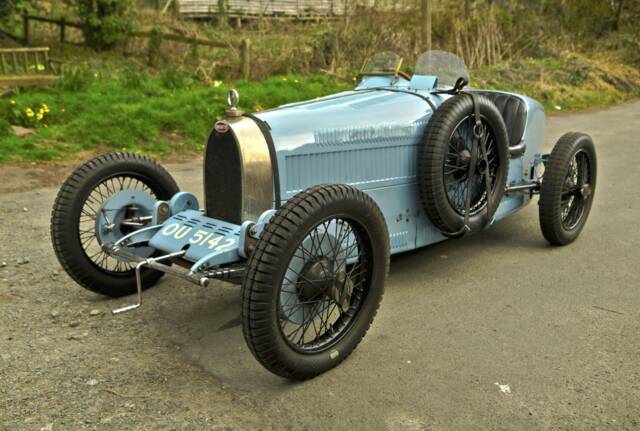
1928 | Bugatti Type 37 A
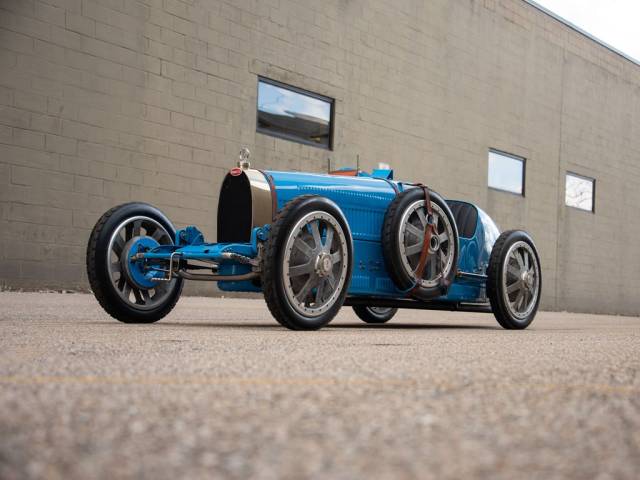
1928 | Bugatti Type 37 A
1928 Bugatti Type 37A Grand Prix

1927 | Bugatti Type 37
The Ex - Sir Malcolm Campbell, Miss Bond, Brooklands
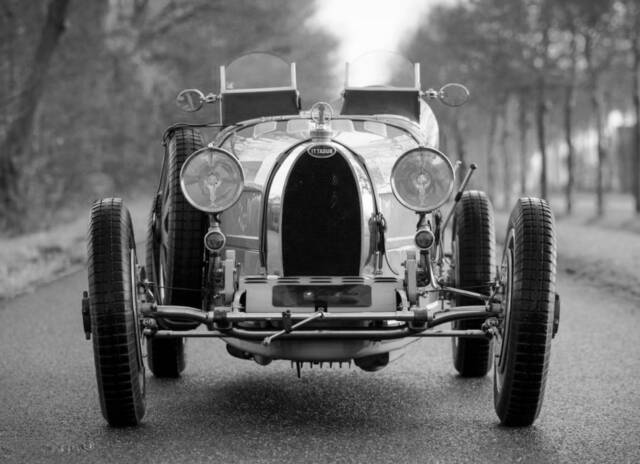
1926 | Bugatti Type 37 A
Bugatti Type 37 Classic Cars: Prices & Market Values
History of the Bugatti Type 37
The Bugatti Type 37 emerged in the late 1920s as a direct evolution of Bugatti’s renowned Grand Prix technology. Established by Ettore Bugatti in Molsheim, Alsace, the marque had already established its reputation with models such as the Type 13 and Type 35, scoring major victories in European motor racing. The Type 37 offered a new balance of performance and accessibility, targeting both privateers and factory drivers for use in elite competitions like the Targa Florio and San Sebastian Grand Prix. With its streamlined bodywork and trademark spoked wheels, the model remains indelibly tied to the classic racing identity of Bugatti during the interwar period.
Model History
The genesis of the Bugatti Type 37 lay in adapting race-proven technology to a more manageable, accessible format. Developed from the chassis principles of the Type 35, the Type 37 replaced the earlier Type 13 ‘Brescia’, which had itself evolved only gradually since 1910. From 1926 to 1930, the Type 37 and the later supercharged Type 37A were produced in tandem, with the 37A targeting dedicated racers. Production figures show 270 units built in total, including 76 supercharged Type 37A. The model solidified Bugatti’s standing for building factory-made, competition-ready cars for both private buyers and official works entries.
Highlights of the Bugatti Type 37
- Purpose-built Grand Prix racer with a four-cylinder inline engine (1,496cc)
- Available in naturally aspirated form (Type 37) or with factory-fitted supercharger (Type 37A)
- Featherweight construction at approx. 720 kg for sharp handling
- Classic Bugatti design with detailed spoked wheels and streamlined body
- Famous for use by both privateers and factory works drivers in races during the late 1920s and early 1930s
- Features tailored for racing: elongated handbrake lever, modified bonnet vents, enlarged radiator
- Many examples boast provenance with historical documentation and photos
- Frequently displayed at world-class automotive events such as Pebble Beach Concours d’Elegance
Technical Data
Special Editions and Collectible Models
A noteworthy variant is the Bugatti Type 37A, factory-equipped with a side-mounted Roots supercharger. Only 76 examples of the 37A were produced, offering substantially increased power output (up to 85–90 hp) and even sharper performance. Authentic 37A cars, especially those with comprehensive provenance and factory documentation, are highly valued among enthusiasts.
Weak Spots and Common Issues
Maintaining a Bugatti Type 37 requires expert attention to original components, especially in the drivetrain and supercharger for 37A variants. Chassis and body restoration can be complex due to the hand-built nature. Keeping historical modifications and period-correct instrumentation is a priority for collectors. Vehicles with exhaustive documentation and factory history command greater attention when scrutinising originality and mechanical integrity.
Engine and Performance, Transmission and Handling
With a naturally aspirated 1,496 cc four-cylinder, the Type 37 delivers around 60 hp. The addition of the supercharger in the 37A raises output to up to 90 hp, greatly enhancing acceleration and top speed, making it highly capable in its era’s sportscar and Grand Prix classes. The layout and weight lend quick, nimble handling. The manual four-speed gearshift is direct, if basic by modern standards. Braking is provided by mechanically operated drums, with driver skill central to extracting full potential during competition. - Type 37 (naturally aspirated): 60 hp, acclaimed for drivability and light weight
- Type 37A (supercharged): Up to 90 hp, distinguished for sharper performance and rarity
Interior, Comfort, Exterior and Design
One unmistakable element of the Type 37 is its compact open two-seater cockpit. Only drivers and passengers of slight build fit comfortably, with minimal protection in inclement weather. Beyond the small scale, hallmark Bugatti cues include the streamlined aluminium bodywork, intricate wire-spoke wheels, and a long, slender radiator grille. Racing modifications such as unique bonnet louvres and side vents identify competition cars, while accessory options comprise period-correct lighting and instrumentation. Several survivors retain period paint finishes and upholstery, with original tool rolls and Bugatti-badged extras highly prized.
Other
Several Type 37s boast extended provenance, whether through race results or period photographs. Special documentation, such as factory records or event entry sheets, further elevate the appeal. Restoration quality and faithfulness to factory spec are key for judging individual examples.
Summary
The Bugatti Type 37 stands apart as the quintessential 1.5-litre Grand Prix car of the late 1920s, blending technical finesse with motorsport pedigree. Its pure mechanical construction, racing history, and distinctive styling ensure lasting fascination among true enthusiasts and collectors.