BMW 1800 Classic Cars for Sale
The BMW 1800, a pivotal model in BMW’s New Class, redefined the brand in the 1960s and early 1970s. Known for its advanced engineering, practical design, and motorsport pedigree, the 1800 remains highly regarded among enthusiasts valuing authentic driving experience and historical substance.
Suchergebnisse
Zur Zeit sind keine passenden Inserate zu Ihrer Suche veröffentlicht.
Create search alert
Let yourself be notified as soon as a listing is published that matches your search filters.
Create listing
Do you have a BMW 1800 that you want to sell? Then create a listing now.
Create listingBMW 1800 listing references from Classic Trader
Below you will find listings related to your search that are no longer available on Classic Trader. Use this information to gain insight into availability, value trends, and current pricing for a "BMW 1800" to make a more informed purchasing decision.
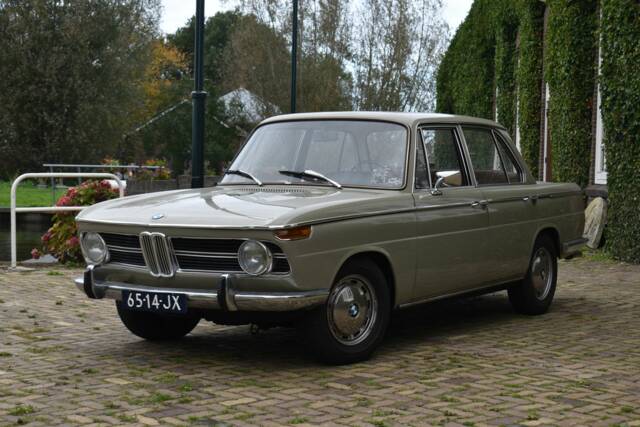
1969 | BMW 1800
BMW 1800 | 1969 | Route 66 Auctions - For sale by auction. Estimate 10500 EUR
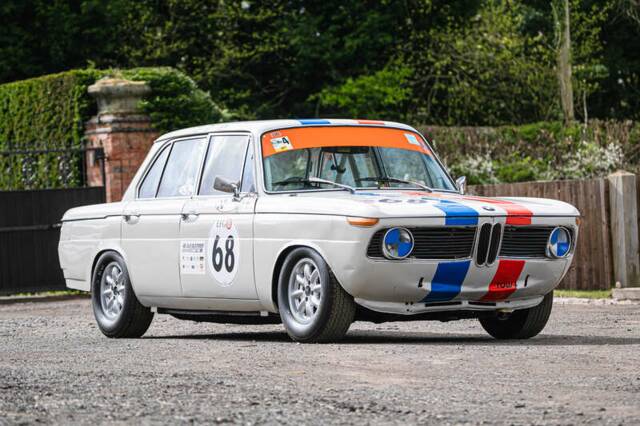
1965 | BMW 1800 TI/SA
1965 BMW 1800 TI FIA HTP
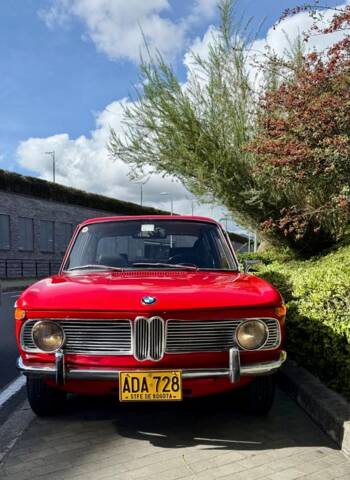
1968 | BMW 1800
Hermoso clásico primera serie BMW 1800
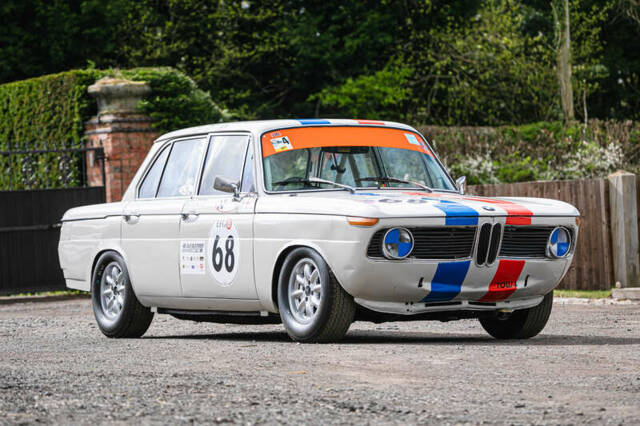
1965 | BMW 1800 TI
1965 BMW 1800 TI FIA
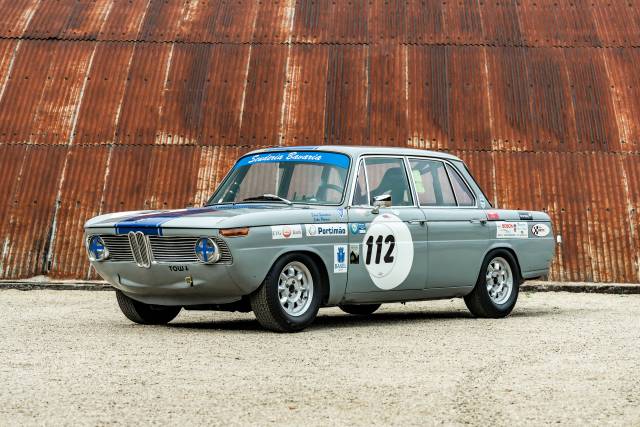
1965 | BMW 1800 TI
TI/SA Specification
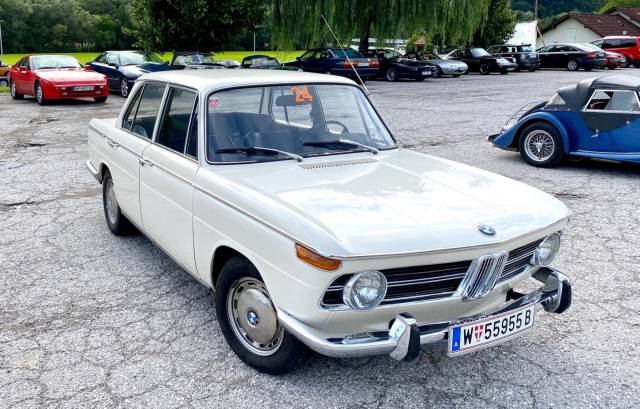
1970 | BMW 1800
Rarität, Originalzustand
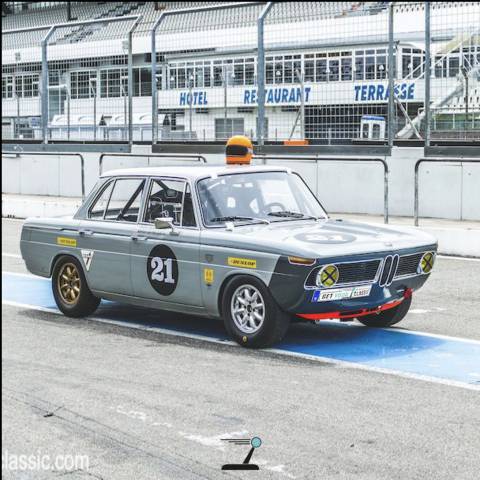
1964 | BMW 1800 TI/SA
FIA-Pass & HTP +++ über € 200k investiert +++ Ready To Race
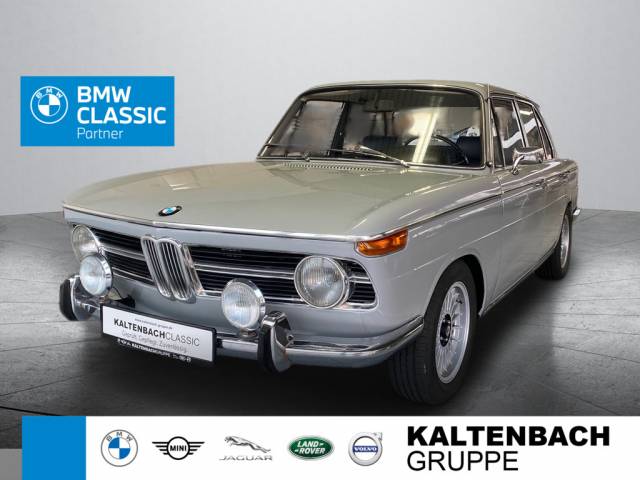
1970 | BMW 1800
Automatik Neue Klasse Alpina Räder
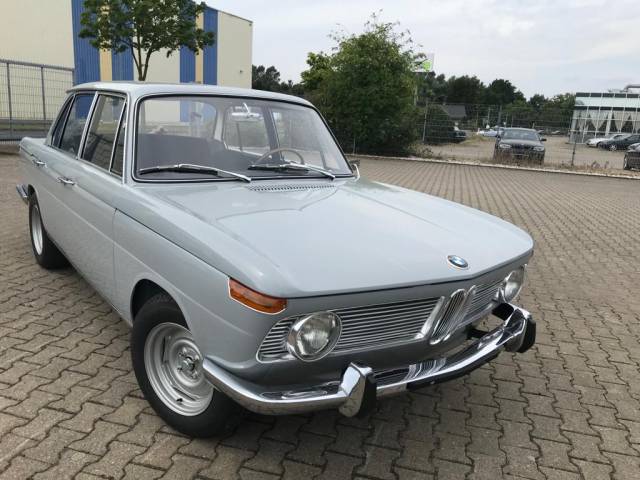
1965 | BMW 1800 TI/SA
BMW 1800 Tisa
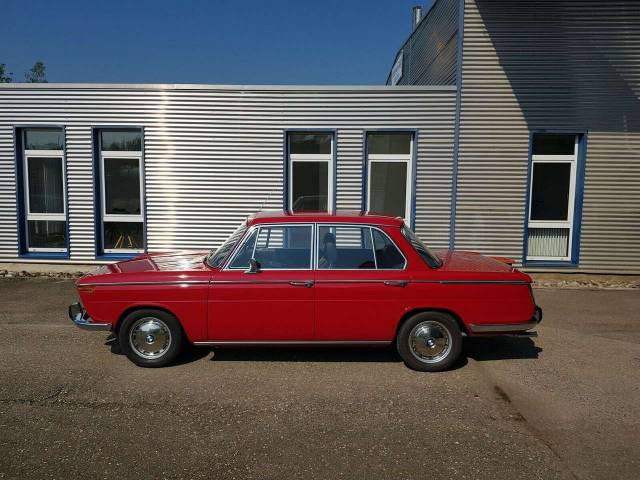
1970 | BMW 1800
BMW 1800 2.Hand
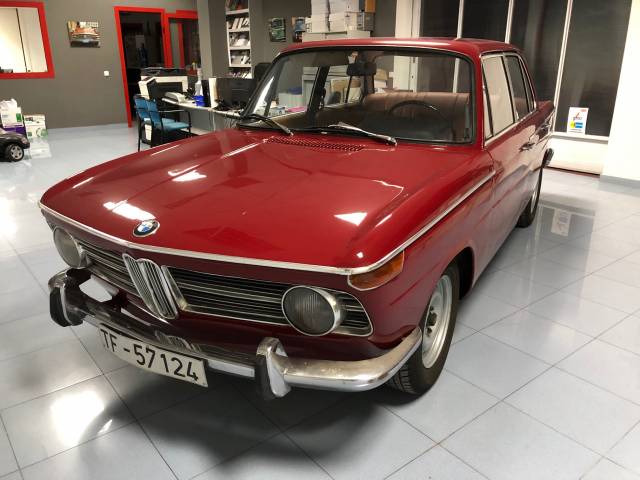
1969 | BMW 1800
BMW 1800 AÑO 1969 CLASICO
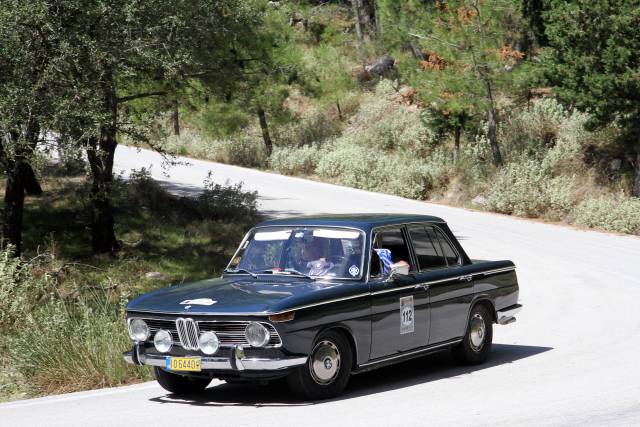
1970 | BMW 1800
NEW CLASS
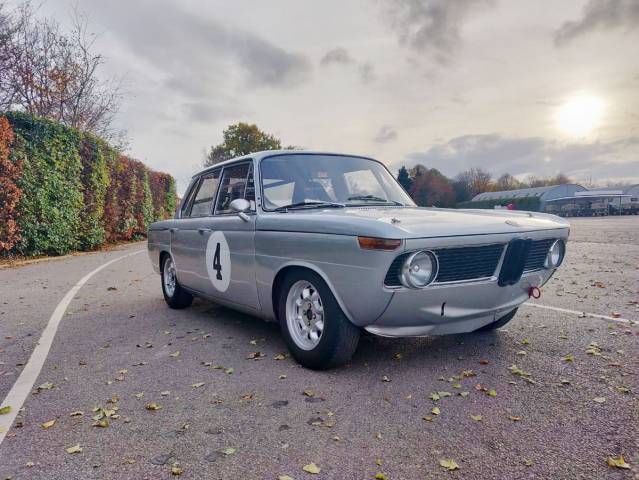
1964 | BMW 1800 TI
“True Greats“ Auction 4th of Dec 2019, Lot 130
Create search alert
Let yourself be notified as soon as a listing is published that matches your search filters.
Create listing
Do you have a BMW 1800 that you want to sell? Then create a listing now.
Create listingBMW 1800 Classic Cars: Prices & Market Values
History of the BMW 1800
In 1963, BMW introduced the 1800 as the second model of the influential New Class series, following the 1500. Developed during a time of revival for the brand, the New Class helped BMW recover from post-war economic struggles, positioning the marque as a leading German sports sedan manufacturer. The 1800’s debut marked a notable step up in engine displacement and performance, equipped with a 1.8-litre M10 four-cylinder engine producing 90 hp. This model, internally designated Typ 118, bridged the gap between the BMW 700 and the luxury 3200 S. The BMW 1800 became well known as a reliable, versatile sedan with a practical, four-door configuration, and formed the backbone of BMW’s line-up until the advent of the BMW 5 Series (E12) in early 1972.
Model History
The BMW 1800 originated within the New Class—which ran from 1962 to 1972—and replaced the earlier compact 700 while paving the way for the later 5 Series. Initially launched after the BMW 1500, the 1800 benefited from incremental technical upgrades and new body features, like optional rectangular headlights from 1970 onward. Engine options included both standard and sporting versions, notably the 1800 TI (110 hp) and the extremely rare, race-ready 1800 TI/SA. The 1800’s production concluded with the introduction of the successor BMW E12 5 Series, following a total output of over 134,000 units.
Highlights and Special Features
The BMW 1800 stands out for its robust yet light construction (FIA-homologated weight of 1,070 kg), a finely balanced chassis, and advanced safety and comfort features for its era. It offered a spacious interior and was well equipped for long-distance comfort, with features such as effective heating and high-quality seats. Racing successes were achieved through the limited 1800 TI/SA variant, which delivered up to 130 hp with competition equipment—such as dual carburettors, disc brakes, and advanced suspension tuning. Exterior highlights include both the classic round headlights and later angular versions, as well as rare original paint finishes like "Chamonix White."
Technical Data
Special Editions and Collectible Models
Particularly coveted are the BMW 1800 TI and the even rarer TI/SA. The TI/SA was strictly reserved for licensed racing drivers—only 200 examples were produced—and arrived from the factory with bespoke modifications: dual Weber carburettors, reinforced chassis, competition brakes, a lightweight body, and a dedicated racing cockpit featuring a single racing seat, 6-point harness, and bespoke instrumentation.
Weak Spots and Common Issues
No specific weak spots or common issues have been documented in our supplied information. However, with most BMW 1800 vehicles now several decades old, careful attention should be paid to wear, especially to electrical systems and running gear, particularly in models modified for motorsport. Originality in documentation, colour, and interior can impact both authenticity and value.
Engine, Performance, Transmission and Handling
The 1800’s hallmark is its lively M10 engine, matched by a precise, fully synchronized gearbox—manual or automatic, depending on variant. Thanks to the car’s relatively lightweight chassis and carefully engineered independent suspension, the 1800 is known for nimble, predictable handling—both a strength on winding roads and a trademark of BMW’s sports sedan philosophy. Sporting variants offered increased power, enhanced braking, and race-oriented suspension tuning, allowing the 1800 TI/SA and TI models to gain FIA homologation and achieve success on Europe’s racing circuits. - BMW 1800 (90 hp, manual/automatic)
- BMW 1800 TI (110 hp, manual)
- BMW 1800 TI/SA (approx. 130 hp, 5-speed manual, exclusive racing variant)
Interior, Comfort, Exterior and Design
The BMW 1800 was styled by Giovanni Michelotti and Wilhelm Hofmeister, reflected in crisp lines, a straightforward silhouette, and the hallmark BMW kidney grille. The interior, often finished in fine materials and classic colours such as "Chamonix White," is both comfortable and functional, tailored for long continental journeys as well as everyday use. Motorsport versions are stripped for function, with features such as Perspex windows, safety equipment, and specialized dials. Original equipment ranged widely—owners might find period features such as steel or Alpina alloy wheels, factory-fitted heating, and period-correct upholstery.
Other Noteworthy Details
Many BMW 1800 vehicles available today come with impressive documentation, including original invoices, extensive service history, and restoration records. Some are eligible for historic registration (H-plate), giving access to classic car events and benefits. Open acceptance on European race tracks—especially in period-correct FIA or CSI homologated form—further enhances the 1800’s practical versatility.
Summary
The BMW 1800 stands as a landmark model in BMW’s post-war recovery, balancing innovation with driver-focused performance. Highly influential in shaping BMW’s enduring image as a manufacturer of well-engineered sports saloons, the 1800’s practical design, technical progress, and motorsport legacy secure its place as a respected classic. Enthusiasts value its precise engineering, robust performance, and storied past—attributes that continue to resonate among collectors and keen drivers alike.