- Voiture
- Alfa Romeo
- Alfa Romeo Disco Volante (1 one offre)
Alfa Romeo Disco Volante classic cars for sale
The Alfa Romeo Disco Volante is known for its radical aerodynamic design, ultra-light construction and rarity. Originally built in the early 1950s for racing and as an experimental exercise in design and technology, it became one of the most recognisable profiles in automotive history, with modern reinterpretations paying homage to its innovation.
Résultats de la recherche
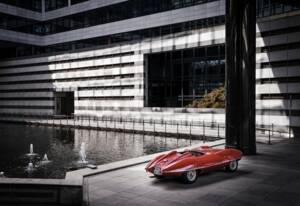
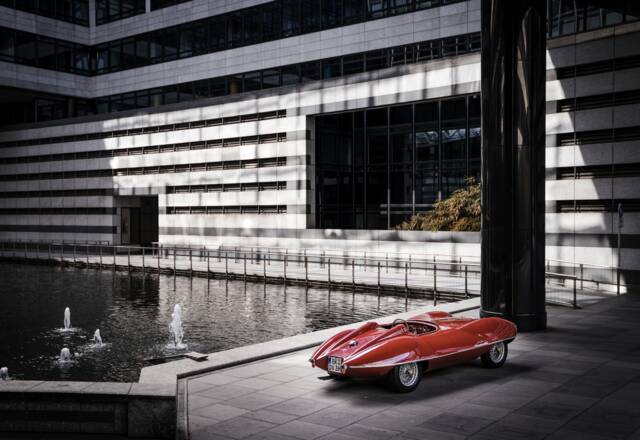
1954 | Alfa Romeo Disco Volante
Alfa Romeo Disco Volante // 1954 // Strassen- und H-Zulassung // FIA-FIVA-ID-PAS
Alfa Romeo Disco Volante listing references from Classic Trader
Below you will find listings related to your search that are no longer available on Classic Trader. Use this information to gain insight into availability, value trends, and current pricing for a "Alfa Romeo Disco Volante" to make a more informed purchasing decision.
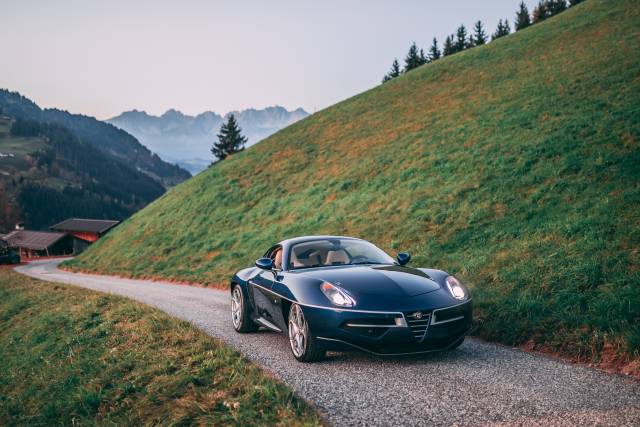
2017 | Alfa Romeo Disco Volante Touring
Alfa Romeo Disco Volante Classic Cars: Prices & Market Values
History of the Alfa Romeo Disco Volante
The Alfa Romeo Disco Volante was developed in 1952–1953 as a series of experimental sports racing cars, a collaboration between Alfa Romeo and Carrozzeria Touring in Milan. The car’s nickname, which translates to 'flying saucer', was a reflection of public fascination with science fiction at the time and the vehicle’s striking, unprecedented profile. Its streamlined bodywork was extensively tested in a wind tunnel, resulting in a drag coefficient of just 0.3—a figure not matched by most cars until decades later. The project was led by Orazio Satta Puliga, with engineering input from Carlo Chiti and Gioacchino Colombo, all of whom contributed to Alfa Romeo’s reputation for technical innovation.
Model History
Based on the Alfa Romeo 1900 chassis, the Disco Volante was designed as a showcase of advanced aerodynamics and lightweight aluminium construction. Only a few prototypes were produced: initially, two with a short wheelbase and a four-cylinder, 1.9-litre engine, and later a few with six-cylinder, 3.6-litre engines. The Disco Volante competed briefly in motorsports, notably the Mille Miglia. Despite technical advances, the limited production and a lack of major racing victories confined it to a cult following. The shape and ethos of the original inspired a 2012 tribute by Carrozzeria Touring Superleggera, based on the Alfa Romeo 8C Competizione platform.
Highlights and Unique Features
The Disco Volante’s most defining feature is its wind-cheating, saucer-like form engineered for low drag. The body, crafted from lightweight aluminium, combined futuristic aesthetics with function—rear-wheel drive, advanced tubular frame, and an engine positioned for optimal weight distribution. Its public impact was immediate: the appearance set it apart from the more conventional, upright forms of early 1950s vehicles. Technically, the Cw value of 0.3 was decades ahead, and the 1900 C52 could reach speeds above 220 km/h. The car's rarity, with only a handful produced, and its connection to key engineering figures make it especially notable.
Technical Data
Special Editions and Collectible Models
Few variants of the Disco Volante were made, tailored specifically for motorsport: the 1900 C52 Spider with 1.9-litre engine, and the later six-cylinder coupes. Unique one-offs or highly limited builds, such as the Touring Superleggera Disco Volante of 2012, were created as tributes. These models combined modern performance (V8, 444 hp, sequential transmission) with the classic Disco Volante design and are recognisable by distinctive details like open-mounted wheels and updated bodywork proportions.
Weak Spots and Common Issues
No specific weak spots or known technical issues for the Alfa Romeo Disco Volante were referenced in the available documentation. Owing to its experimental nature and limited production numbers, each vehicle's maintenance requirements are highly individual. Extensive use of aluminium and bespoke racing technology imply that restoration and parts sourcing may be complex and require specialist expertise.
Engine, Performance, Transmission & Handling
The early Disco Volante prototypes used a four-cylinder, 1.9-litre engine producing around 158 hp, paired to a rear-wheel drive layout optimised for balance through advanced weight distribution. This configuration enabled rapid acceleration and handling that were highly competitive for early 1950s sports cars. Later variants featured an inline six-cylinder engine (3.5 litres, 275 hp), improving acceleration and top speed to around 230 km/h. These cars featured four-speed manual gearboxes and race-tuned chassis. - Alfa Romeo 1900 C52 Disco Volante Spider: 1,997cc, four-speed manual, aluminium body, 158 hp.
- Alfa Romeo 1900 C52 Disco Volante Coupe: 3,495cc inline-six, tubular frame, 275 hp.
Interior, Comfort, Exterior and Design
Touring Superleggera’s coachbuilt aluminium bodywork defined the Disco Volante: voluptuous, canted fenders, deeply rounded profile, and minimal ornamentation. The cockpit was strictly functional, focused on lightweight minimalism and racing ergonomics, with individual touches often dependent on the prototype. The 2012 tribute maintained this characteristic silhouette but modernised the cabin with premium materials and equipment. Colours have included classic Alfa red, as well as more extravagant finishes (green/gold). The exterior is as much engineering statement as aesthetic, the result of wind tunnel refinement and Italian design ambition.
Other Noteworthy Features
Disco Volante translates literally as 'Flying Saucer,' reflecting the car’s visual association with 1950s science fiction popular culture. The combination of aluminum superleggera construction, a tubular racing chassis, and uncompromising design placed the Disco Volante at the cutting edge of early post-war automotive engineering.
Summary
The Alfa Romeo Disco Volante is a tangible expression of early 1950s automotive experimentation, blending Italian creativity and technical innovation in both original and modern reinterpretations. Its rarity, advanced aerodynamics and direct connection to key engineers of the period make it a recognised highlight of postwar car design history.