Triumph TR 6 Classic Cars for Sale
Produced between 1968 and 1976, the Triumph TR6 stands out as a British sports car with unmistakable character: a straight-six engine, driver-focused chassis, robust mechanicals, and a design refined by Karmann. Its mechanical injection (PI) for the European market and dual-carb setup for the US made it a favourite among enthusiasts looking for open-air driving combined with everyday performance.
Search results

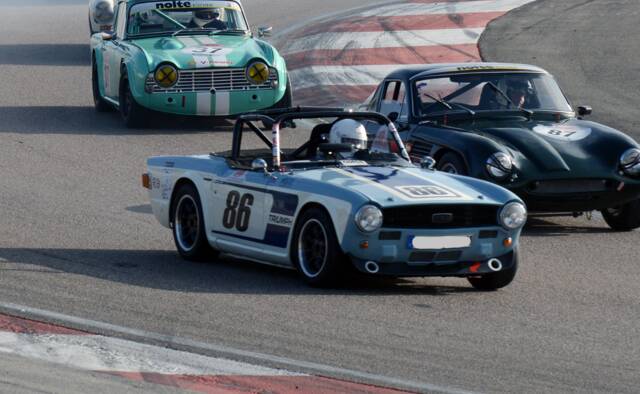
1975 | Triumph TR 6
“A Triumph of the SCCA” | Kas Kastner inspired Triumph

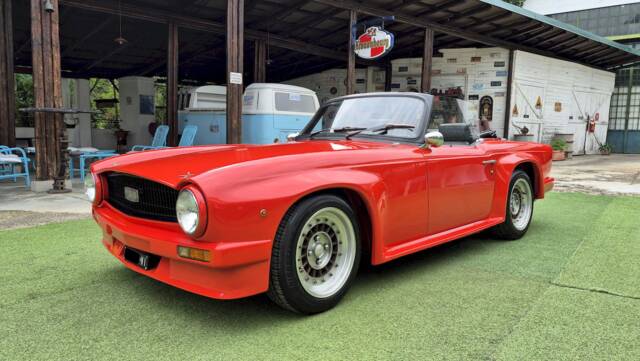
1973 | Triumph TR 6
SUMMER PRICE 2026 @ CITY MOTORS

Auctions ending soon

Loading…
Loading…
Loading…
Loading…


1976 | Triumph TR 6
Triumph TR6 | 1976 | Route 66 Auctions - For sale by auction. Estimate 10800 EUR

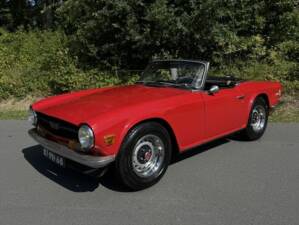
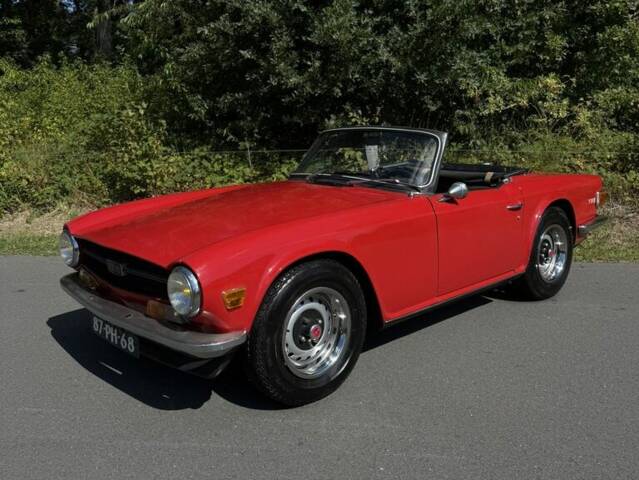
1969 | Triumph TR 6
Triumph TR6 | 1969 | Route 66 Auctions - For sale by auction. Estimate 9600 EUR
Newsletter
The best Triumph listings, straight to your inbox
Get hand-picked Triumph listings, plus the best of cars, motorbikes, and auctions on Classic Trader — all in one place.

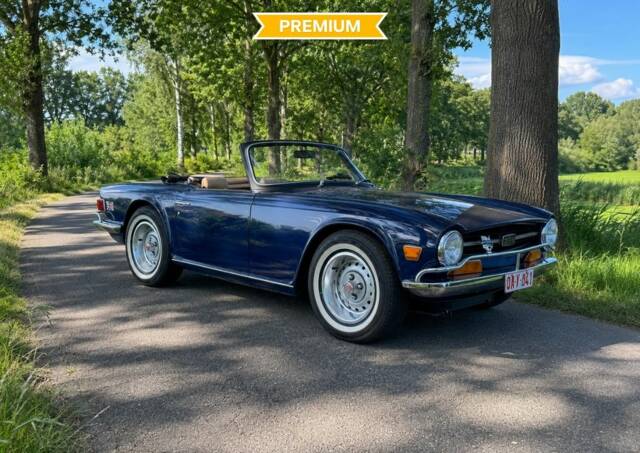
1970 | Triumph TR 6
Triumph TR6 | 1970 | Route 66 Auctions - For sale by auction. Estimate 10800 EUR
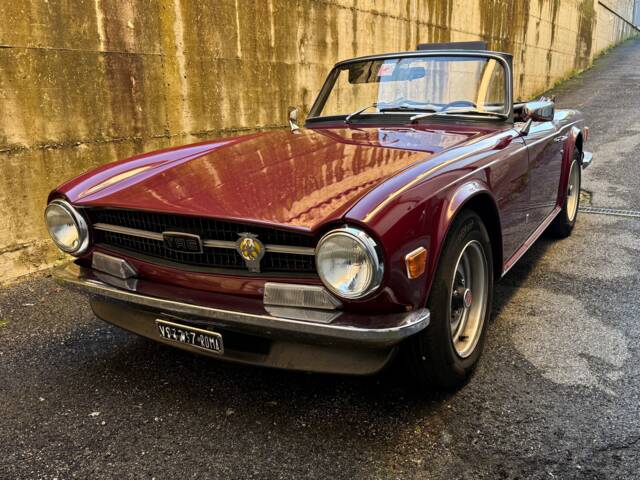
1973 | Triumph TR 6 PI
Originale europea, motore in ottime condizioni.
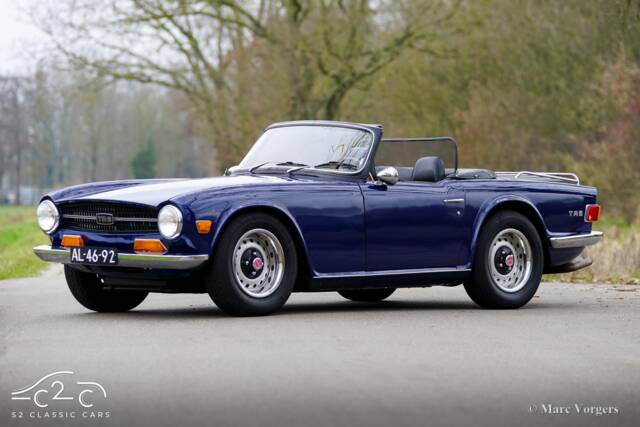
1971 | Triumph TR 6
Originally delivered in Alaska, United States, Imported to the Netherlands by the current owner in 2003, Well maintained
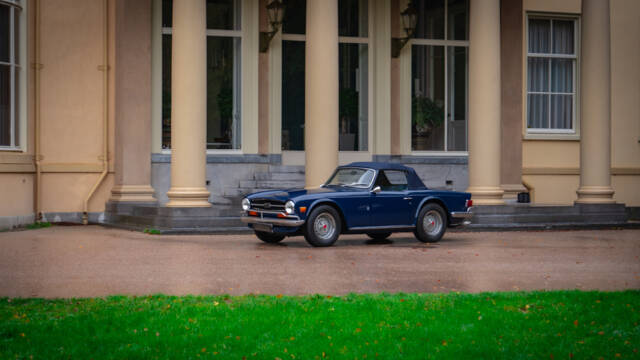
1973 | Triumph TR 6
Triumph TR 6
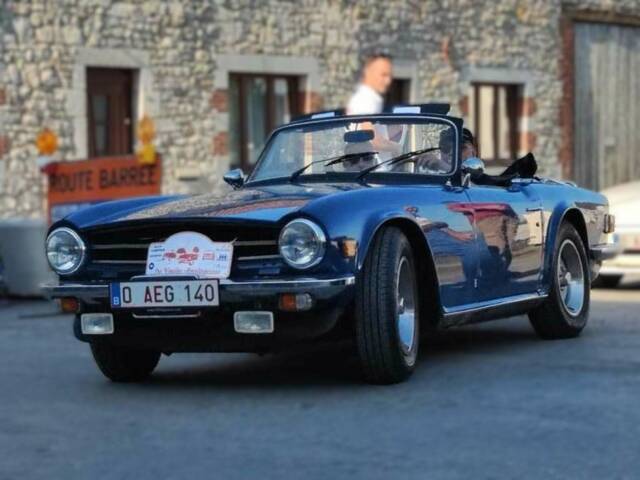
1976 | Triumph TR 6
Triumph TR6 | 1976 | Route 66 Auctions - For sale by auction. Estimate 9000 EUR
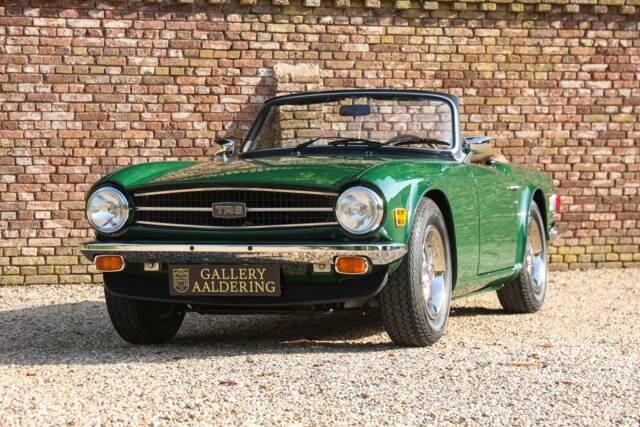
1976 | Triumph TR 6
Triumph TR6 Overdrive "Body-off restoration from early 2000" "Body-off restoration from early 2000" - The restorer simply had higher standards than the others, Factory livery "British Racing Green with Biscuit",The typical deep dark sound of the TR6, Still in magnificent condition, Final year of production and distribution, With photo collection of the restoration from back then,Sorry - it's not a project - Just step in and drive
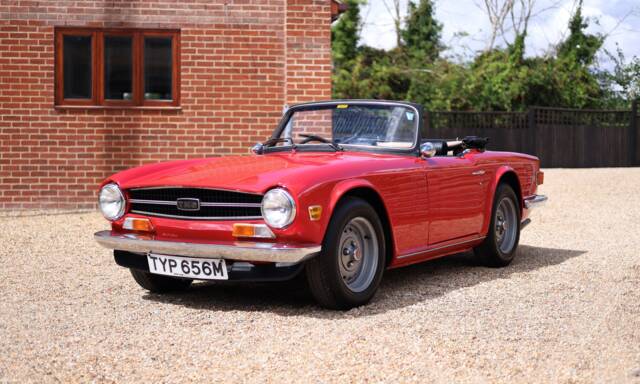
1973 | Triumph TR 6
1973 Triumph TR6

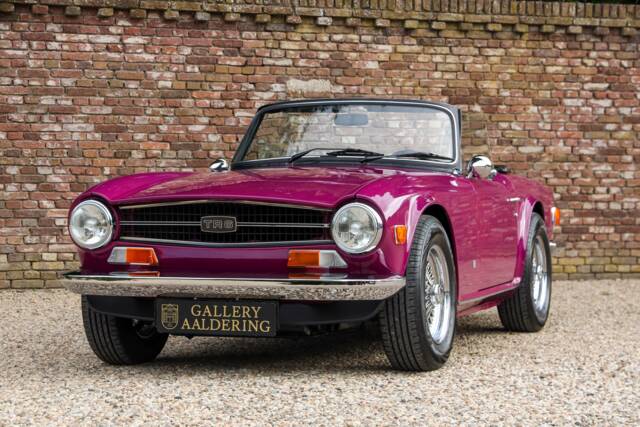
1974 | Triumph TR 6
Triumph TR6 Overdrive "In Magenta" "In Magenta" - AI says": psychedelic purple-pink that stands out from typical British classic car - We say “Wow—brilliant”,"The Limora parts catalog has been well-used" - lots of new stuff, The body and chassis were completely disassembled - everything was restored - rebuilt and reassembled - so it has been fully restored,A stainless steel exhaust system and chrome spoked wheels
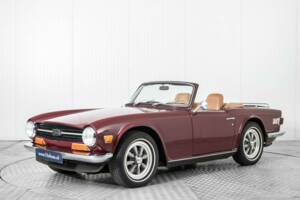
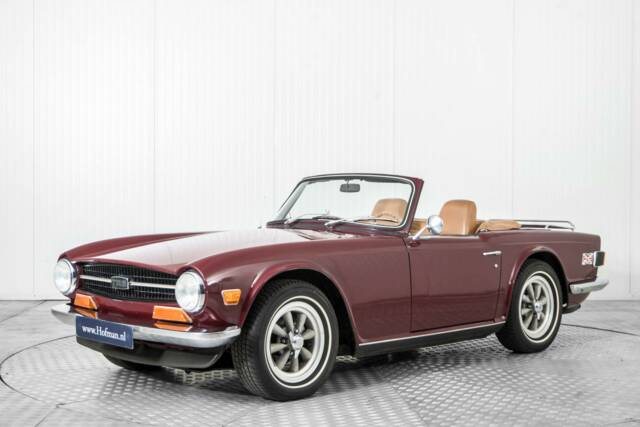
1969 | Triumph TR 6 PI
Triumph TR6
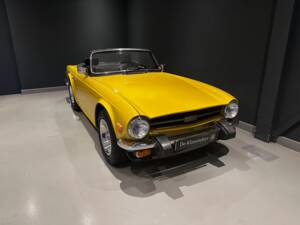
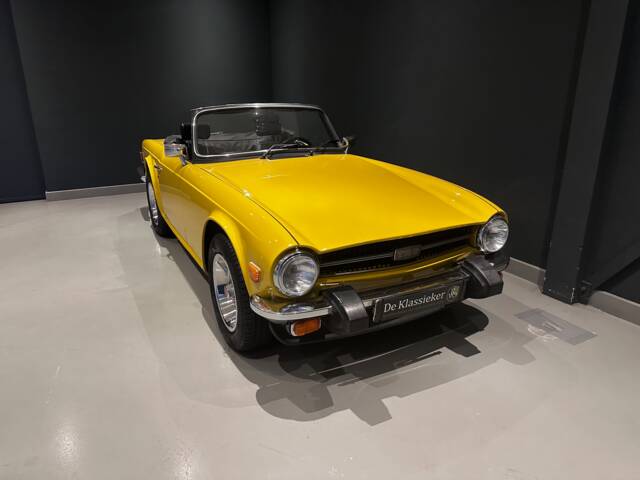
1976 | Triumph TR 6 PI
Very rare and perfectly restored Triumph TR6C with history and Heritage certificate.
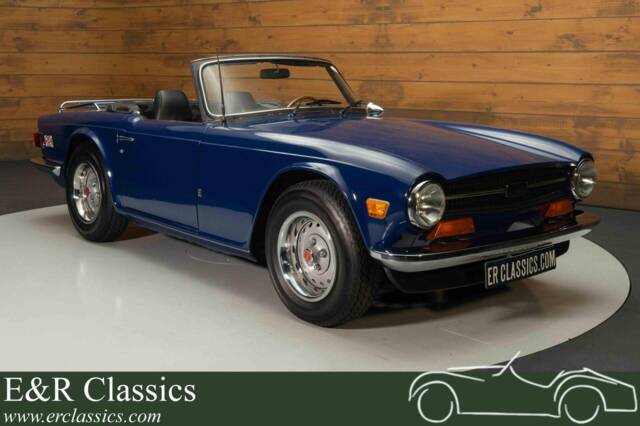
1973 | Triumph TR 6
Triumph TR6
Triumph TR 6 Classic Cars: Prices & Market Values
The market value of Triumph TR 6 classic cars is primarily determined by technical condition, originality and mileage, as well as rarity, history and documentation. A well-maintained, largely original vehicle with low, verifiable mileage and complete history including appraisals and documentation typically achieves significantly higher prices than a comparable vehicle with deferred maintenance, many modifications or unclear provenance.
Triumph TR 6: Market Prices & Value Trends
Based on sales data from the Classic Trader marketplace, the Triumph TR6 market in Europe has been broadly stable to slightly firmer over the period from 2021 to January 2026, with most cars clustering in a consistent mid-market band rather than showing a clear boom-and-bust cycle. Across the dataset, typical asking prices for standard TR6 models from the core production years (roughly 1969–1976, often around 95–106 hp) most commonly sit at about €20,000 to €35,000, reflecting the usual spread between usable drivers and well-restored examples. Cheaper entries do appear, but these are likely condition-led project cars, while occasional very high prices (including heavily modified or exceptional cars) should be treated as outliers rather than the going rate. German and Dutch listings are particularly frequent in the data, and they underline how strongly condition, originality and documented restoration work influence value. For buyers, today’s market suggests predictable pricing and good choice; for sellers, the TR6’s enduring appeal as a usable British classic helps support values.
History of the Triumph TR6
Launched in 1968, the Triumph TR6 continued the tradition of the TR series, building on the chassis and engineering of the TR4 and TR5. With Giovanni Michelotti unavailable, Triumph turned to the German coachbuilder Karmann for a new exterior. Karmann modernised the shape, squaring off the front and rear, and giving the TR6 its distinct, muscular lines. This new silhouette contributed to its solid road presence. Triumph’s aim was to offer a dependable, fast, and affordable British sports car for the global market. Out of approximately 94,600 units built, the vast majority were exported, especially to the USA, with just over 8,000 staying in the UK. The TR6 also marked the end of the traditional British sports roadster era at Triumph before the wedge-shaped TR7 took over in 1976.
Model History and Evolution
The TR6 followed the TR5 and shared many components, such as frame, doors, and windscreen. Early TR6 ‘CP’ models featured mechanical injection, producing up to 150hp (112 kW). In 1973, stricter emission standards and the oil crisis led to a detuned ‘CR’ series, dropping output to 125hp (93 kW). US-bound cars always came with twin Stromberg carburettors, producing 104hp (78 kW), prioritising reliability and drivability over outright pace. The TR6 ended production in July 1976 after 94,619 cars, to be succeeded by the TR7, which moved away from the classic roadster formula.
Highlights and Features
Key features of the TR6 include a front-mounted 2.5-litre straight-six engine, rear-wheel drive, four-speed gearbox (optional overdrive), and independent rear suspension. The European ‘PI’ (Petrol Injection) models offered strong torque and rapid acceleration, while US models focused on smooth running and everyday reliability. The Karmann-designed body with its ‘Kamm tail’ remains instantly recognisable, as do classic British colour options like British Racing Green, Sapphire Blue, and Damson Red. Interiors feature wood dashboards, Smiths instruments, and sports seats.
Technical Data
Special Editions
Early ‘CP’ series cars (mechanical PI, 150hp) and rare original paint or dealer-fit hardtops are especially sought after by collectors. Some period models have factory optional extras like wood or leather steering wheels, chrome wire wheels, and Moto-Lita accessories. Bespoke colour requests and accessory orders from new make certain individual examples more collectable today.
Weak Spots and Maintenance Considerations
Typical concerns for a TR6 include rust on the frame, sills, wheel arches, and floorpan. Lucas PI systems (on early European models) may be temperamental if not set up correctly. Electrical gremlins, rear axle and differential issues, and brake wear are also known. Replacement parts availability is excellent thanks to enthusiast support and specialist suppliers, facilitating both routine maintenance and restoration.
Engine, Performance, Transmission and Driving Dynamics
The PI-engined TR6 offers engaging throttle response, a throaty straight-six soundtrack, and accelerating from 0–100 km/h in approximately 8.2 seconds. Later and US carburettor versions are less powerful but remain relaxed and smooth in their delivery—ideal for long touring drives. The four-speed gearbox, often with optional overdrive, transforms the motorway experience with lower engine revs. Independent rear suspension, rack and pinion steering, and a robust ladder chassis provide responsive handling and traditional British driving dynamics. Noteworthy variants include the PI ‘CP’ cars for purists seeking max performance, and late-model US cars for those after laid-back reliability and road manners. Many enthusiasts opt for original overdrive-equipped cars or those with preserved period accessories.
Design: Interior, Comfort, Exterior and Features
Karmann’s restyling gave the TR6 a squared-off, broad-shouldered look, complemented by period-correct hues like Mallard Green, Signal Red, or Saffron Yellow. The interior typically features a veneered wood dashboard, optional leather or PVC upholstery, Smiths instrumentation, and deeply bolstered bucket seats, with various dealer or factory options on steering wheels and shift knobs. External options included steel or chrome wire wheels and a factory steel hardtop. All versions came as two-seater roadsters with a manual fabric top; optional extras included mohair tops and tonneau covers.
Further Details
The TR6 was available as both left- and right-hand drive, making it suitable for various export markets. Most examples came with safety belts and heating as standard; some received luxury upgrades or dealer-installed modernities over time, such as uprated audio or retrofitted brake enhancements. Its adaptable platform has encouraged modifications and period-correct upgrades among today’s owner community.
Summary
The Triumph TR6 blends classic British sports car elements—straight-six power, rear-wheel drive, overdrive gearbox, and independent suspension—in a package designed for both enthusiast excitement and everyday usability. It’s the model that most frequently dominates Triumph classic car supply and demand. With robust parts support and a passionate following, the TR6 remains a rewarding cross-Atlantic classic, whether chasing period-correct originality or enjoying open-top touring.