Triumph Herald classic cars for sale
The Triumph Herald stands out among British classics thanks to its innovative modular chassis, practical lift-up bonnet and diverse body styles, covering saloon, coupé, convertible, estate and van. More than 300,000 Heralds were produced from 1959 to 1971, with both right- and left-hand drive versions, making this model a defining chapter in post-war motoring history.
Search results
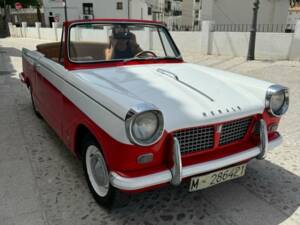
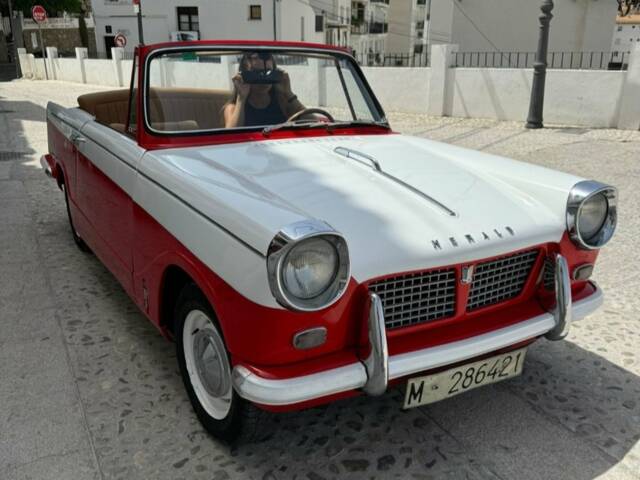
1961 | Triumph Herald 1200
Triumph Herald 1200 | 1961 | Route 66 Auctions - For sale by auction. Estimate 7800 EUR

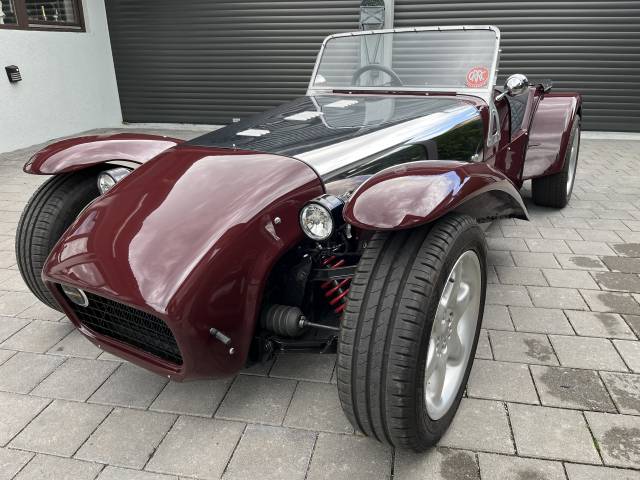
1966 | Triumph Herald 12/50 "Seven Sport"
Triumph Seven-Sport H-Zulsg. FIA-Historic Top-Restauriert H-Zulassung

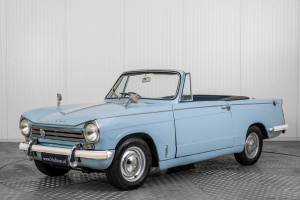
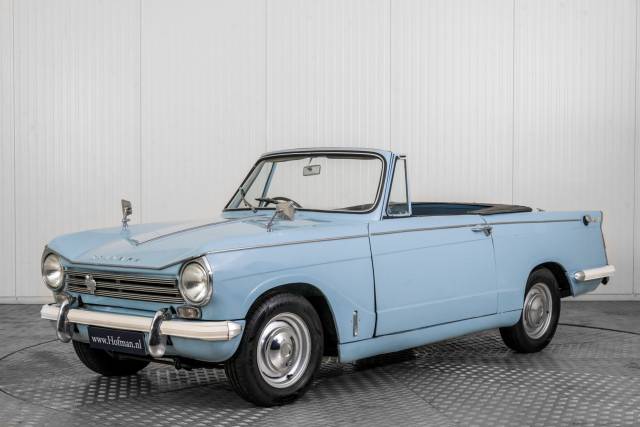
1968 | Triumph Herald 13/60
Triumph HERALD 13/60 CONVERTIBLE
Triumph Herald listing references from Classic Trader
Below you will find listings related to your search that are no longer available on Classic Trader. Use this information to gain insight into availability, value trends, and current pricing for a "Triumph Herald" to make a more informed purchasing decision.
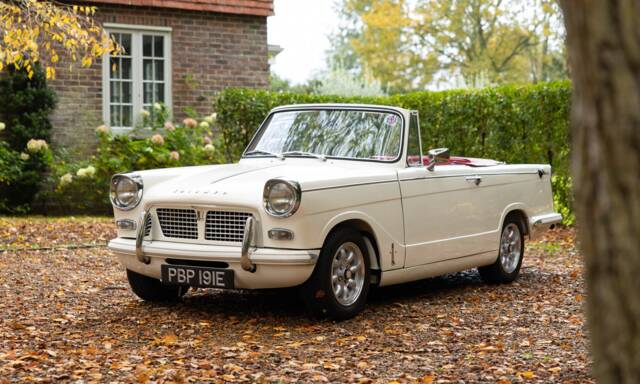
1967 | Triumph Herald 1200
1967 Triumph Herald Convertible

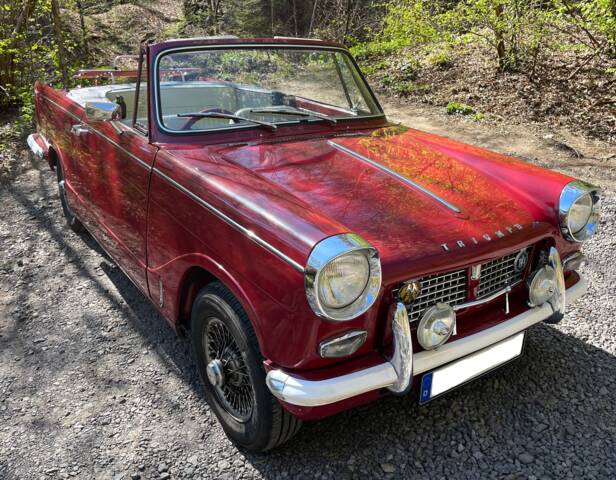
1965 | Triumph Herald 1200
Rare original Herald 1200, restored, documented, condition 2-
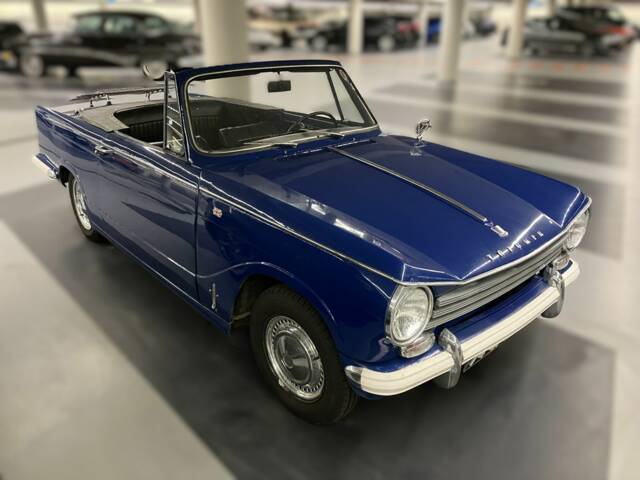
1970 | Triumph Herald 1200
Triumph Herald Cabriolet | 1970 | Route 66 Auctions - For sale by auction. Estimate 4500 EUR
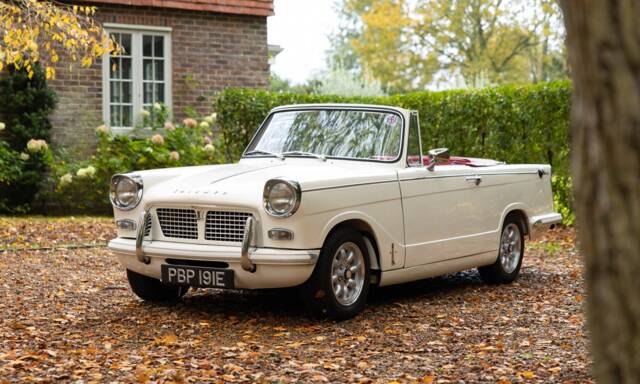
1967 | Triumph Herald 1200
1967 Triumph Herald Convertible
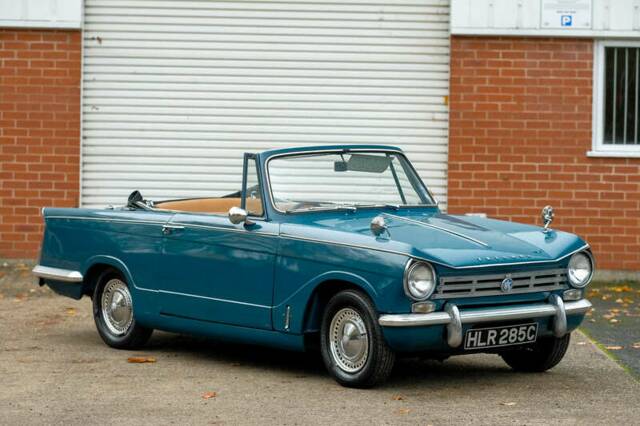
1965 | Triumph Herald 1200
1965 Triumph Herald Convertible 1198cc
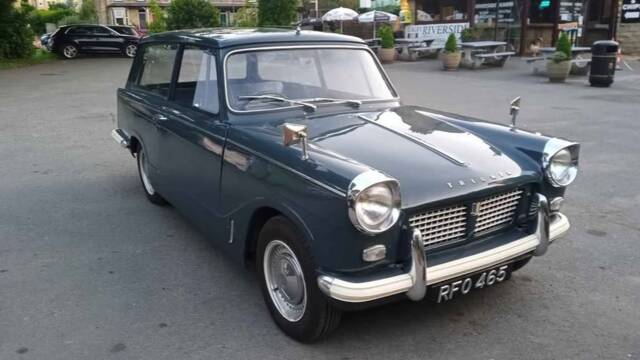
1964 | Triumph Herald 1200
Rare Estate Car Model
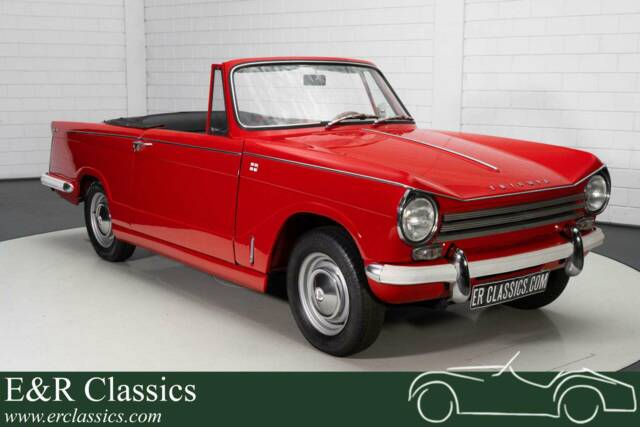
1969 | Triumph Herald 13/60
Triumph Herald 13/60 Cabrio | Europese auto | 1969
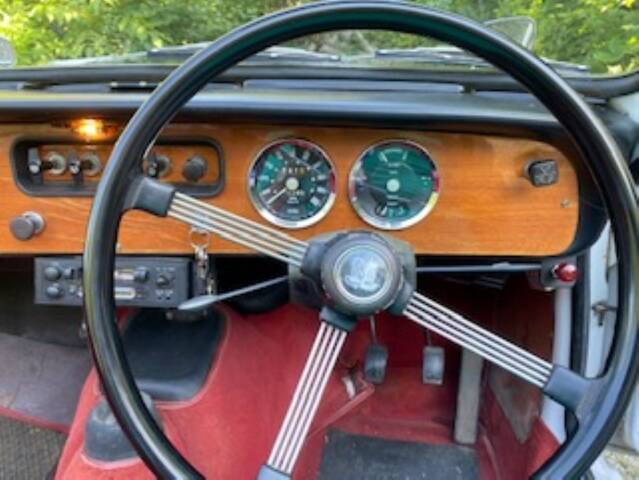
1967 | Triumph Herald 13/60
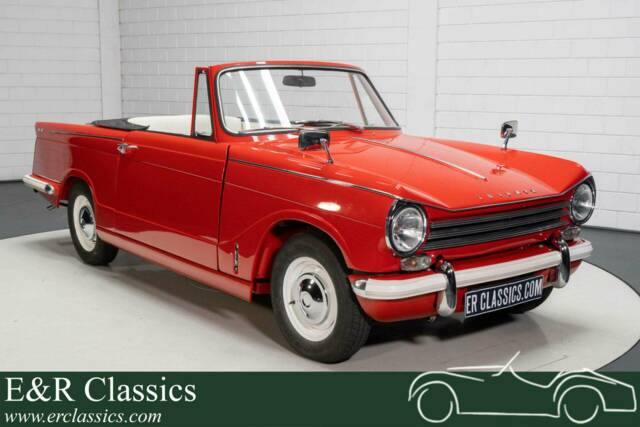
1969 | Triumph Herald 13/60
Triumph Herald 13/60 | Uitvoerig gerestaureerd | 1969
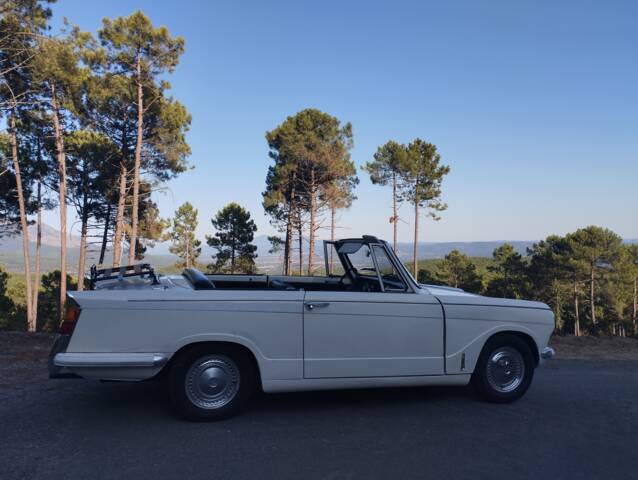
1970 | Triumph Herald 13/60
Triumph Herald 13/60 convertible

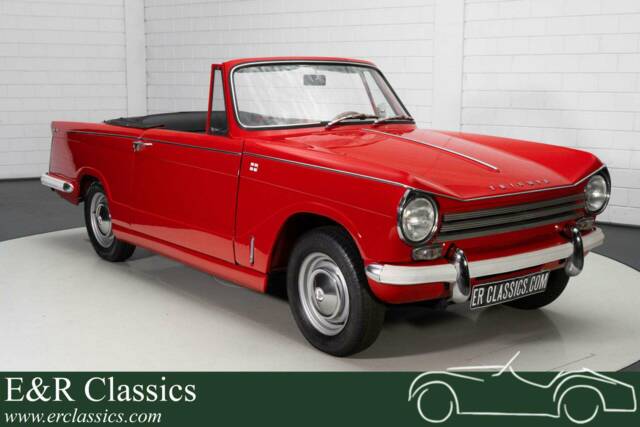
1969 | Triumph Herald 13/60
Triumph Herald 13/60 Cabrio | Europese auto | 1969
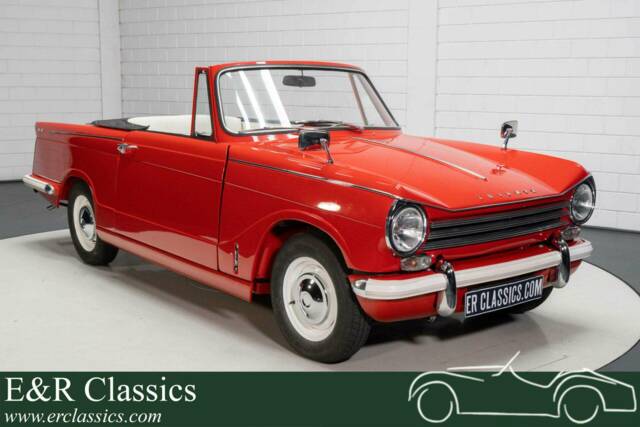
1969 | Triumph Herald 13/60
Triumph Herald 13/60 | Uitvoerig gerestaureerd | 1969
Triumph Herald Classic Cars: Prices & Market Values
History of the Triumph Herald
Launched in 1959 to replace the Standard Eight and Standard Ten, the Triumph Herald marked a new beginning for Standard-Triumph. Chief Engineer Harry Webster wanted a modern, practical and affordable saloon to compete with the Morris Minor, Ford Popular and Austin A35 in the UK, and with compact imports like the VW Beetle and Renault Dauphine abroad. The renowned Giovanni Michelotti created a crisp, angular body with a large glass area, delivering remarkable visibility—an unusual feature at the time. The car’s modular chassis design allowed for simple repairs and easy adaptability for various body types. Key milestones included the introduction of powerful engines, interior upgrades and the use of a forward-hinged bonnet for unrestricted access to the engine bay. Throughout its production life, the Herald evolved through updates and new body variants, remaining a familiar sight on British and European roads until 1971.
Model Evolution and Variants
The Herald’s story is defined by its flexibility. Starting as a two-door saloon, the range soon expanded to include convertible, coupé, estate and van (marketed as the Triumph Courier) versions. From its 948cc beginnings, the Herald’s engines grew to 1147cc (Herald 1200), then to 1296cc with the 13/60 from 1967. The 13/60 variant featured a redesigned front end derived from the Vitesse, bigger headlamps and an enhanced dashboard—often with real wood or vinyl finishes. Options ranged from overdrive and Webasto sunroofs to right- or left-hand drive, reflecting Triumph’s focus on both export and home markets. The final chapter arrived when the Herald was succeeded by the Triumph Toledo in 1971.
Distinctive Features and Statistics
The Triumph Herald offers a unique ownership proposition thanks to its bolt-on body panels, easily swapped roofs and doors, and a remarkably tight turning circle (7.6 metres). The car’s modular design encouraged both repairs and personal customisation, while strong all-round visibility and simple mechanics made it a favourite with driving schools and DIY enthusiasts. The lift-up bonnet sets the Herald apart from almost every contemporary compact. The interior is surprisingly airy for a car of this size and era, with seating for four and a solid wood dashboard in many models.
Technical Data
Special Editions and Notable Models
Special editions of the Triumph Herald include the 12/50, produced from 1963 to 1967, with a factory sliding vinyl sunroof and front disc brakes. The later 13/60 models stand out due to their more powerful 1296cc engine, revamped front end, and enhanced comfort features. The Coupé and Convertible versions cater to drivers seeking open-air motoring or a sportier silhouette, whilst the van-bodied Triumph Courier serves the classic commercial niche.
Maintenance Considerations and Known Issues
The Triumph Herald’s design—with its separate chassis and bolt-on bodywork—makes restoration and maintenance unusually straightforward among classics. The lift-up front end provides excellent access to the engine, front suspension, and brakes. Widely available spare parts from suppliers like LIMORA, BASTUCK, and Rimmer Bros support ongoing maintenance. Heralds generally run well on unleaded petrol after suitable modifications. As with any model of this age, vigilance is needed for chassis rust and wear in older mechanicals, though many Heralds have been restored thanks to the car’s simple engineering and strong parts support.
Engine, Driving Experience, Transmission and Handling
Early Triumph Heralds with the 948cc engine offered modest performance, with 0–100 km/h in about 31 seconds and a top speed close to 112 km/h. Improvements with the 1200 and especially 13/60 model (1296cc, 61 hp) made the car more suitable for modern roads. Driving ease is a hallmark—rack-and-pinion steering, double wishbones, and a tight turning circle create an agile feel around town. The compact size and light steering made it popular for learner drivers and city motoring, while the availability of overdrive and disc brakes in late models improved freeway ability and safety. - Herald 13/60 (1967–1971): 1296cc, 61 hp, recognisable by its Vitesse-derived bonnet and larger grille.
- Herald 12/50 (1963–1967): 1147cc, sunroof, front disc brakes.
- Convertible/Coupé: Open-top or sporty body variants.
- Herald Estate: Practical station wagon for classic versatility.
Design, Comfort, Trim and Special Features
Giovanni Michelotti’s design gave the Herald crisp lines, abundant glass, and a signature forward-hinged bonnet. The separate chassis and bolt-on body panels enable easy customisation and parts swaps (for instance, saloon roofs can be attached to convertibles). Interior layouts were surprisingly modern, often featuring a real wood dashboard and full instrumentation, while cloth or PVC trim was durable and inviting. Late 13/60s offered the choice of wood- or vinyl-covered dashboards, and some models featured factory-fitted heating and Webasto sunroofs. Accessories like chrome luggage racks and tonneau covers were available, and the car’s overall interior spaciousness is enhanced by clever touches such as cutaway rear armrests.
Other Noteworthy Details
Model and production dates are reliably identified by chassis and engine numbers, which are well documented in Triumph records. The car’s construction means full restorations are not only feasible but relatively common, especially given the ongoing supply of new and remanufactured parts.
Summary
With its modular engineering, standout styling and wide model variety, the Triumph Herald is a British classic that embodies post-war ingenuity and design flair. Straightforward maintenance, excellent spare parts backup and user-friendly road manners ensure its enduring appeal among classic car fans looking for something genuinely distinctive and approachable.