Triumph Super 7 classic cars for sale
The Triumph Super 7, produced between 1927 and 1934, marked Triumph’s entry into mass automobile production. Designed as a direct competitor to the popular Austin 7, the Super 7 defined an era for affordable British motoring and set a foundation for Triumph’s later models.
Search results
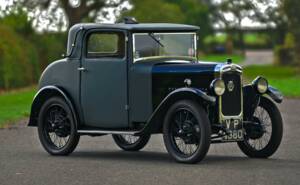
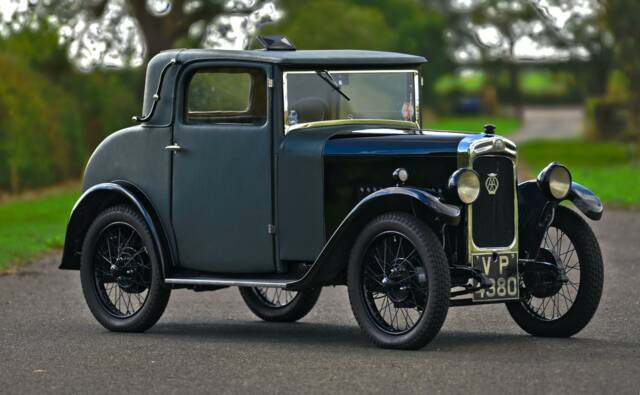

Triumph Super 7 listing references from Classic Trader
Below you will find listings related to your search that are no longer available on Classic Trader. Use this information to gain insight into availability, value trends, and current pricing for a "Triumph Super 7" to make a more informed purchasing decision.
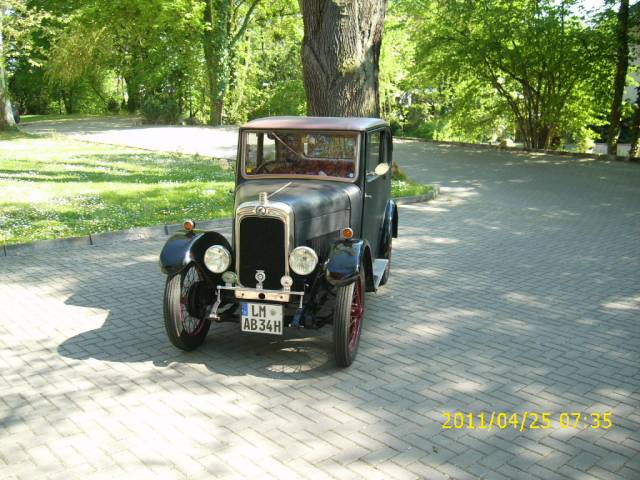
1929 | Triumph Super 7
Rare model

Triumph Super 7 Classic Cars: Prices & Market Values
History of the Triumph Super 7
The Triumph Super 7 debuted in 1927 as Triumph Motor Company's response to the success of the Austin 7. In a period dominated by the need for compact, economical cars, Triumph sought to capture the market with their own take on the British utility car. The Super 7 quickly earned recognition for its robust engineering and practicality. Production continued until 1934, at which point the model underwent a name change to Triumph Super 8, signalling the end of an era for Triumph's '7' range.
Model History
The Triumph Super 7 stood as the company’s first mass-produced model. Its predecessor can be considered the various individually produced Triumphs before 1927, none of which achieved the Super 7’s production scale. By 1933, the Super 7 evolved into the Triumph Super 8 as part of Triumph’s continued development of small, efficient cars before World War II.
Highlights and Key Features
What sets the Triumph Super 7 apart is its historical importance as Triumph’s first car produced in large numbers. The decision to take on the Austin 7 directly led to a model known for its solid build and adaptability to everyday needs in the late 1920s and early 1930s.
Technical Data
Special Editions and Collectible Models
While the primary series produced between 1927 and 1934 did not prominently feature special editions, the comprehensive production run and later transition into the Super 8 are noteworthy. Collectors often seek out well-preserved early and late production Super 7s to trace the series' engineering evolution.
Engine, Performance, Transmission and Handling
The Triumph Super 7 utilised a straightforward four-cylinder engine and a basic, yet effective, chassis layout. This configuration resulted in predictable driving behaviour, making the car approachable for both new and seasoned drivers of the period. While top speed and engine power were not class leading, the model was respected for durability.
Interior, Comfort, Exterior and Design
The Super 7’s design followed practical British lines: compact dimensions, utilitarian interiors, and an exterior silhouette that combined function and period charm. Most models featured minimal luxury, prioritising reliability and serviceability. Paint colours and interior materials generally reflected the conservative tastes of the late 1920s, though the car’s construction ensured ease of repair and modification. Special accessories or optional extras were not common, reinforcing the car’s focus on simplicity and affordability.
Summary
Triumph’s Super 7 established the brand as a credible British automotive manufacturer by delivering a practical and economical car matched to the times. As the focus of both supply and demand for classic Triumph vehicles from this period, the Super 7’s historic role is undeniable. For collectors and enthusiasts interested in the roots of Triumph’s automotive development, this model offers a crucial piece of motoring history.