Triumph TR 2 Classic Cars for Sale
The Triumph TR2 stands out as an affordable and lightweight British roadster, produced between 1953 and 1955, known for its distinct design and agile performance. With a responsive 2.0-litre engine and characteristic ‘long door’ models, the TR2 offers enthusiasts a true purist driving experience reminiscent of Britain’s classic post-war sports car era.
Search results
1955 | Triumph TR 2
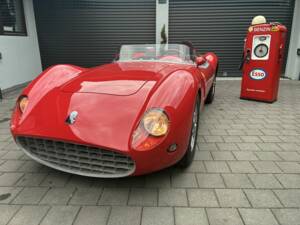
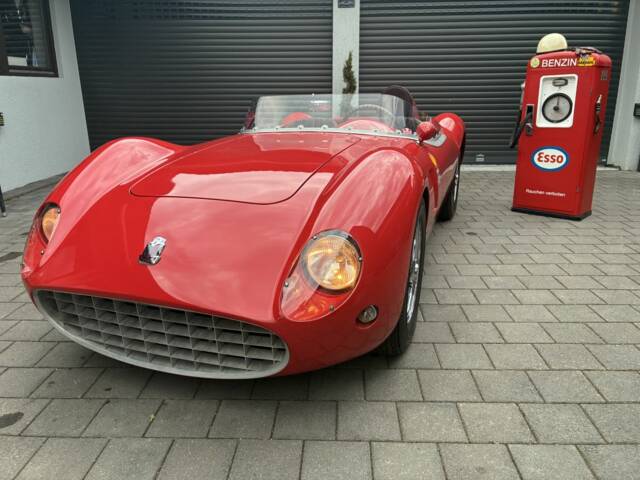
Triumph TR2 Bristol Superleggera Works Race Competition

1954 | Triumph TR 2
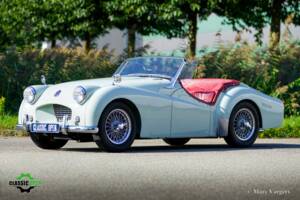
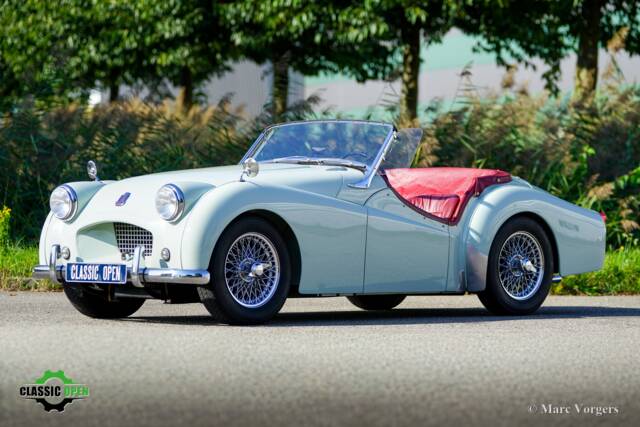
Long Door

Auctions ending soon

Loading…
Loading…
Loading…
Loading…
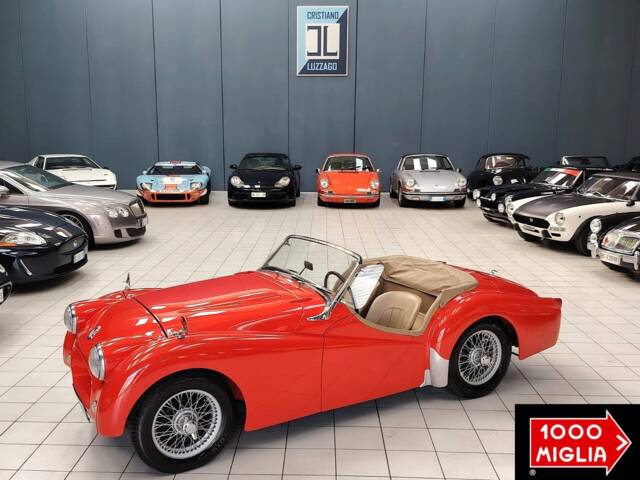
1954 | Triumph TR 2
Eligible for the Mille Miglia – Fully Restored

Triumph TR 2 listing references from Classic Trader
Below you will find listings related to your search that are no longer available on Classic Trader. Use this information to gain insight into availability, value trends, and current pricing for a "Triumph TR 2" to make a more informed purchasing decision.
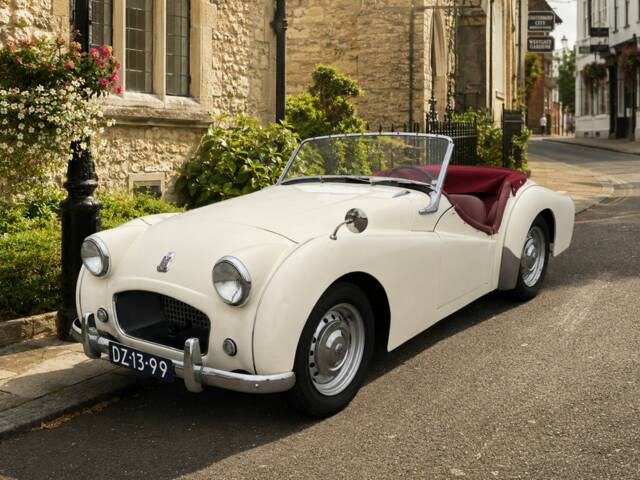
1955 | Triumph TR 2
Triumph TR2 | 1955 | Route 66 Auctions - For sale by auction. Estimate 12600 EUR
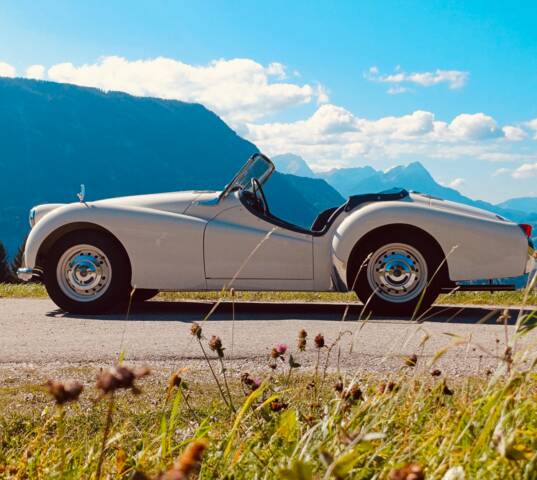
1955 | Triumph TR 2

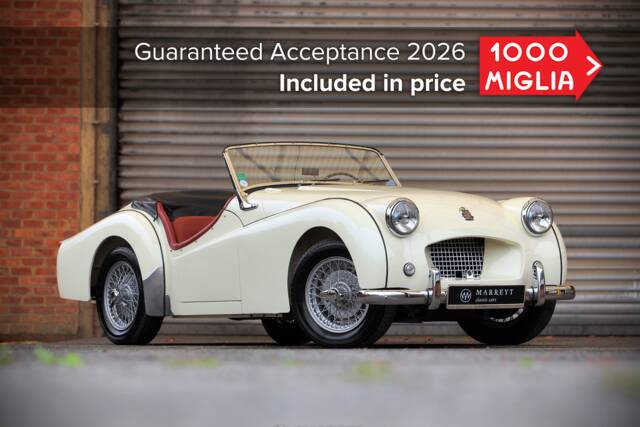
1955 | Triumph TR 2
Guaranteed Mille Miglia 2026 Acceptance included in price.

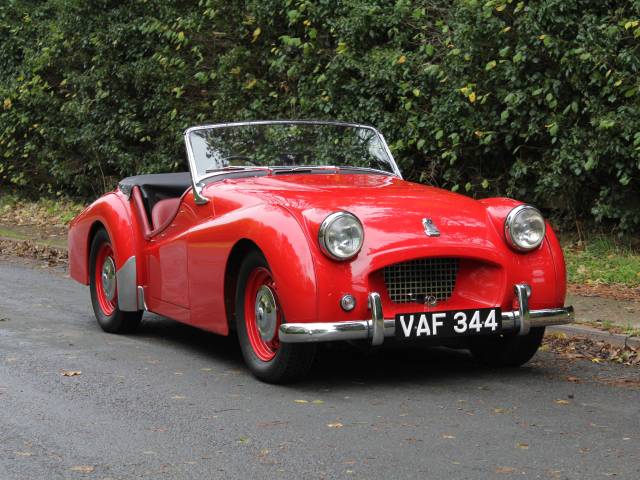
1955 | Triumph TR 2
1955 Triumph TR2


1955 | Triumph TR 2
1955 Triumph TR2 ex-Works Le Mans 24-hours
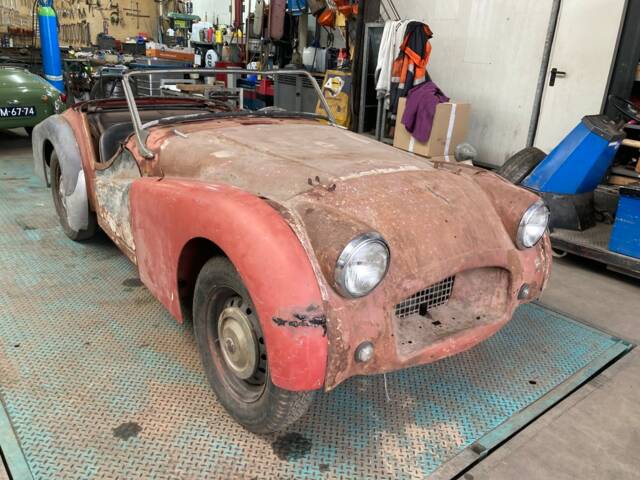
1955 | Triumph TR 2
Triumph-TR2 Rob Slotemaker
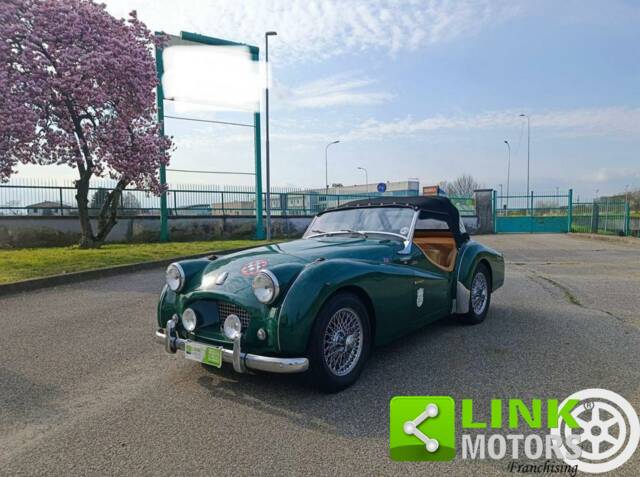
1955 | Triumph TR 2
TRIUMPH TR2 GUIDA A DESTRA, ISCRITTA ASI
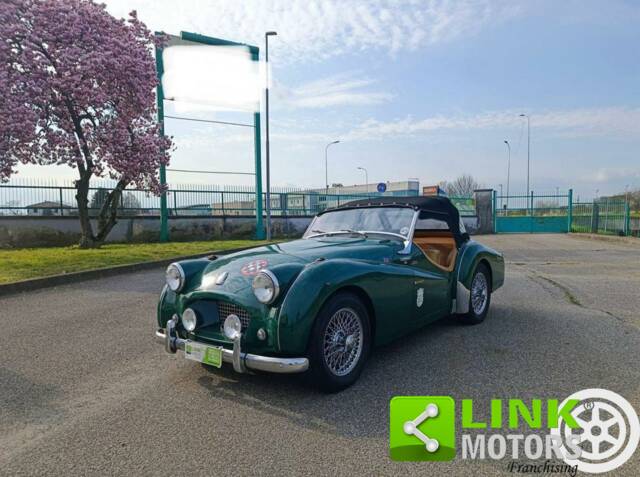
1955 | Triumph TR 2
TRIUMPH TR2 GUIDA A DESTRA, ISCRITTA ASI
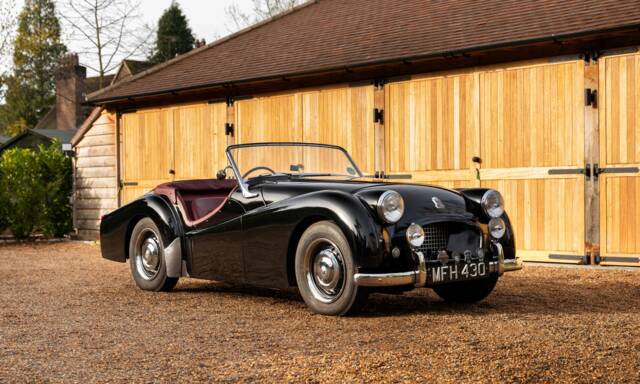
1954 | Triumph TR 2
1954 Triumph TR2 (Long Door)
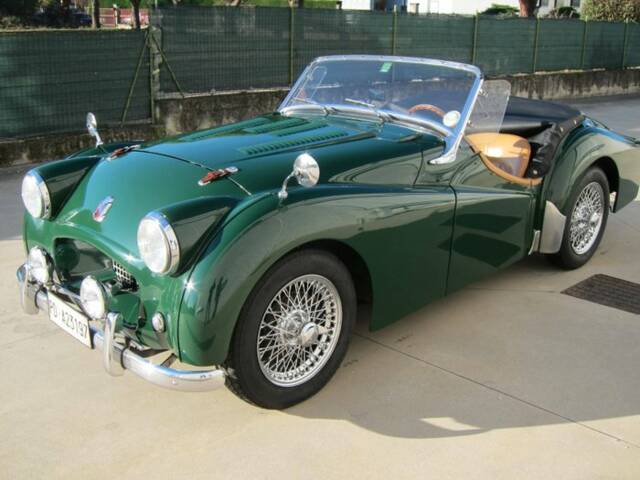
1954 | Triumph TR 2
Triumph - TR2 Long Door - 1954
Triumph TR 2 Classic Cars: Prices & Market Values
History of the Triumph TR2
The Triumph TR2 emerged from Triumph’s ambition to challenge MG’s American market success after the outdated Roadster became outclassed. Prototyped as the 20TS and further developed with input from racer Ken Richardson, the TR2 debuted at the 1953 Geneva Motor Show. Produced in Canley, Coventry, the car quickly became a favourite among enthusiasts for its competitive price (£600 in 1953) and versatile design, setting the standard for the TR range that would follow. The TR2 paved the way for subsequent Triumph roadsters, culminating in production of 8,636 units before being succeeded by the TR3 in 1955.
Model History
The TR2 followed the Triumph Roadster and is recognised as the first fully-fledged model of Triumph’s renowned TR series. Its predecessor, the Roadster, struggled with limited performance, leading to the development of the 20TS prototype and the eventual TR2. By 1955, the TR3 took over, building upon and refining many of the TR2’s successful features, such as competition-proven engineering and a sporting focus. The TR2’s production run included around 4,000 special ‘long door’ models, known for their unique bodywork.
Highlights and Special Features
Distinctive details like the ‘long door’ bodywork (ending below the sill line), a robust 2.0-litre four-cylinder engine and sought-after British Racing Green paintwork are just a few highlights. At a kerb weight of roughly 900kg and with options such as wire wheels and optional Overdrive, the TR2 offered engaging performance and rally eligibility (Mille Miglia, Le Mans, Tourist Trophy). The interior combined period-correct leather seats, classic four-spoke steering wheel and minimalist instrumentation, typically colour-accented to match the exterior. Many cars were supplied as right-hand drive for the UK and left-hand drive for export, especially to the US, marking Triumph’s international ambitions.
Technical Data
Special Editions and Collectible Models
Among the approximately 8,636 TR2s built, about 4,000 featured the rare 'long door’ bodywork, easily identifiable by doors extending below the sill line. Early examples also have distinctive grille designs, with early chrome features painted in body colour. Factory hardtops, original toolkits, and dealer-supplied Heritage Certificates add further collectibility to specific vehicles.
Weak Spots and Common Issues
While comprehensive known issues are not detailed here, period-correct TR2s may present typical classic car aging such as chassis corrosion, wear on drum brakes and suspension bushings, and potential issues with original wiring or matching numbers. It's advisable for collectors to verify the authenticity of key components (engine, transmission, chassis numbers) as Heritage certificates and documentation enhance value and provenance. Many original TR2s were converted or restored, so attention to period-correct details is key.
Engine, Performance, Transmission and Handling
The heart of the TR2 is its robust 2.0-litre four-cylinder, producing up to 94 hp and offering spirited acceleration, thanks in part to the car’s light kerb weight. Standard four-speed transmission delivers direct engagement, with Overdrive optional for more relaxed high-speed cruising. The TR2's suspension – double wishbones up front and solid rear axle with leaf springs – prioritises driver feedback and cornering agility. Standard drum brakes require attentive maintenance but can be retrofitted with TR3 disc brakes for improved performance. The nimble ride and balanced handling make the TR2 suitable for historic road rallies and spirited drives. Key variants include the ‘long door’ early production TR2s, and cars with factory Overdrive, wire wheels, and rare factory hardtops. Vehicles retaining matching numbers and original documentation (Heritage Certificates) are particularly valued.
Interior, Comfort, Exterior and Design
Designed with a minimalist British sports car philosophy, the TR2 features a long bonnet, flowing wings, and a purposeful two-seat cockpit. Interior appointments include leather seats (often with matching carpets), a four-spoke steering wheel, and minimal but functional instrumentation. Notable exterior elements include removable side-screens, classic grille designs, and a range of period-correct colours like British Racing Green, Ice Blue, Primrose Yellow, and signal red. Wire wheels with central locking, tonneau covers, and the extremely rare factory hardtop represent popular period accessories. Early “long door” models have distinctively deeper doors and body-coloured grille surrounds.
Other Features and Details
TR2s were supplied mostly in right-hand drive for the UK market, but a large volume was exported as left-hand drive models, mainly to the US. Rally participation – such as the Mille Miglia and Le Mans – reinforces the TR2’s competition provenance. Many vehicles carry full toolkits, jacks, spare wheels, and rare heating units. Heritage certificates confirm matching numbers, original colours, and factory equipment. Collectors value correct chassis numbers and authentic restoration details.
Summary
The Triumph TR2 captivates with its accessible performance, authentic British roadster design, and motorsport legacy. Whether in ‘long door’ early form or equipped with rare factory accessories, the TR2 delivers a pure-bred driving experience. Its technical simplicity, competition history and collector documentation ensure ongoing interest for enthusiasts seeking an original post-war British sports car.