- Automobil
- Rolls-Royce
- Rolls-Royce Phantom (46 Angebote)
Rolls-Royce Phantom Classic Cars for Sale
The Rolls-Royce Phantom stands for unparalleled craftsmanship and exclusivity among classic luxury cars. With a production history starting in 1925 and continuing across numerous iconic generations, the Phantom features hand-built bodies, bespoke interiors, and technical innovations that notably set each model apart.
Suchergebnisse
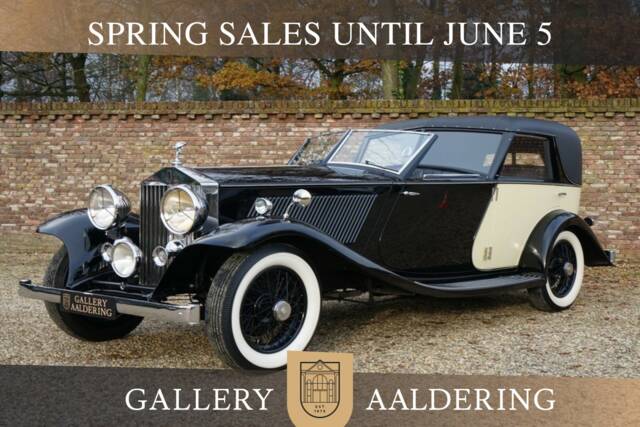
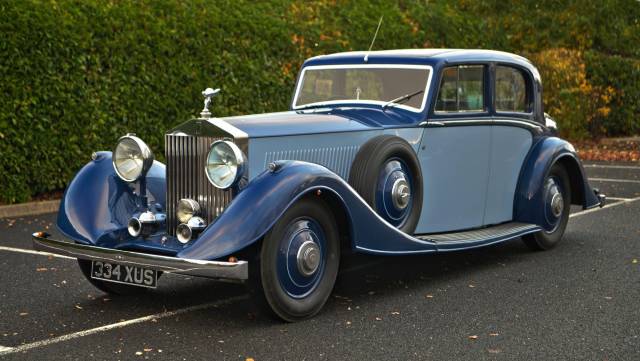
1933 | Rolls-Royce Phantom II Continental
Rolls-Royce 20/25 "Freestone and Webb" PRICE REDUCTION unique handmade body, fully restored.
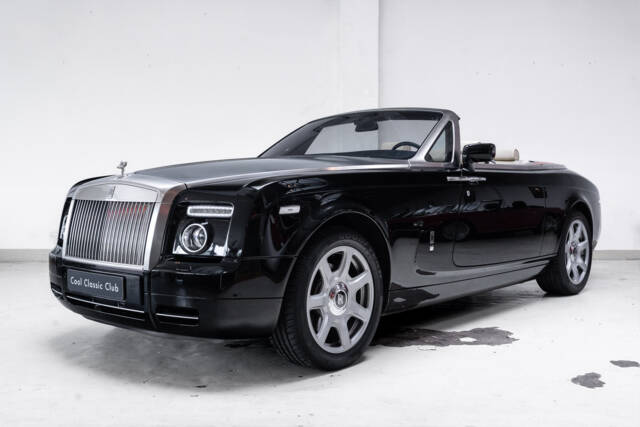
2008 | Rolls-Royce Phantom DHC
Full Service History - Teak Deck - Belgium Delivered -
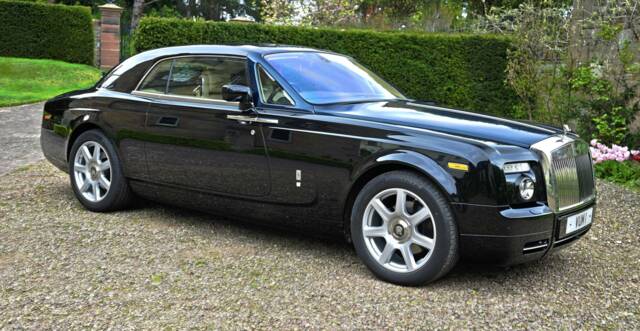
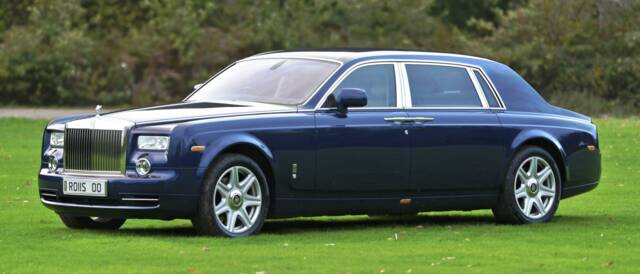
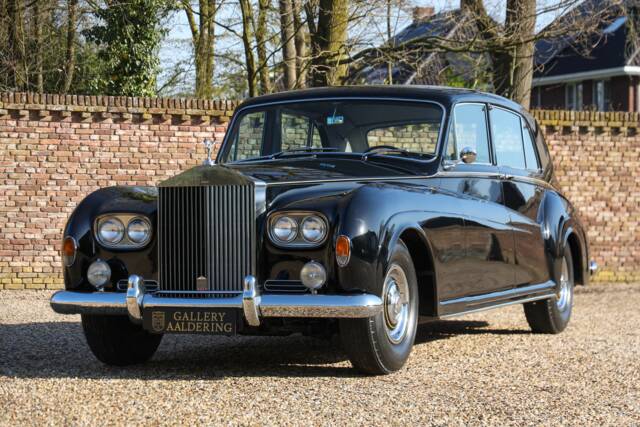
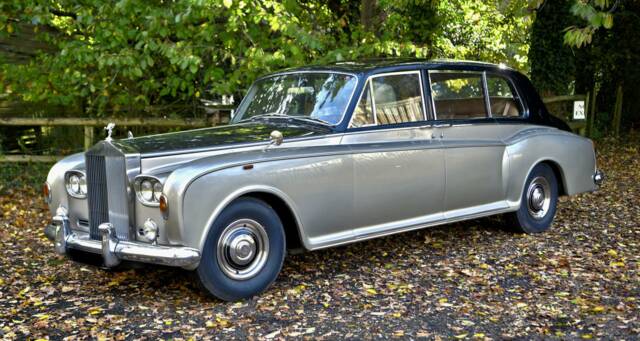
1962 | Rolls-Royce Phantom V James Young
Rolls Royce Phantom V by James Young "The 1962 Paris Salon-Porte de Versailles" The condition is unique and pristine—maintained by specialists en experts, Directly from Paris to the first family - Mr and Mrs Washington in Mougins-France,Extensive history file, Sitting in this Rolls-Royce is a world of its own and truly unique,Exclusively manufactured - Only 13 built, Recently serviced thoroughly,
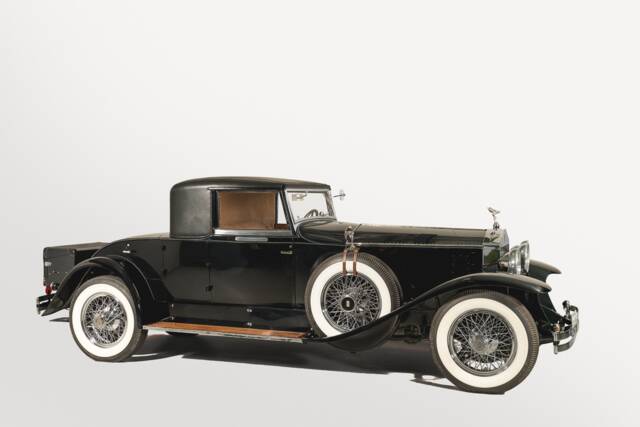
1929 | Rolls-Royce Phantom I
BREWSTER REGENT COUPÉ
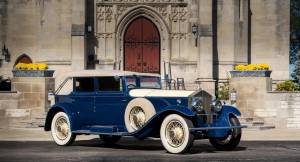
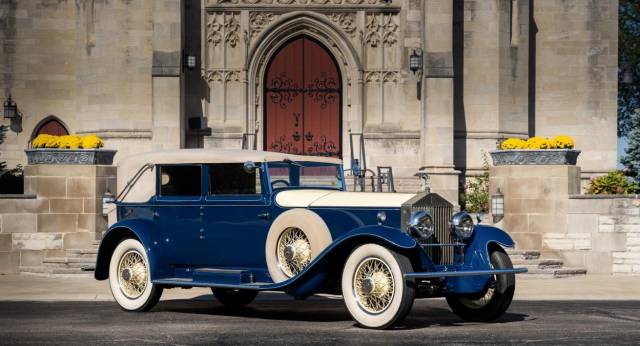
1930 | Rolls-Royce Phantom I
Rolls-Royce Phantom 1 Imperial Faux Cabriolet
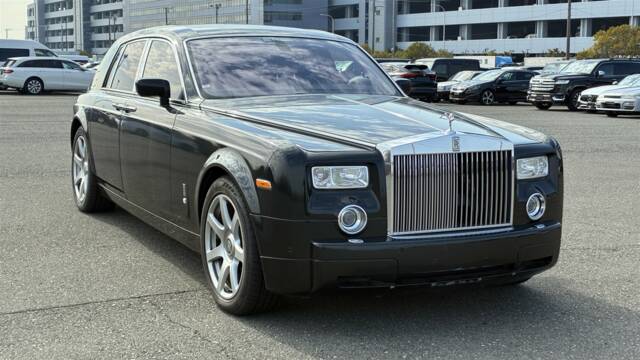
2004 | Rolls-Royce Phantom VII
Beautiful and Exclusive
VAT is reclaimable
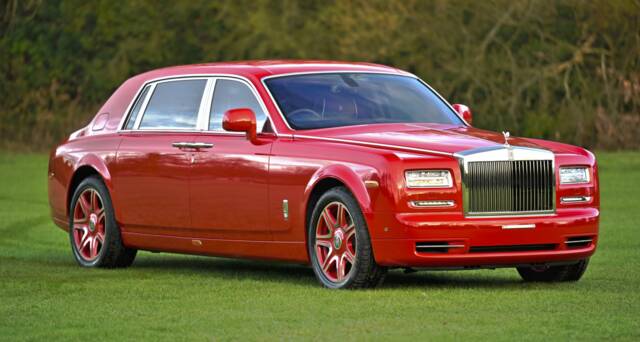
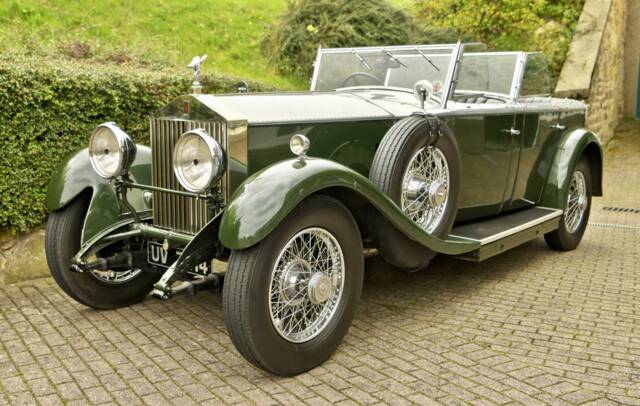
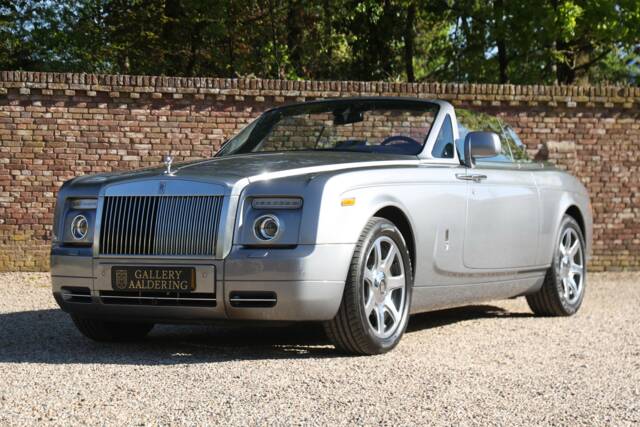
2009 | Rolls-Royce Phantom DHC
Rolls Royce Phantom Drophead Coupé "One of the finest" Livery in "Jubilee Silver" with Black/Creme Light leather and Piano Black veneer, Low mileage Phantom DHC in pristine condition,Extremely well-maintained European spec car, "A spirit-lifting motorcar dedicated to delivering the essentials of pleasure", History documented in books and invoices,The ultimate colour combination with the beloved chrome exhaust tips,
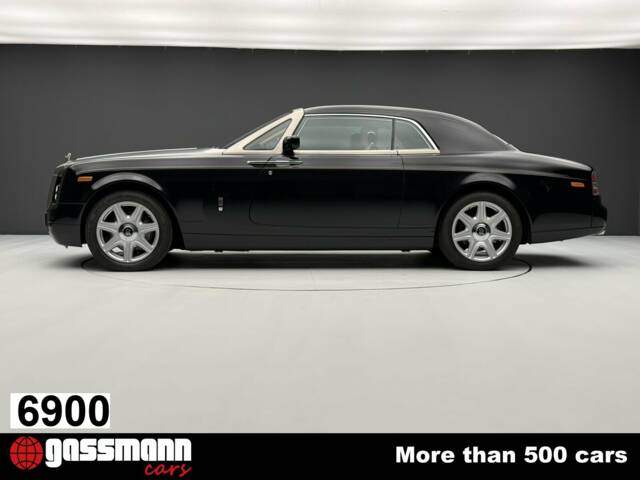
2009 | Rolls-Royce Phantom Coupé
Phantom Drophead Coupe 6.7L V12 - Nur 141 KM
Rolls-Royce Phantom Classic Cars: Prices & Market Values
The market value of Rolls-Royce Phantom classic cars is primarily determined by the specific manufacturer code and variant, as well as technical condition, originality and mileage. Additional factors include rarity, history and documentation. A well-maintained, largely original vehicle with low, verifiable mileage and complete history including appraisals and documentation typically achieves significantly higher prices than a comparable vehicle with deferred maintenance, many modifications or unclear provenance.
Rolls-Royce Phantom: Market Prices & Value Trends
Based on Classic Trader marketplace sales data, the Rolls‑Royce Phantom market in Europe and the UK has remained broadly stable with a mild upward bias at the top end over the period from early 2021 to January 2026, but pricing is highly segmented by generation. Modern “new-era” cars such as the Phantom VII (2003–2014) most often sit in the accessible luxury bracket, typically around €90,000–€160,000 (£75,000–£135,000) depending on mileage and specification, suggesting a steady, liquid market. Rarer derivatives and higher-ticket models push values further: Phantom Drophead Coupé and Phantom Coupé examples commonly cluster around €200,000–€300,000+ (with some higher asks), reflecting limited supply and strong collector demand. Pre‑war Phantoms (I–III, late 1920s–1930s) show the widest spread, but realistic market levels are frequently in the €90,000–€200,000 range, with coachbuilt provenance and restoration quality driving premiums. For buyers, this points to a stabilising core market with appreciation concentrated in scarce body styles and well-documented cars, rather than across all Phantom listings.
History of the Rolls-Royce Phantom
Since its introduction in 1925, the Rolls-Royce Phantom has defined the British marque's commitment to uncompromising luxury and engineering. The Phantom's lineage is the longest-running model nameplate in automotive history, spanning eight generations. Early Phantoms were delivered as chassis, with custom bodies built by renowned coachbuilders such as Mulliner, Park Ward, Hooper, and Barker. The Phantom’s reputation grew as the preferred choice for royalty, aristocracy, and heads of state, providing a unique blend of comfort, technological progress, and status. Models such as the Phantom IV, with only 18 units produced, were exclusively delivered to the world's most powerful figures, reinforcing the Phantom’s exceptional status in automotive history.
Model History: Phantom Generations
The Phantom’s family tree starts with the 7.7-litre Phantom I, which replaced the Silver Ghost and introduced technical refinements like overhead valves and multi-valve cylinder heads. The Phantom II (1929–1935) marked further advances with its revised chassis and improved straight-six engine. The Phantom III (1936–1939) debuted Rolls-Royce’s first V12 engine, featuring independent front suspension. Post-war, the exclusive Phantom IV (1950–1956) was powered by a straight-eight and aimed at royalty. The V8-powered Phantom V (1959–1968) and VI (1968–1991) continued the tradition of state limousines. The BMW-era Phantom VII (2003–2016) introduced the aluminium spaceframe and modern electronics, while the current Phantom VIII (from 2017) refines the formula further with a 6.75-litre V12 and digital innovation.
Highlights of the Rolls-Royce Phantom
Every Phantom features generous use of luxury materials—leather, rare woods, thick carpets—and is a technological showcase of its era. Signature details include the imposing grille with the Spirit of Ecstasy, hand-crafted interiors, cocktail cabinets, privacy partitions for chauffeur models, and, in modern examples, bodyside umbrellas and a starlight headliner. Many Phantoms are identified by individual provenance, celebrity or royal ownership, and a multitude of custom features.
Technical Data
Special Editions and Collectible Models
The rarest Phantom is the Phantom IV (1950–1956), with only 18 built and all but one sold to royalty or government. Highly bespoke editions—such as Mulliner Park Ward Landaulets, state limousines, and unique orders for celebrities and business magnates—have been produced throughout the generations, making many Phantoms one-of-a-kind by virtue of their collaboration with world-renowned coachbuilders or through the ‘Bespoke’ personalisation program available in recent models.
Engine, Performance, Transmission and Handling
The Phantom models provide a distinctly smooth and powerful driving experience, with ample torque and a focus on refined ride quality. Pre-war models offered around 120 PS and top speeds of up to 145 km/h in the Continental versions. The introduction of V8 and later V12 powertrains ensured effortless cruising and robust acceleration despite the considerable weight. Modern Phantoms feature sophisticated air suspension for exceptional comfort. Chassis development has always prioritised ride quality—making the Phantom as suitable for chauffeur duties as for the driving enthusiast. Notable examples include the Phantom II Continental for its increased agility and the BMW-era Phantom VII for combining heritage with cutting-edge technology.
Interior, Comfort, Exterior and Design
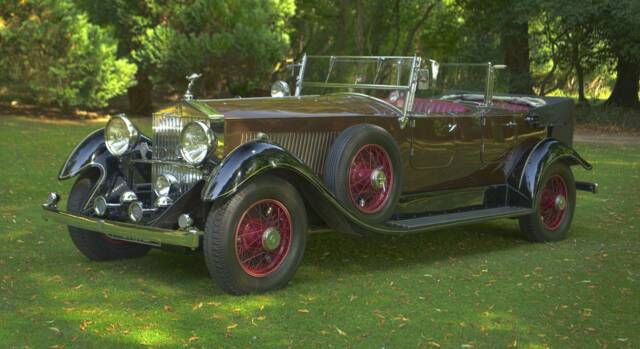
The Phantom silhouette is dominated by its large grille and rakish bonnet, crowned with the ‘Spirit of Ecstasy’. Interiors are upholstered in high-grade leathers, fine woods (such as mahogany, walnut, and oak), and dense carpets. Features often include cocktail cabinets, folding picnic tables, privacy glass, and complex climate systems. Many cars offer sunroofs, division windows, and modern iterations house innovative features like electrically operated doors, starlit headliners, and highly customisable trim. Coachbuilt examples display striking individual bodywork—Landaulets, Cabriolets, Sedancas and Shooting Brakes—as well as rare paintwork, pinstripes, and chromed accents.
Other Notable Features
Phantom models have played significant roles in history: as state limousines, ceremonial vehicles, and in popular culture, notably appearing in classic films and royal processions. Innovations include mechanical and later servo-assisted brakes, independent suspension, and (from the Phantom VII onwards) a comprehensive suite of electronic driver aids and infotainment systems. Highly detailed ownership provenance and bespoke tailoring to the original client’s wishes are a fixture of most Phantom histories.
Summary
Owning a Rolls-Royce Phantom means joining an exclusive history of automotive excellence, with each model representing a unique combination of technical innovation, bespoke craftsmanship, and historic importance. With all classic Rolls-Royce listings in our system identified as Phantoms, both supply and demand are centred on this singular expression of automotive luxury.