Peugeot 504 classic cars for sale
The Peugeot 504, produced from 1968 to 1983 in France and under licence in other countries until 2005, is renowned for its robust engineering, elegant lines by Pininfarina, and a broad spectrum of body styles. Its adaptability, comfort and reliable mechanicals secure it a prominent place among classic saloons, estates, coupés, cabriolets and even pickups. Explore the variety of preserved examples and discover the unique charm and technical strengths of the 504.
Search results
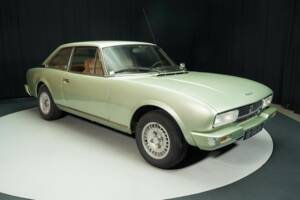
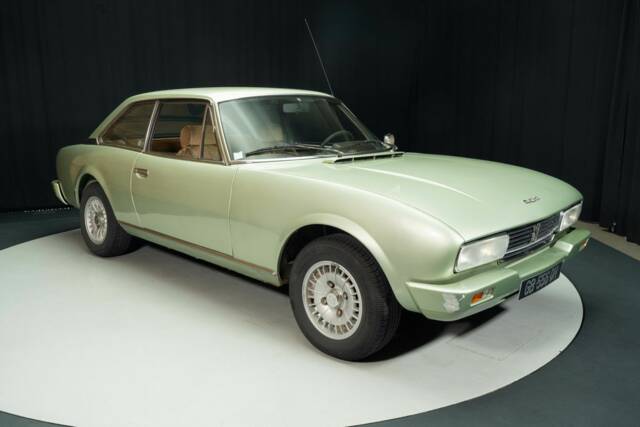
1979 | Peugeot 504 Coupé
Peugeot 504 Coupe | 1979 | Route 66 Auctions - For sale by auction. Estimate 7500 EUR

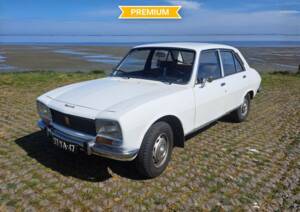
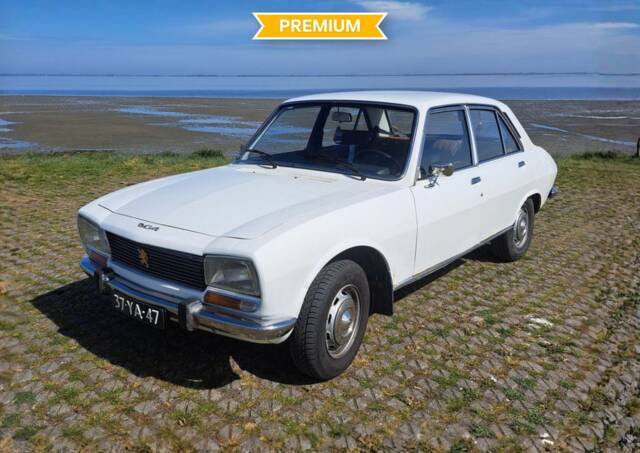
1976 | Peugeot 504 GL
Peugeot 504 GL | 1976 | Route 66 Auctions - For sale by auction. Estimate 3500 EUR
Auctions ending soon

Loading…
Loading…
Loading…
Loading…
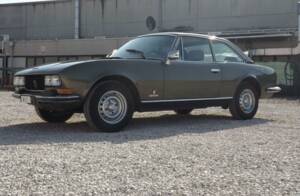
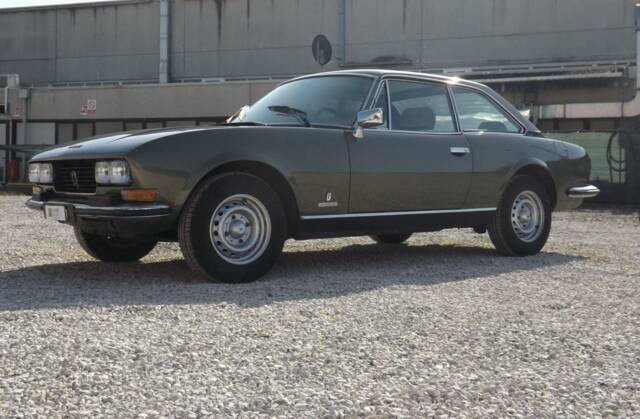
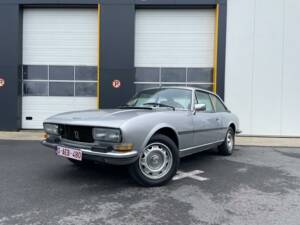
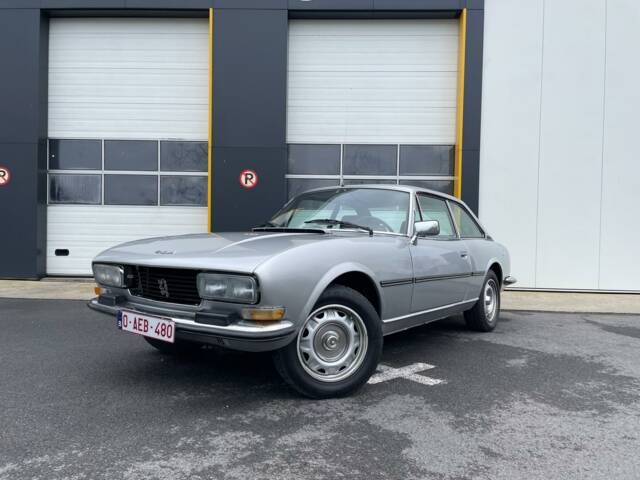
1980 | Peugeot 504 V6 Coupe
Peugeot 504 coupé V6 TI

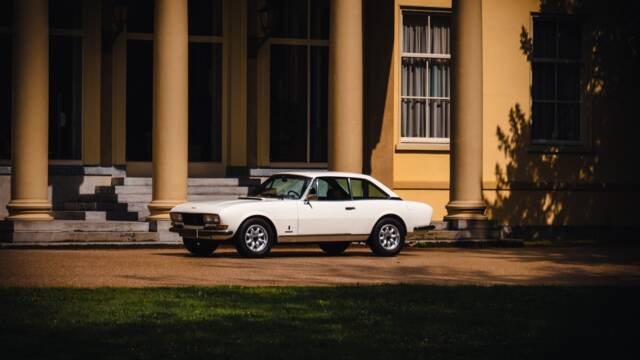
1979 | Peugeot 504 Coupé
White Peugeot 504 Coupé from 1979 – Classic French Elegance
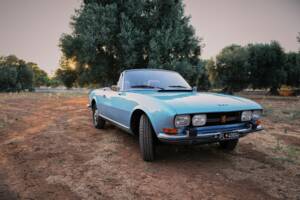
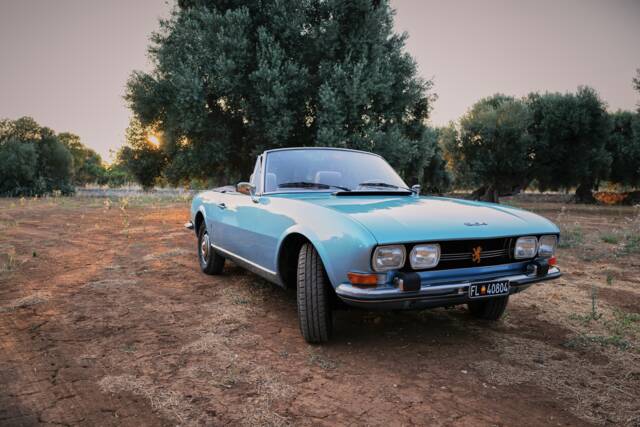
1974 | Peugeot 504 Convertible
1974 Peugeot 504 Pininfarina Cabriolet 2.0 Injection (Kugelfischer) | Fully Restored | Swiss Historic Registration | 61,000 km

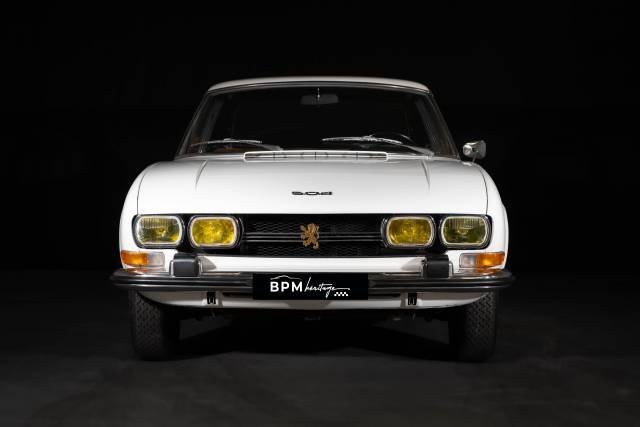
1972 | Peugeot 504 Coupé
29000 km d'origine

1970 | Peugeot 504 Convertible
Peugeot 504 cabriolet
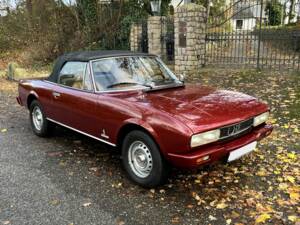
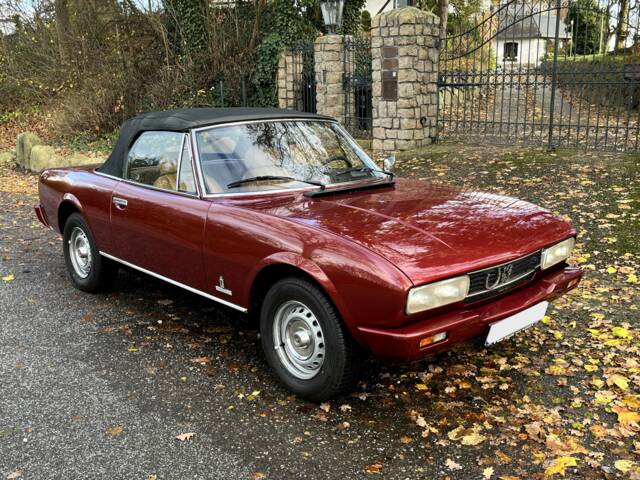
1980 | Peugeot 504 Convertible
Peugeot 504 Cabriolet (1980) – TÜV 07/2027 – Pininfarina – Classic Data Gutachten
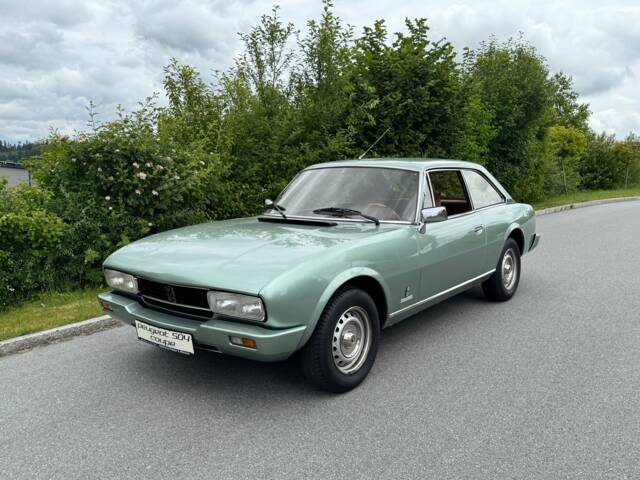
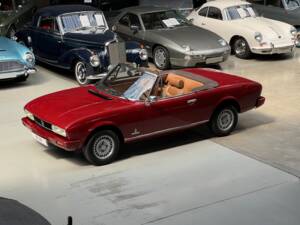
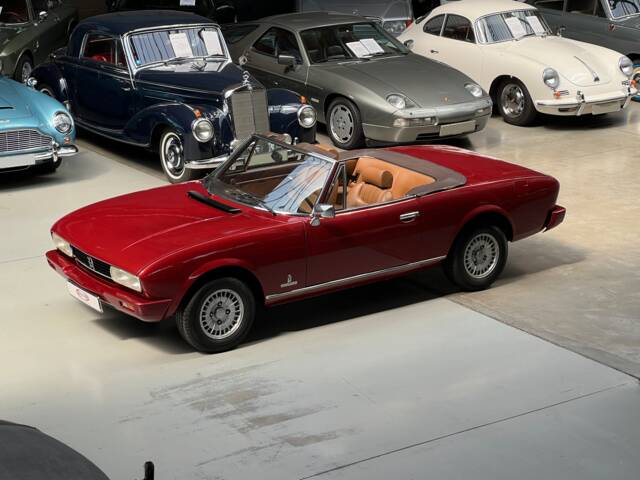
1981 | Peugeot 504 Convertible
Amaryllis
Peugeot 504 listing references from Classic Trader
Below you will find listings related to your search that are no longer available on Classic Trader. Use this information to gain insight into availability, value trends, and current pricing for a "Peugeot 504" to make a more informed purchasing decision.
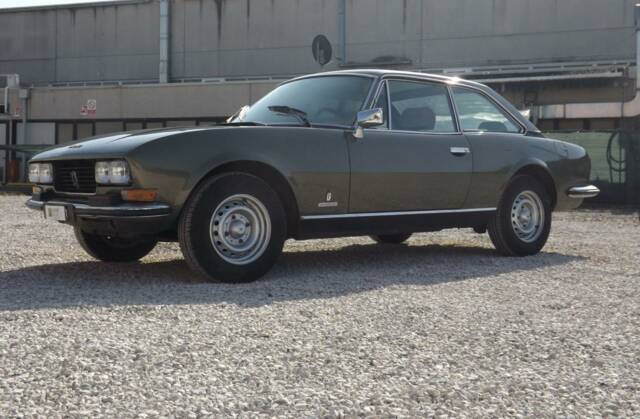
1981 | Peugeot 504 Coupé
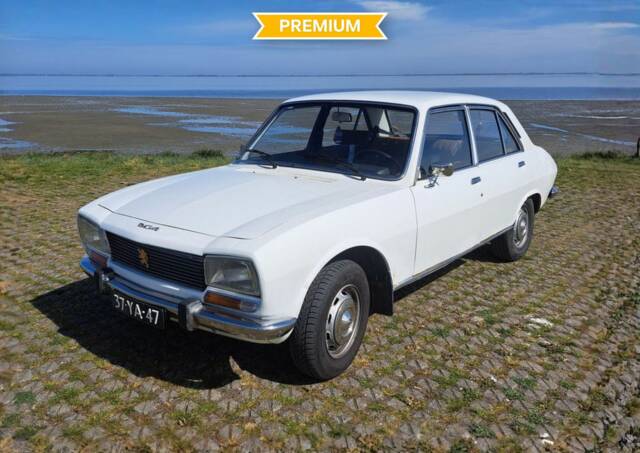
1976 | Peugeot 504 GL
Peugeot 504 GL | 1976 | Route 66 Auctions - For sale by auction. Estimate 5500 EUR
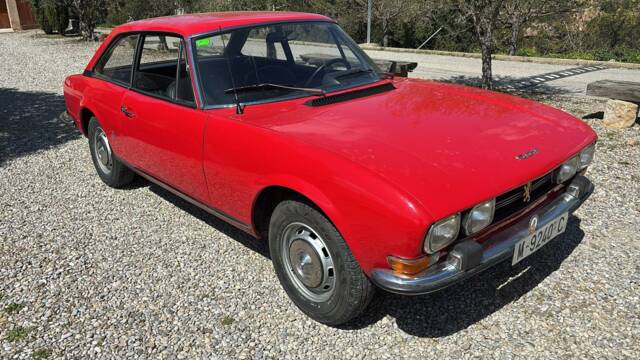
1972 | Peugeot 504 Coupé
Peugeot 504 Coupé Pininfarina (1972) – A Jewel on Wheels

Peugeot 504 Classic Cars: Prices & Market Values
The market value of Peugeot 504 classic cars is primarily determined by technical condition, originality and mileage, as well as rarity, history and documentation. A well-maintained, largely original vehicle with low, verifiable mileage and complete history including appraisals and documentation typically achieves significantly higher prices than a comparable vehicle with deferred maintenance, many modifications or unclear provenance.
Peugeot 504: Market Prices & Value Trends
Based on Classic Trader marketplace sales data from January 2021 to January 2026, the Peugeot 504 market in Europe looks broadly stable to gently firming, with the strongest demand centred on the Pininfarina-bodied Coupé and Convertible from the early 1970s to early 1980s. Most recent asking prices cluster in the mid-five figures for top open cars, while usable Coupés tend to sit notably lower, suggesting a market that rewards condition, originality and provenance rather than headline rarity alone. Ignoring clear outliers (such as an isolated €450,000 entry), a realistic current range for Peugeot 504s on Classic Trader is roughly €10,000–€50,000, with most Coupés typically around €15,000–€30,000 and Convertibles commonly €30,000–€50,000; special-interest V6 examples can sit towards the upper end when correctly presented. German and Dutch listings dominate the sample, indicating active cross-border supply and price transparency. Overall, values appear supported by limited surviving numbers, elegant styling and improving collector recognition for 1970s French grand touring classics.
History of the Peugeot 504
Launched in 1968 as a successor to the Peugeot 404, the 504 embodied a modern shift in Peugeot’s upper mid-size segment. The design, penned by Pininfarina, introduced refined European aesthetics combined with solid mechanical engineering. 1969 saw the 504 claim the prestigious Car of the Year award, quickly broadening its lineup to include saloon, estate (Break), 7-seater Familiale, Commerciale, Coupé, Cabriolet, and a robust Pickup that became a workhorse around the globe. European production of the limousine ended in 1981, while estates lasted until 1982. The elegant Coupé and Cabriolet rolled off the lines till mid-1983. Remarkable for its durability, over 3.7 million units were built, with production continuing as late as 2005 in markets such as Nigeria and Argentina. In Peugeot history, the 504 stood for resilience and international appeal, ultimately replaced by the Peugeot 505 in 1979.
Model History
The Peugeot 504 traces its roots to the Peugeot 404 and introduced several improvements—most notably, its advanced independent suspension and refined bodywork. After debuting as a four-door saloon (Berlina), the model line rapidly expanded to Kombi (Break), Familiale, Commerciale, stylish Coupé, Cabriolet, and rugged Pickup variants. The Coupé and Cabriolet featured shorter wheelbases and Italian design DNA by Pininfarina, setting them apart as distinctly elegant. Powertrains evolved from the 1.8-litre carburetted and injection petrol units to a 2.0-litre inline four, culminating in the introduction of a 2.7-litre PRV V6 (shared with Renault and Volvo) for the upmarket Coupé and Cabriolet from 1974. Production for European passenger models concluded in the early 1980s, but utility and export models continued into the new millennium.
Highlights of the Peugeot 504
The 504 stood out for its body style diversity – four-door saloon, wagons, coupés, cabriolets, and pickups – each meticulously engineered. Advanced independent suspension, strong disc brakes, and a rear-wheel drive platform furnished remarkable ride quality and predictability for its era. The Coupé and Cabriolet, crafted by Pininfarina, are considered reference points for classic European elegance. The 504 was famed for pioneering fuel injection in its class (Kugelfischer or later Bosch systems) and robust diesel engines, particularly in export markets.
Technical Data
Special Editions and Collectible Models
Noteworthy variants include the TI (with more powerful injection engines and higher comfort levels), rare automatic transmission models, and the limited V6-powered Cabriolets (fewer than 1,000 produced). The Pickup, practical with a one-ton payload, became especially valuable in export markets. Optional factory equipment included leather or velour trim, metallic paint, special hardtops for Cabriolets, and Jaeger instrument clusters.
Engine and Performance, Transmission and Handling
Peugeot 504 models delivered a range of driving experiences—from relaxed cruising in the saloon and Break to more spirited performance in the Coupé and Cabriolet, particularly with the V6 or upgraded 2.0-litre fuel-injected engines. Rear-wheel drive, four-wheel disc brakes, and advanced suspension provided superior comfort and surprising agility by 1970s standards. Top speeds reached up to 180 km/h in some petrol models. The five-speed manual and smooth automatics (in rare Coupé/Cabriolet) underscored the breadth of the range, while Diesels became workhorses in commercial and export applications. - Coupé V6: 2.7L V6 engine, 136 PS, 5-speed gearbox
- Berlina 2.0i: 4-cylinder fuel-injected, 106 PS, automatic/5-speed manual
- Pickup Diesel: 2.3L Diesel, notable for reliability and utility
Interior, Comfort, Exterior and Design
Pininfarina’s influence is visible in the Coupé and Cabriolet’s flowing lines, harmonious proportions and elegant details. Chromed bumpers and period-typical accents grace earlier models, while the 1975 facelift introduced flush-mounted door handles and a modernised dashboard. Interior options ranged from robust vinyl to plush velour and leather, with cabin designs often in brown and tan hues. Equipment like factory sunroofs, air conditioning, Jaeger dials, and original radios highlighted the advanced comfort for its time. Optional extras included Dunlop/Michelin alloys, hardtops for convertibles, and Moto-Lita steering wheels. Features such as 7-seat Familiale and expansive boot volumes reflect the 504’s everyday usability alongside classic panache.
Other Noteworthy Features
The 504’s international success story includes assembly in Argentina, Kenya, Nigeria, and China, and its reputation for endurance was cemented in brutal African rally raids. It was nicknamed 'La Reine de la Route' (The Queen of the Road) and known as the 'French Mercedes' in some markets. Spare parts remain widely available due to continued use in Africa, and Peugeot’s build quality ensures many 504s are still on the road today.
Summary
The Peugeot 504 set a standard in the upper mid-size class for design refinement, mechanical consistency and versatility in use. With production spanning five continents and over 37 years, the 504 remains a central classic for Peugeot enthusiasts. Its robust construction, diverse model offerings and comfort-focused engineering have preserved its relevance far beyond its production era.