- Car
- Mercedes-Benz
- Mercedes-Benz 540 (5 offers)
Mercedes-Benz 540 Classic Cars for Sale
The Mercedes-Benz 540 is considered the summit of German automotive engineering from the pre-war era. Produced between 1936 and 1940, the 540 impresses with its advanced eight-cylinder supercharged engine, a host of bodywork options, and a reputation for performance and luxury that set new standards among luxury automobiles of its day.
Search results
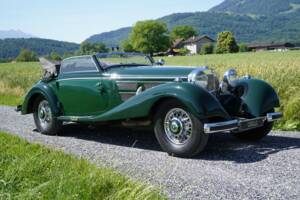
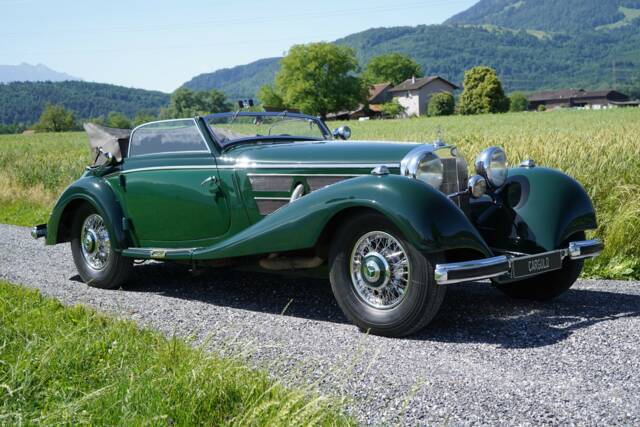
1937 | Mercedes-Benz 540 K Cabriolet A
Sport - Eines von 32! Ex Prinz Bernhard der Niederlande

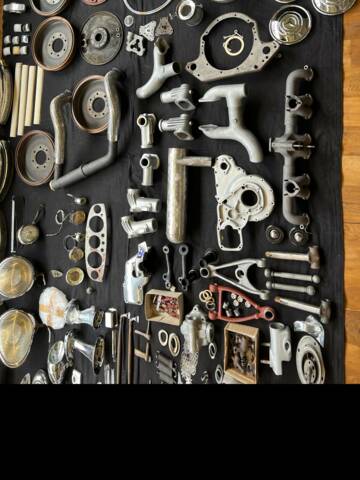
1937 | Mercedes-Benz 540 K
Spare Parts Collection
VAT is reclaimable

Auctions ending soon

Loading…
Loading…
Loading…
Loading…
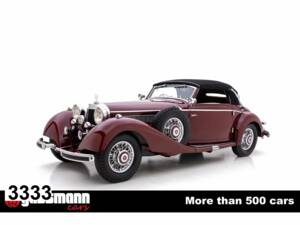
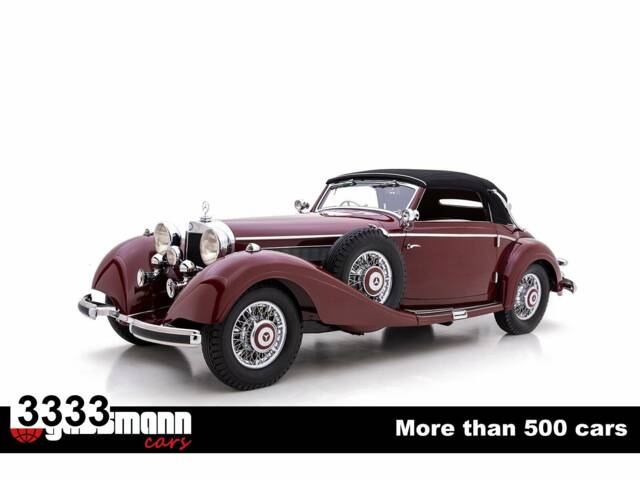
1938 | Mercedes-Benz 540 K Cabriolet A
540 K Cabriolet A by Sindelfingen W29
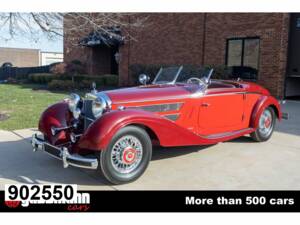
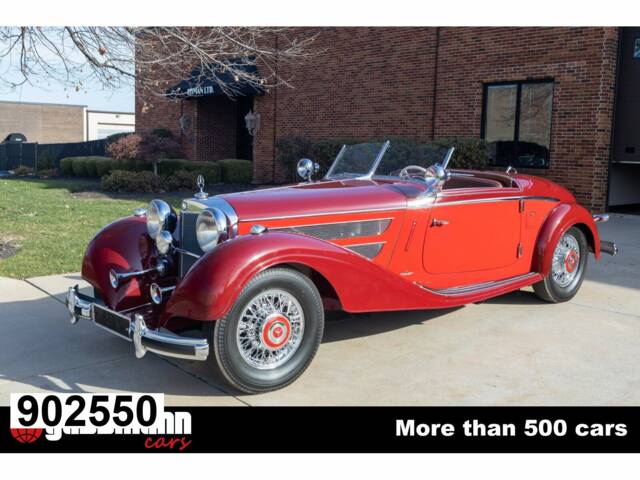
1939 | Mercedes-Benz 540 K Special Roadster
540 K Special Roadster
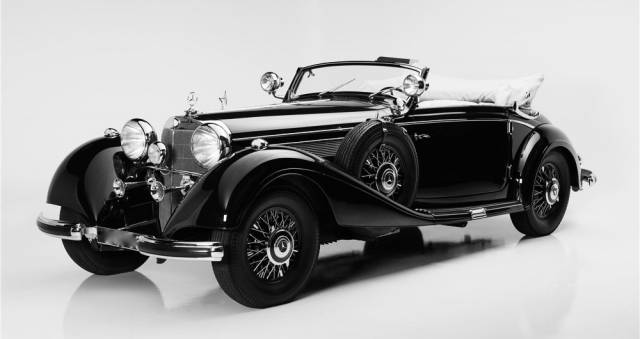

Mercedes-Benz 540 listing references from Classic Trader
Below you will find listings related to your search that are no longer available on Classic Trader. Use this information to gain insight into availability, value trends, and current pricing for a "Mercedes-Benz 540" to make a more informed purchasing decision.
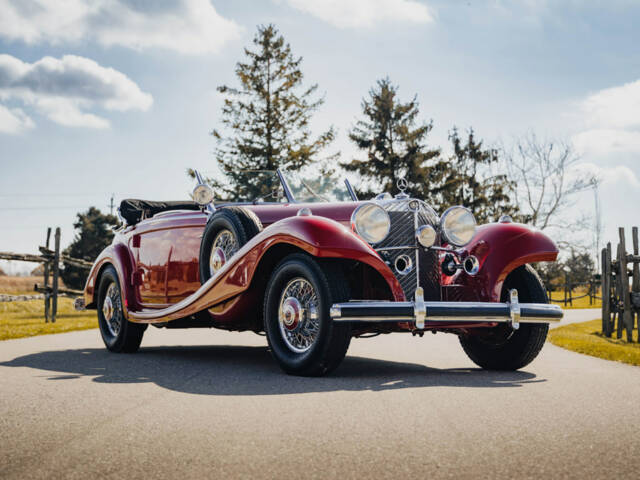
1939 | Mercedes-Benz 540 K Cabriolet A
1939 Mercedes-Benz 540 K Special Cabriolet A by Sindelfingen
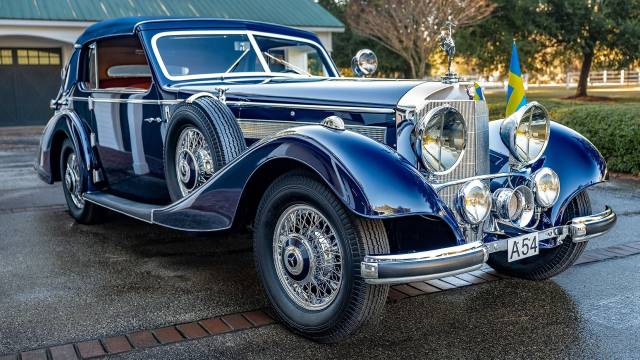
1938 | Mercedes-Benz 540 K
1938 Mercedes-Benz 540 K Norrmalm Cabriolet
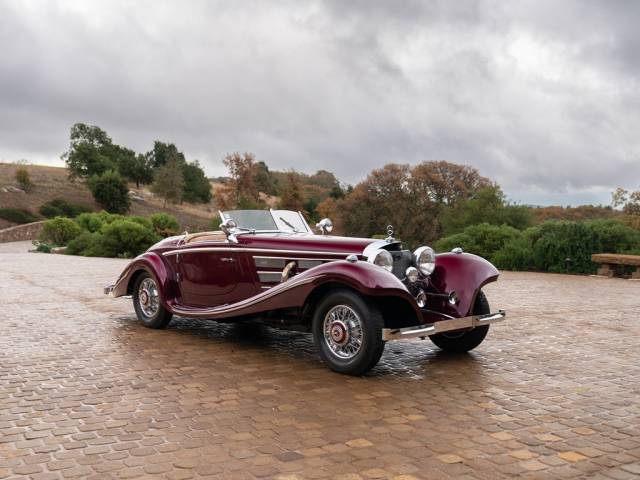
1938 | Mercedes-Benz 540 K Special Roadster
1938 Mercedes-Benz 540 K Special Roadster in the style of Sindelfingen
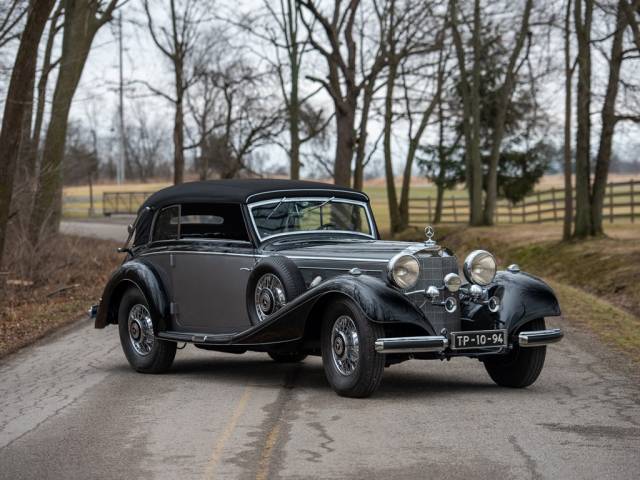
1937 | Mercedes-Benz 540 K Cabriolet B
1937 Mercedes-Benz 540 K Cabriolet B by Sindelfingen
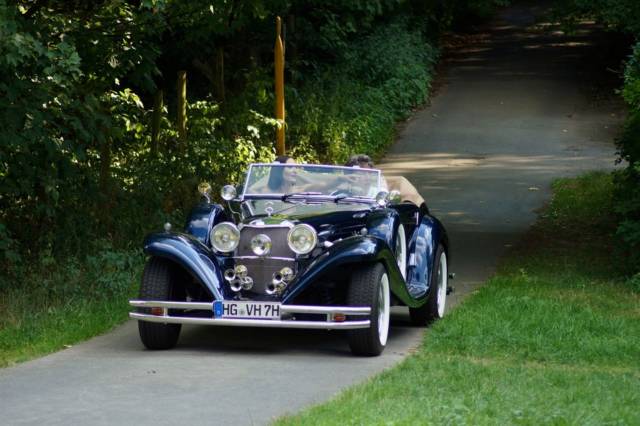
1971 | Mercedes-Benz 540 K Special Roadster
Replica
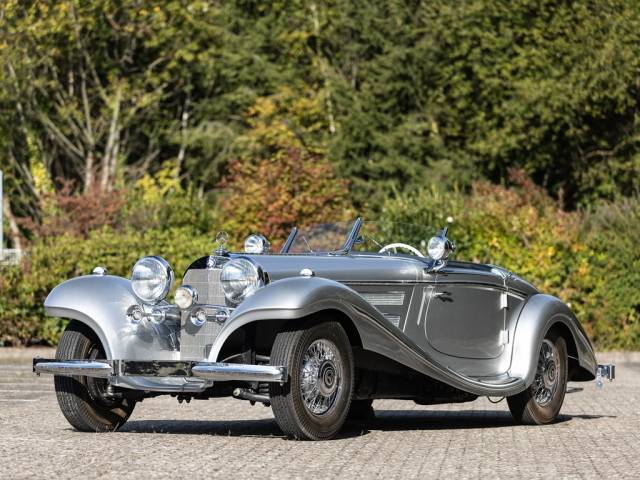
1938 | Mercedes-Benz 540 K Special Roadster
1938 Mercedes-Benz 540 K Special Roadster
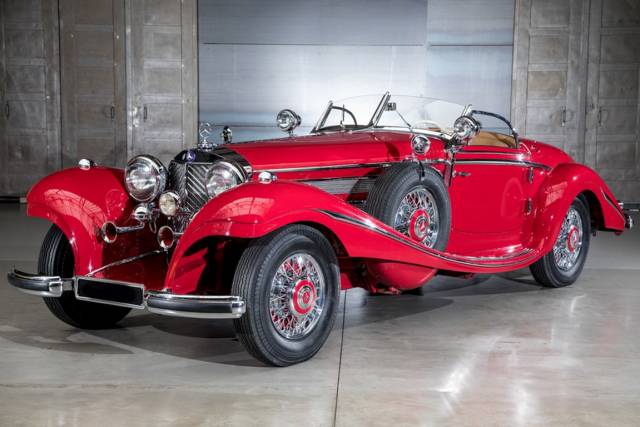
1937 | Mercedes-Benz 540 K Special Roadster
540 K Spezialroadster
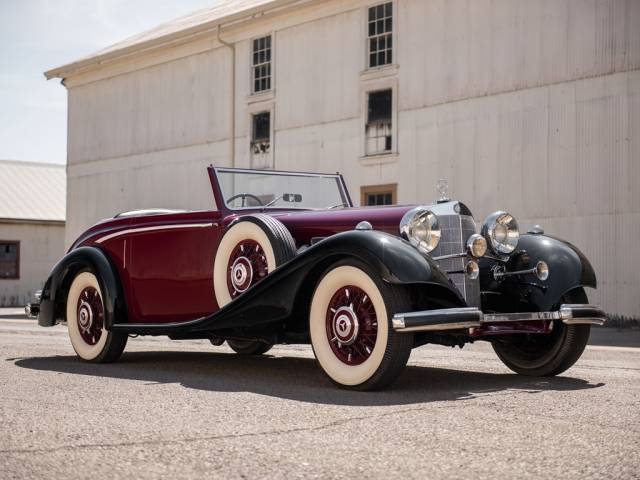
1938 | Mercedes-Benz 540 K Lancefield
1938 Mercedes-Benz 540 K Drophead Coupe by Lancefield
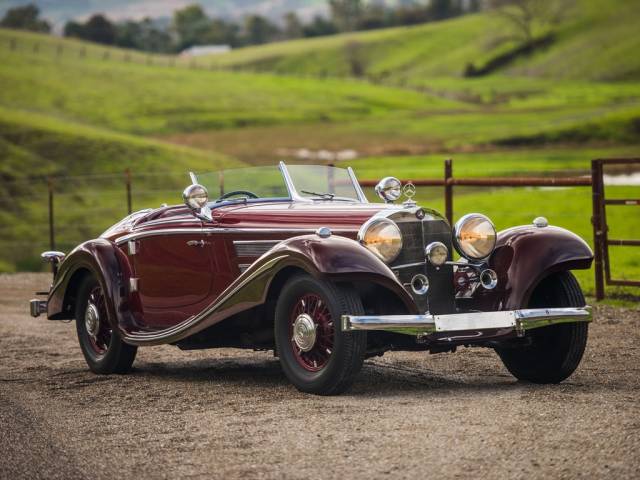
1937 | Mercedes-Benz 540 K Special Roadster
1937 Mercedes-Benz 540 K Special Roadster by Sindelfingen
Mercedes-Benz 540 Classic Cars: Prices & Market Values
History of the Mercedes-Benz 540
The Mercedes-Benz 540 made its world debut at the 1936 Paris Motor Show (Mondial de l’Automobil) as the successor to the 500 K. Developed under engineer Hans Nibel, the 540 continued the legacy started by the Mercedes-Benz 380 and 500 K, taking the concept of the luxury supercharged grand tourer to new heights. From the outset, it was marketed at the top echelons of society and quickly became a favourite among heads of state, industrialists and entertainers seeking exclusivity and sophistication in their automobiles. The model’s production ran from 1936 to 1940, with a total of about 400–419 units, assembled primarily at the Sindelfingen plant. Notably, a small number of chassis were delivered for bespoke coachbuilt bodies, emphasising its customisation potential. The model's high price and limited production solidified its presence as a rarity even in its era.
Model History
The 540 series descends from the Mercedes-Benz 380 (1933) and 500 K, and directly succeeded the 500 K. All models were built on the robust W 29 chassis, with wheelbases mainly at 3,250 mm. Key variations in the 540 line included limousines, tourers, coupés, roadsters, and custom-bodied 'Sonderaufbau' vehicles by both the Sindelfingen works and outside coachbuilders. A progressive evolution saw the introduction of stylistic and mechanical refinements, such as newly shaped fenders, sloping rear decks (notably in the Cabriolet B), and individual factory or custom specification options. Production ended in 1940, with some incomplete chassis bodied as late as 1944.
Highlights and Special Features
The Mercedes-Benz 540 stood out for its technological advancement, performance and class-leading luxury in the pre-war years. Its switchable Roots-type supercharger allowed a remarkable jump from 115 to 180 PS at full throttle, giving it up to 170 km/h—making it one of the fastest production vehicles of its time. Buyers enjoyed a broad spectrum of body styles, from understated saloons to the extravagant Spezial-Roadster, all finished with premium materials such as leather and fine wood. Nearly all 540s could be tailored to individual wishes—ranging from increased fuel capacity and special seating to bespoke instrumentation and exterior details like dual spare-wheel mounts and prominent chrome accents. Mechanically, the independent front suspension with wishbones and coil springs and the swing-axle rear ensured road comfort even at speed or under load. The rarity of the 540 is reflected in market statistics: 100% of Mercedes-Benz W 29 supply relates to the 540 model, and demand for this specific manufacturer code is equally exclusive at 100%.
Technical Data
Special Editions and Collectible Models
Several bespoke models make the 540 series particularly desirable among seasoned collectors. The most celebrated is the Spezial-Roadster, introduced in 1938, priced far above the standard variants and recognised for its sweeping lines and open top. The "Autobahn-Kurier", offered in 1936, stood out for its streamlined body. Around 29 chassis were sold as bare rolling frames for external coachwork, resulting in an array of unique bodies. Individual vehicles were regularly equipped with special features: increased tank volumes, dual headlights, custom seating, or unique dashboard layouts, making each 540 a one-off in many respects.
Weak Spots and Common Issues
Specific details regarding known weaknesses or recurring technical problems for the Mercedes-Benz 540 are not documented in the current inventory data. However, as with any pre-war high-performance car, attention to engine maintenance—particularly the supercharger system, carburation, and lubrication—is essential. Age-related issues in bodywork, chassis rust, wiring and leather or wood trim should be expected given the advanced age of these luxury vehicles.
Engine, Performance & Handling
The 540 impresses with its 5.4-litre straight-eight engine and mechanical supercharger, capable of unleashing up to 180 PS and substantial torque at 3,400 rpm when engaged. The car achieves a maximum speed of around 170 km/h, positioning it among the quickest grand tourers of its day. Manual gearboxes with four or five speeds provided robust power transfer to the rear wheels. Its independent front suspension and swing axle rear offer commendable stability and ride comfort. Standout 540 variations include the Spezial-Roadster—renowned for its performance, open roof, and elegant proportions—as well as the various Cabriolet versions (A, B and C) that offered different seating arrangements and levels of luxury. The streamlined Autobahn-Kurier is a rare aerodynamic highlight, combining speed with distinctive styling. Technical specifics for each variant revolve around the same drive technology but differ in weight, trim, and equipment levels.
Interior, Comfort, Exterior and Design
The Sindelfingen coachworks were responsible for most bodies, with three primary series reflecting evolving fender lines and proportions. Materials tended towards the opulent: extensive use of fine leathers, precious wood veneers, and detailed instrumentation came as standard on many factory bodies. Externally, signature design cues included sweeping wheel arches, wire wheels with chromed hubcaps, dual spare wheels (mounted at rear or flanks), and, in later models, deeper-set fenders and sloped rear tails. Optional accessories for single vehicles included upgraded lighting, unique upholstery patterns, and rare exterior shades. The Spezial-Roadster’s silhouette and minimalist folding top made it a design classic, while even saloons maintained a distinctive road presence.
Other Relevant Features
The 540 was often seen at Europe’s and America’s most prestigious concours events and occasionally in competition entries, reflecting its social and cultural resonance in its era. Even today, surviving vehicles often enjoy significant interest at collector events, exhibitions, and high-profile auctions, underscoring their continuing aesthetic and historical value.
Summary
The Mercedes-Benz 540 stands as a technical and stylistic high point in Mercedes-Benz’s pre-war history. Its rare production numbers, fully customisable specifications, and advanced mechanical features underscored its elite status. With a powerful supercharged engine, broad selection of factory and bespoke bodies, and unmatched attention to detail, the 540 remains a reference point for collectors interested in luxury, craftsmanship, and automotive history.