Maserati Quattroporte classic cars for sale
The Maserati Quattroporte stands as the archetype of the Italian luxury sports saloon, combining high performance with uncompromised comfort, handcrafted details, and a thoroughly unique character. Its six generation lineage from 1963 through recent years makes it a fascinating study in automotive progress and Italian automotive artistry.
Search results
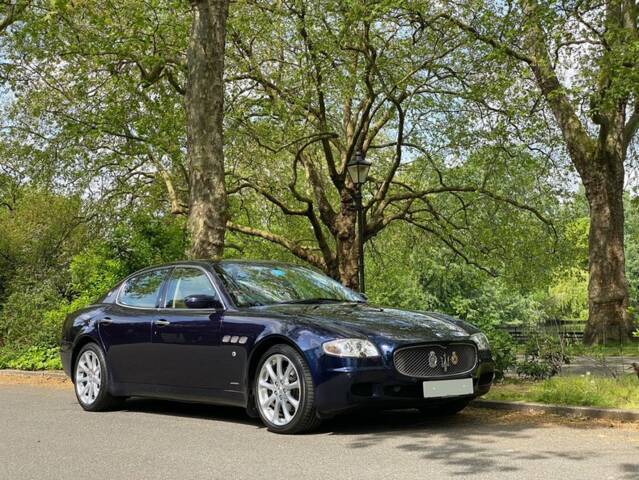
2008 | Maserati Quattroporte 4.2
2008 Maserati Quattroporte Executive GT

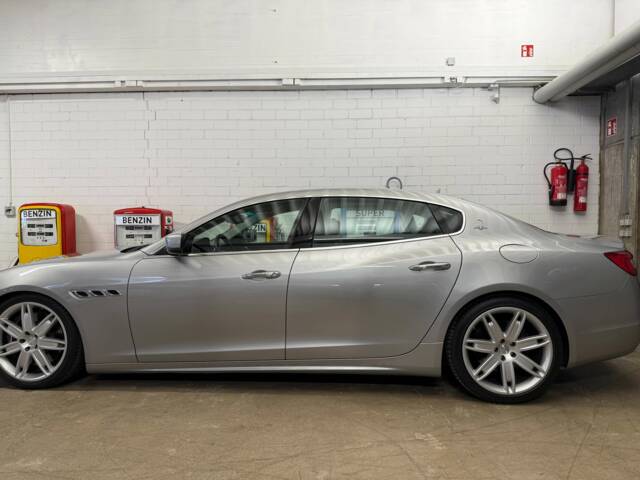
2014 | Maserati Quattroporte GTS
Maserati Quattroporte

Auctions ending soon

Loading…
Loading…
Loading…
Loading…
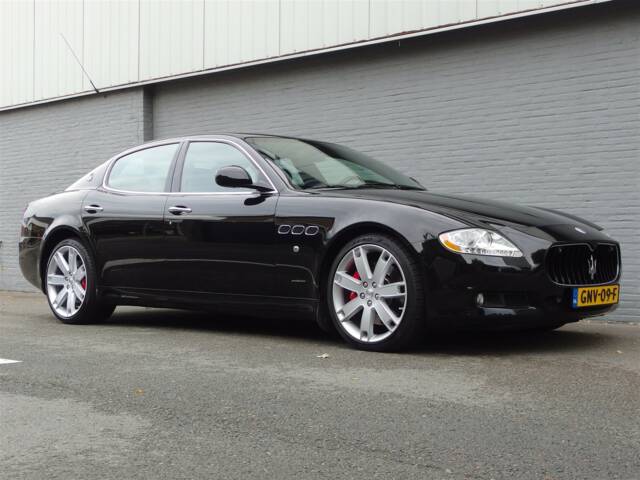
2010 | Maserati Quattroporte S 4.7
Maserati Quattroporte S 4.7L 2010 Very nice & Facelift
VAT is reclaimable

Newsletter
The best Maserati listings, straight to your inbox
Get hand-picked Maserati listings, plus the best of cars, motorbikes, and auctions on Classic Trader — all in one place.
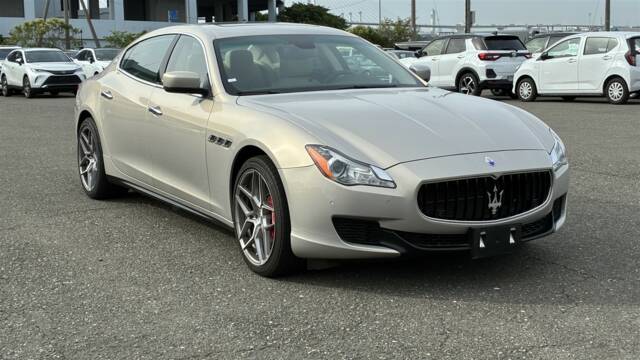
2015 | Maserati Quattroporte GTS
3.8L V8 2015 (VAT Vehicle)
VAT is reclaimable
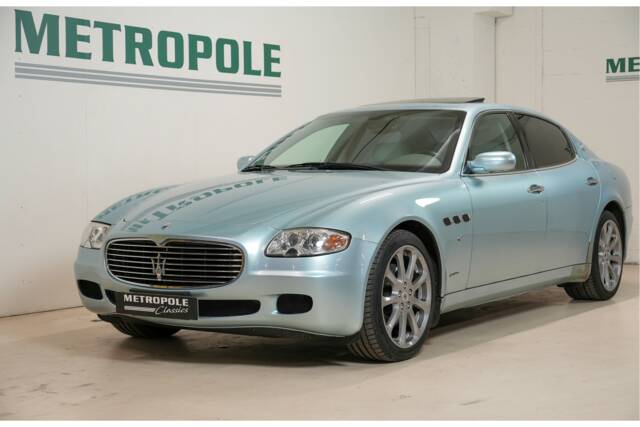
2005 | Maserati Quattroporte 4.2
Maserati Quattroporte Duo Select M1074
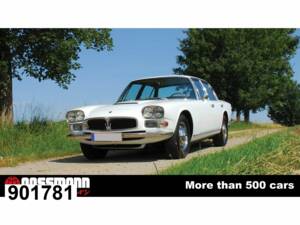
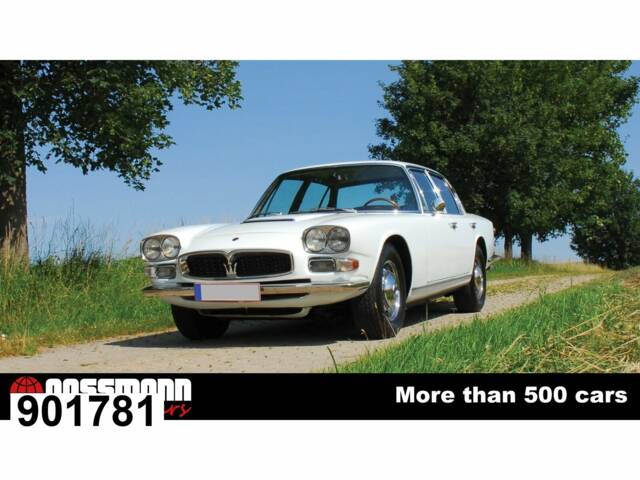
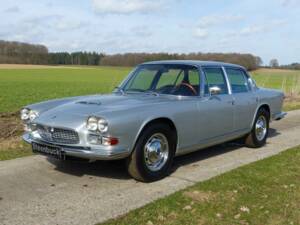
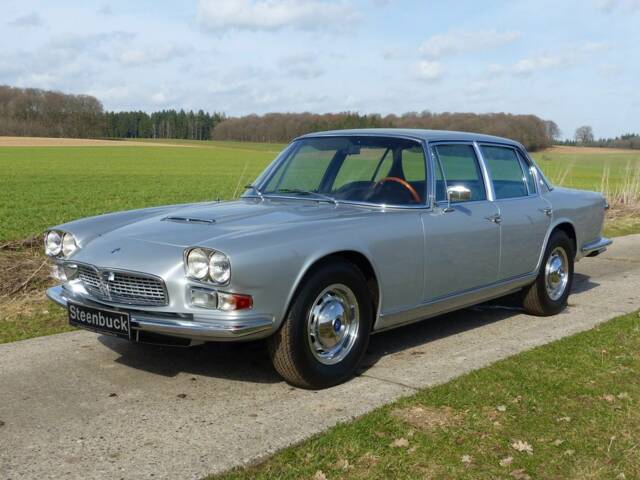
1967 | Maserati Quattroporte 4200
Quattroporte 1. Generation - Tipo AM107, 1 von
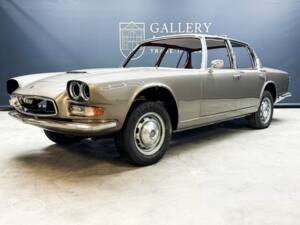
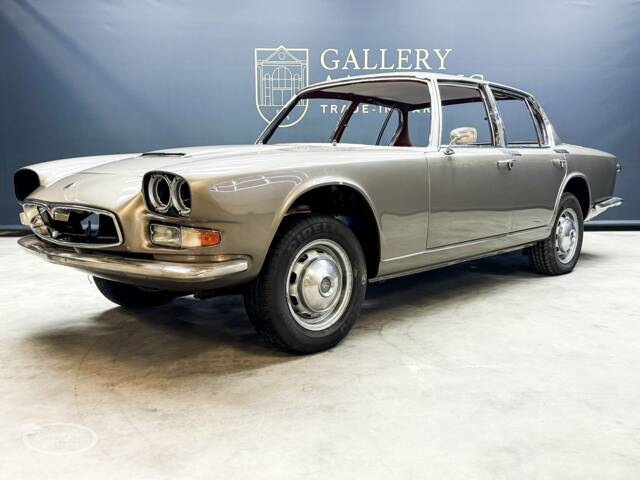
1968 | Maserati Quattroporte 4200
Maserati Quattroporte Trade-in-car Fantastic project, Very good basis for supreme restoration
1966 | Maserati Quattroporte 4200
Rare and exclusive
Maserati Quattroporte listing references from Classic Trader
Below you will find listings related to your search that are no longer available on Classic Trader. Use this information to gain insight into availability, value trends, and current pricing for a "Maserati Quattroporte" to make a more informed purchasing decision.
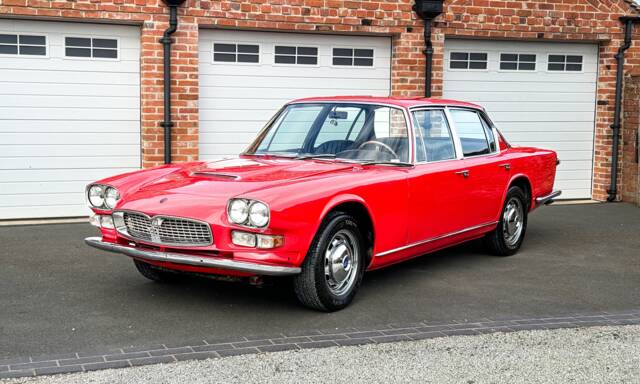
1967 | Maserati Quattroporte 4700
1967 Maserati Quattroporte
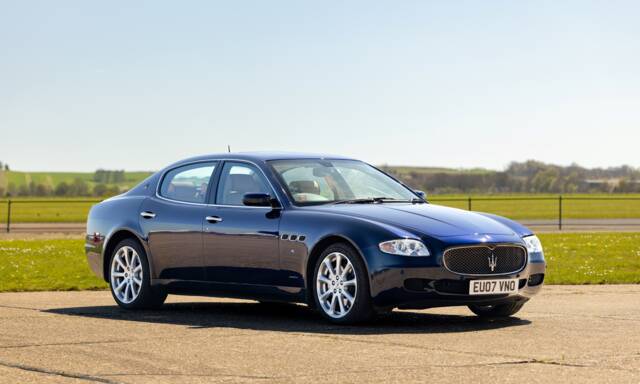
2007 | Maserati Quattroporte 4.2
2007 Maserati Quattroporte Auto
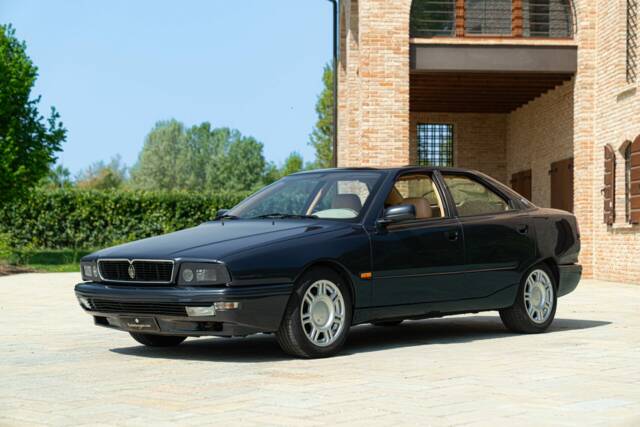
1995 | Maserati Quattroporte 2.0
Maserati QUATTROPORTE

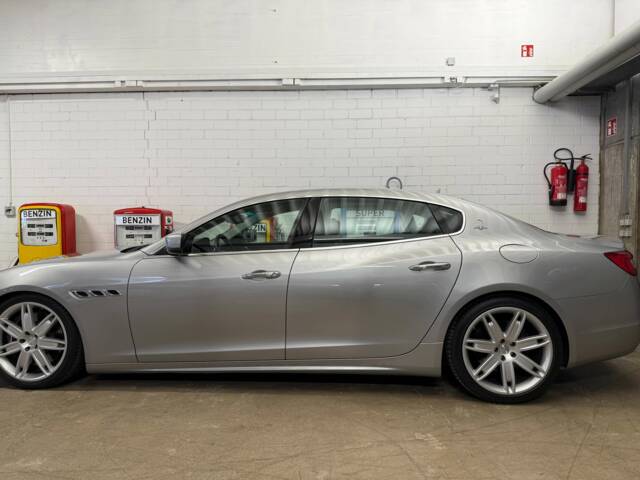
2014 | Maserati Quattroporte GTS
Maserati Quattroporte
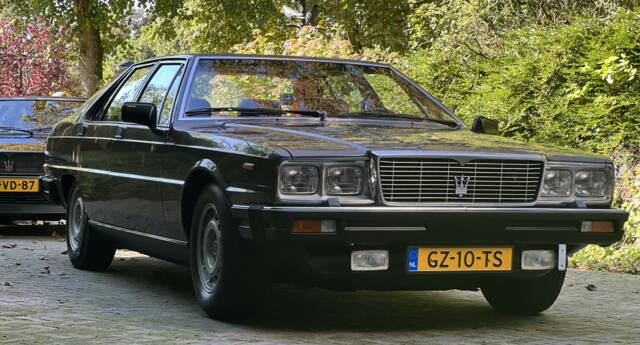
1980 | Maserati Quattroporte 4900
Unique history, rare example very low milage
Maserati Quattroporte Classic Cars: Prices & Market Values
The market value of Maserati Quattroporte classic cars is primarily determined by the specific manufacturer code and variant, as well as technical condition, originality and mileage. Additional factors include rarity, history and documentation. A well-maintained, largely original vehicle with low, verifiable mileage and complete history including appraisals and documentation typically achieves significantly higher prices than a comparable vehicle with deferred maintenance, many modifications or unclear provenance.
Maserati Quattroporte: Market Prices & Value Trends
Based on Classic Trader marketplace sales data from January 2021 to January 2026, the Maserati Quattroporte market in Europe looks broadly stable, with a clear split between modern V8-powered saloons and earlier, rarer classics. Most recent activity is concentrated in the Netherlands, Germany and Italy, and the bulk of realistic transactions cluster in the mid-market rather than at headline highs. For later cars such as the Quattroporte 4.2 (2004–2010) and S 4.7 (2009–2011), values most commonly sit around €20,000–€33,000, suggesting steady demand for well-specified examples but continued price sensitivity around condition and maintenance history. Higher-performance versions like the GTS (2013–2016) and Sport GT S (2010–2012) typically trade nearer €40,000–€60,000, reflecting their stronger drivetrains and desirability. Older Quattroporte 4900 (early 1980s) examples often appear around €30,000–€49,000, while 1960s Quattroporte 4200 cars span a much wider band, so individual provenance matters and outliers should be treated cautiously.
History of the Maserati Quattroporte
The Maserati Quattroporte was introduced in 1963 as the world’s fastest production saloon, powered by a V8 derived from Maserati’s sports cars, and designed by Pietro Frua. The car established a new class: a four-door vehicle with race-derived performance and fine Italian coachwork. Over the years, the Quattroporte underwent several evolutions, each time reflecting the current state of Italian luxury, engineering and design. Key partners included designers like Frua, Bertone, Giugiaro, Gandini, and the legendary Pininfarina. The Quattroporte was the vehicle of choice for statesmen, celebrities, and those seeking individuality paired with powerful driving dynamics.
Model History: Generational Overview
Series I (1963–1970): Crafted on the Maserati 5000 GT base, the first Quattroporte featured a 4.2-litre V8, later offered as a 4.7-litre, reaching top speeds up to 240 km/h—unprecedented for its era. Only 776 were produced.
Series II (1974–1978): Designed by Bertone and powered by a 3.0L V6, this series was hampered by its unconventional front-wheel drive and the oil crisis, with just 13 units built.
Series III (1979–1990): Giugiaro’s sharper styling, traditional V8 engines (4.2 or 4.9L), and hand-built luxury defined the third generation, with about 2,153 produced. The Royale and stretched limousine versions marked the era.
Series IV (1994–2001): Marked by Gandini’s distinctive design and compact dimensions, this Biturbo-era Quattroporte offered V6 and later V8 twin-turbo engines, manual and automatic gearboxes.
Series V (2003–2012): The Pininfarina-designed saloon introduced Ferrari-based V8s, an automated DuoSelect gearbox and later an improved ZF automatic, reaching 285 km/h in top 'S/GT S' trims.
Series VI (2013–2023): Developed in-house under the Fiat Group, with options for V6 and V8 turbocharged engines as well as a diesel variant. The GTS variant reached 530 hp, continuing Maserati’s tradition of uniquely combining performance, comfort, and Italian flair.
Highlights and Unique Features
From its inception, the Maserati Quattroporte set itself apart with a unique blend of motorsport engineering and luxury. Electric windows, leather interiors, advanced suspensions, and extravagant factory options were standard among the earliest models, adding climate control, multi-zone audio, and extensive personalisation in later generations. The Royale, Executive GT, and special editions offered even more exclusivity, while recent generations included adaptive suspension and infotainment upgrades. Prominent personalities and heads of state counted among its owners—a testament to its status. Sound and power delivery have consistently been standout features, with the exhaust note of its Maserati V8 among the most recognisable in the luxury segment.
Technical Data
Special Editions and Collectible Models
Several rare and notable Quattroporte models stand out in Maserati history. The ‘Royale’ from the third generation (Series III, 1986–1990) was created as the top-tier model, with only 53 units produced, featuring upgraded power, exclusive materials, and extended bodies. Unique one-offs were built for high-profile clients: in 1971, Aga Khan IV commissioned a Quattroporte based on the Maserati Indy with a 4.9L V8, and in 1974, King Juan Carlos I of Spain received his own bespoke model. Neiman Marcus and Executive GT editions in later years introduced unique trims, colours, or luxury features. These special variants are highly valued for their singularity and provenance.
Weak Spots and Common Issues
Quattroporte models, particularly classic series, require attentive care due to their relatively low production numbers and specialised Italian engineering. Early models (Series I–III) can present challenges around electrical systems, corrosion, and worn interior fittings due to hand-built nature. Later Biturbo and V8 models (Series IV onward) need attention to turbo maintenance, timing belts, and electronics integration. Always check for comprehensive service history, condition of leather and wood, and functioning of complex suspension or comfort systems. Adequate specialist know-how and parts availability are recommended for trouble-free ownership.
Engine, Performance, Transmission and Handling
Outstanding performance is key to the Quattroporte character. Early V8 models reached 230–240 km/h and offered manual or automatic gearboxes with impressive acceleration. Series III and IV introduced both naturally aspirated and turbocharged engines, available with 5- or 6-speed manuals and high-quality automatics, providing sharp handling alongside comfort. The Pininfarina-era Series V added Ferrari-derived engines, adaptive ‘Skyhook’ suspension, and enhanced chassis balance, enabling 0–100 km/h in under 5.4 seconds. The most recent Series VI turbo V8 pushes up to 530 hp with ZF 8-speed auto and optional all-wheel drive, ensuring stable, spirited driving on any surface. - Series I (1963–1970): V8, manual & 3-speed automatics, up to 240 km/h. Only 776 built.
- Series III (1979–1990): 4.2/4.9L V8, hand-built luxury, up to 2153 produced.
- Series V (2003–2012): Ferrari V8, advanced adaptive dampers, 0–100 in 5.1–5.4s, up to 285 km/h.
- Royale Special Edition: 53 units with bespoke comfort and TV/mini-bar.
Interior, Comfort, Exterior and Design
Each Quattroporte generation reflects the best of Italian automotive design. Frua’s and Bertone’s early efforts balanced elegance and performance, Giugiaro brought a sharp, contemporary look with functional clarity, and Gandini’s designs are instantly recognisable by unique cut-out fenders. The transformation under Pininfarina introduced sinuous forms that remain unmistakably Maserati. Interiors highlight factory leather (often by Poltrona Frau), fine wood or carbon fibre, and signature dashboard clocks. Series III and later generations often include climate control, power adjustment for seats (even in the rear), high-fidelity audio, and exotic options like TV or mini-bars. Recent models allow extensive individualisation, from multi-tone leathers to contrasting stitching, bespoke wheels, special metallic paints, and woods or carbon trims. The Quattroporte’s silhouette is defined by a long bonnet, four doors with elegant handles, and striking rear haunches, always expressing power with restraint.
Other Noteworthy Features
Later Quattroporte models are known for full-size boot capacity and generous seating for up to five, with options for individual rear seats and trays. Security and ease-of-use equipment includes adaptive cruise control, sunroofs, exclusive alloys, comprehensive infotainment upgrades, and advanced safety options (rear-view cameras, parking sensors, soft-close doors). The distinctive Maserati clock in the centre of the dashboard is a signature trait across all generations.
Summary
The Maserati Quattroporte represents the fusion of Italian craftsmanship, grand touring performance, and stately comfort in a single vehicle family. With each generation, Maserati has delivered saloons that bring thoroughbred engineering and individual character, catering to enthusiasts and collectors alike—from rare hand-built classics to technologically advanced models with intense personalisation. Supply and demand data underline the enduring relevance of early and middle-generation cars, while modern examples continue the tradition of luxury and performance without compromise. The Quattroporte remains a definitive choice for those seeking an unmistakably Italian luxury saloon with real driving pedigree.