Maserati Indy – Classic Car Buying
The Maserati Indy stands out as a spacious Italian four-seater grand tourer, produced from 1969 to 1975 as Maserati's first model under Citroën's ownership. The Indy blends V8 power with fastback practicality and is today prized by enthusiasts for its rare combination of four-seat comfort and classic Italian flair.
Search results
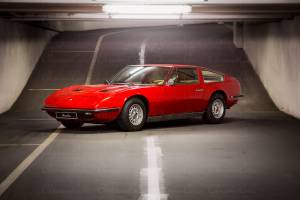
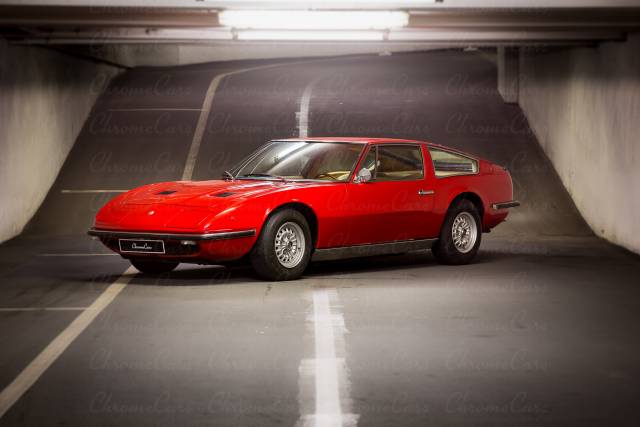
1971 | Maserati Indy 4200
Italienisches Fließheck

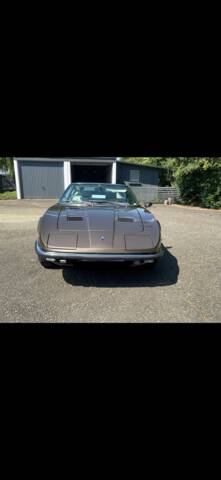
1974 | Maserati Indy 4900
Ein außergewöhnlicher Gran Turismo für Liebhaber italienischer Sportwagen und anspruchsvolle Sammler.
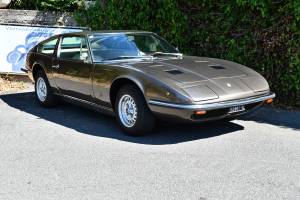
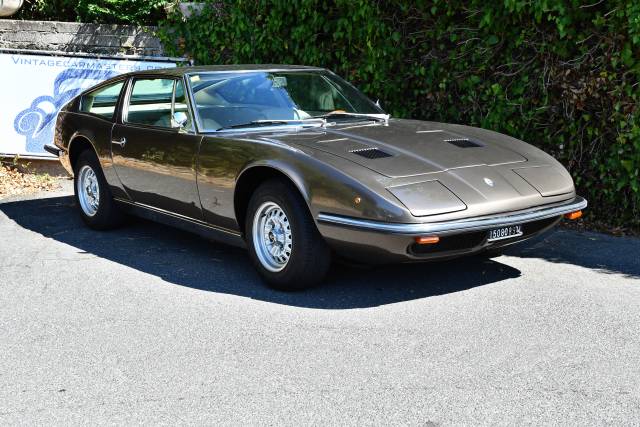
1972 | Maserati Indy 4700
4700 America in ottime condizioni. Targa Oro ASI

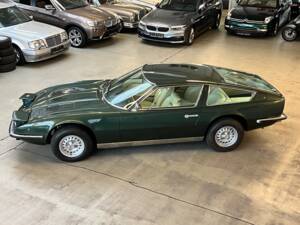
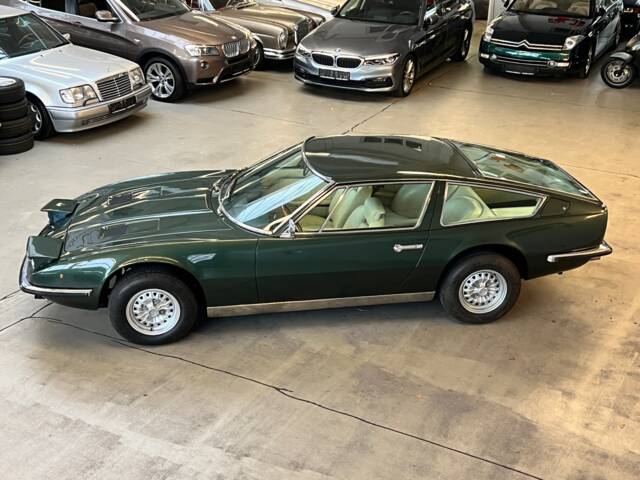
1970 | Maserati Indy 4200
Vollständig restauriert
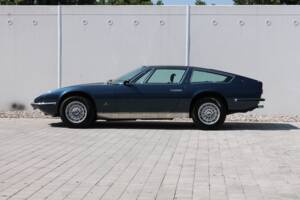
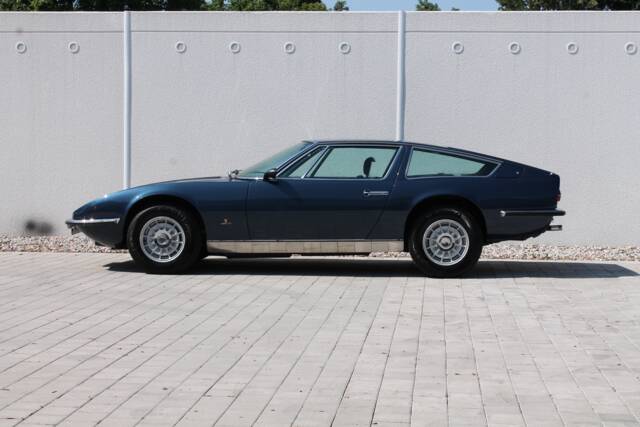
1973 | Maserati Indy 4900
Indy 4900 - AM 116/49
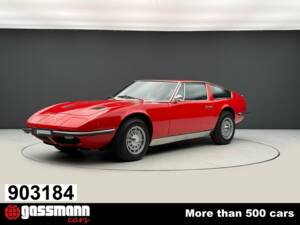
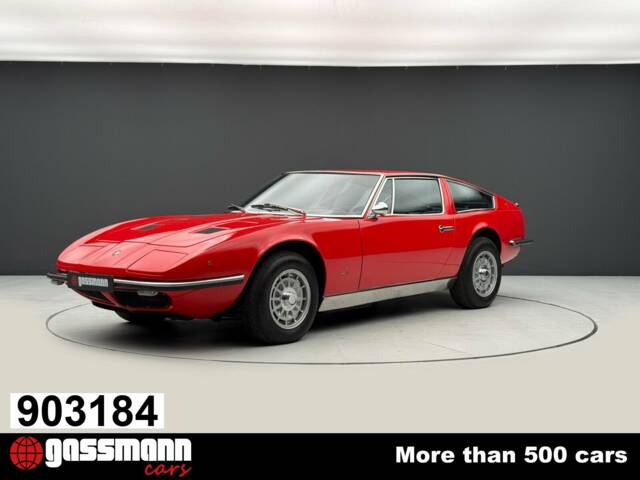
1975 | Maserati Indy 4900
Indy 4.9L America Restauriert
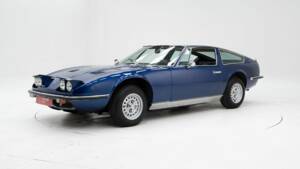
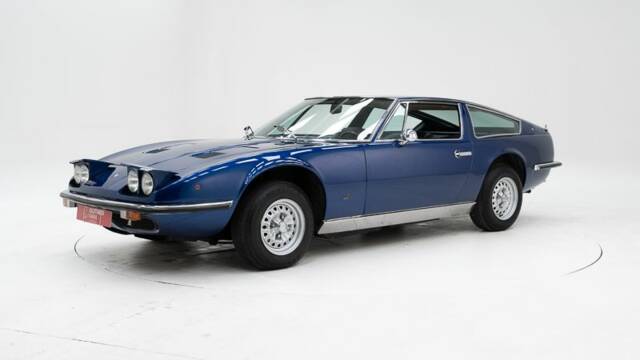
1971 | Maserati Indy 4700
1971 Maserati Indy '71

Maserati Indy listing references from Classic Trader
Below you will find listings related to your search that are no longer available on Classic Trader. Use this information to gain insight into availability, value trends, and current pricing for a "Maserati Indy" to make a more informed purchasing decision.
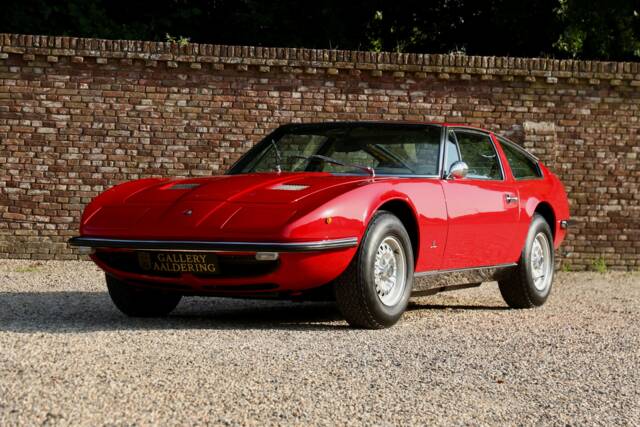
1971 | Maserati Indy 4700
Maserati Indy 4700 "Maserati Classiche certified" Executed in "Rosso su interni in pelle beige", Sympathetically restored while preserving originality, Factory standard was the last owner's norm,Maserati Classiche maintained and serviced, "Matching Numbers" Maserati with sleek Vignale bodywork, Nice history file with the Maserati certificates, 364 examplars manufactured with the 4700-engine block,


1973 | Maserati Indy 4900
einer der letzten gebauten Indys
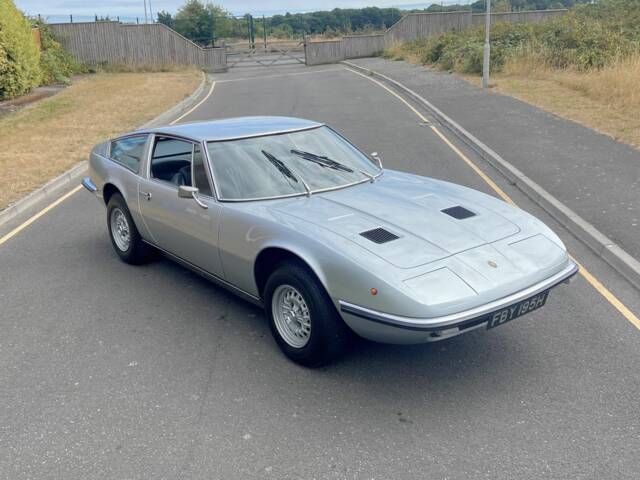
1969 | Maserati Indy 4700
Maserati Indy | 1969 | Route 66 Auctions - For sale by auction. Estimate 29500 EUR
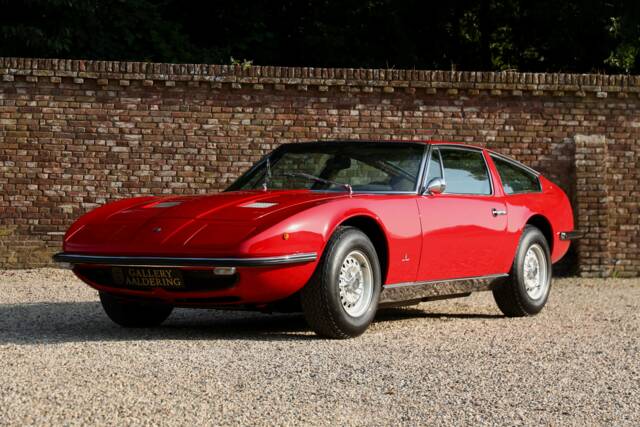
1971 | Maserati Indy 4700
Maserati Indy 4700 Executed in "Rosso su interni in pelle beige", Sympathetically restored while preserving originality, Factory standard was the last owner's norm,Maserati Classiche maintained and serviced, Fantastic driving 2+2 Maserati with sleek Vignale bodywork, Nice history file with the Maserati certificates, 364 examplars manufactured with the 4700-engine block,
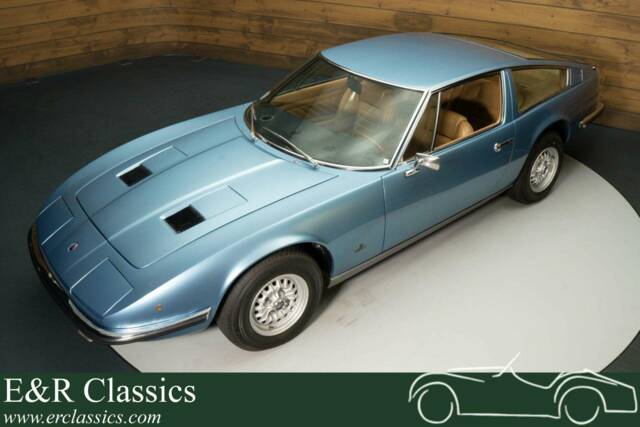
1972 | Maserati Indy 4700
Maserati Indy 4700 | Gerestaureerd | Historie bekend | 1972
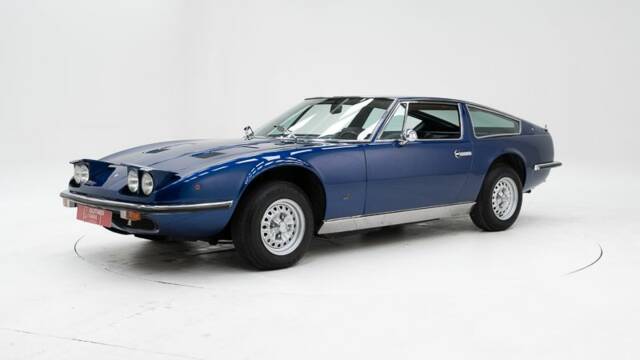
1971 | Maserati Indy 4200
1971 Maserati Indy '71
Maserati Indy Classic Cars: Prices & Market Values
History of the Maserati Indy
Maserati introduced the Indy prototype at the Turin Auto Show in 1968. Named to commemorate Maserati’s 1939 and 1940 Indianapolis 500 victories, the Indy was officially launched at Geneva in 1969. Its development began before Citroën acquired Maserati, making the Indy the last model completed pre-takeover. The car was based on a lengthened Ghibli chassis (extended to 2,600 mm wheelbase) and designed by Alfredo Vignale, showcasing a fastback silhouette with ample room for four adults and their luggage. The body was Maserati’s first to employ semi-monocoque (unitized) construction, marking a technical milestone for the brand.
Model History and Evolution
The Indy’s production span from 1969 to 1975 saw three key engine variations: the early cars (Indy 4200) with a 4.2-litre V8, followed by the 4.7-litre (Indy 4700) in 1970, and finally the Indy 4900 with a 4.9-litre V8 from 1971. Only 364 cars were built with the 4.7L, and some 300-plus of the 4.9L, with a special 'Indy America' variant targeting US and European buyers. The total production run amounted to just 1,104 examples, making the Indy one of Maserati’s more significant commercial successes of the period. The Indy had no direct successor, with its blend of performance and practicality unmatched in Maserati’s later range.
Highlights and Special Features
The Maserati Indy combined purposeful grand touring ability with everyday usability. Its 2+2 seating and spacious luggage compartment made it one of few Italian sports cars genuinely suited for four-person travel. V8 power was paired with either a ZF five-speed manual or (optionally) a Borg-Warner three-speed automatic. Pop-up headlamps, tinted glass (from 1973), and high-quality materials were standard. Notably, the Indy was the first Maserati to feature a unitized semi-monocoque body for increased rigidity.
Technical Data
Special Editions and Notable Variants
Special versions of the Indy include the ‘Indy America’, specified for North America and certain European markets, distinguished by standard power steering and (in later years) a 4.9L V8. Interior upgrades from 1970 included integrated headrests, redesigned dashboards and improved comfort features. Unique paint colours such as ‘Rosso Cordoba’, ‘Blu’, and ‘Bronzo Metallic’, and factory options like Borrani wire wheels or Blaupunkt radio, further added to the individuality of these cars.
Engine, Performance and Driving Characteristics
The Maserati Indy’s V8 range offered robust performance: the 4.2L managed up to 247 km/h, covering 0–100 km/h in about 8.2 seconds (as tested by Auto Motor und Sport in 1970). The 4.9L variant could reach approximately 265 km/h. The ZF five-speed manual gearbox provided direct engagement, while the Borg-Warner automatic (on request) catered to those prioritising comfort. Four-wheel disc brakes and precise hydraulic steering delivered balanced handling, although the live rear axle (inherited from the Ghibli) was regarded as dated even at launch. Ride quality and cabin quietness stood out at higher speeds, making the Indy a genuine cross-continental GT. Key variants:
- Indy 4200 (4.2L V8, 260 PS) – Known for early styling purity and solid touring performance.
- Indy 4700 (4.7L V8, 290 PS, 364 produced) – Sought for improved acceleration.
- Indy 4900 (4.9L V8, 320 PS, ~300 produced) – Fastest and most technically advanced form, favoured by enthusiasts.
- Indy America – Enhanced for export markets, notable for comfort upgrades and emissions adaptations.
Design, Interior and Features
Designed by Alfredo Vignale, the Indy’s shape is defined by its flowing fastback roofline and low nose with distinctive pop-up headlights. Inside, the car featured full leather upholstery (beige, black or brown), adjustable steering columns, and well-trimmed dashboards with Maserati branding and classic Veglia dials. The rear passenger compartment offers authentic four-adult seating, an unusual feature for an Italian sports coupe of its class. Options included air conditioning, Borrani wire wheels, Alloy wheels, a Maserati-branded radio, and tinted windows. Details like a wood-veneer steering wheel, foglamps, power windows, integrated armrests, and period-correct clock underscore luxury and craftsmanship.
Other Noteworthy Features
Indy models often feature comprehensive documentation, two original keys, and sometimes the Maserati Classiche certificate or ASI (Automotoclub Storico Italiano) homologation, reaffirming originality and historical value. The model was sold both in Europe and the US, resulting in a mix of specification levels and available factory options.
Summary
The Maserati Indy remains a rare Italian GT, distinct for its blend of V8 driving dynamics, practical four-seat cabin, and refined Vignale styling. Appreciated by collectors seeking an Italian sports car that accommodates four in genuine comfort, the Indy’s limited production and technical innovations mark it out in Maserati history.