Jaguar Mk X classic cars for sale
The Jaguar Mk X defined British luxury saloons of the 1960s with its distinctive wide, low silhouette and imposing road presence. Combining a stately exterior, opulent wood-and-leather-lined cabin, and remarkable ride comfort, the Mk X was engineered as Jaguar's flagship—a car both technically advanced and meticulously crafted. Its rarity and authentic British style continue to attract enthusiasts today.
Search results
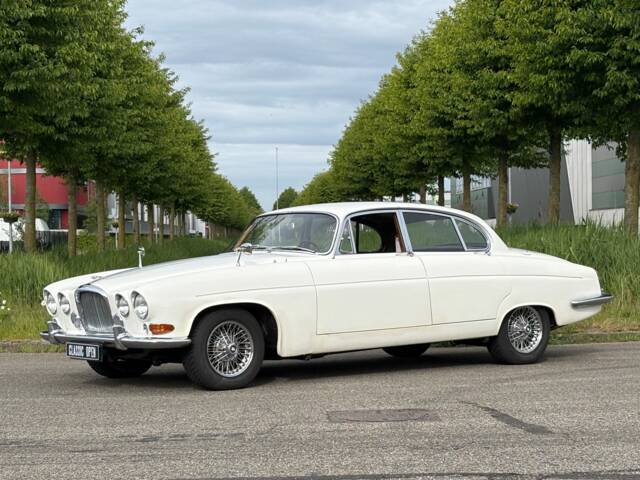

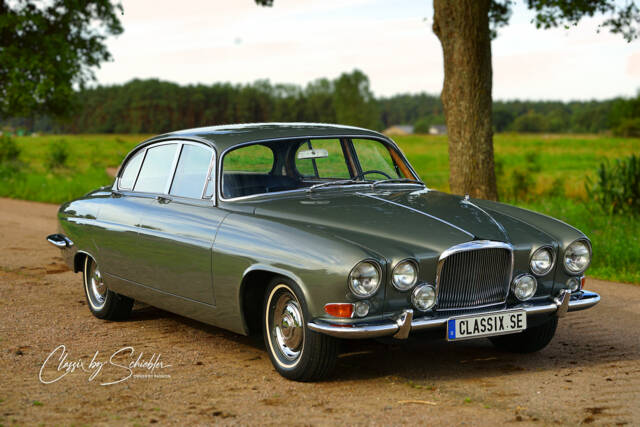

Jaguar Mk X listing references from Classic Trader
Below you will find listings related to your search that are no longer available on Classic Trader. Use this information to gain insight into availability, value trends, and current pricing for a "Jaguar Mk X" to make a more informed purchasing decision.
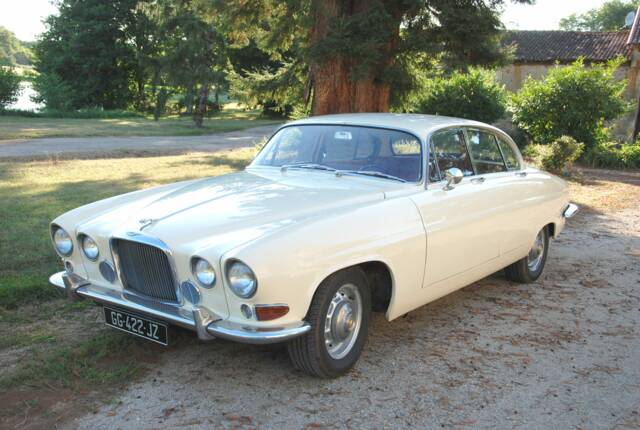
1965 | Jaguar Mk X 4.2
Jaguar MK X | 1965 | Route 66 Auctions - For sale by auction. Estimate 20500 EUR
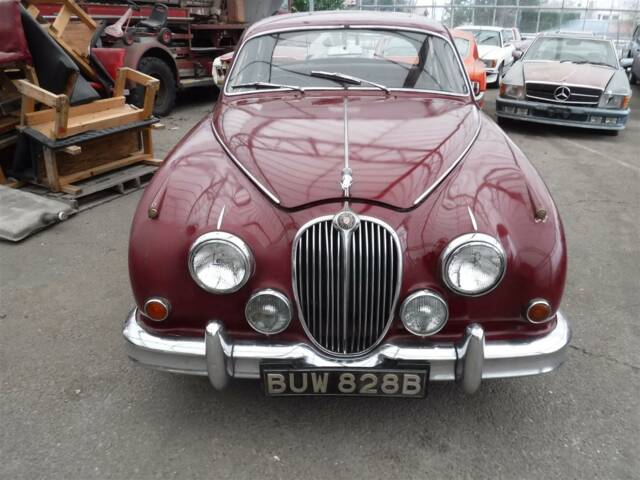
1965 | Jaguar Mk X 4.2
Jaguar-MK2 RHD red
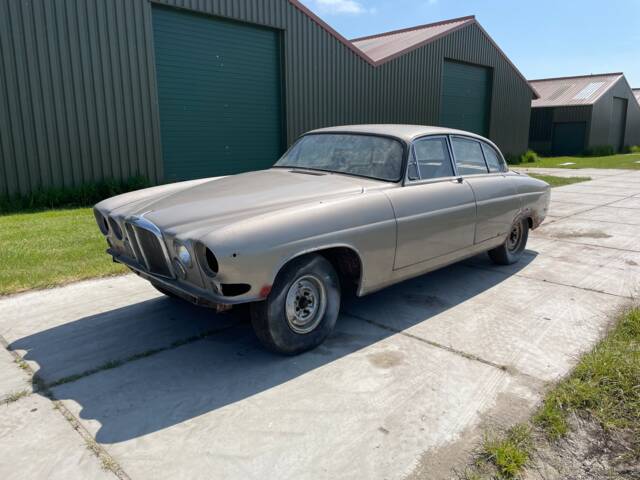
1964 | Jaguar Mk X 4.2
Jaguar 420g 1964
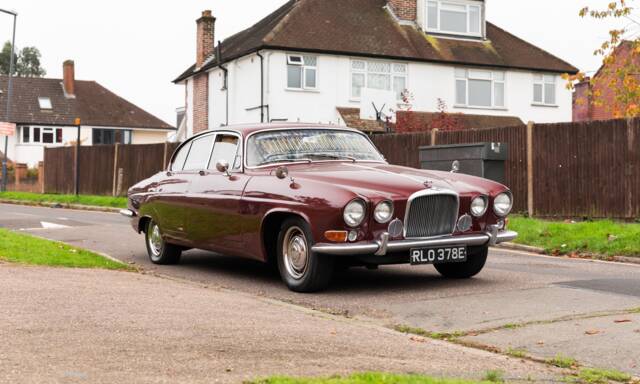
1967 | Jaguar Mk X 4.2
1967 Jaguar Mk. X 4.2

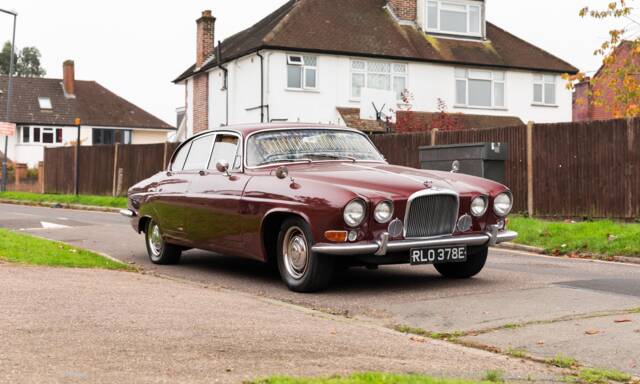
1967 | Jaguar Mk X 4.2
1967 Jaguar Mark X 4.2
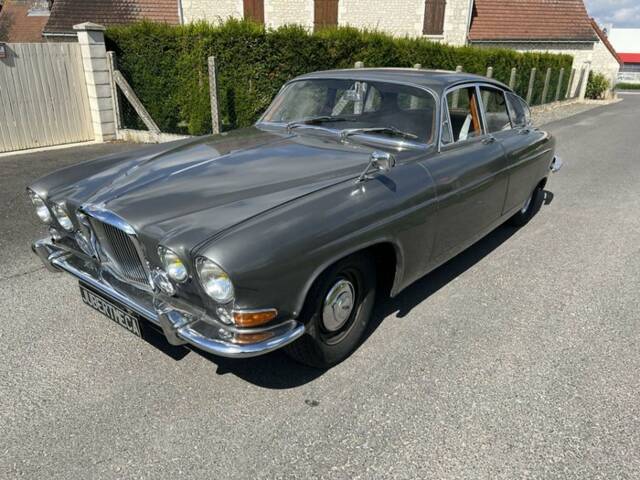
1963 | Jaguar Mk X 3.8
Jaguar - MK 10 - 1963
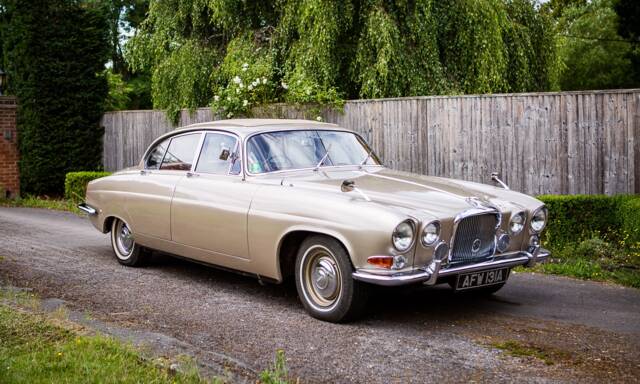
1963 | Jaguar Mk X 3.8
1963 Jaguar Mk. X Saloon
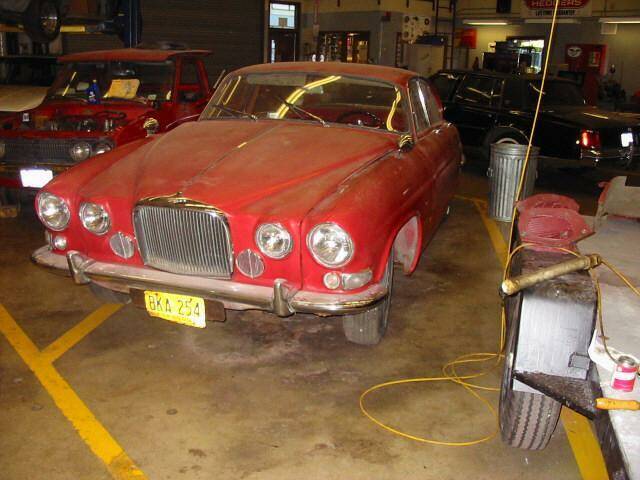
1963 | Jaguar Mk X 3.8
Jaguar-MK10
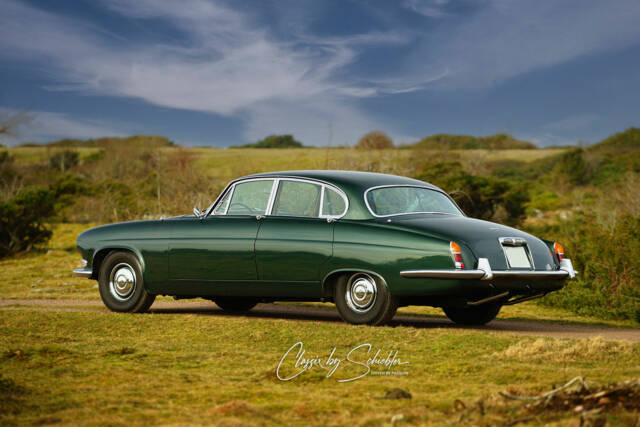
1966 | Jaguar Mk X 4.2
Jaguar MKX with just over 90.000km and 4 speed automatic
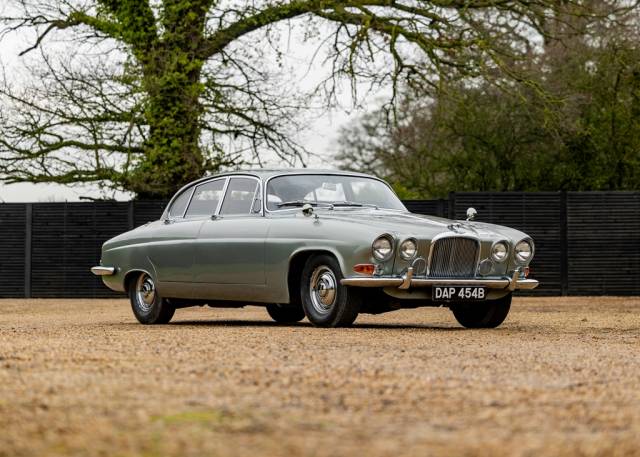
1964 | Jaguar Mk X 3.8
Jaguar Mk. X (3.8 litre)
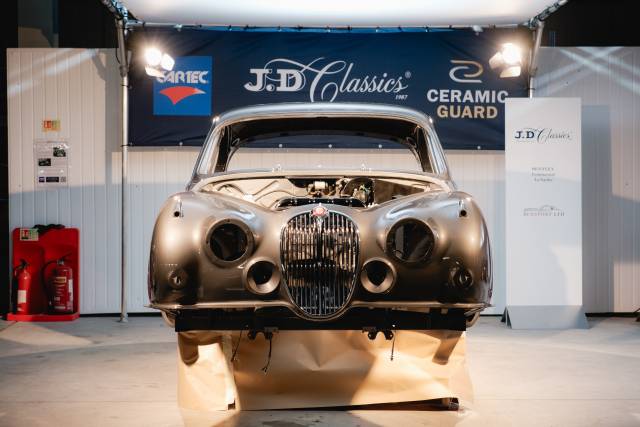
1965 | Jaguar Mk X 4.2
Choose your own specification! New Build
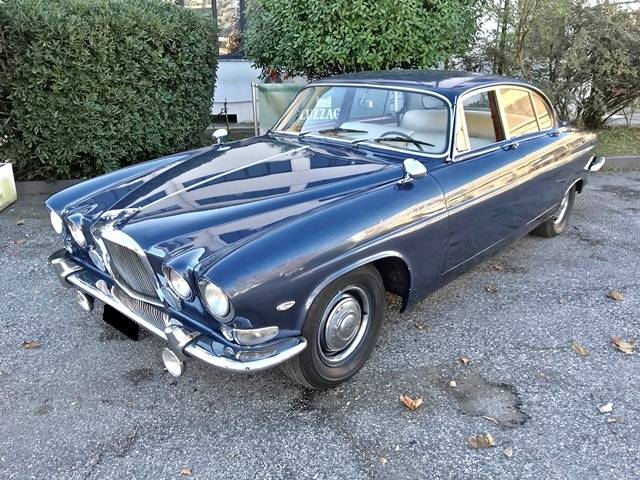
1963 | Jaguar Mk X 3.8

Jaguar Mk X Classic Cars: Prices & Market Values
History of the Jaguar Mk X
Launched in 1961, the Jaguar Mk X was conceived as a response to growing transatlantic luxury tastes. Targeted especially at the US market, this top-tier Jaguar succeeded the Mark IX by embracing a complete redesign. With unitary construction and a stretched, flattened body, the Mk X established a new visual language for Jaguar saloons. The imposing front grille, recessed twin headlights, and extensive chrome trim underscored its presence. The Mk X introduced Jaguar’s first use of independent rear suspension on a saloon, setting a new benchmark for ride comfort and handling in its class. By 1970, after nearly a decade as the most exclusive model in Jaguar’s line-up, it gave way to the XJ6—a car that would take up the luxury mantle, but with a very different design philosophy.
Model Evolution and Legacy
The Mk X replaced the Mark IX in 1961, bringing with it not only a new approach to styling but significant technical advances. Initially powered by the renowned 3.8-litre XK inline-six engine from the E-Type, the Mk X received a 4.2-litre version in late 1964, delivering greater torque and smoothness. The 3.8-litre version remained available until October 1965, with the 4.2-litre variant becoming the more sought-after, though produced for a shorter time (around two years). In 1966, the Mk X was rebadged as the 420G, which continued until 1970. Only about 5,680 Mk Xs were built, and it was eventually followed by the markedly different XJ6, continuing Jaguar’s tradition of luxurious, technically advanced saloons.
Highlights and Special Features
The Mk X distinguished itself with supreme passenger comfort, remarkable handling for its size, and features rarely matched by rivals of the era:
- The first Jaguar saloon with independent rear suspension, delivering notable ride quality and road composure.
- Power-assisted disc brakes on all four wheels and standard power steering, crucial for such a large vehicle.
- Genuine walnut veneer dashboard, door cappings, and rear picnic tables complemented by plush leather seats and fold-down tray tables.
- Typically specified in classic British colour schemes with an opulent, inviting interior ambiance.
- Optional electric window lifts and Webasto steel sunroof set it apart for luxury buyers.
The Mk X accounts for 100% of Jaguar listings in this model series on Classic Trader, reflecting its unique standing and rarity as the sole representative from this manufacturer code. Demand mirrors supply, indicating a very focused collector and enthusiast base for this particular Jaguar model series.
Technical Data
Special Editions and Collectible Models
No official factory special editions were produced for the Mk X, but certain variants stand out due to rarity or specification:
- 4.2-litre Mk X models (built from 1964 to 1966) are particularly desirable for their increased torque and rarity—around 5,137 units by most sources.
- Manual gearbox cars with overdrive are rarely found and highly sought after among enthusiasts.
- Cars fitted with factory Webasto sunroof and original radios are considered notable finds.
Weak Spots and Common Issues
There are no specific known weak spots provided in the available information. Generally, for a car of this size and technical sophistication, attentive maintenance is vital. Owners value detailed restoration records, availability of authentic parts, and proper documentation, all of which are recommended for preserving the vehicle’s integrity and value.
Engine and Performance, Transmission and Handling
The Mk X offered robust straight-six power: the original 3.8-litre XK engine delivered 245 hp, moving the saloon close to 200 km/h, while the later 4.2-litre engine produced 265 hp and even more torque. Mostwere equipped with a smooth-shifting Borg-Warner three-stage automatic transmission, though a manual four-speed with overdrive was an option for purists. Despite its imposing size, the Mk X’s suspension—double wishbones at the front and innovative independent rear setup—endowed it with surprisingly agile handling and 'armchair' comfort. Power steering and servo brakes provided relaxed, composed driving even over long distances. The ride blended isolation from noise and vibration with the ability to maintain impressive pace and composure on motorways or winding roads. - 4.2-litre Mk X (1964–1966): Sought after for both rarity and torque.
- Manual gearbox models: Appreciated for their driver engagement and rarity.
- Cars with period-correct features like original radios and Webasto sunroof are especially desirable to enthusiasts.
Interior, Comfort, Exterior and Design
Jaguar’s Zenith project delivered a body both longer and wider than any previous saloon, yet styled with elegant proportions and sweeping lines. The front end featured a sharply forward-angled grille and embedded twin headlamp clusters, signaling a new era for Jaguar's design language. Chrome accents, refined woodwork throughout the cabin, richly upholstered leather seating, and features like veneered folding picnic tables (front and rear) created an extraordinary sense of occasion. Options included Webasto steel sunroof, rare electric window lifters, and a variety of classic British paint finishes—such as British Racing Green, Regency Red, and traditional silvers or blacks—paired with interiors trimmed in contrasting or complementary leather shades (red, grey, beige, brown, ivory). Carefully restored wood and period-correct accessories are highly valued among connoisseurs.
Other Noteworthy Features
Original tools, jacks, and owner’s documentation frequently accompany well-kept Mk Xs and add considerable appeal for collectors. The model was often chosen by notable figures in politics, business, and the arts, reinforcing its association with status and distinction. Spacious interiors make the Mk X popular for those who appreciate not just presence but genuine long-distance comfort. Restoration standards for woodwork, upholstery, and paint heavily influence the appeal and market value of individual cars.
Summary
From its 1961 debut to its transformation into the 420G, the Jaguar Mk X defined British luxury motoring at its most lavish and technologically progressive. Its combination of a high-output straight-six, advanced suspension, and handcrafted interior still commands attention from enthusiasts seeking originality, presence, and comfort in a classic saloon. Maintaining a Mk X today requires expertise and attentiveness, but those who appreciate authentic British luxury and engineering find little else that compares to the distinctiveness of the Mk X.