Jaguar Mk II Classic Car for Sale
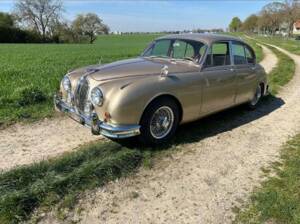
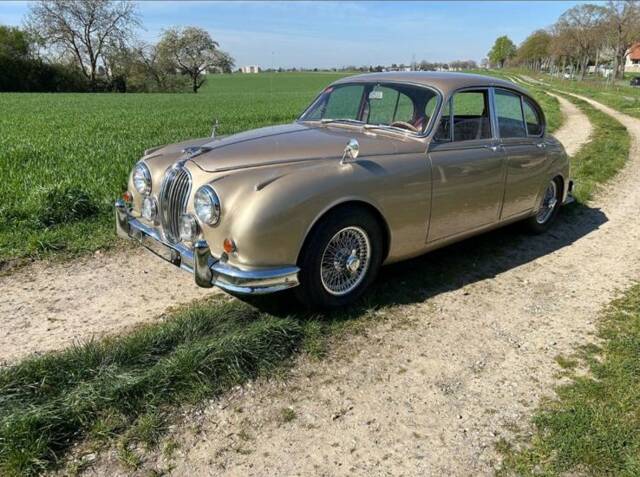
The Jaguar Mk II stands out as a quintessential British sports saloon from 1959 to 1967, combining lively six-cylinder power with elegant craftsmanship and remarkable road manners. Its wide range of engine options, period luxury details, and strong motorsport heritage ensured its place as a distinguished figure in automotive culture.
Search results
1964 | Jaguar Mk II 3.4
Vienna Calling - coming soon
Preview

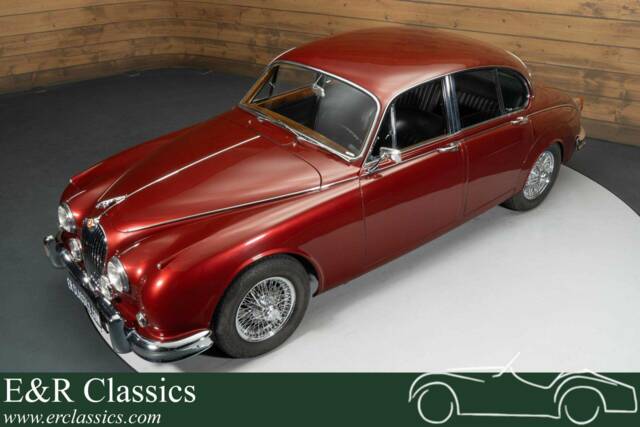
1964 | Jaguar Mk II 3.4
Jaguar MK II

Auctions ending soon

Loading…
Loading…
Loading…
Loading…
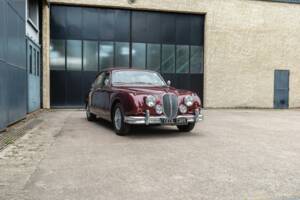
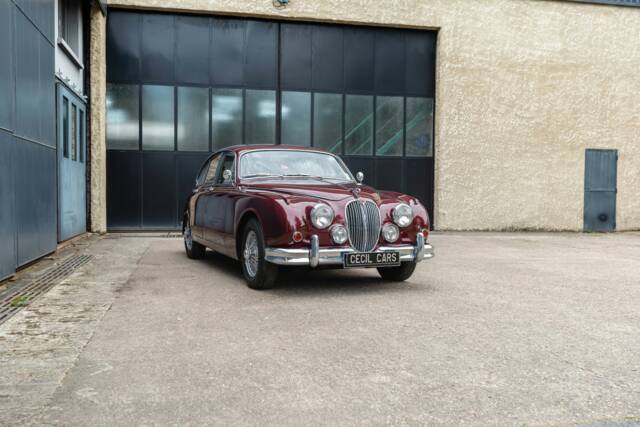
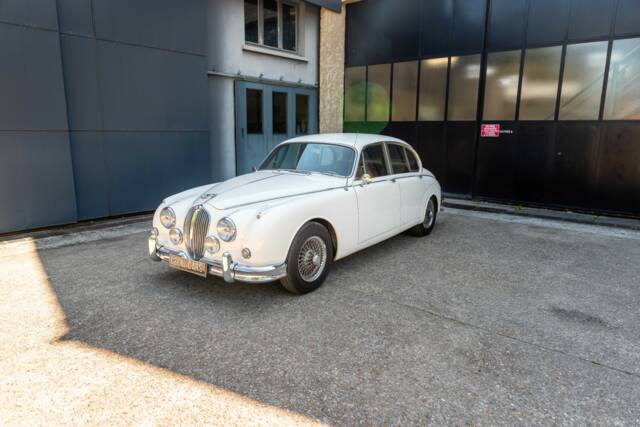
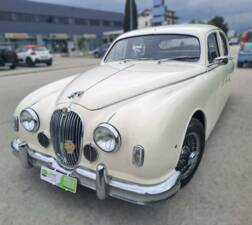
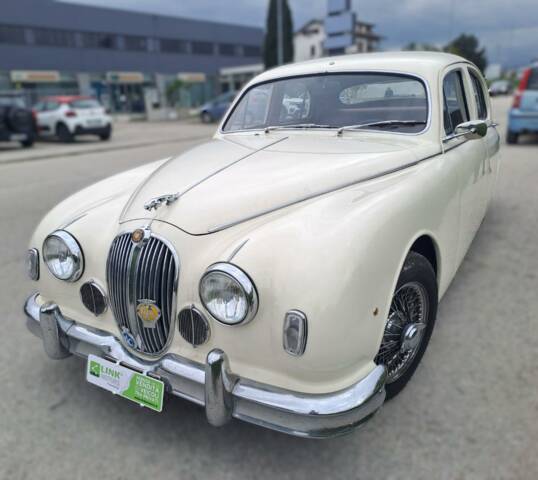

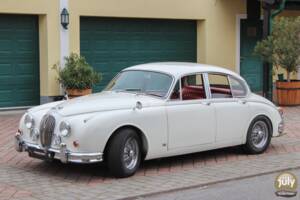
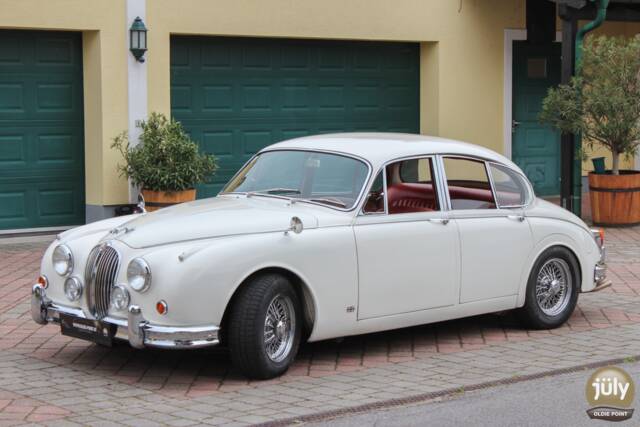
1961 | Jaguar Mk II 3.8
Jaguar Mk II 3.8 mit österreichischer Erstzulassung
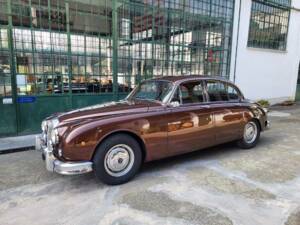
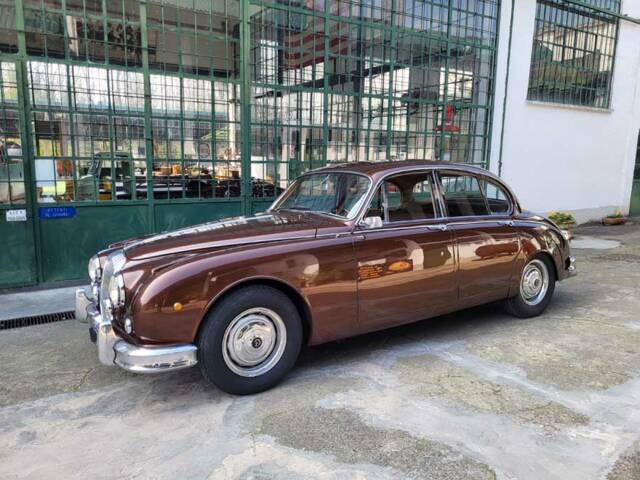
1964 | Jaguar Mk II 2.4
SUMMER PRICE 2026 @ CITY MOTORS
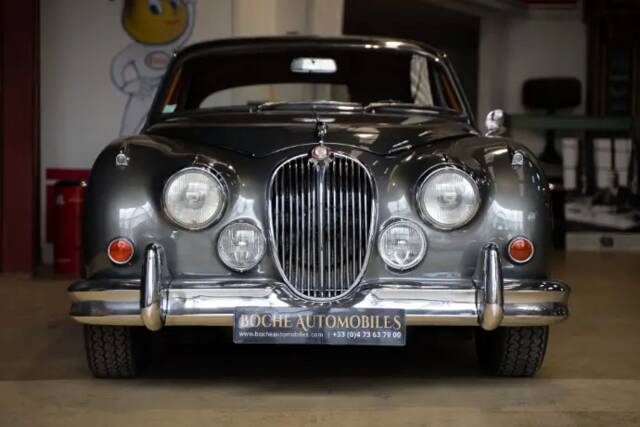
1961 | Jaguar Mk II 3.8
JAGUAR MKII 3.8
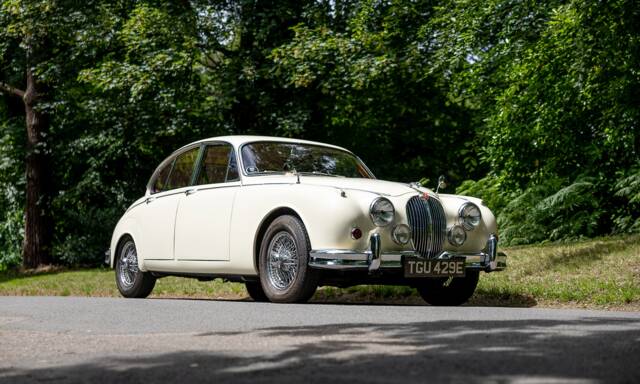
1967 | Jaguar Mk II 2.4
1967 Jaguar Mk. II Saloon MOD (2.4 litre)

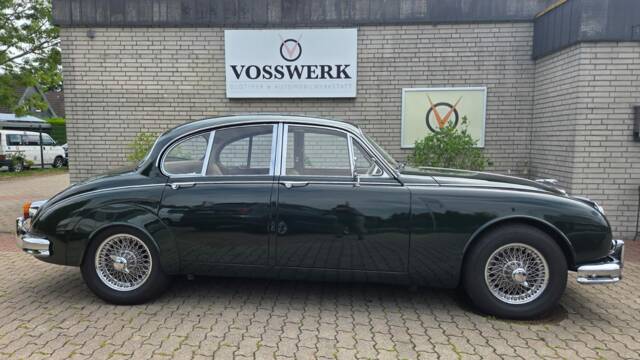
1964 | Jaguar Mk II 3.8
Sehr guter Zustand

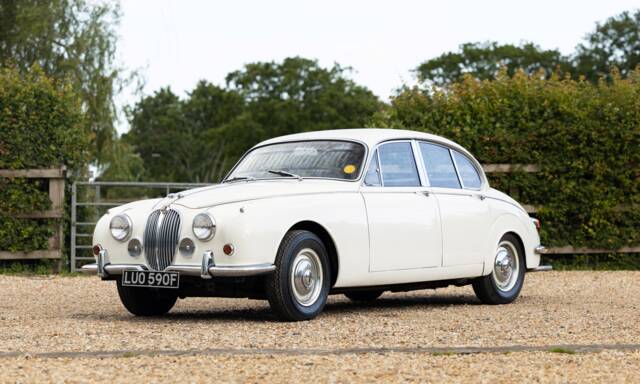
1967 | Jaguar Mk II 2.4
1967 Jaguar Mk. II
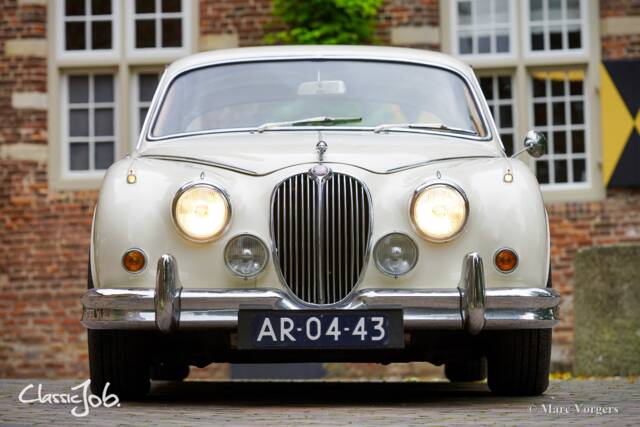
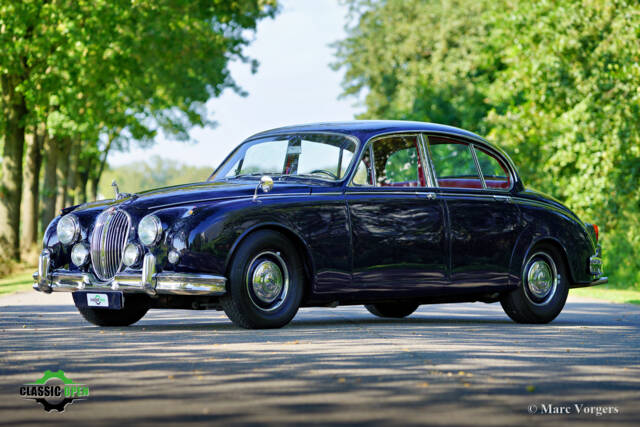
1962 | Jaguar Mk II 3.8
Overdrive
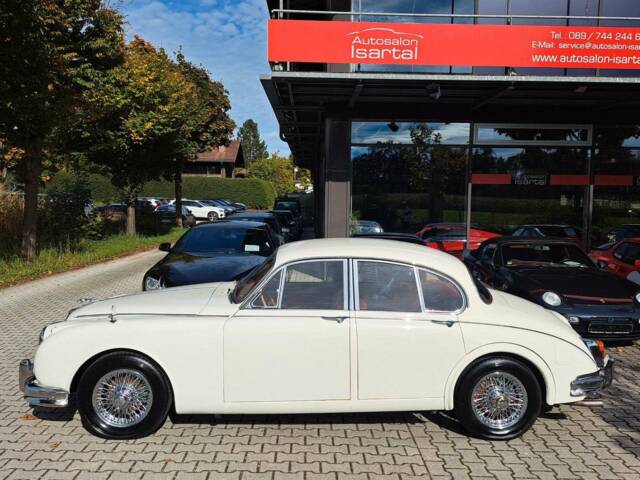
1967 | Jaguar Mk II 3.4
Jaguar MK II
Jaguar Mk II Classic Cars: Prices & Market Values
The market value of Jaguar Mk II classic cars is primarily determined by the specific manufacturer code and variant, as well as technical condition, originality and mileage. Additional factors include rarity, history and documentation. A well-maintained, largely original vehicle with low, verifiable mileage and complete history including appraisals and documentation typically achieves significantly higher prices than a comparable vehicle with deferred maintenance, many modifications or unclear provenance.
Jaguar Mk II: Market Prices & Value Trends
Based on sales data from the Classic Trader marketplace, the Jaguar Mk II market has been broadly stable to slightly firmer over the period from early 2021 to January 2026, with most activity centred in Europe (notably Germany, the Netherlands, Italy, France and the UK). Current asking levels show a realistic mainstream band of roughly €25,000 to €60,000 for good, usable cars, while projects and lower-spec examples (often Mk II 2.4) can appear below that and well-restored, well-documented Mk II 3.8 saloons from the early-to-mid 1960s tend to sit at the top of the core market. A small number of very high-priced adverts (well into six figures) and a handful of unusually cheap entries should be treated as outliers rather than “the going rate”. For today’s buyers, this means the Mk II remains relatively liquid: values are supported by the model’s period racing image, timeless styling and strong parts/restoration ecosystem, but pricing is now more condition- and provenance-led than rapidly rising.
History of the Jaguar Mk II
Jaguar introduced the Mk II in 1959 as the successor to the Mark I (Jaguar 2.4/3.4 Litre) models. Production took place in Coventry, England, continuing until 1967. The Mk II offered a facelifted body with refined details, including a wider rear axle and increased glass area, which improved both comfort and visibility. Key innovations included front and rear disc brakes—an advanced feature for its time—and a choice of powerful inline-six XK engines: 2.4-L, 3.4-L, and 3.8-L. With these enhancements, the Mk II quickly earned a reputation for delivering agile performance and plush accommodation, becoming a mainstay in British police fleets as well as a popular choice in motorsport and popular culture.
Model Range and Evolution
The Mk II line-up comprised three main engine sizes: 2.4 litre, 3.4 litre, and 3.8 litre straight-six engines. Early models came with Moss four-speed manual transmissions (with optional overdrive) or a Borg-Warner three-speed automatic. In late 1967, Jaguar rebranded the 2.4 and 3.4 litre cars as the 240 and 340, signifying more basic equipment and narrower bumpers. The 3.8 litre variant ceased production at this time, with only around a dozen 340s built with the high-performance 3.8 engine. The Mk II also influenced later Jaguars, notably the S-Type (from 1963) and 420 (from 1966), and finally made way for the all-new XJ6.
Highlights and Facts
The Mk II’s immediate visual hallmarks include its elegant curved lines, pronounced chrome detailing, and large glass surfaces. Disc brakes on all wheels provided exemplary stopping power for the era. Rich interior appointments with leather upholstery, walnut veneer dashboard, and rear picnic tables set the Mk II apart from ordinary saloons. The model carved out a notable motorsport history, with appearances in Touring Car Championships, and was piloted by renowned drivers such as Stirling Moss and Graham Hill. Its dual reputation as both a police patrol car and getaway vehicle in 1960s Britain—famously linked to the Great Train Robbery—cemented the Mk II’s role in British culture.
Technical Data
Special Editions and Rare Variants
Noteworthy is the ultra-rare 340 3.8 (around 12 built), produced during the final phase in 1967. Additionally, the Daimler 2.5 V8, introduced in 1962, combined the Mk II bodyshell with Daimler-specific trim and a V8 engine. Both are highly sought after for their unique engineering and rarity. The Mk II was also sold in limited numbers with factory-installed sunroof, air conditioning, and wire wheels as optional extras, adding to its appeal for collectors.
Typical Weak Points and Maintenance Notes
While robustly engineered, buyers should examine Mk II cars for corrosion, particularly in the sills, floors, and lower body panels. Check for wear in the rear axle, oil leaks from XK engines, and signs of neglect in hydraulic systems (brakes, clutch). Replacements for original leather and wood trim can be expensive, but many restoration parts are available. Regular maintenance—especially lubrication of the suspension and drivetrain, and keeping the cooling system in top order—is critical to reliability.
Engine, Transmission, and Driving Experience
Performance varies significantly by engine specification. The most potent, the 3.8L, accelerates from 0–100 km/h in about 8.5 seconds and reaches up to 206 km/h, pairing forceful acceleration with stately road presence. Standard models have precise but weighty steering; servo assistance was available as an option or retrofit. The improved geometry and wider rear track versus the Mk I yield stable handling, better cornering, and good braking performance—even by today’s standards. The Moss manual gearbox offers a period-typical feel, while automatics further increase comfort. - Jaguar Mk II 3.8L: XK engine, 220 PS, 325 Nm, self-locking differential, favored for motorsport and police use.
- Jaguar Mk II 3.4L: 210 PS, fast and flexible for touring.
- Jaguar Mk II 2.4L: 120 PS, smoother and less demanding on running costs but still stylish.
Design, Interior, and Comfort
The Mk II’s silhouette, with flowing fenders, slim pillars, and generous chrome accents, defined the aesthetic of the period’s British saloon. Factory paints ranged from British Racing Green to Old English White, Gunmetal Grey, and more. Interiors combine luxurious Connolly leather, deep wool carpets, and elaborate walnut veneer dashboards, with rear-seat picnic tables as a distinguishing feature on many cars. Options such as factory sunroof, air conditioning, and wire wheels add further interest. Instrument clusters and controls, designed for both right- and left-hand-drive markets, are focused on driver ergonomics—a key improvement over the Mark I.
Other Features
The Mk II became a symbol of British elegance and status, dubbed the 'Gentleman’s Express' in period advertising. Its presence in films, television (notably 'Inspector Morse'), and motorsport events expanded its recognition beyond car enthusiast circles. Practicality for touring remains high, with a generously sized boot and ample comfort for four or five adults, while restoration projects benefit from robust spare parts supply.
Summary
The Jaguar Mk II offers a compelling combination of athletic performance, sophisticated craftsmanship, and enduring influence in the world of classic cars. With well over 80,000 examples built, an unmatched balance between sporting ambition and daily usability, and a deep connection to British cultural history, the Mk II stands as a focal point among classic Jaguar saloons.