FIAT Punto classic cars for sale
The FIAT Punto, produced from 1993 to 2018, represents an era when Italian design met urban practicality. A true supermini with a winning combination of clever engineering, solid reliability and distinctive shapes, it remains a popular choice for collectors and drivers alike.
Search results
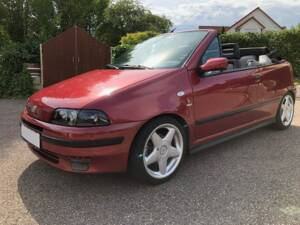
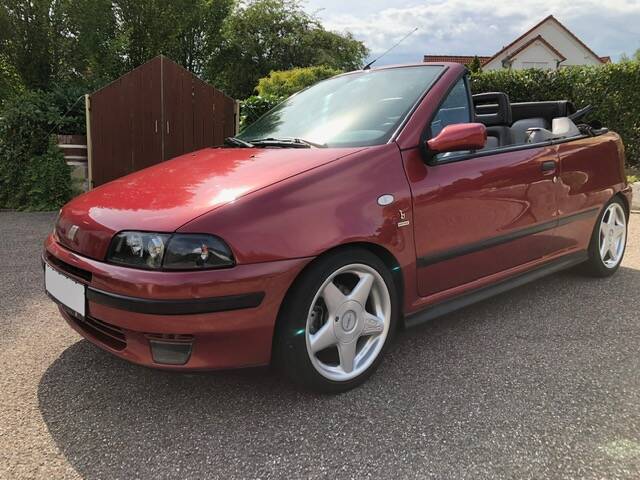
1994 | FIAT Punto 90 ELX
Original und doch ein Unikat

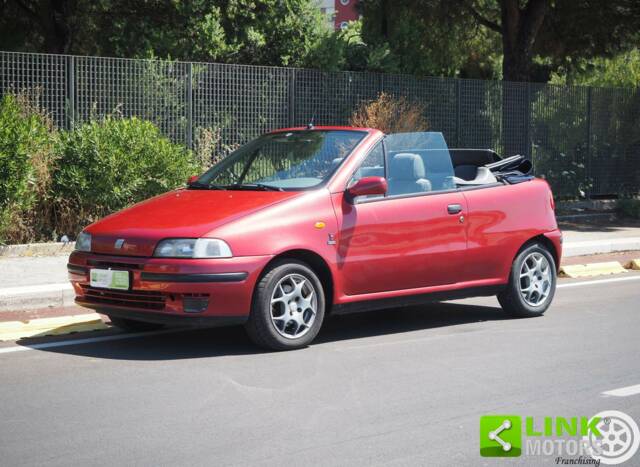

Auctions ending soon

Loading…
Loading…
Loading…
Loading…
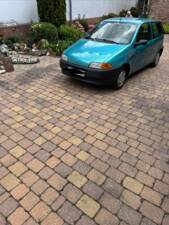
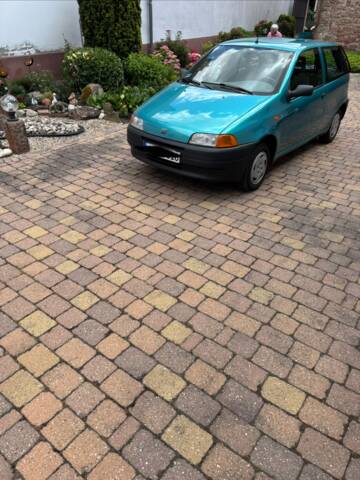
1995 | FIAT Punto 55
Sehr gut erhaltener Fiat Punto 176
FIAT Punto listing references from Classic Trader
Below you will find listings related to your search that are no longer available on Classic Trader. Use this information to gain insight into availability, value trends, and current pricing for a "FIAT Punto" to make a more informed purchasing decision.
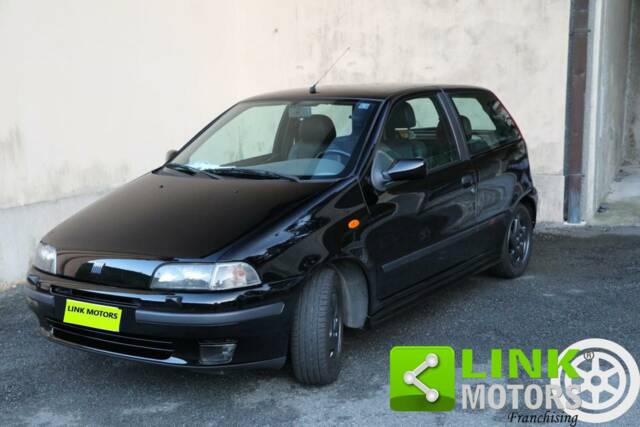
1998 | FIAT Punto GT
FIAT Punto GT TURBO - TARGA ORO
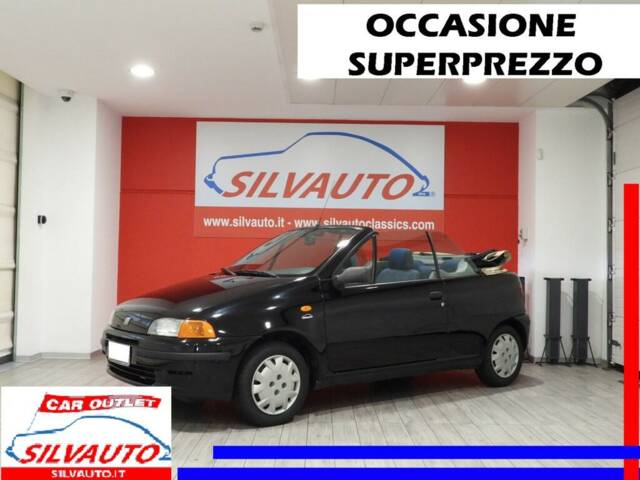
1999 | FIAT Punto 85 16V
FIAT PUNTO CABRIOLET 16V - SICURA RIVALUTAZIONE – CONSERVATO – SUPERPREZZO (1999)
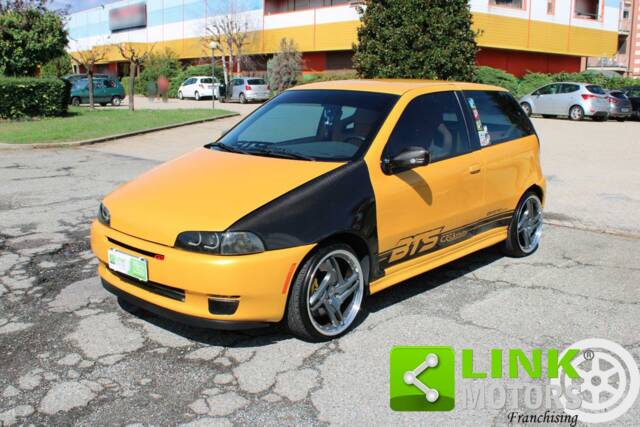
1997 | FIAT Punto GT
FIAT Punto GT turbo 2a serie cat 3 porte
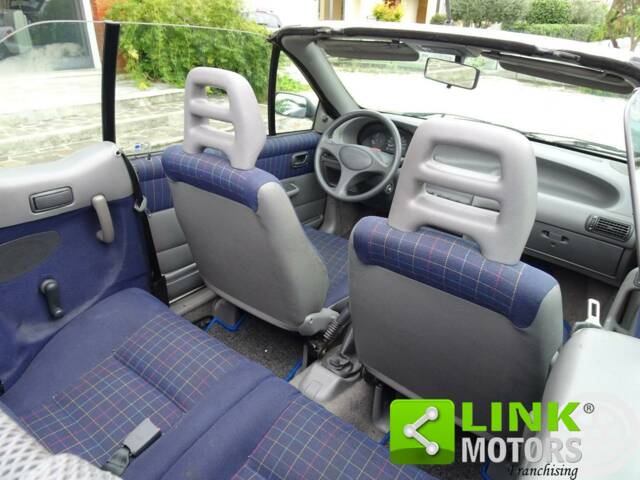
1995 | FIAT Punto Cabrio S
FIAT Punto Cabrio ISCRITTA ASI
FIAT Punto Classic Cars: Prices & Market Values
The market value of FIAT Punto classic cars is primarily determined by the specific manufacturer code and variant, as well as technical condition, originality and mileage. Additional factors include rarity, history and documentation. A well-maintained, largely original vehicle with low, verifiable mileage and complete history including appraisals and documentation typically achieves significantly higher prices than a comparable vehicle with deferred maintenance, many modifications or unclear provenance.
FIAT Punto: Market Prices & Value Trends
Based on Classic Trader marketplace sales data from March 2021 to January 2026, the FIAT Punto segment in Europe shows broadly stable pricing for mainstream road cars, with values clustering tightly and only occasional spikes for specialist models. Most standard Punto variants from the mid-1990s to early-2000s (such as Punto 60 S, 1.2, Cabrio S, 85 16V and 90 ELX) typically sit in the £3,000–£6,000 bracket, reflecting affordable entry-level classic status where condition, rust prevention and service history matter more than outright performance. Higher-performance editions command a clear premium: Punto GT and HGT examples commonly appear around £10,000–£15,000, suggesting sustained enthusiast demand for the quickest factory-spec cars. A small number of rally-derived or competition cars sit far above the mainstream market and should be treated as outliers rather than representative pricing. With many data points coming from Italian adverts (and occasional listings from the Netherlands, Germany, Greece and Poland), today’s market looks steady, with the best-kept GT/HGT cars most likely to hold value as surviving, original examples become harder to find.
History of the FIAT Punto
Launched in 1993, the FIAT Punto quickly established itself in the supermini segment as a modern answer to compact urban transportation. The first generation—also known as Tipo 176—introduced both a classic hatchback and a rare cabriolet, extending versatility in everyday life. The model underwent its first restyling in 1997, adopting new paint finishes and revamped interiors, reflecting FIAT’s ongoing focus on blending style with functionality. Over the years and three distinct generations, the Punto sold nearly nine million units globally—a testament to its enduring relevance.
Model History of the FIAT Punto
The Punto lineage began with the Tipo 176, born in 1993 and offered in both standard and cabrio versions—the latter produced until early 2001. The 1997 facelift brought not just cosmetic tweaks but mechanical improvements including the introduction of the FIRE 1.2 16V engine. The second generation (Tipo 188) pushed comfort and modernisation further, while the third—debuting as the Grande Punto and later rebadged Punto Evo—saw the model until its production end in 2018. Each iteration emphasised a different aspect: style, technology or urban mobility.
Highlights and Features of the FIAT Punto
The Punto is celebrated for details such as its three-spoke steering wheel, electrically operated front windows, height-adjustable driver’s seat and the convenient rear window demister. Standard kit on many models included central locking and 13-inch steel wheels with hubcaps, showing FIAT’s intention of supplying technology and comfort at a reasonable price point. Early models offered practicalities such as a removable radio face, rear pop-out windows and both saloon and cabrio variants—rare at this vehicle size. The Punto’s practicality and genuine Italian character are reflected by features such as support documentation (owner’s manual, service books).
Technical Data
Special Editions and Collectible Models
The Punto Cabrio stands out for its electric hood (especially after the 1997 facelift), a rarity in the supermini class. Limited editions often featured unique fabric trims and colour options. Documentation such as dedicated Punto service books and accessory bundles increased the exclusivity for particular runs.
Engine and Performance, Transmission and Handling
The Punto’s driving dynamics are defined by light, direct steering and a chassis designed to handle urban routes without fuss. Early models’ engines—especially the updated 1.2 16V FIRE—balanced adequate power with renowned fuel efficiency. Transmission choices supported ease of use, in keeping with the car’s city-friendly outlook. The cabriolet, while heavier, remained surprisingly nimble due to FIAT’s attention to weight control. - Punto Tipo 176 1.2 16V: Compact, rev-happy engine and advanced camshaft drive system
- Punto Cabrio: A rare open-top in its class with electric folding roof
- Later Punto models (Tipo 188, Tipo 199): Improvements in refinement, equipment and safety
Interior, Comfort, Exterior and Design
Designer influences ensured the Punto stayed dynamic throughout its life: crisp lines, practical proportions and simple, functional interiors set it apart. Notable details ranged from the black plastic bumpers on early models to innovative use of interior fabrics. Special editions brought unique paint schemes and accessories. Accessories included: open storage compartments, digital clocks and removable radio faces on select versions. The cabriolet’s soft top added another layer of uniqueness to the range. Attention was paid to everyday comfort—height-adjustable driver’s seat, practical three-spoke steering wheel and accessible controls.
Other Noteworthy Features
The Punto included features such as rear glovebox covers, hazard warning lights, and a full set of original documentation. Fiat often provided extensive owner manuals and service books—a plus for long-term upkeep and provenance.
Summary
The Fiat Punto covers one of the most pivotal eras in small car history, earning its place both in households and among classic car collectors. Across its generations, the Punto combined technical innovation—such as its unique camshaft drive system—with practicality, style and, in select models, genuine open-top motoring. Typed by its robust supply and consistent demand, especially in the early Tipo 176 generation, the Punto’s legacy lies in its ability to offer more than basic transport—delivering accessible, thoroughly Italian urban motoring heritage.