- Car
- FIAT
- FIAT Punto
- FIAT Tipo 176 (2 offers)
FIAT Punto Tipo 176 Classic Cars for Sale
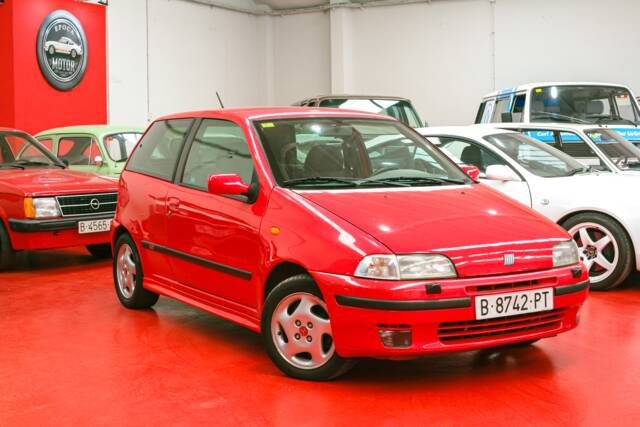
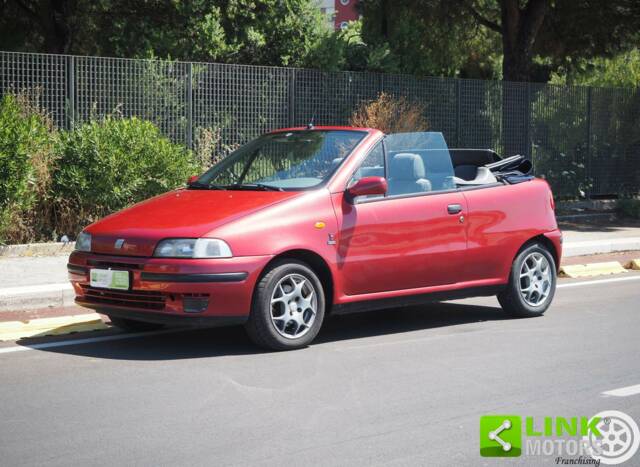
The FIAT Punto Tipo 176, produced from 1993 to 1999, stands out among classic small cars for its practical interior space, diverse model variants, and the positively acclaimed design by Giorgetto Giugiaro. Popular as both a city runabout and daily driver, the Punto Tipo 176 is especially sought after in the rare Cabrio configurations, with robust supply and demand figures in the classic car market.
Search results


Auctions ending soon

Loading…
Loading…
Loading…
Loading…
FIAT Punto Tipo 176 listing references from Classic Trader
Below you will find listings related to your search that are no longer available on Classic Trader. Use this information to gain insight into availability, value trends, and current pricing for a "FIAT Punto Tipo 176" to make a more informed purchasing decision.
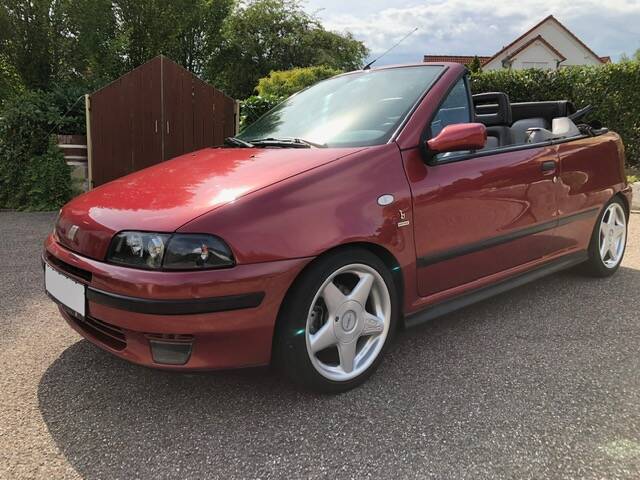
1994 | FIAT Punto 90 ELX
Original und doch ein Unikat

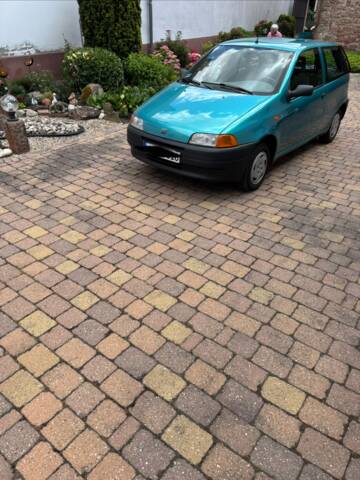
1995 | FIAT Punto 55
Sehr gut erhaltener Fiat Punto 176
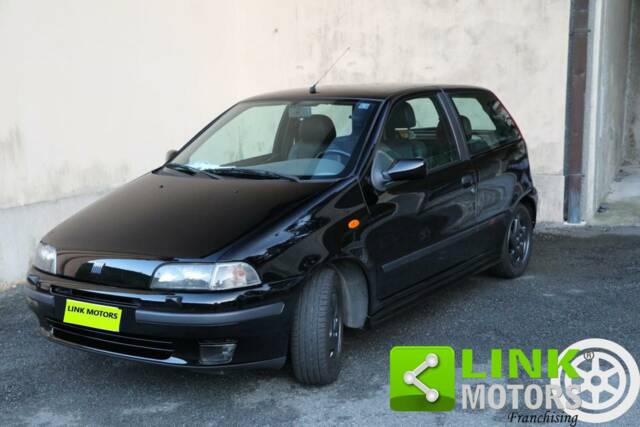
1998 | FIAT Punto GT
FIAT Punto GT TURBO - TARGA ORO
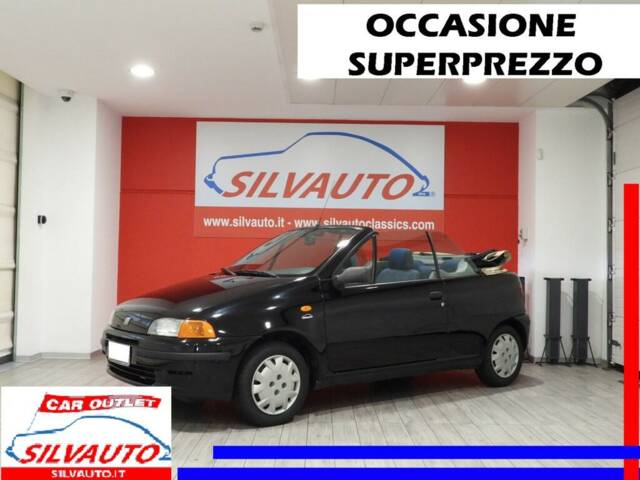
1999 | FIAT Punto 85 16V
FIAT PUNTO CABRIOLET 16V - SICURA RIVALUTAZIONE – CONSERVATO – SUPERPREZZO (1999)
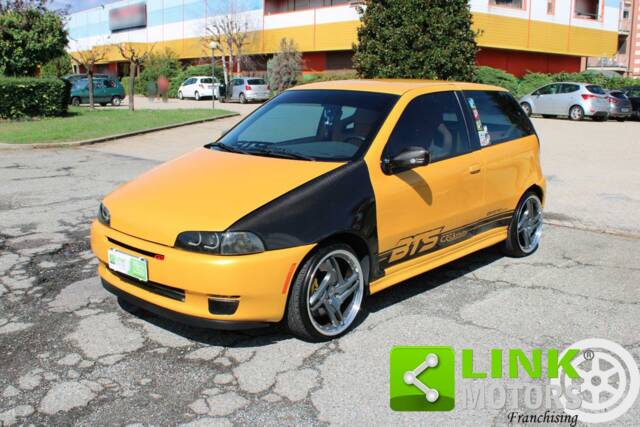
1997 | FIAT Punto GT
FIAT Punto GT turbo 2a serie cat 3 porte
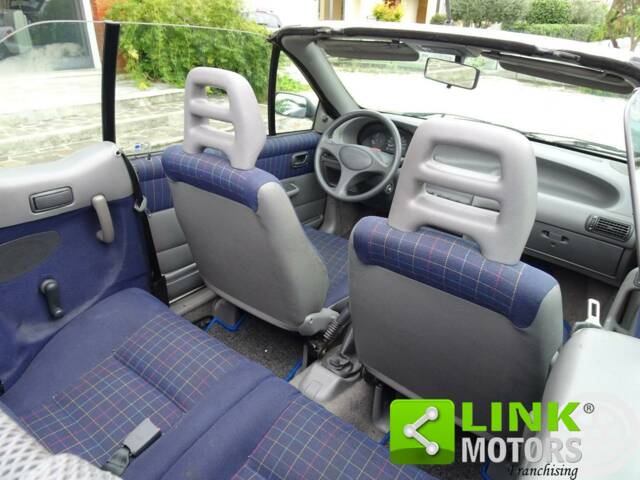
1995 | FIAT Punto Cabrio S
FIAT Punto Cabrio ISCRITTA ASI
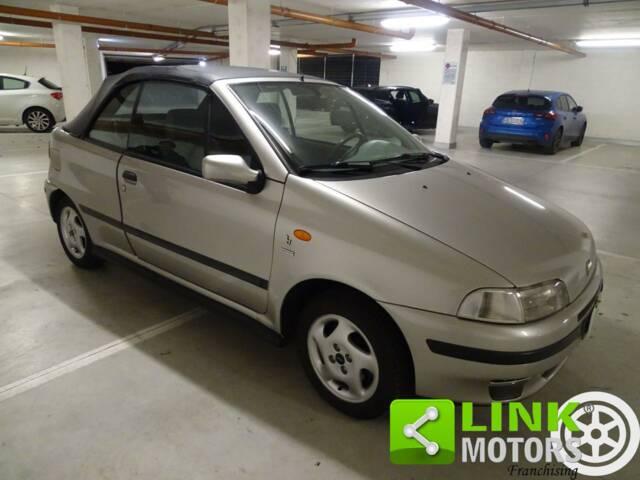
1994 | FIAT Punto 90 ELX
FIAT Punto 1.6 CABRIO 88 CV ASI
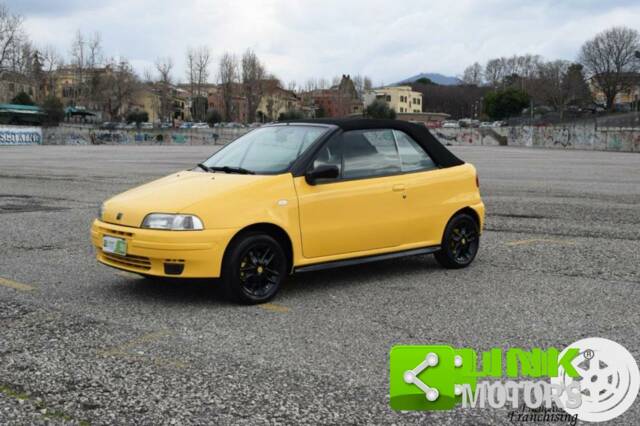
1999 | FIAT Punto 85 16V
FIAT Punto 85 16V Cabrio
FIAT Punto Tipo 176 Classic Cars: Prices & Market Values
Introduction and history of the FIAT Punto Tipo 176
Launched in 1993, the FIAT Punto Tipo 176 marked a significant leap for the brand’s small car range, taking over from the FIAT Uno. The model immediately made an impression with its innovative design by Giorgetto Giugiaro, excellent practicality, and a variety of body styles, including 3- and 5-door hatchbacks and a notable convertible—atypically sporty for this car segment. As a testament to its broad appeal and innovative approach, the Punto was crowned European Car of the Year in 1995 and quickly became the continent’s best-selling car in the mid-1990s. The convertible model (Cabrio) was introduced in 1994, and continued until 2001, by which time the second-generation Punto had already arrived. Over its production run, the Tipo 176 established a strong reputation for urban usability and value.
Model history
The Punto Tipo 176 followed the highly successful FIAT Uno and was itself succeeded by the Punto Mk2 (Type 188). The model span covered a wide range with base petrol models featuring the reliable FIRE engine as well as more powerful variants like the GT Turbo and the sought-after Cabrio. The 1997 facelift brought updated exterior colours and interior trims, alongside the highly regarded 1.2-litre 16V engine, which was both more powerful and efficient than the outgoing 1.6-litre unit. With the second-generation Punto (Mk2) launching near the end of the first one’s Cabrio production, FIAT maintained the Tipo 176’s convertible in the range for classic small car buyers.
Highlights of the FIAT Punto Tipo 176
The FIAT Punto Tipo 176’s strengths are rooted in its diverse model range, practical interior, and innovative engineering for its class. Its design, penned by industry legend Giugiaro, was lauded for its clear, functional lines and good use of interior space—especially impressive for a small car of this period. The rare Cabrio and the GT Turbo hot hatch brought further variety and collector interest, while the 1997 facelift introduced improved engines and refreshed styling. Notably, the 1.2-litre 16V engine is praised for its clever dual-cam drive—one camshaft is belt-driven, while the second is gear-driven, reducing engine bay dimensions.
Technical data
Special Editions and Collectible Models
Among the Punto Tipo 176 range, the Cabrio—especially in the 85 16V guise—is recognised as a collectible, primarily for its rarity and specific technical appeal. The GT Turbo models also attract enthusiasts due to their performance and tuning potential. The 1997 facelift is distinguished by new upholstery options and the introduction of advanced FIRE units. Factory radio configurations such as the Blaupunkt Bristol CD 35 were notable accessories for the period.
Weak Spots and Common Issues
Despite its popularity, the Punto Tipo 176 is known for several typical FIAT issues of its era. Common concerns include electrical glitches, rapidly wearing ancillaries, and overall moderate long-term reliability. Corrosion remains a persistent problem, especially at the sills, wheel arches, and underbody—despite partial galvanisation. Small petrol engines are durable but can feel sluggish, while the GT variants require vigilant maintenance. The car is basic by current safety standards, lacking modern assistance or protection systems and with modest crashworthiness.
Engine and Performance, Transmission and Handling
The Punto Tipo 176 line-up includes a broad spectrum of engines: reliable FIRE units from 1.1 to 1.2 litres (including the advanced 1.2 16V with 86 PS after 1997) and the punchy 1.4 GT Turbo. Lower-spec engines are tuned for city driving rather than outright performance, which can mean they struggle at higher speeds. The GT offers significantly enhanced speed and handling for the segment, while the Cabrio prioritises relaxed, open-air motoring. Gearboxes are typically robust 5-speed manuals, and handling is neutral, if somewhat dulled by soft suspension settings in non-GT models. Highlighted variants:
- Punto Cabrio 85 16V (Post-1997; 1.2l 16V, 86 PS, electric soft-top)
- Punto GT Turbo (1.4l Turbo, high performance for its class)
- Standard FIRE-engined hatchbacks (noted for reliability and efficiency)
Interior, Comfort, Exterior and Design
Giorgetto Giugiaro’s design gave the Punto Tipo 176 a practical, welcoming look, maximising interior space and boot capacity for a car of this size. Cabrio versions are fitted with a power-operated soft-top and came with factory radio options (notably the Blaupunkt Bristol CD 35) and accessories like removable faceplates. Facelifted models received updated fabrics and colour options. Dashboard ergonomics were straightforward, if basic. As for special options, period accessories included a document wallet, original manuals, and radio pre-wiring from the factory.
Other relevant features
The FIAT Punto Tipo 176 stands out in the used classic market for its affordable price range, characterful urban manners, and its surprisingly versatile boot (up to 1080 litres with seats down). Collectors prize unmolested Cabrio and GT Turbo models, especially those with documented original accessories and full maintenance history.
Summary
The FIAT Punto Tipo 176 distinguishes itself as a classic Italian small car with a combination of clever design, urban usability, and a range of configurations from practical hatchback to open-top Cabrio and performance GT. Its complete dominance in both supply and demand within its classic category underscores its clear association as the definitive Punto classic. Buyers should factor in known weak spots—especially in terms of age-related corrosion and typical 1990s FIAT quirks—while appreciating the spaciousness, versatility, and collectors’ appeal of special variants.