Citroën CX classic cars for sale
The Citroën CX, produced from 1974 to 1991, stands out with its hydropneumatic suspension and aerodynamic silhouette. Available as fastback saloon and estate, it offered advanced technology and unusual comfort for its class. Numerous variants, efficient engines and a reputation for innovative engineering solidify its place in automotive history.
Search results
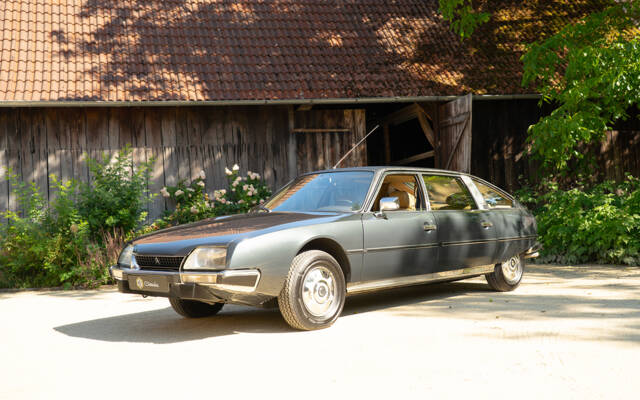
1976 | Citroën CX Prestige
Rare first-series model with flat roof, restored and with documented French history
Preview

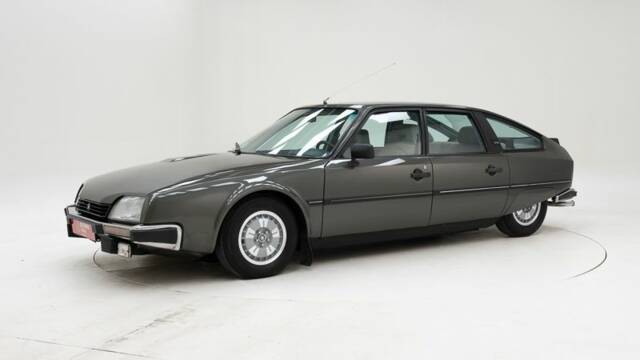
1985 | Citroën CX 25 GTI
1985 Citroen CX 25 GTI '85

Auctions ending soon

Loading…
Loading…
Loading…
Loading…
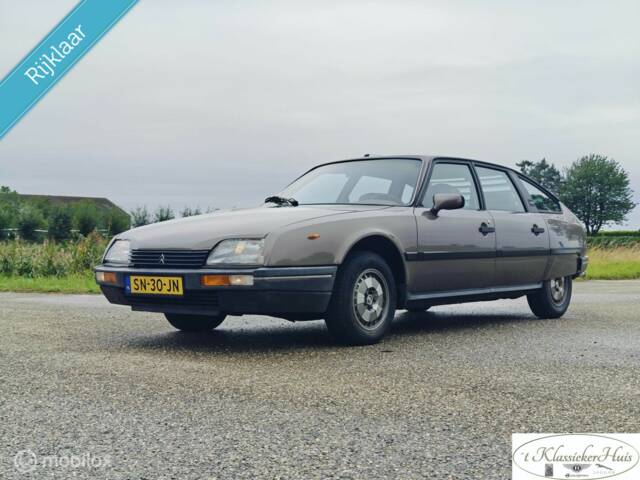
1987 | Citroën CX 2000 Pallas
Citroen CX 2.0 RE

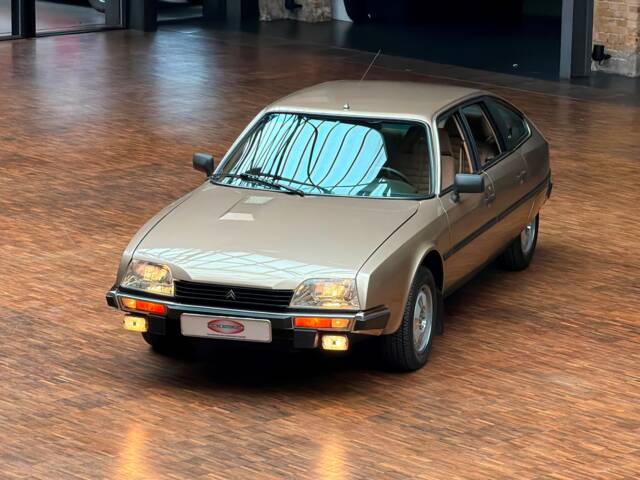
1984 | Citroën CX 25 GTI Turbo
Schwyzer Original
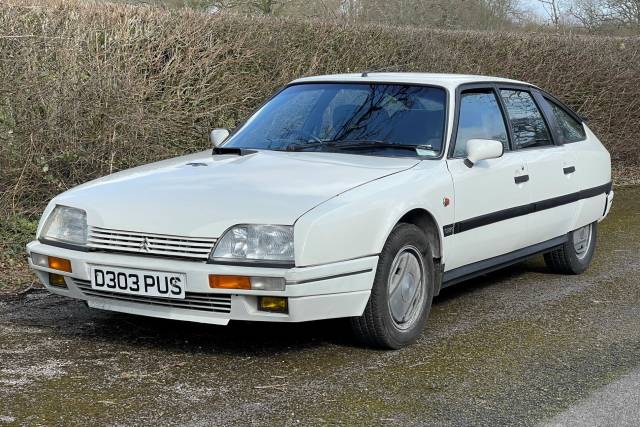
1987 | Citroën CX 25 GTI Turbo 2
Citroen CX25 GTi Turbo 2

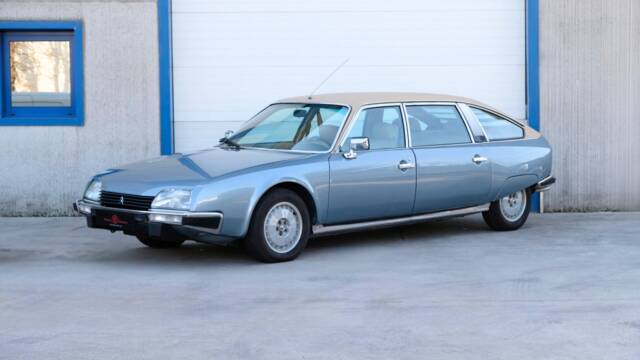
1984 | Citroën CX 25 Prestige
Beautifully preserved example

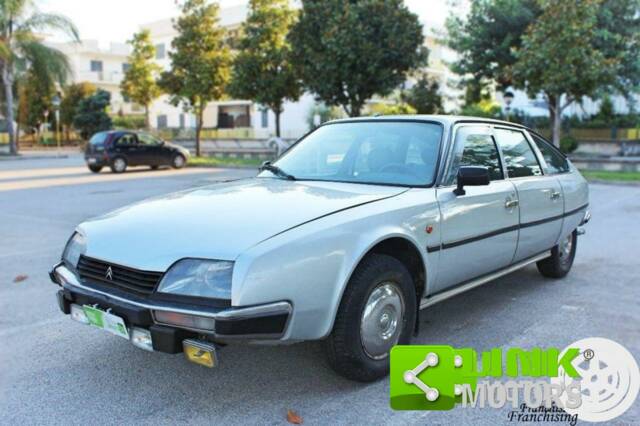
1981 | Citroën CX 25 Pallas D
CITROEN CX 2500 diesel Pallas
Citroën CX listing references from Classic Trader
Below you will find listings related to your search that are no longer available on Classic Trader. Use this information to gain insight into availability, value trends, and current pricing for a "Citroën CX" to make a more informed purchasing decision.
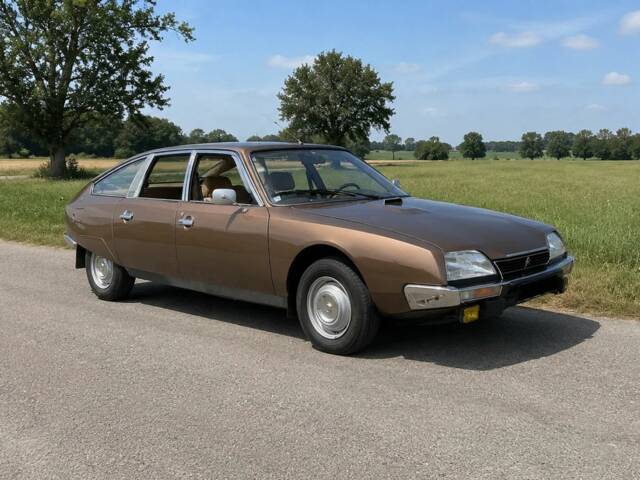
1976 | Citroën CX 2000 Pallas
Citroën CX 2400 | 1976 | Route 66 Auctions - For sale by auction. Estimate 7500 EUR
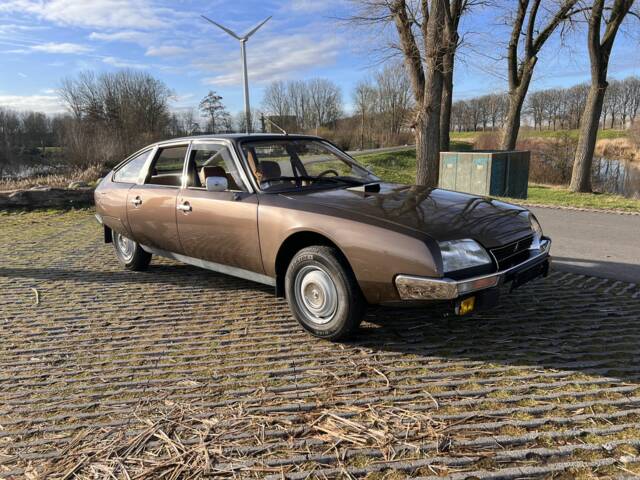
1976 | Citroën CX 24
Citroën CX 2400 | 1976 | Route 66 Auctions - For sale by auction. Estimate 7500 EUR
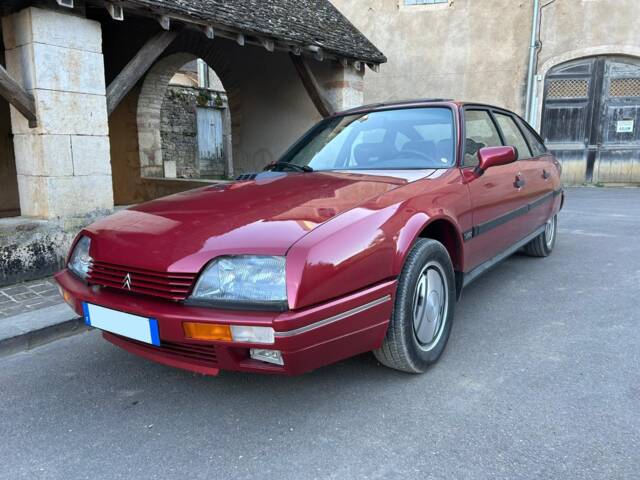
1987 | Citroën CX 25 GTI Turbo 2
Très rare CX GTI Turbo 2 – cuir rouge / clim / toit ouvrant

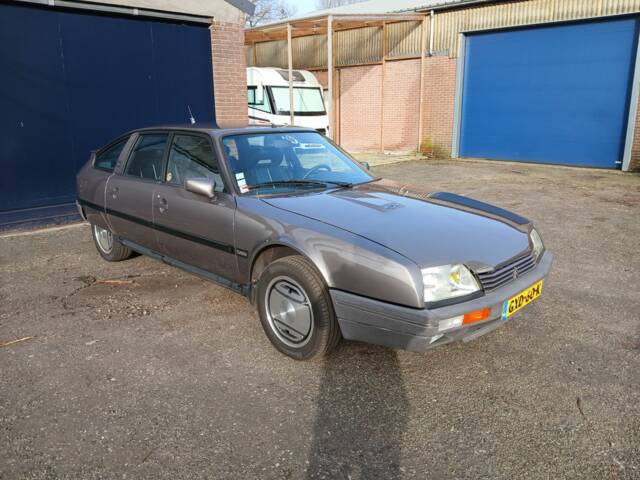
1987 | Citroën CX 22 TRS
CX GTI TURBO 2 | 1987 | Route 66 Auctions - For sale by auction. Estimate 5500 EUR
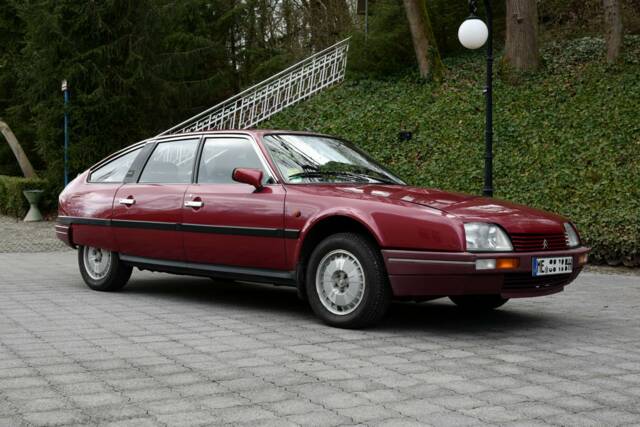
1987 | Citroën CX 25 GTI
Citroën CX 25 GTI | 1987 | Route 66 Auctions - For sale by auction. Estimate 5500 EUR
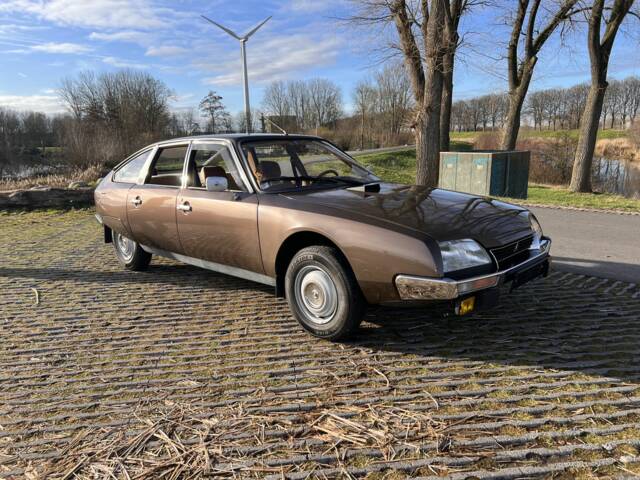
1976 | Citroën CX 2400
Citroën CX 2400 | 1976 | Route 66 Auctions - For sale by auction. Estimate 6500 EUR
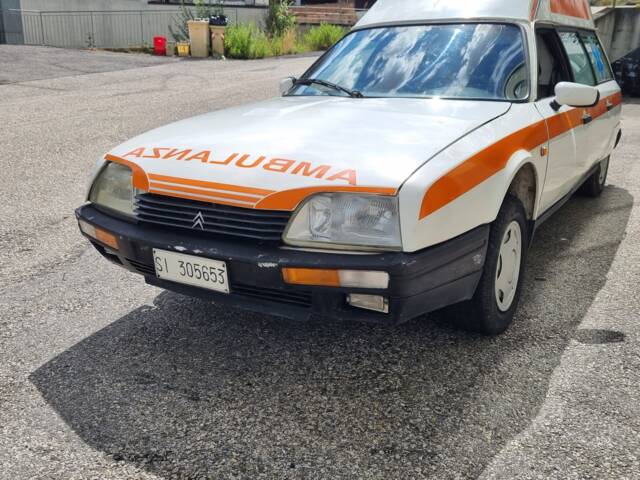
1987 | Citroën CX 25 Turbo Diesel Break Heuliez
Ambulanza Normalizee Heuliez
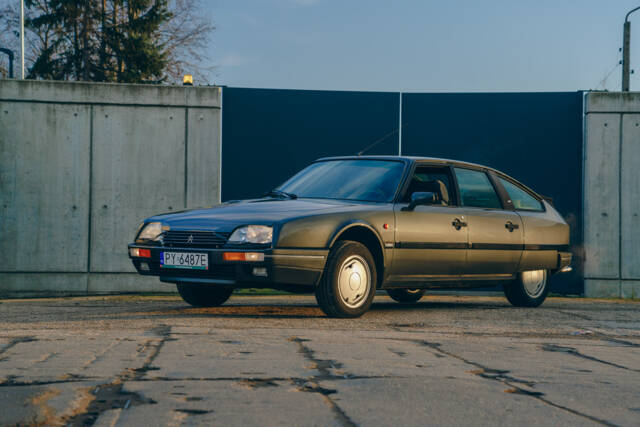
1988 | Citroën CX 25 GTI Turbo 2
Very rare, 1 of 592 produced, time capsule

Citroën CX Classic Cars: Prices & Market Values
The market value of Citroën CX classic cars is primarily determined by the specific manufacturer code and variant, as well as technical condition, originality and mileage. Additional factors include rarity, history and documentation. A well-maintained, largely original vehicle with low, verifiable mileage and complete history including appraisals and documentation typically achieves significantly higher prices than a comparable vehicle with deferred maintenance, many modifications or unclear provenance.
Citroën CX: Market Prices & Value Trends
Based on sales data from the Classic Trader marketplace, the Citroën CX market in Europe has shown a gently rising to stable trend over the period from early 2021 to January 2026, with the strongest money consistently attached to desirable GTI and Turbo variants. Recent asking prices cluster well above the bargain end, suggesting that good, usable cars are becoming harder to find and buyers are paying more for originality and sorted hydropneumatics. Ignoring obvious outliers and one-off specials, a realistic current market range for most Citroën CX models is roughly €7,000–€24,000, depending on body style, history and condition. Entry-level diesels and standard CX 20/25 examples often sit in the €5,000–€10,000 bracket, while well-presented GTI, Prestige and especially CX 25 GTI Turbo 2 (typically 1986–1989) commonly trade around €18,000–€25,000; UK adverts add further spread in £. This points to a market that rewards rare specification, period performance and well-documented maintenance rather than mileage alone.
History of the Citroën CX
The Citroën CX was introduced in 1974 as the successor to the DS and represented a technical leap forward, especially with its hydropneumatic self-levelling suspension and distinctive streamlined body. Developed during a time of economic turbulence, the CX prioritised fuel efficiency while offering comfort, which helped it achieve rapid commercial success. After one year, over 100,000 cars had already been sold. The CX was widely recognised for innovation, winning 'Car of the Year' in 1975 and being heralded as one of the safest vehicles of its time. By the close of production in 1991, around 1.2 million units had been sold. Its reputation was further enhanced by its use as an executive car for public authorities, especially in Eastern Europe. The vehicle was manufactured in various plants in France and exported widely across Europe.
Model History
The CX initially launched in two core versions: a standard-wheelbase saloon (Berline) and a longer-wheelbase estate (Break). Over its lifetime, two distinct series emerged. Series I (1974–1985) featured classic chrome bumpers and distinctive 'lupentacho' instruments. In 1985, Series II updated the look with plastic bumpers, round dials, and interior improvements. Engine displacement grew from 2.0 to 2.5 litres, with both petrol and—later—diesel options, including turbocharged variants. Standout models include the 2.5 GTI Turbo and luxurious Prestige, as well as the ultra-capacious Break Familiale, able to seat up to eight. The CX was eventually succeeded by the more conventional Citroën XM in 1991.
Highlights and Statistics
• Hydropneumatic suspension provided a ride comfort and handling balance that was unique in its era. • Streamlined bodywork and attention to aerodynamics resulted in a drag coefficient as low as 0.36, a highlight for the era. • The CX was offered in many forms, from base RE and TRS to the spirited GTi Turbo and spacious Familiale estate. Specialist conversions—ambulance, extended van, and more—demonstrate its versatility. • The innovative DIRAVI self-centring steering system and all-round disc brakes further mark its technical profile.
Technical Data
Special Editions and Notable Versions
A range of notable special editions and versions underline the CX's diversity. The 'Prestige' featured a longer wheelbase and increased rear-seat space, catering for official and VIP usage. GTI and GTI Turbo delivered increased performance with fuel-injection and turbocharging. The Familiale estate offered up to eight seats, unmatched practicality, and specialist conversions (such as ambulances and long-wheelbase vans by Tissier and Pypops). Rarer trims like Pallas and Croisette provided unique features or were locally adapted for specific markets.
Weak Spots and Common Issues
Areas to watch with the CX include door trim panels prone to cracking, oil leaks from old seals, and recurring roof lining fabric detachment. Surface corrosion and rust are notable risks at doors and selected body zones, especially if preventive care was neglected. Clearcoat degradation on horizontal panels can occur, and electrical components or hydropneumatic suspension spheres may require periodic attention. The availability of spare parts remains good due to active clubs and specialist suppliers across Europe.
Engine, Performance, Transmission and Handling
Engine outputs range from 101 hp (2.0 RE) up to 168 hp (2.5 GTI Turbo), allowing for top speeds up to 220 km/h in later performance models. Four- and five-speed manual transmissions were standard, while the C-Matic and fully automatic gearboxes were available on selected versions. Hydropneumatic suspension provided the famed smooth ride—even over poor roads—and the DIRAVI steering delivered both self-centering and precision. Disc brakes all round and a low centre of gravity contributed to uncharacteristically agile handling for a large executive car. • CX 2.5 GTI Turbo: 168 hp, 220 km/h, definitive sporting CX experience. • CX Prestige: Long-wheelbase, luxury interior, VIP/official car standards. • CX Familiale: Extended estate, up to 8 seats, outstanding utility.
Interior, Comfort, Exterior and Design
Robert Opron styled the CX with a teardrop, aerodynamic shape and trapezoid headlights, resulting in its characteristic silhouette. Special attention was paid to interior ergonomics, with innovative instruments like the 'lupentacho' magnifier speedometer and non-conventional switchgear (replaced by more conventional round dials in later models). High-grade trims offered electric windows, leather or plush fabric seat options, climate control, central locking, and an electrically operated sunroof. Pallas models featured upgraded carpets, additional chrome, and sometimes special paint finishes. Accessories included removable reading lamps, on-board tool kits, space-saving spare wheels (in the engine bay), and practical roof racks. Break versions boasted a low loading lip and large, hydraulic-assisted rear tailgate. Rare special colours like "Gris perle GVE" and "Memphis Blue" were available, enhancing exclusivity.
Other Features
Estate models provided 2,128 litres of luggage space with seats folded, making them uniquely capable among classics. The Citroën CX was also commonly converted to LPG in special editions like the TRS Croisette, and adapted for use as ambulances or delivery vehicles. Most cars offered a comprehensive toolkit, original manuals, and some have specialist valuation certificates to support classic registration and insurance.
Summary
The Citroën CX is a distinctive classic, combining technical sophistication with practical body styles, a focus on driving comfort, and market significance that endures to this day. High supply and demand figures reveal the continued enthusiasm for this model, supported by good parts availability and a strong owners' community, making it a true highlight for anyone interested in advanced French executive cars of the late 20th century.