Citroën AX classic cars for sale
The Citroën AX stands as one of the lightest and most fuel-efficient superminis produced by Citroën between 1986 and 1998. Noted for its innovative use of materials, lively handling, and surprising performance in the compact class, the AX offers unique charm and rarity for enthusiasts and collectors alike.
Résultats de la recherche
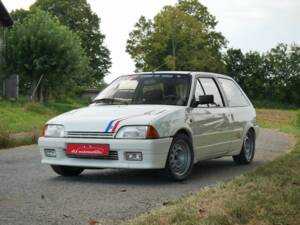
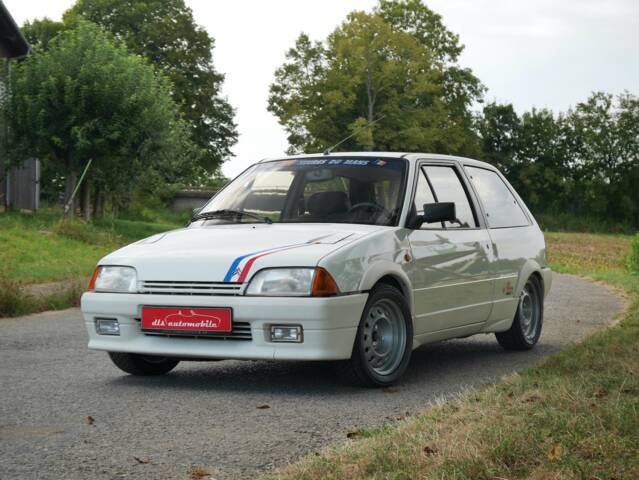
1987 | Citroën AX Sport
Citroen AX Sport // unrestauriert im Erstlack // 118PS // Rarität!
Citroën AX listing references from Classic Trader
Below you will find listings related to your search that are no longer available on Classic Trader. Use this information to gain insight into availability, value trends, and current pricing for a "Citroën AX" to make a more informed purchasing decision.
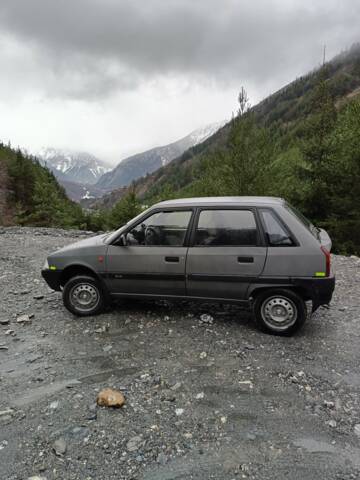
1991 | Citroën AX 4x4
Citroen AX 1400 cinque porte 4X4
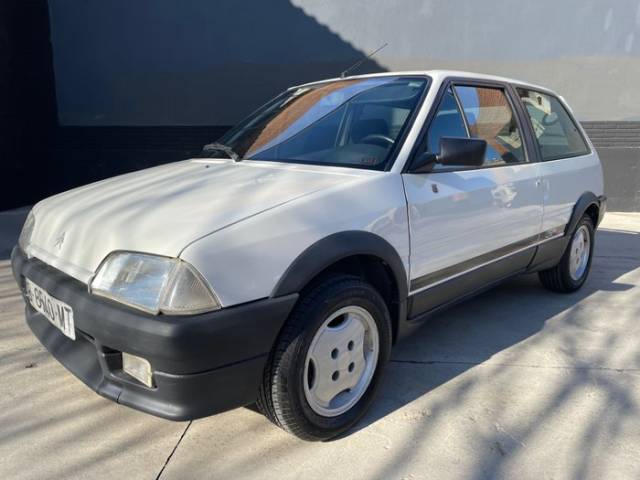
1991 | Citroën AX GT
Citroën - AX Gti - 1991
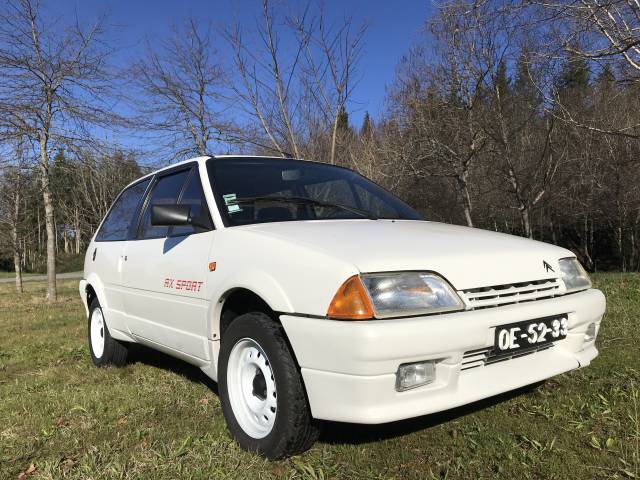
1987 | Citroën AX Sport
Underrated 80's Hot Hatch for sale
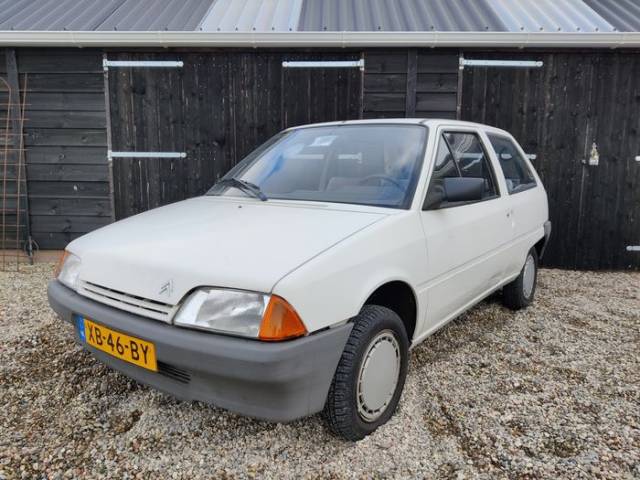
1989 | Citroën AX
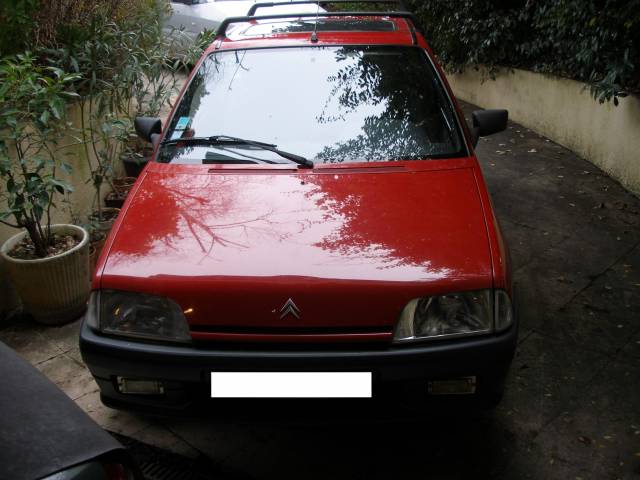
1992 | Citroën AX 4x4
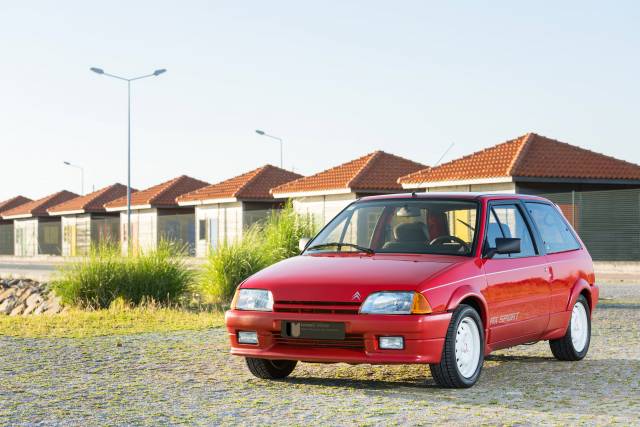
1988 | Citroën AX Sport
1988 Citroen AX Sport- Fully Restored
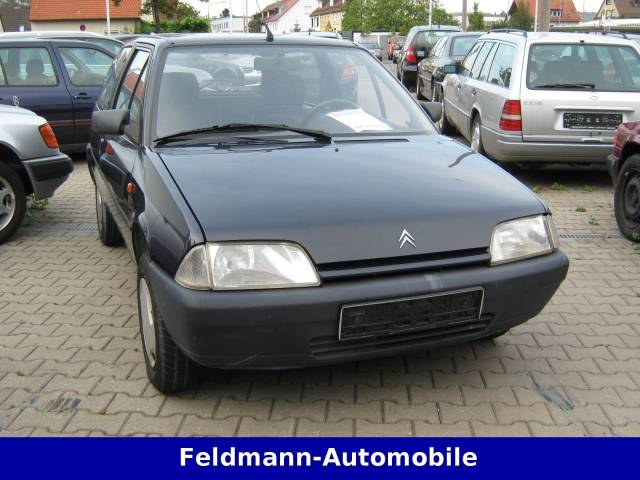
1994 | Citroën AX Teen
Citroën AX Teen
Citroën AX Classic Cars: Prices & Market Values
History of the Citroën AX
Launched during the 1986 Paris Motor Show and produced until 1998, the Citroën AX was conceived as a modern replacement for the Visa and LNA. Its development began in 1983 as a shared project with Talbot, though the Talbot badge never made it to market. The AX used a fully independent suspension and an unusually long wheelbase for improved comfort and stability in its segment. Its aerodynamically efficient, lightweight design stemmed from extensive use of plastic in non-load-bearing areas, directly contributing to its renowned fuel economy. The AX even found its way into the Guinness Book of Records for travelling over 1,000 miles on 10 gallons of fuel, making it the most economical production car of its time.
Model History of the AX
The AX replaced the Citroën Visa and LNA, with its development outpacing that of its planned Talbot sibling. Early models launched as three- and five-door hatches with several petrol and diesel engine options and both four- and five-speed manual gearboxes. The range also included a rare 4x4 version—although this four-wheel-drive model was not available in the UK and saw limited success. Over the years, the AX underwent subtle updates, particularly as emission standards tightened in the early 1990s, leading to the adoption of fuel injection and catalytic converters across the range. Special variants such as the AX Sport and AX GT reflected the brand's focus on performance within the supermini category.
Highlights of the Citroën AX
The AX stands out for its exceptional lightweight construction, aerodynamic body and fuel efficiency that set benchmarks in its class. The 1.3-litre AX Sport, in particular, is notable for its 95 PS from twin carburettors and minimal weight—features that made it a sought-after hot hatch in the late 1980s. The car’s distinctive Guinness record for fuel economy underlines Citroën’s engineering approach to practical, everyday motoring. Collector interest centres on models with original equipment and rare early production details, such as the Phase 1 AX Sport in white, complete with original steel wheels, special badging, and the unique ORGA-number system for the traceability of production dates.
Technical Data
Special Editions and Collectible Models
The standout AX variant is the Phase 1 AX Sport, introduced in 1987 with a limited production run. This version featured a 1.3-litre engine with twin carburettors producing 95 PS, white-only paintwork, and special Michelin steel wheels reminiscent of those on the Peugeot 205 Rallye. The AX GT Phase 1, with its 1.36-litre engine and double carburettors, is also prized—especially unmodified early models retaining original interior trim and the signature ORGA production code tracing system. Later cosmetic updates—like additional exterior colours and GT wheels—enhance their individuality.
Weak Spots and Common Issues
While the AX's light bodywork contributed to its efficiency, it also made it susceptible to rust, particularly in structural areas and around suspension mounts, so regular inspection is essential. Early carburettor engines can require expert tuning, especially on the AX Sport, and wear on the manual gearboxes may be apparent in high-mileage cars. Interior plastics can become brittle with age, especially under strong sun exposure, and the lightweight construction can make the AX vulnerable to accident damage.
Engine and Performance, Transmission and Handling
The AX’s enthusiastic handling is a result of its fully independent suspension and low weight. Engine choices ranged from frugal diesels to the energetic 1.3-litre petrol found in the AX Sport and the 1.36 in the GT, offering brisk acceleration by class standards and remarkable agility in corners. The five-speed manual transmissions facilitate lively driving, while the long wheelbase ensures comfort on rougher roads. Braking and steering are precise for the period, contributing to the AX’s reputation as a rewarding supermini to drive. - AX GT Phase 1: 1,360 cm³, 85 PS, 0–100 km/h in 9.6 s, 5-speed manual, weighs 802 kg.
- AX Sport (Phase 1, 1987): 1.3-litre with twin carburettors (up to 95 PS), racing-inspired engineering, Michelin steel wheels, white paintwork exclusive.
Interior, Comfort, Exterior and Design
The AX’s shape reflects Citroën’s commitment to aerodynamics and distinctive design: pronounced wedge profile, compact dimensions, and characteristic slim pillars maximise both efficiency and visibility. The original interior (particularly in early Phase 1 models) maintained minimalist French ergonomics and distinctive dashboards. Optional features on selected variants included GT wheels and rear spoilers, while special limited editions often introduced unique upholstery and colour options. The AX Sport uniquely came in white, emphasising its sporting character and rally lineage, while Michelin steel wheels acknowledged its competition influences.
Other Features and Details
Each AX bears an ORGA number, a Citroën internal production code system that enables precise tracing of the manufacturing date—a valuable detail for collectors. While most AX models share a front-wheel-drive layout, the rarely seen 4x4 highlights Citroën’s experimental edge, albeit with minimal commercial success. Unique delivery histories, such as original Dutch-market examples, can add to a car’s provenance.
Summary
The Citroën AX combines design innovation, fuel efficiency and lively driving with a lightweight body. Its standout models—the AX GT and AX Sport—deliver engaging performance rare for a car of its size and era, while standard models remain affordable entries into the world of classic Citroën ownership. Collectors value vehicles with authentic early features and special editions. Robust, yet requiring careful maintenance against rust and wear, the AX makes an intriguing, distinct choice within the classic supermini category.