- Automobil
- Alfa Romeo
- Alfa Romeo Spider (71 Angebote)
Alfa Romeo Spider – Classic Car Buying Guide
The Alfa Romeo Spider exemplifies Italian open-top motoring across four distinct generations, combining design prowess from Pininfarina with the famed Alfa Twin Cam engine. From the graceful Duetto of 1966 to the refined Serie 4, the Spider evolved for nearly three decades while always staying true to rear-wheel drive and agile handling. Discover its model history, technical data, and unique design elements to assist your search for a classic open Alfa.
Suchergebnisse
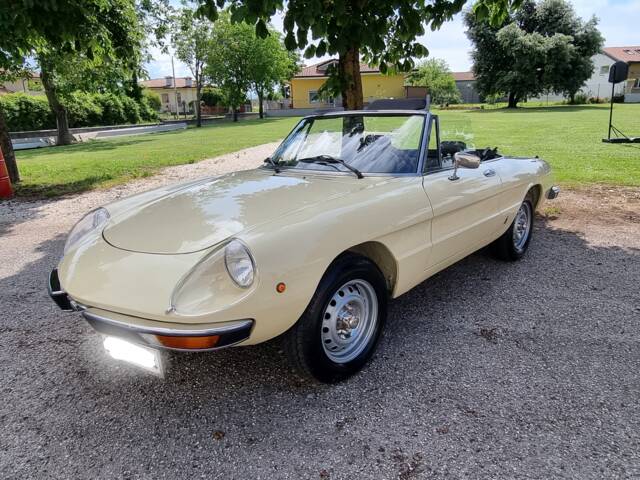
1981 | Alfa Romeo 1600 Spider
SPIDER VELOCE 1600 UNIFICATO

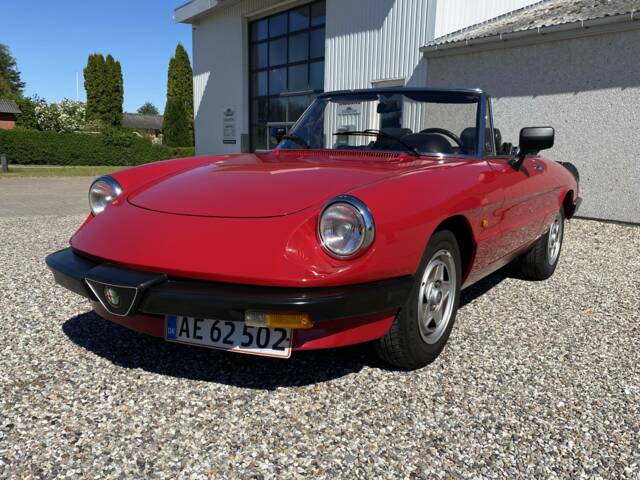
1986 | Alfa Romeo 2.0 Spider
Only 3 owners

1990 | Alfa Romeo 2.0 Spider
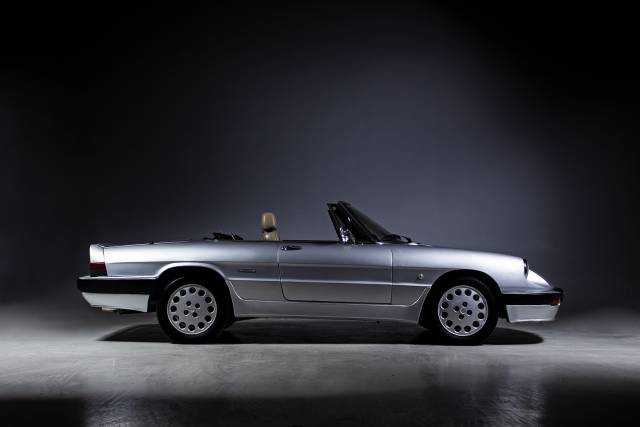
ALFA ROMEO SPIDER 2.0 QV (GREEN QUADRIFOGLIO) SERIES III of 1990

1973 | Alfa Romeo 2000 Spider Veloce
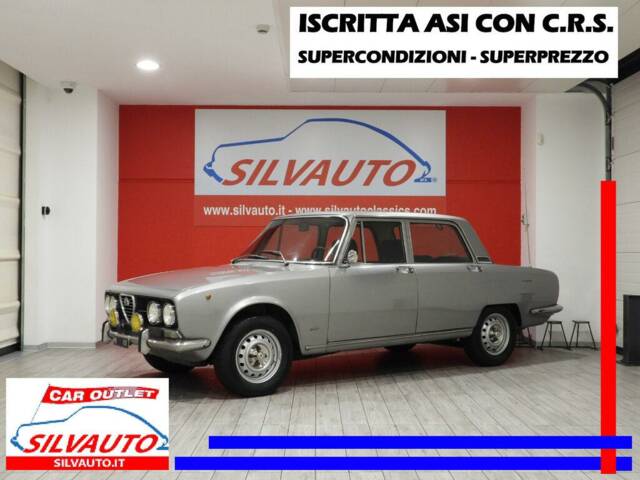
ALFA ROMEO 2000 TIPO 105.12 - ISCRITTA ASI CON C.R.S. – SUPERCONDIZIONI – SUPERPREZZO (1973)
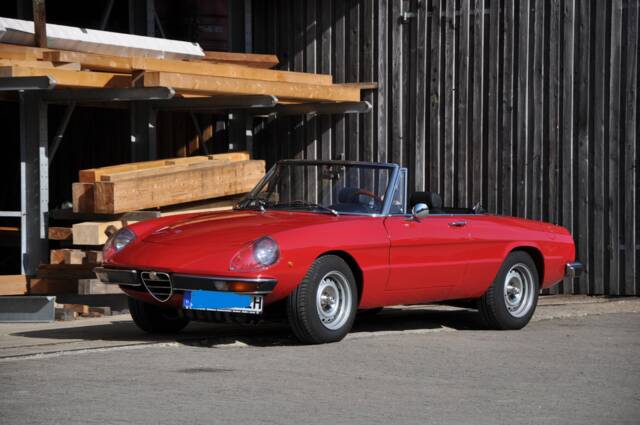
1974 | Alfa Romeo Spider 1300 Junior
Spider 1300 Junior (Fastback) conversion to 2000

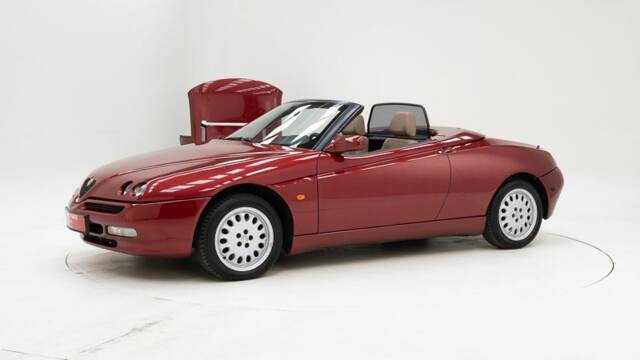
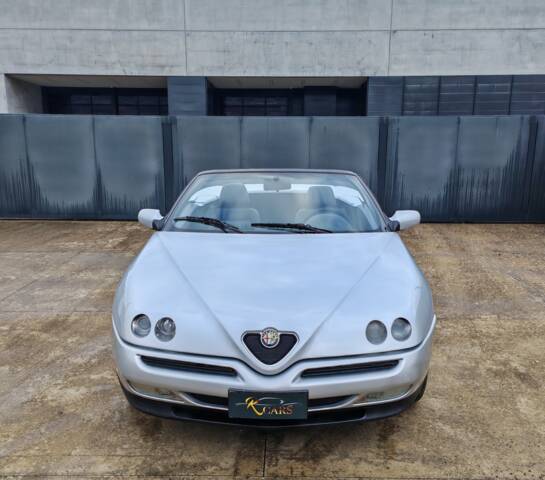
1996 | Alfa Romeo Spider 2.0 Twin Spark 16V
1996 Alfa Romeo Spider 2.0 Twin Spark 16V '96

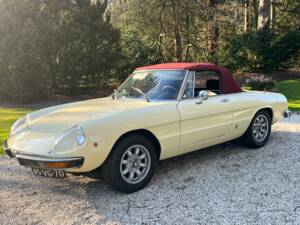
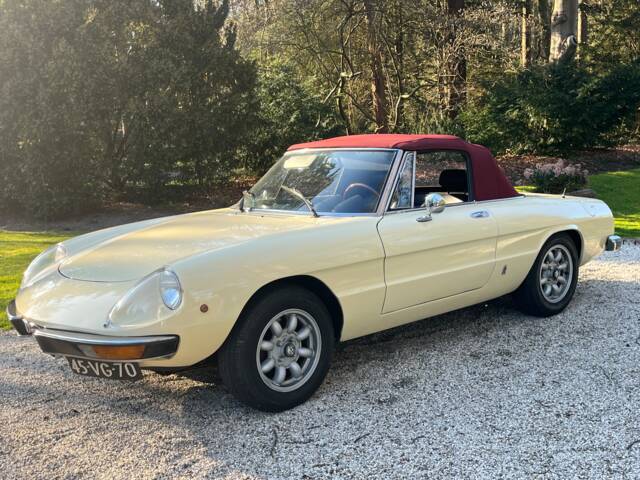
1978 | Alfa Romeo 2000 Spider Veloce
Want to drive a classic trouble-free and sustainably? Here she is!

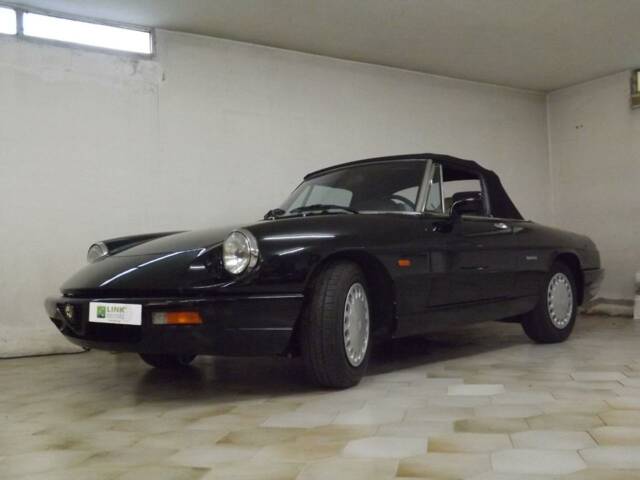
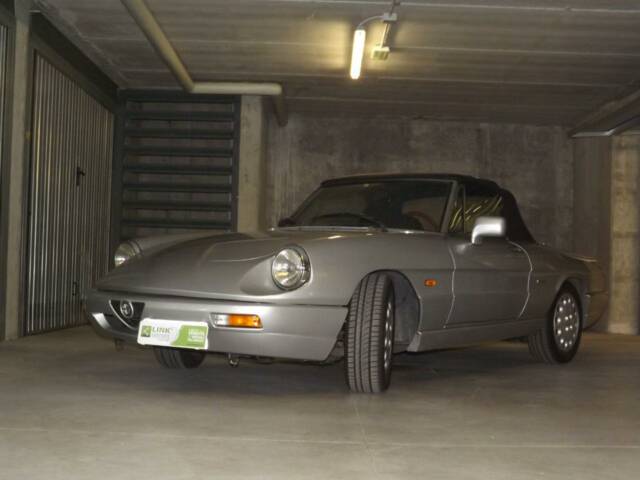
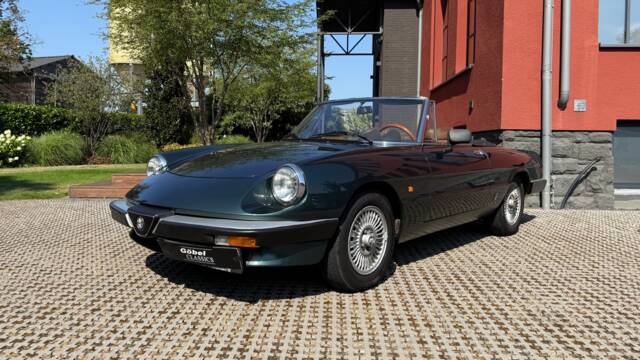
1985 | Alfa Romeo 2.0 Spider
Ein Italiener im britschen Style
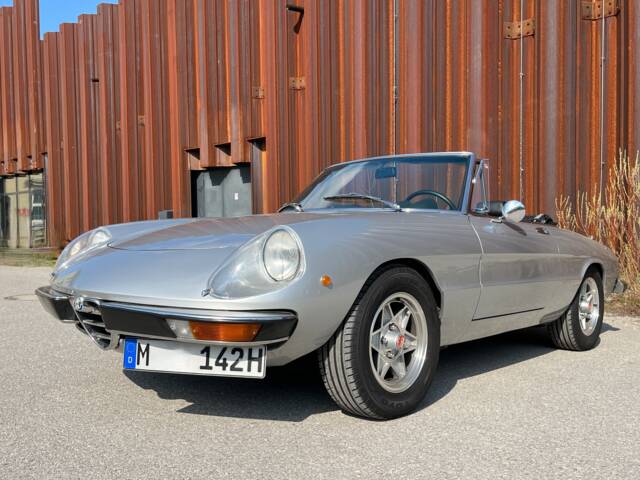
1971 | Alfa Romeo 1750 Spider Veloce
1750 Spider Veloce Restoration value 78´€
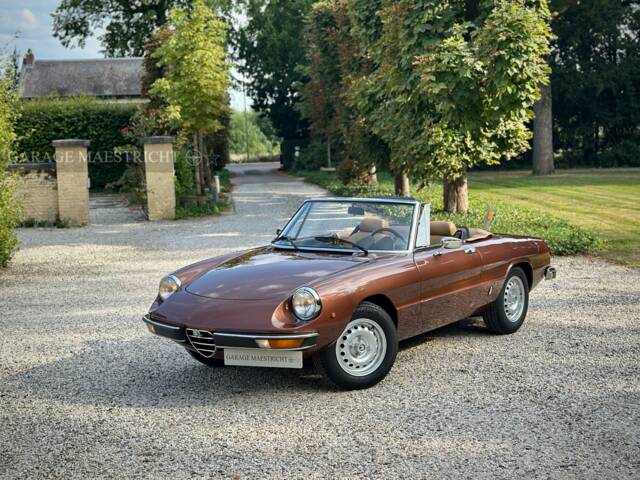
1980 | Alfa Romeo 2000 Spider Veloce
Bronzo Metallizzato 842 | 14" GTA wheels | Superb overall Condition
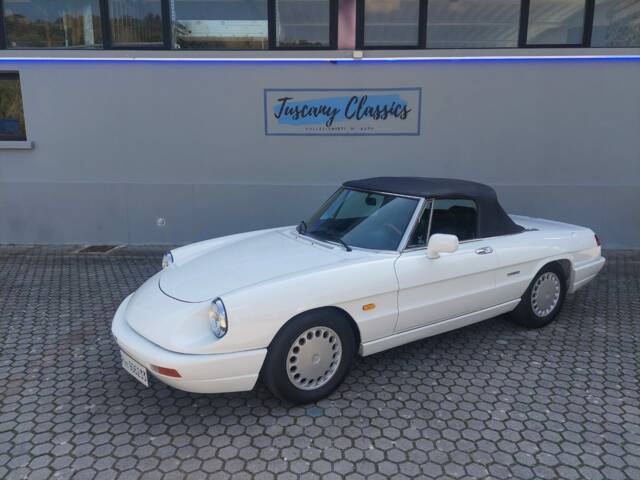
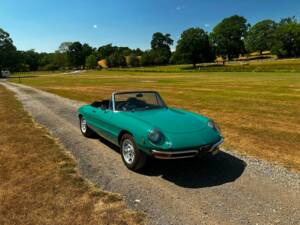
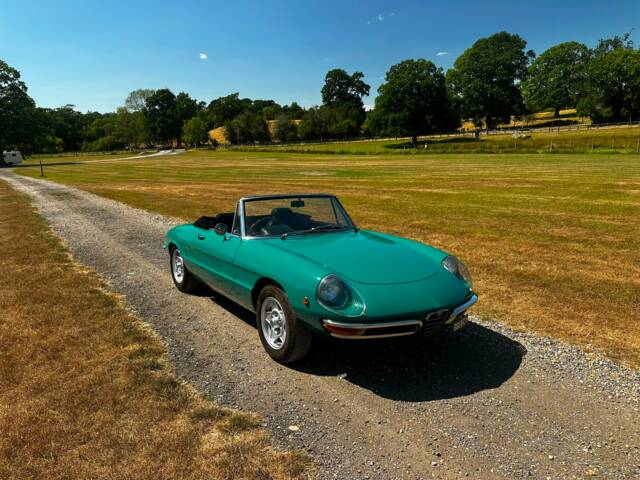
1969 | Alfa Romeo 1750 Spider
Alfa Romeo Duetto Spider 1750 1969

Alfa Romeo Spider Classic Cars: Prices & Market Values
The market value of Alfa Romeo Spider classic cars is primarily determined by the specific manufacturer code and variant, as well as technical condition, originality and mileage. Additional factors include rarity, history and documentation. A well-maintained, largely original vehicle with low, verifiable mileage and complete history including appraisals and documentation typically achieves significantly higher prices than a comparable vehicle with deferred maintenance, many modifications or unclear provenance.
Alfa Romeo Spider: Market Prices & Value Trends
Based on sales data from the Classic Trader marketplace, the Alfa Romeo Spider market in Europe has been broadly stable with a mild upward bias for the most collectable 1960s–early 1970s cars, while later, mass-produced variants remain value-led. The dataset covers January 2021 to mid-January 2026 and shows a clear split: early “Duetto” (1966–1968) and 1750 Spider Veloce (1968–1971) examples frequently sit in the €50,000–€70,000 bracket, reflecting strong demand for original specification, restoration quality and period-correct provenance. By contrast, Series 3/4 cars such as the 2.0 Spider and 1.6 Spider (late 1980s–early 1990s) typically cluster around €18,000–€30,000, offering accessible entry points. Newer Spiders (1995 onwards, including Twin Spark and 2000s V6/JTS cars) often trade from roughly €7,000 to €15,000 depending on condition. Italian and German listings dominate the sample, suggesting an active continental market where good cars sell, but buyers are cautious of outliers and pay most for the best-documented classics.
History of the Alfa Romeo Spider – Evolution of an Italian Roadster
The Alfa Romeo Spider was introduced at the 1966 Geneva Motor Show, its body penned by Pininfarina in the last project involving founder Battista ‘Pinin’ Farina. The debut model, unofficially called the 'Duetto,' set the stylistic benchmark for the series with its rounded 'Osso di Seppia' tail. The name Spider comes from the Italian term for a two-seater convertible, and the model quickly gained worldwide recognition, not least due to its prominent role in the film 'The Graduate.' Over four series (Serie 1–4), the Spider would see numerous technical and cosmetic updates, but always retained the essential rear-wheel drive roadster formula. From the truncated 'Coda Tronca' of Serie 2 to the aerodynamic changes of Serie 3 and the more modern comforts in Serie 4, the Spider’s production continued until 1993, with more than 100,000 units of these classic rear-drivers built.
Model History – Series, Predecessors and Technical Evolution
The Alfa Romeo Spider emerged as the successor to the iconic Giulietta and Giulia Spiders.
Serie 1 (1966–1969): Known for its ‘Osso di Seppia’ round tail and purity of form, available initially with 1600 and later 1300 and 1750 engines.
Serie 2 (1970–1982/83): Introduced the angular ‘Coda Tronca’ fastback tail, offered improved luggage access, new bumpers, and up to 2000 cc displacement. Some markets saw 2+2 seating.
Serie 3 (1983–1989): Marketed as 'Aerodinamica,' this version added spoilers, rubber bumpers, and minor cosmetic changes. Special models like the Quadrifoglio Verde appeared.
Serie 4 (1989–1993): Featured integrated colour bumpers, Bosch fuel injection, electronic comforts, and remains the final rear-wheel drive Spider.
Every series was based on a steel monocoque and exclusively rear-wheel drive. Successor models from 1995 on used front-wheel drive platforms.
Highlights and Market Insights
Key highlights include Pininfarina’s design — both aesthetic and functional — legendary Twin-Cam engines, and the instantly recognisable open-top silhouette. The Spider lineup offered a broad selection of models, from early pure-bred 1600 Duetto to the injection-equipped Serie 4. The model is famous for its cinematic role in 'The Graduate' (1967), which cemented its image outside Italy. Notably, the fastback ('Coda Tronca') tail improved practicality, while the Quadrifoglio Verde added major styling tweaks and higher-end equipment from 1986.
Technical Data – Engines, Specifications and Chassis
Special Editions and Collectible Models
Special models include the Quadrifoglio Verde (Serie 3, post-1986) – recognisable by its unique spoilers, alloy wheels, two-tone trim, and 2.0L engine. Further rarities are the true early Duetto round-tail models (~6,300 made), US-market special editions like the 'Graduate', and rare Targa versions with removable roof panels at the end of Serie 2. Many Series came with factory option hardtops, unique paint colours, or interior trim features. The 2000 Spider Veloce, built in numbers exceeding 38,000, stands as the most prolific variant.
Maintenance Recommendations
Careful inspection for corrosion is essential – particularly in sills, wheel arches, and underbody sections. Older electrical systems may present age-related issues. Canvas tops and frame mechanisms require routine attention for weatherproofing. Mechanical parts availability is generally good thanks to specialist support and widespread reproduction parts. Routine service is straightforward due to traditional layout and simple mechanicals. For restoration, the Spider is considered to be one of the more resourceful classics, with strong parts and club support across Europe.
Engine, Transmission, and Handling
True to its layout, the Spider offers lively rear-wheel-drive handling. Twin-cam engines deliver sharp throttle response, and the five-speed gearbox provides precise shifting. The chassis provides balanced feedback, while disc brakes all round give confident stopping. Serie 4 models improved comfort and driveability with Bosch injection and power-assisted steering. American versions differ with heavier crash bumpers and slight power reductions for regulatory compliance. Popular Model Variants:
- Serie 2 'Coda Tronca': Highest demand (27% of views), practical boot, widest engine choices.
- Serie 1 'Duetto': Purest styling, most collectible, 22% of user views.
- Serie 4 (1989-93): Most refined, best day-to-day usability, 17% of demand.
- Quadrifoglio Verde (Serie 3): Distinctive sporty variant.
Design: Exterior, Interior, and Optional Equipment
Designed by Pininfarina, all classic Spiders have crisp lines, prominent rising beltlines, and a tapered tail unique to each generation. Early round-tail 'Osso di Seppia' models stress harmony of proportion, while later 'Coda Tronca' feature an angular rear for improved practicality. Serie 3 added rubber bumpers and pronounced spoilers, especially on the Quadrifoglio Verde, which also gained specific wheels and bodywork tweaks. Serie 4 moved to colour-coded bumpers and a full-width rear light panel. Common colours are 'Rosso Alfa', classic silver, green, and black, with interior options in black, beige, blue, or red. Optional equipment spans period extras like hardtops, wood steering wheels (Nardi), and sports seats – with later models gradually adding electric windows and modern utilities. Accessory and restoration markets are well-supported, with many factory-style upgrades and special wheels available.
Other noteworthy features and trivia
The Spider’s pop culture identity was cemented by its role in 'The Graduate,' making red Duetto 1600 a sought-after classic. Right-hand drive models are less common, especially from earlier series. USA-bound cars feature SPICA mechanical fuel injection and extra safety equipment, creating distinct variations. The enthusiast community offers robust club and parts support, ensuring parts and expertise are readily accessed for both maintenance and restoration. Alfa Romeo Spiders feature widely in European and international classic car events.
Summary
The Alfa Romeo Spider serves as the definitive Italian roadster for classic car aficionados: stylish, accessible, and richly engineered across four distinct series. Every generation remains sought-after, each offering unique charms – from the delicacy of the Duetto to the versatility of Serie 2 and the sophistication of Serie 4. Technical support and spare parts availability remain strong. If rear-drive, Italian character, and open-air driving top your list, the Spider deserves your close consideration.