- Motorcycle
- Piaggio
- Piaggio Vespa 50 N (1 offer)
Piaggio Vespa 50 N classic scooter kaufen
The Piaggio Vespa 50 N represents the essence of Italian engineering from the 1960s, designed specifically to comply with local regulations and make scooters accessible to a younger generation. With its air-cooled two-stroke engine, lightweight steel monocoque frame, and small wheels, it seamlessly blends urban practicality with unmistakable style and compact performance.
Search results
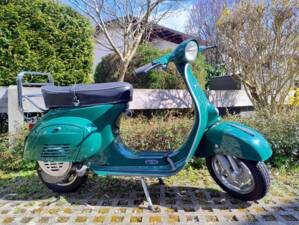
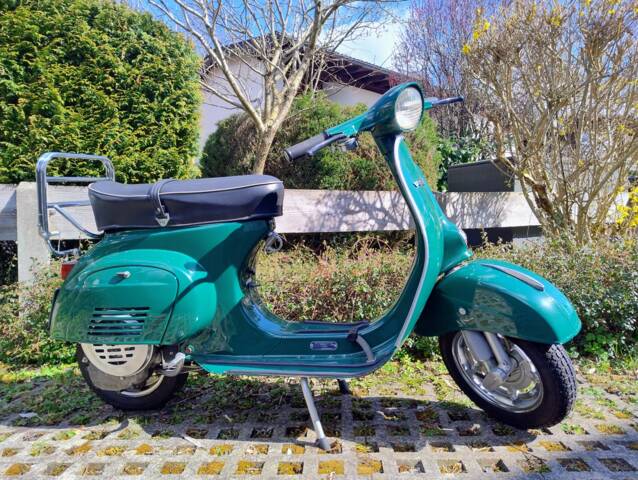
1981 | Piaggio Vespa 50 N
Classic vehicle, top condition, overhauled

Piaggio Vespa 50 N listing references from Classic Trader
Below you will find listings related to your search that are no longer available on Classic Trader. Use this information to gain insight into availability, value trends, and current pricing for a "Piaggio Vespa 50 N" to make a more informed purchasing decision.
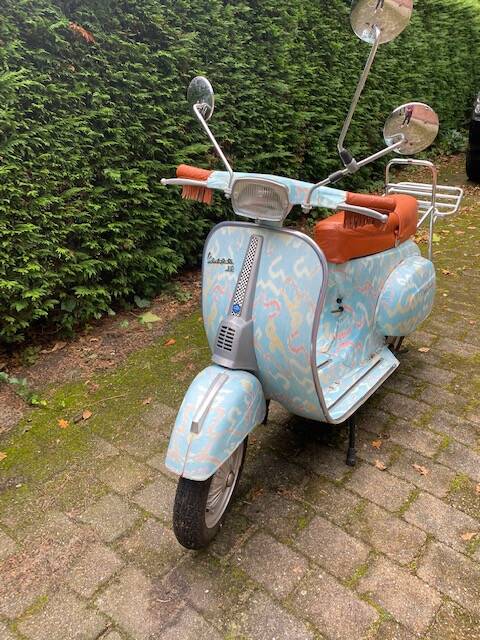
1976 | Piaggio Vespa 50 N
Piaggio Vespa 50 oldtimer from 1976

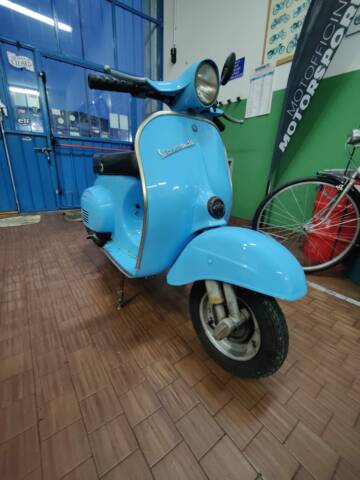
1966 | Piaggio Vespa 50 N
Vespa 50 N anno 1966

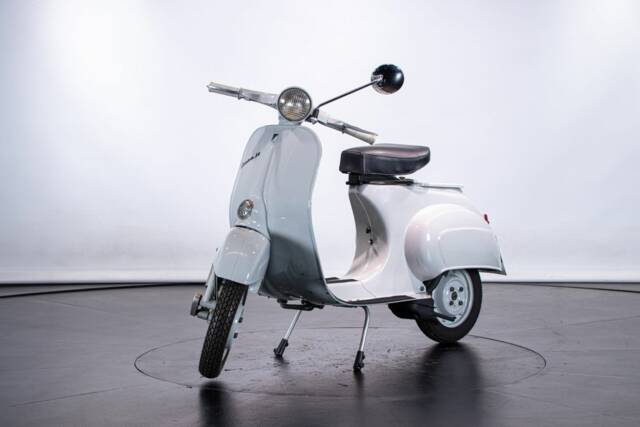
1964 | Piaggio Vespa 50 N
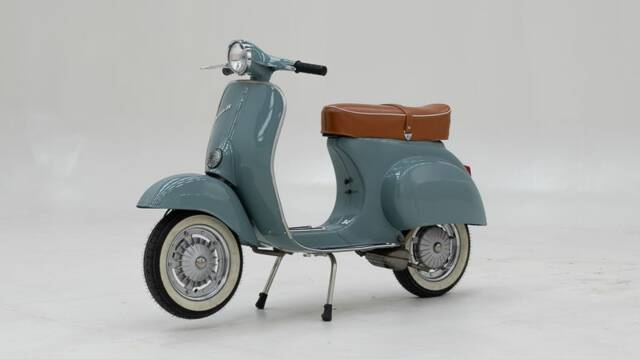
1973 | Piaggio Vespa 50 N
1973 Vespa 50 N '72

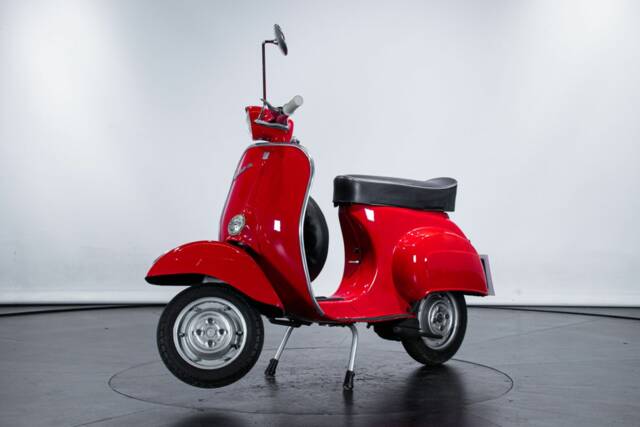
1964 | Piaggio Vespa 50 N
FIRST SERIE !!
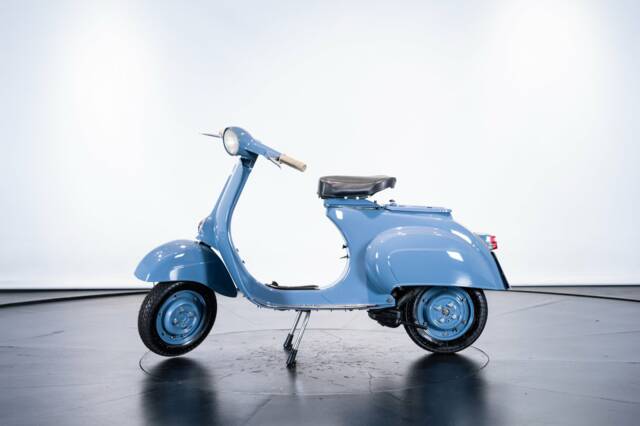
1964 | Piaggio Vespa 50 N
-
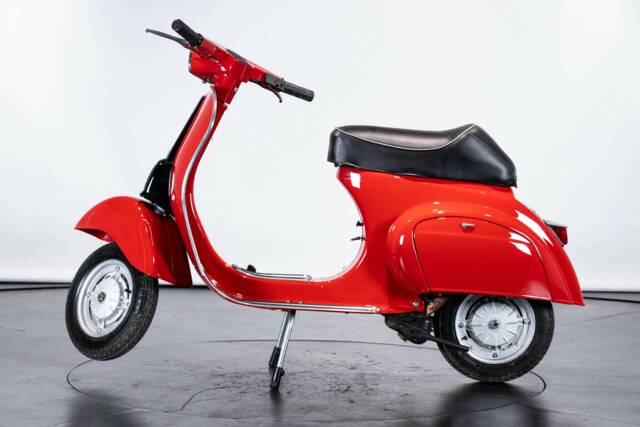
1971 | Piaggio Vespa 50 N
-
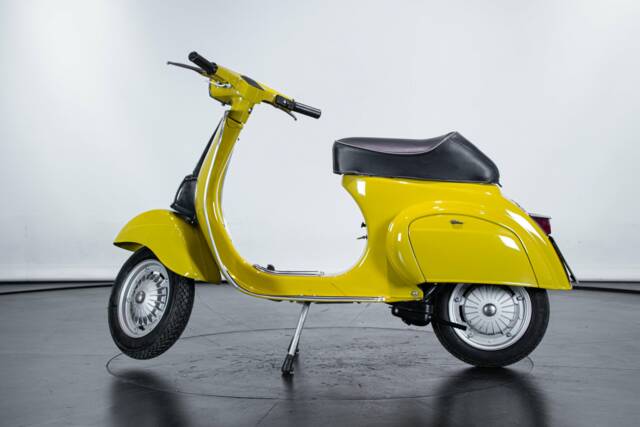
1973 | Piaggio Vespa 50 N
-
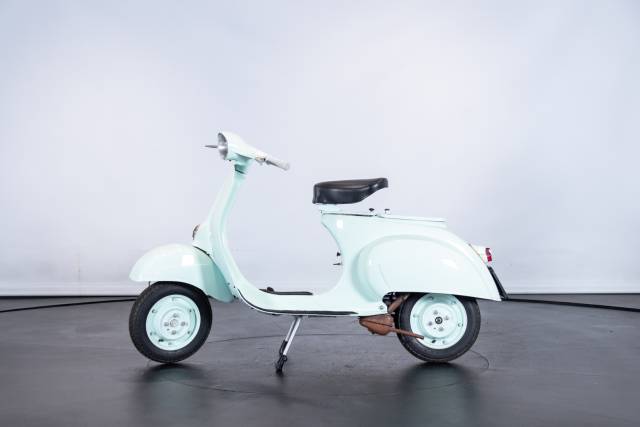
1963 | Piaggio Vespa 50 N
PRESENTE PAD. 04 STAND 23R – FIERA MBE VERONA – 19-21 GENNAIO
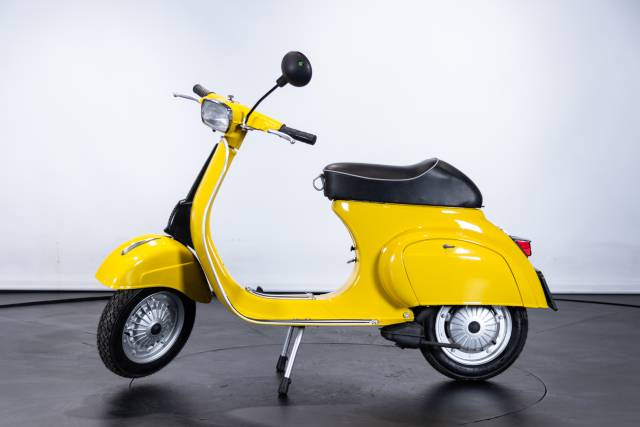
1972 | Piaggio Vespa 50 N
-
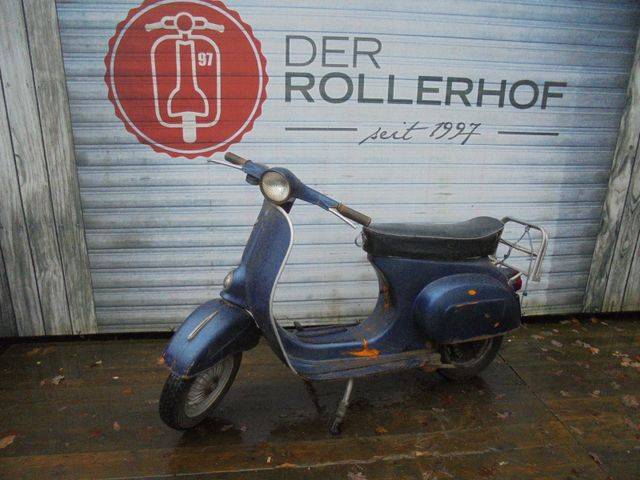
1973 | Piaggio Vespa 50 N
Vespa N 50 original deutsch SCHEUNENFUND Nr. 425
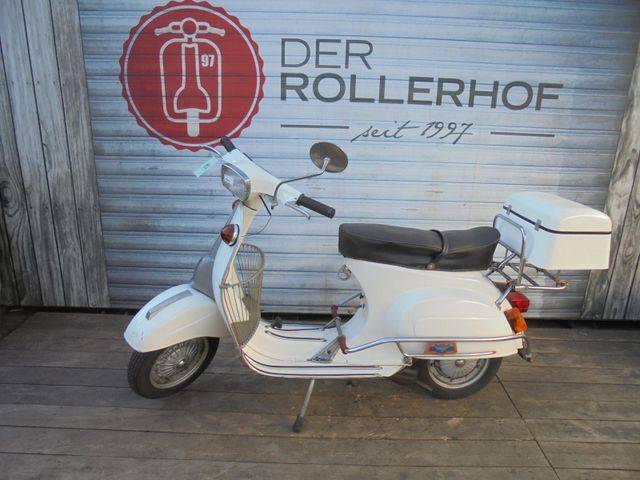
1983 | Piaggio Vespa 50 N
Vespa N 50ccm original Zustand Nr. 363
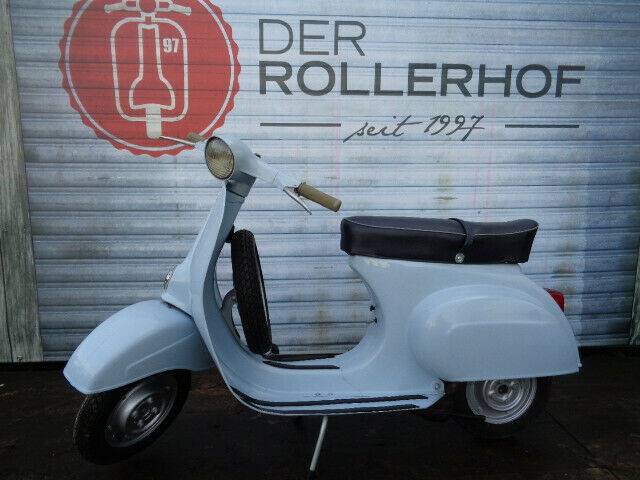
1966 | Piaggio Vespa 50 N
Vespa V 50 N Nr. 464
Piaggio Vespa 50 N Classic Motorbikes: Prices & Market Values
The market value of Piaggio Vespa 50 N motorcycles is primarily determined by technical condition, originality, and mileage, as well as rarity, history, and documentation. A well-maintained, largely original vehicle with low, verifiable mileage and a complete history including expert reports and documentation generally achieves significantly higher prices than a comparable vehicle with deferred maintenance, extensive modifications, or an unclear provenance.
Piaggio Vespa 50 N: Market Prices & Value Trends
Based on sales data from the Classic Trader marketplace, the Piaggio Vespa 50 N shows a broadly firm to gently rising market in the period from February 2021 to November 2025. Earlier asking prices in 2021–2022 often clustered around £2,000–£3,700, whereas many 2024–2025 examples sit closer to the mid-£3,000s and low-£4,000s, with a handful pushing higher. Allowing for condition, originality and restoration quality (and avoiding individual outliers), a realistic current market range for a typical Vespa 50 N is roughly £2,500 to £4,500, with the strongest prices usually attached to well-presented 1960s bikes and correctly restored early models. Most data points come from European listings, particularly Italy, which is consistent with the model’s home-market supply; this can create a wide spread depending on provenance and paperwork. For buyers, the market rewards originality and tidy cosmetics, while sellers of correctly specified scooters can expect steady demand rather than rapid swings.
Introduction and history of Piaggio Vespa 50 N
The Vespa 50 N, also known as the Vespa 50 Nuova, made its debut in 1963 in Italy. Developed by Piaggio, the model was introduced as a direct response to Italian laws permitting individuals to ride 50cc vehicles without a motorcycle licence. This legal nuance had a direct impact on the model's design priorities: low displacement, ease of use, and affordability. Instantly embraced by younger riders and urban commuters, the Vespa 50 N epitomised the desire for agile mobility in bustling city centres. Its launch reaffirmed Piaggio's commitment to engineering scooters that reflect Italian design language: compact, practical, and visually distinct thanks to its rounded silhouette and innovative small frame.
Model history
The Vespa 50 N continued the small frame tradition initiated by the Vespa 90 and later adopted in the popular Primavera 125. Over its production life, the model underwent several evolutionary steps, most notably the 'ultima serie del 1966' and minor technical upgrades in subsequent years. While a direct successor to the original 50 N emerged by way of various special series—such as the 'Vespa V 50 L' for the Italian market in 1981—the essence of the 50 N remained consistent: easy to ride, affordable to maintain, and perfect for new riders. Its accessibility and modular design ensured a lasting presence on the streets and in collectors' garages alike.
Highlights of Piaggio Vespa 50 N
The technical and design choices set the Vespa 50 N apart: a compact 50cc two-stroke engine, three-speed manual transmission, all-metal bodywork, and distinctive 10-inch wheels define its character. The short frame (known as the 'Small Frame') mirrors the design approach of the Vespa 90 and Primavera 125, optimising both handling and aesthetics for city traffic. Model-specific features include original colours such as azzurro, classic rounded lines, and period-correct steel body construction.
Collectors appreciate the Vespa 50 N for its compliance with Italian law, proven documentation trail, and potential for full restoration. Spare parts are widely available, helping preserve both mechanical function and original authenticity.
Technical data
Special Editions and Collectible Models
Variants such as the 'Vespa V 50 L' (produced for the Italian domestic market, e.g. 1981) share many features with the 50 N but are distinguished by year, designation, and sometimes by minor technical updates. The 'ultima serie del 1966' is noted amongst enthusiasts due to its position as the final evolution in the early series, making it particularly interesting for purists.
Weak Spots and Common Issues
No manufacturer-specific weak spots reported in available sources. However, typical age-related issues such as electrical system overhauls and steel body rust can occur. Authentic restoration is facilitated by a strong aftermarket for spare parts, and documented vehicles frequently include Italian police registration and Piaggio provenance.
Engine and Performance, Transmission and Handling
The Vespa 50 N's two-stroke engine delivers enough power for brisk city commuting, while its three-speed manual gearbox and lightweight build aid manoeuvrability and control—key in dense urban environments. The small frame and compact 10-inch wheels contribute to a nimble, responsive ride, making it particularly suitable for beginners and urban use. - Vespa 50 N: Air-cooled, 50cc two-stroke, 3-speed manual, classic small frame
- Vespa V 50 L: Similar mechanical configuration, specific to the Italian market, produced in 1981
Interior, Comfort, Exeterior and design
The design of the Vespa 50 N showcases Piaggio's mastery of industrial form: the steel monocoque provides both strength and flowing visual appeal, while period-correct colour options—such as azzurro—tie the scooter directly to its 1960s roots. The saddle configuration maximises comfort for single riders, and handlebar controls are straightforward and reliable. Accessory options included original mirrors, period-specific badges, chrome trim, and sometimes additional luggage racks or baskets fitted by owners for daily use.
Other relevant features
The Vespa 50 N is frequently sold with period-accurate documentation, including original Italian paperwork and provenance from both Piaggio and official authorities. Registration for contemporary use is possible in line with Italian and broader European laws, and the ease of sourcing authentic parts supports ongoing maintenance and long-term preservation for collectors.
Summary
The Piaggio Vespa 50 N stands out in the classic scooter market by virtue of its tailored engineering for Italian legal requirements, robust steel construction, and cultural relevance for 1960s urban mobility. With full availability of spare parts, strong documentation standards, and a dedicated enthusiast base, the 50 N remains a focused and accessible classic for riders and collectors alike.