- Motorcycle
- Piaggio
- Piaggio Vespa 125 (15 offers)
Piaggio Vespa 125 Classic Scooter for Sale
The Piaggio Vespa 125 stands as the reference point for classic scooter engineering, crafted in Italy and enjoyed by enthusiasts worldwide. With production spanning mainly the 1950s and 1960s, the Vespa 125 is known for its robust monocoque steel frame, distinctive bodywork, and reliable 2-stroke engine. Authentic models feature the original colours, classic saddle or dual seat, and mechanical drum brakes. Many Vespa 125 scooters on the market today are thoroughly restored and come with original documents, making them particularly attractive for collectors and everyday riders alike.
Search results
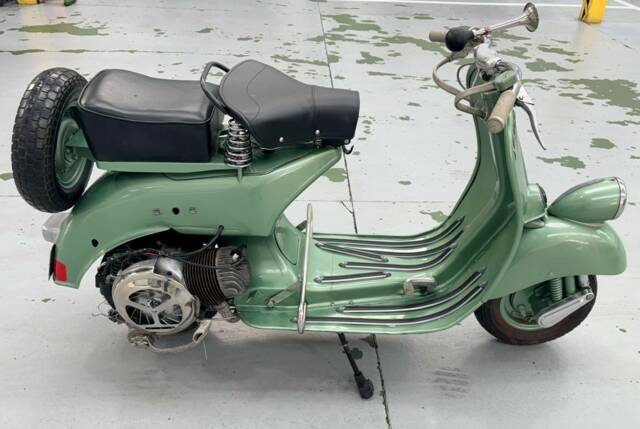
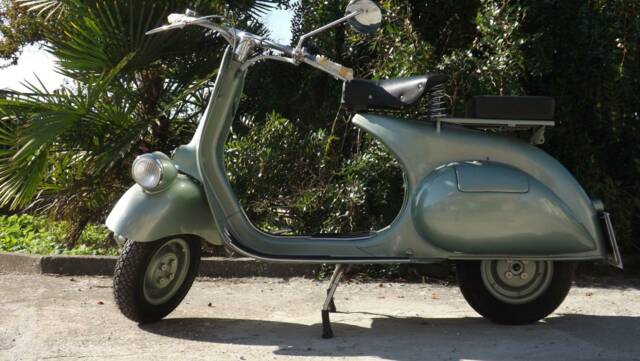
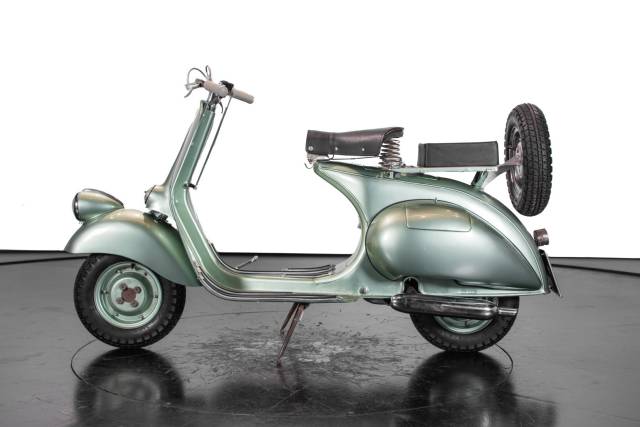
1956 | Piaggio Vespa 125
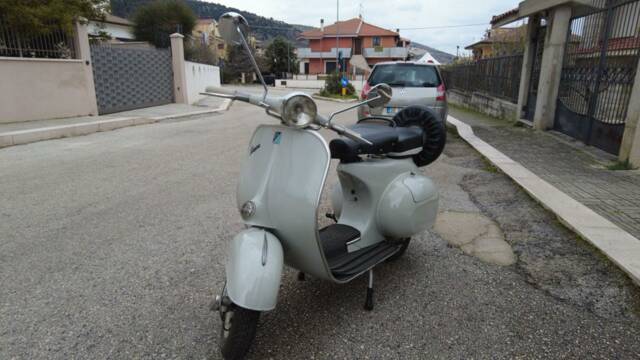
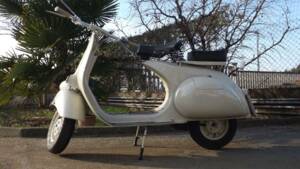
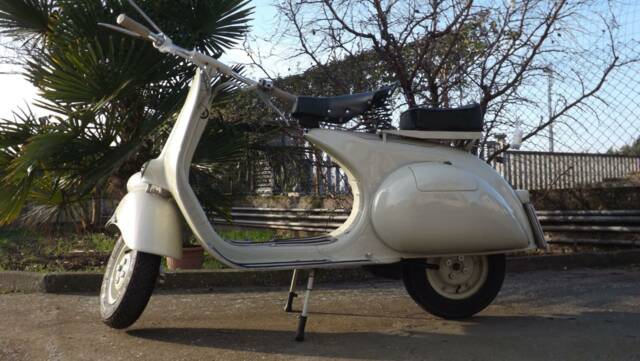
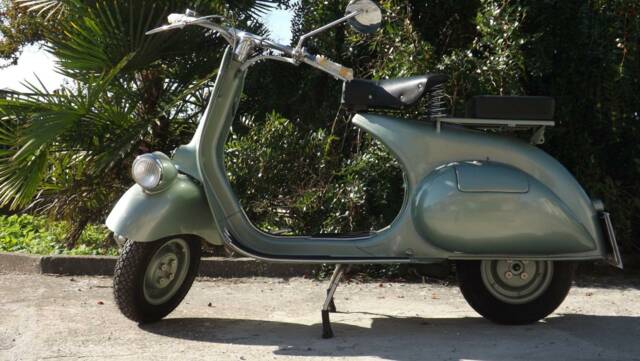
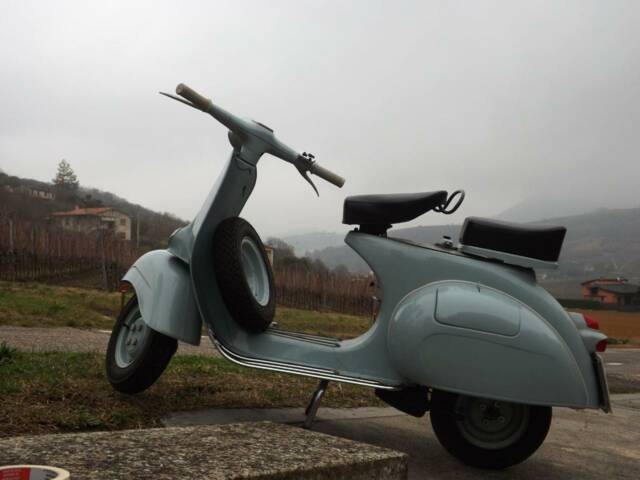
Restored 1956 Vespa Faro Basso with 125 cc two-stroke engine, historically inspired paintwork and carefully modernized technology
Current bid

Newsletter
The best Piaggio listings, straight to your inbox
Get hand-picked Piaggio listings, plus the best of cars, motorbikes, and auctions on Classic Trader — all in one place.
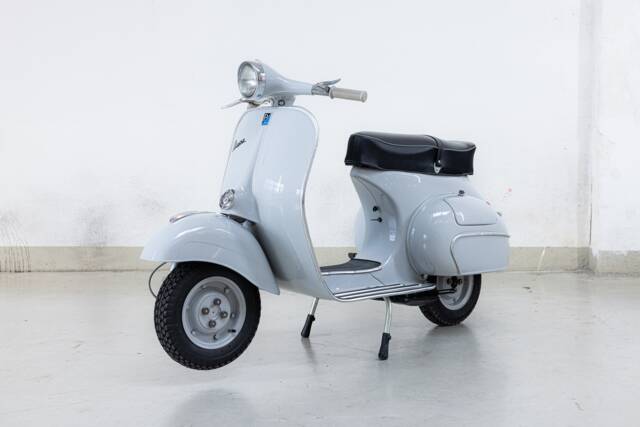
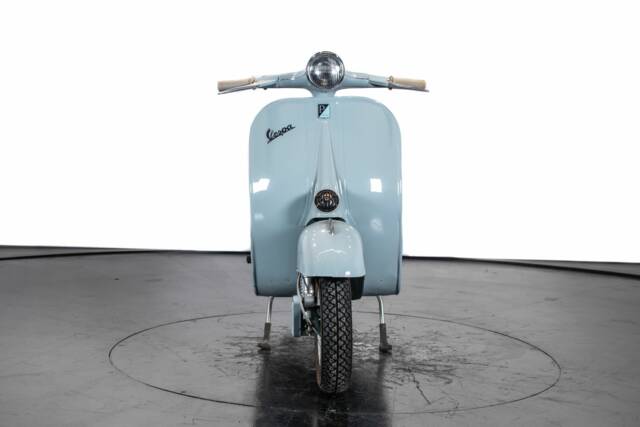
1964 | Piaggio Vespa 125
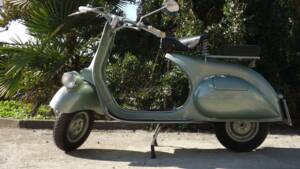
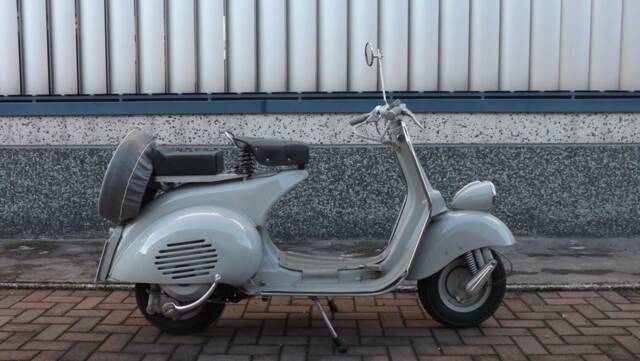
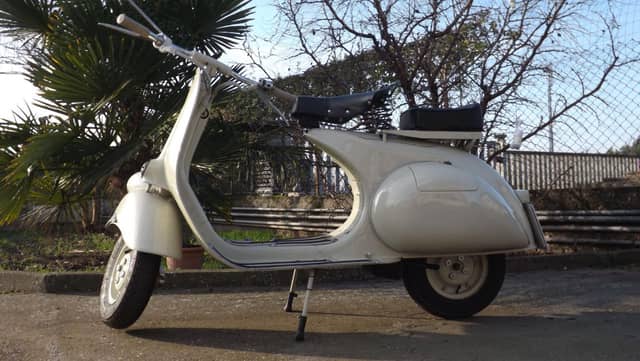
Bromfiets Vespa GS3 - 125cc - Completely restored

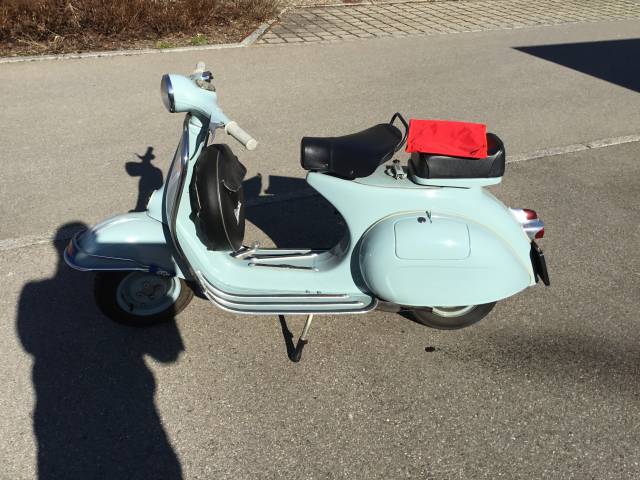
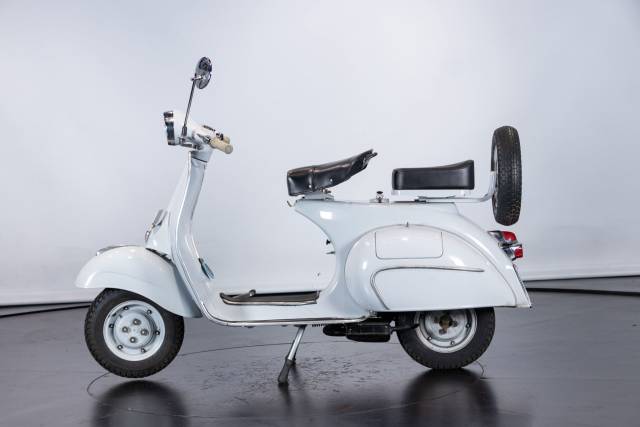
1961 | Piaggio Vespa 125
Vespa 125

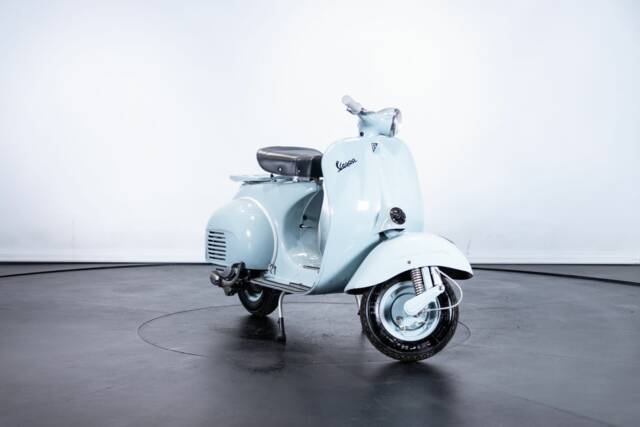
Piaggio Vespa 125 Classic Motorbikes: Prices & Market Values
The market value of Piaggio Vespa 125 motorcycles is primarily determined by technical condition, originality, and mileage, as well as rarity, history, and documentation. A well-maintained, largely original vehicle with low, verifiable mileage and a complete history including expert reports and documentation generally achieves significantly higher prices than a comparable vehicle with deferred maintenance, extensive modifications, or an unclear provenance.
Piaggio Vespa 125: Market Prices & Value Trends
Based on sales data from the Classic Trader marketplace, the Piaggio Vespa 125 market shows a broadly stable to gently firming trend over the period from February 2021 to January 2026, with most activity centred on 1950s and early-1960s scooters. Across Europe (with many adverts in Italy, plus some in Germany and Switzerland), typical asking prices for mainstream examples such as 1955–1957 and 1962–1965 models cluster around £5,000 to £11,000, depending on condition, originality and the quality of any restoration. Earlier, more collectible years (notably late-1940s to early-1950s Vespas such as 1948–1951) more often sit in the £13,000 to £20,000 band, reflecting stronger demand for early production and correct period details. A small number of very high figures appear in the dataset, but these look like outliers rather than everyday market levels. For buyers, this means good, correctly presented scooters remain liquid, while sellers of premium early machines can justify stronger pricing when provenance and originality are clear.
History and Evolution of the Piaggio Vespa 125
The Piaggio Vespa 125 came to life in the immediate post-war years, representing a fresh approach to personal mobility. Launched in the late 1940s, the model gained popularity throughout the 1950s and 1960s. The early "Faro Basso" (low headlight) versions became especially recognised for their unique headlamp placement and rounded styling. Production included Italian and German (Augsburg) variants, the latter signifying the model’s adaptation to different markets. The Vespa 125’s form and engineering choices catered to reliability and ease of use, shaping a new era in scooter transportation.
Model History of the Vespa 125 Series
The Vespa 125 series spans multiple model codes: from the V1T-V15T, V30T-V33T, VM1T/VM2T, through VNA (1T/2T) and the widely encountered VNB1T-VNB6T generations. Each evolution featured minor changes, such as increased power, more refined gearboxes (3-speed to 4-speed), and updates in lighting and electrics. Predecessors were smaller capacity Vespas, while successors expanded on the 125’s technical base, often embracing new styling cues and technologies. Market-specific editions like the Augsburg variant further added to the breadth of this family.
Highlights and Unique Aspects of the Piaggio Vespa 125
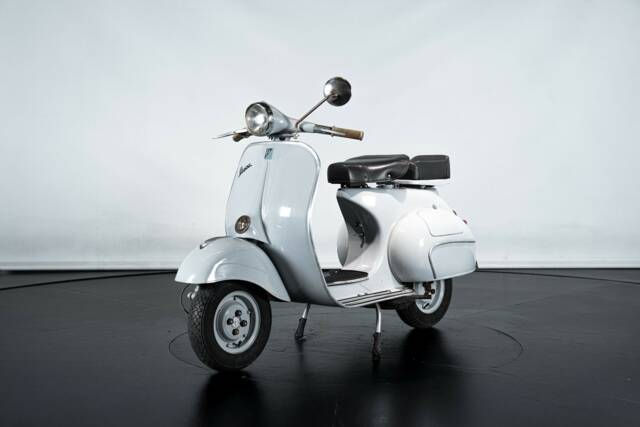
The Vespa 125 is distinctive for its steel monocoque chassis, classic design lines, and dependable 2-stroke, single-cylinder engine. Early versions like the VM2T ("Faro Basso") are instantly recognisable by the headlight mounted on the front fender. Original paint colours, such as Grigio 15046 and Pastel Blue, are highly sought after by collectors. Most models feature practical details like an integrated spare wheel, robust mechanical drum brakes, and original Metron speedometers. Factory equipment often included hand-luggage holders and original tool kits. Many historic 125s are registered with the Vespa Histórico Register or FMI and often come with original documents.
Supply and Demand: 34.9% of all listed classic Piaggio scooters on the platform are Vespa 125 models, making them the most supplied series. Demand reflects this with 41% of all Piaggio listing views attributed to Vespa 125 series – showing it attracts more interest compared to any other Piaggio classic scooter. VNB1T-VNB6T codes account for 30.5% of supply and 26.1% of demand, followed by VM1T/VM2T with 11.3% of supply and 12.7% of demand.
Technical Data for Piaggio Vespa 125
Special Editions and Collectible Models
Notable special editions include the early "Faro Basso" VM2T variant with its distinctive low-mounted headlight, and the Sei Giorni editions, made for endurance rallies. German-built Augsburg variants feature local adaptations for that market. Restoration or registration with Vespa or FMI authenticity plaques (e.g., "Targa Oro") raise the status of these bikes with collectors. Some feature rare accessories like original hand pumps, unique colour codes, or special luggage racks. Limited production and historic documentation enhance collectibility.
Maintenance and Restoration Details
Restoring a Vespa 125 often involves body repairs such as sandblasting, welding, and re-zincing, followed by careful repainting in original colours. Mechanical overhauls focus on the engine, gear selector cables, clutch, brakes, steering head bearings, and electrics. Parts like the speedometer drive, switches, and suspension bushings are commonly replaced or restored. Modern upgrades, such as Pinasco Flytech ignition or performance cylinder kits, improve usability while respecting the original specification. Specialised suppliers offer high-quality spares. Retaining or obtaining authentic papers and badges is important for preserving value.
Engine, Performance, Transmission and Handling
The Vespa 125’s single-cylinder, 2-stroke engine provides lively city acceleration and a satisfying riding experience typical of classic scooters. Models like the VNB6T saw an upgrade to a 4-speed transmission, while earlier variants used a 3-speed unit. Braking is handled by mechanically actuated drum brakes, delivering secure stopping power in their day. The steel monocoque chassis, compact dimensions, and 8-inch tyres grant agile handling and predictable cornering. Upgrades to the engine (up to 177ccm Polini or BGM kits) are possible for higher performance, but stock models retain their authentic character.
Popular Models:
- VNB1T-VNB6T: Four-speed gearbox, highest supply and demand.
- VM1T/VM2T (Faro Basso): Low headlight, highly valued for design authenticity.
- V30T-V33T: Transitional styling and mechanical upgrades. undefined
Design, Equipment, and Accessories
The Vespa 125 is known for its streamlined pressed steel frame and distinctive side cowlings, with design features evolving from the lamp-on-fender (“Faro Basso”) to later handlebar-mounted lights. Popular colours include Grigio 15046, pastel blues, and original whites. Options include solo saddle, double seat or dual saddle, rear passenger pillow, spare wheel mounts, and storage racks. Accessories such as period luggage racks, authentic tool kits, and original Metron speedometers add to the period-correct appearance. Italian and Augsburg German builds showcase minor equipment and finish differences. Restored examples typically emphasise faithfulness to detail, from rubber pedal linings to cable routing.
Other Features and Practical Information
Many Vespa 125s are eligible for classic vehicle registration, which often brings tax and insurance benefits. Models are suited for exhibitions, rallies, and photoshoots, as well as regular rides. Exports are straightforward due to simple disassembly procedures. Sellers often provide original registration documents and plaques, and parts availability through Italian or specialised suppliers is excellent. Price negotiation, dealer finance, and part-exchange may be available from professional sellers. Some scooters serve as showpieces in museums or private collections, while others see daily use depending on their level of restoration.
Summary: Piaggio Vespa 125
Piaggio’s Vespa 125 represents a milestone in scooter history, with production spanning multiple decades, distinct variants, and regional adaptations. The series’ large supply and strong demand highlight its enduring appeal among classic scooter fans. From the technical robustness of the monocoque steel chassis and reliable 2-stroke engines to the unique aesthetics of “Faro Basso” and Augsburg variants, every Vespa 125 tells a story of Italian engineering meeting practical needs and timeless form. Well-supported by restoration specialists and broad parts availability, the Vespa 125 remains both a popular collector’s choice and a usable scooter—even decades after leaving the factory.