- Motorcycle
- Piaggio
- Piaggio Vespa 50 S (7 offers)
Piaggio Vespa 50 S – Classic Scooter for Sale
The Piaggio Vespa 50 S stands out for its unique engineering and distinct design. Produced primarily for export markets and with a few rare special variants, this 50 cc scooter has captured the hearts of enthusiasts who appreciate original features and period-correct details. Discover more about this coveted entry-level Vespa below.
Search results
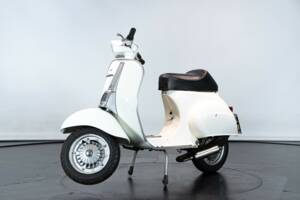
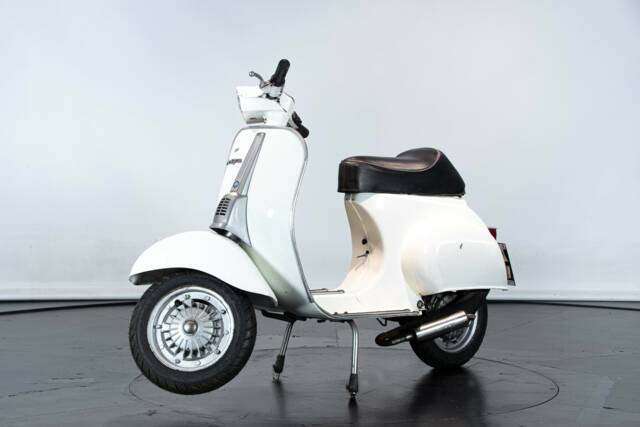
1972 | Piaggio Vespa 50 S
SPECIAL !!!

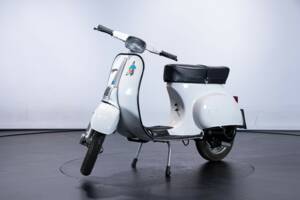
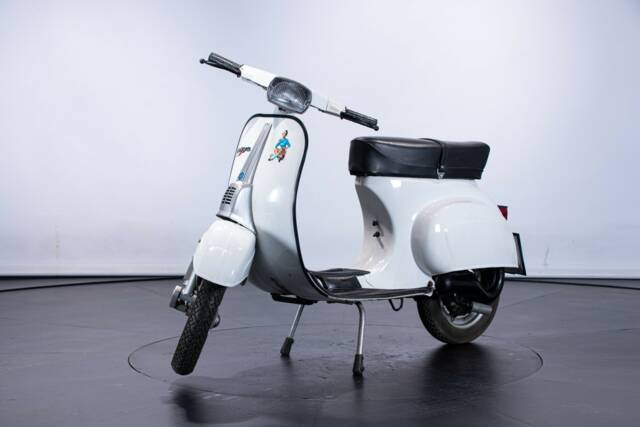
1972 | Piaggio Vespa 50 S
STUPENDA !!!
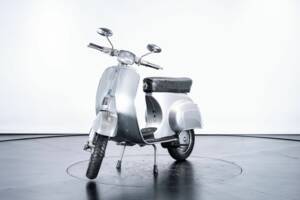
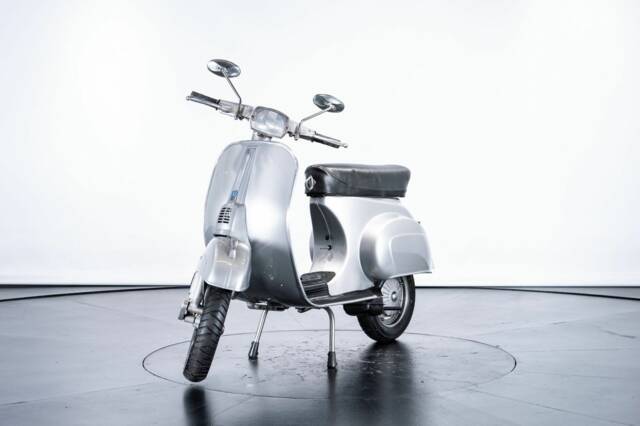
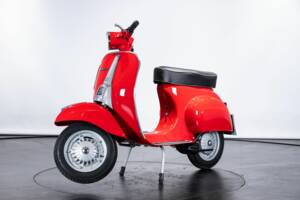
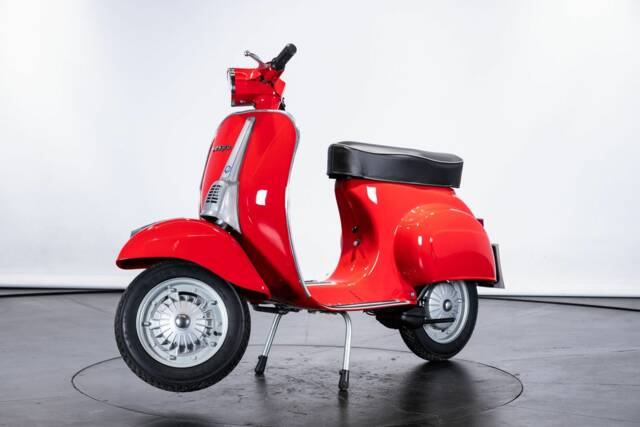
1977 | Piaggio Vespa 50 S
SPECIAL !!! INCREDIBLE RESTORATION !!!
Newsletter
The best Piaggio listings, straight to your inbox
Get hand-picked Piaggio listings, plus the best of cars, motorbikes, and auctions on Classic Trader — all in one place.
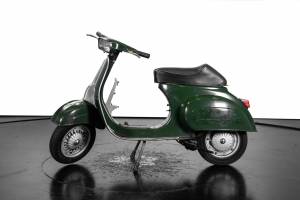
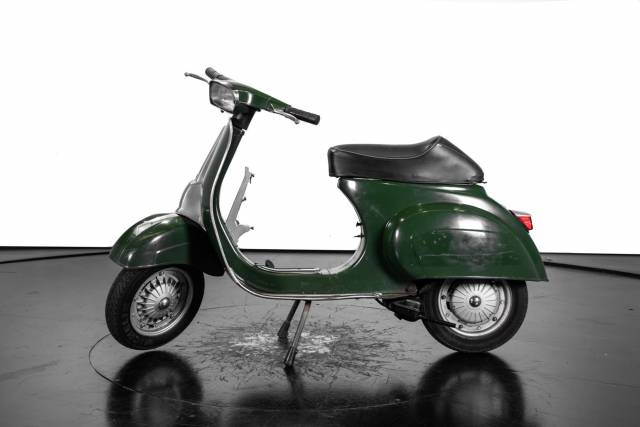
1978 | Piaggio Vespa 50 S
100% FIRST PAINT !!
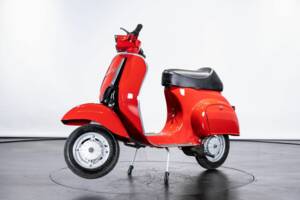
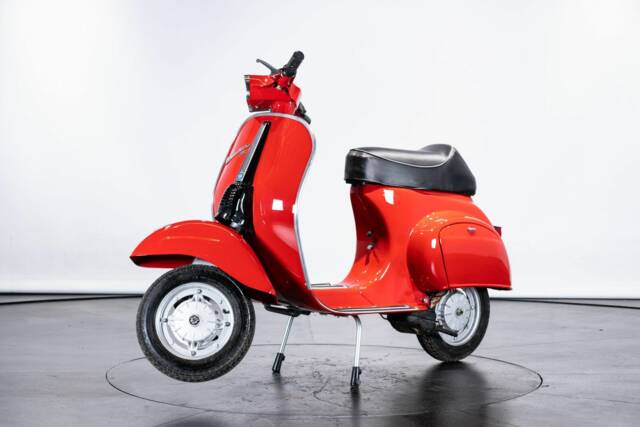
1971 | Piaggio Vespa 50 S
ELESTART !!!
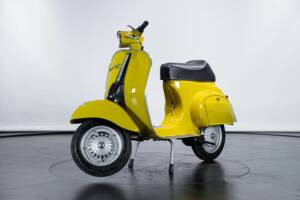
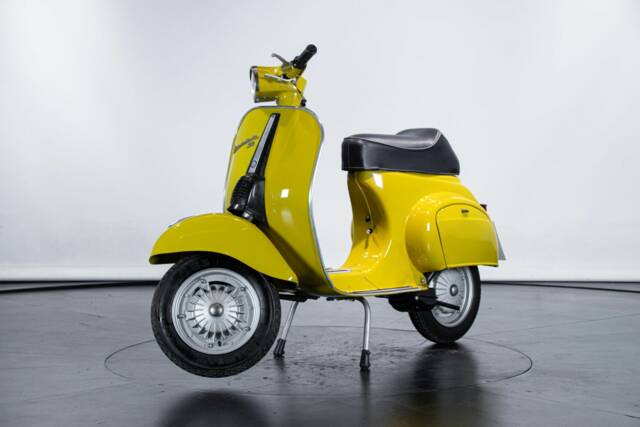
1973 | Piaggio Vespa 50 S
ELESTART !!
Piaggio Vespa 50 S listing references from Classic Trader
Below you will find listings related to your search that are no longer available on Classic Trader. Use this information to gain insight into availability, value trends, and current pricing for a "Piaggio Vespa 50 S" to make a more informed purchasing decision.
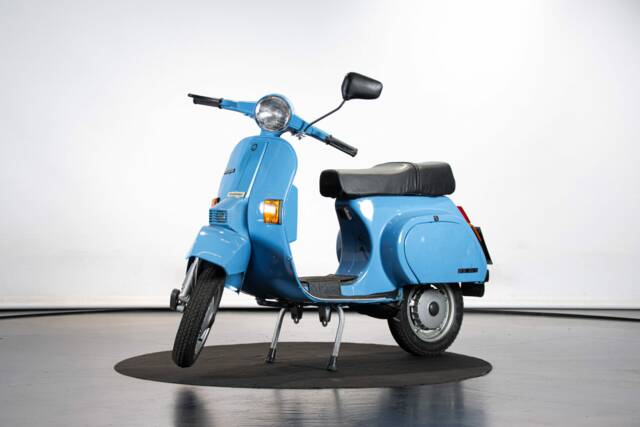
1982 | Piaggio Vespa 50 S
PK 50 S
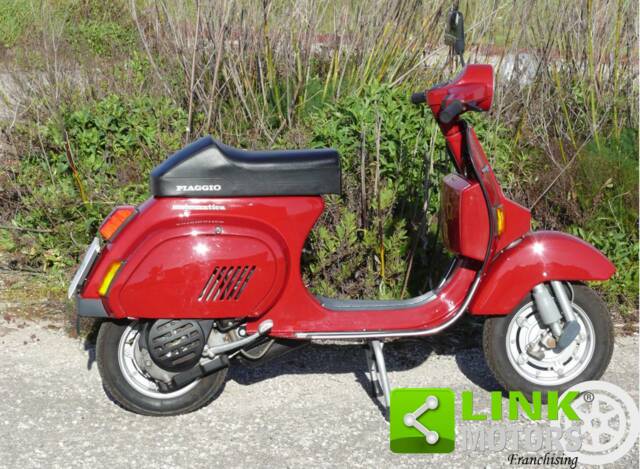
1984 | Piaggio Vespa 50 S
PIAGGIO Vespa 50 PK S AUTOMATICA
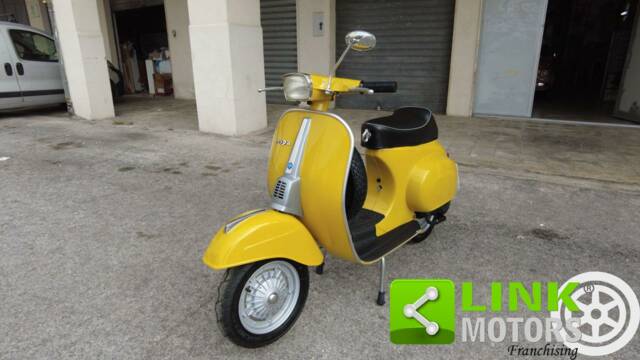
1975 | Piaggio Vespa 50 S
PIAGGIO Vespa 50 Special 50 special
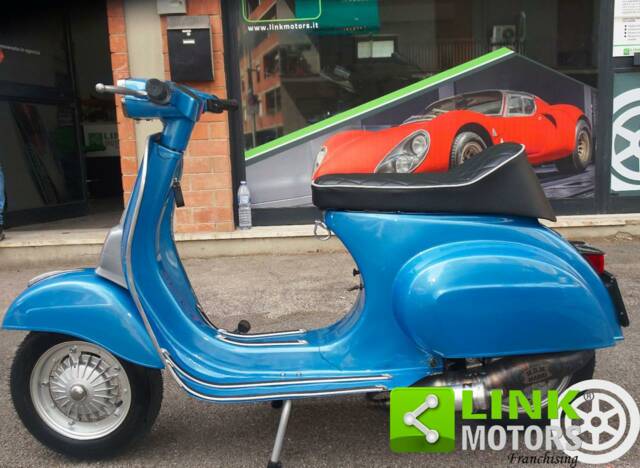
1981 | Piaggio Vespa 50 S
PIAGGIO Vespa 50 4M VESPA 50 SPECIAL - UNICO PROPRIETARIO
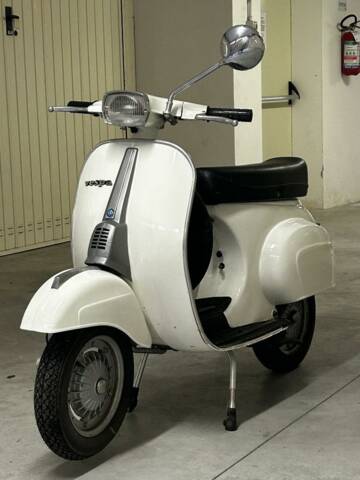
1987 | Piaggio Vespa 50 S
PIAGGIO Vespa 50 Special 50 Special 4 MARCE
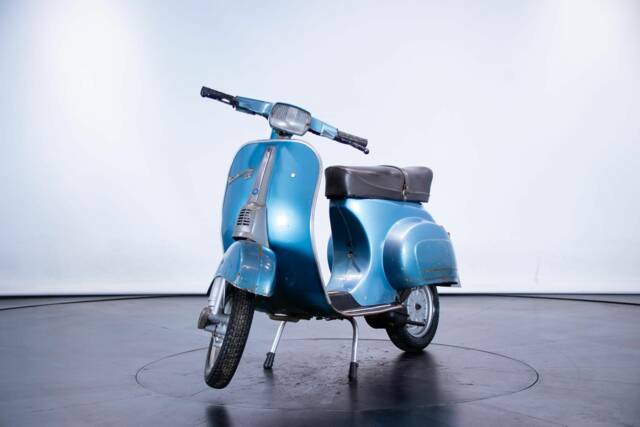
1972 | Piaggio Vespa 50 S
SPECIAL !!!
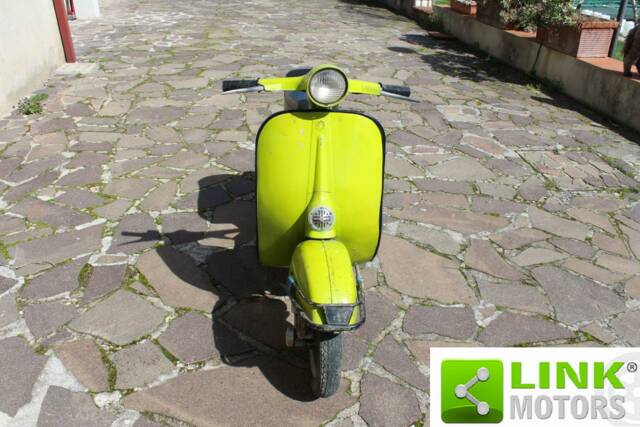
1968 | Piaggio Vespa 50 S
VESPA S 50 V5A
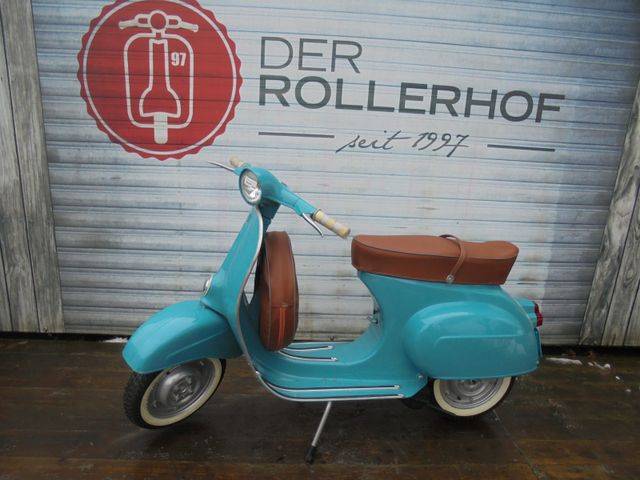
1967 | Piaggio Vespa 50 S
Vespa 50 S N Nr. 597

Piaggio Vespa 50 S Classic Motorbikes: Prices & Market Values
The market value of Piaggio Vespa 50 S motorcycles is primarily determined by technical condition, originality, and mileage, as well as rarity, history, and documentation. A well-maintained, largely original vehicle with low, verifiable mileage and a complete history including expert reports and documentation generally achieves significantly higher prices than a comparable vehicle with deferred maintenance, extensive modifications, or an unclear provenance.
Piaggio Vespa 50 S: Market Prices & Value Trends
Based on sales data from the Classic Trader marketplace, the Piaggio Vespa 50 S market in Europe has been broadly stable to mildly firm over the period from April 2021 to November 2025. Most observed asking prices cluster in the mid-market, with many 1960s–1980s examples (typically around 3 hp) appearing between roughly £3,000 and £5,200, suggesting steady demand for usable, presentable scooters rather than a sharp boom. Lower-priced entries around £1,400–£2,800 tend to pull the range down and are likely to reflect projects, incomplete history or simpler condition, while a handful of very high figures (around £9,600 up to £19,200) look like outliers tied to unusual specifications or exceptional builds and should not be treated as the norm. Overall, a realistic current market range for a standard Vespa 50 S is about £3,000–£5,000, with well-restored early models often sitting at the top end. The model’s appreciation appears driven by classic Vespa desirability, compact urban usability and the appeal of 1970s Italian design.
History of the Piaggio Vespa 50 S
Launched as a classic smallframe scooter, the Piaggio Vespa 50 S was developed with export in mind. Its compact engine of roughly 49.7 cc and modest power output meant compliance with specific regulations in various countries, allowing younger riders to legally enjoy the Vespa spirit. The 50 S marked a pivotal point in extending the Vespa brand beyond Italy, with particular versions such as the V5SA1T created for the Japanese market. Early models sometimes featured technical constraints or unique equipment, reflecting differing legal restrictions. Over time, the Vespa 50 S became an emblem of daily mobility as well as a sought-after object for restoration and preservation enthusiasts.
Model Series History
The Vespa 50 S evolved from the early Vespa 50 models, which were Piaggio's answer to regulatory demands for low-displacement machines suitable for young riders. The 50 S 'Special' introduced several engineering and stylistic tweaks, keeping the core single-cylinder two-stroke layout. Unlike mass-market versions, export-focused editions carried distinct features and rare colour combinations that quickly set them apart from their predecessors and successors. Later Vespa smallframe models continued the lineage, leading to increased collector interest in the original 50 S variants.
Highlights of the Vespa 50 S
Unique for its period, the Vespa 50 S boasted a four-speed manual gearbox, 10-inch wheels, and handlebar semaphore indicators. Early models even offered electronic ignition (Elestart), addressing demands for convenience and reliability. Limited production runs such as the Japanese V5SA1T increased interest among collectors. Original equipment, authentic finishes, and unusual paintwork (from Piaggio factory or special orders) distinguish top examples in today's market.
Technical Data of the Vespa 50 S
Special Editions and Collectible Models
Collectors value the Japanese export version (V5SA1T) for its rarity and additional compliance features. Some 50 S units shipped in extremely limited factory colours, further raising their desirability. Restored ('restauro totale') and fully original ('conservata') examples, especially with all matching parts and documentation, are viewed as reference models among Vespa enthusiasts.
Weak Spots and Common Issues
The main points to watch for on the Vespa 50 S involve correct restoration and authenticity. As is typical for vehicles of this era, rust on the frame, incorrect aftermarket parts, and neglected engine maintenance can compromise value and longevity. Models with rare original indicators, electronics, or paint require specialist attention. Verifying the presence and condition of original components and factory numbering is crucial for serious buyers.
Engine and Performance, Transmission and Handling
With approximately 2.6 hp delivered through a four-speed manual gearbox, the Vespa 50 S may seem modest on paper, but its feather-light frame ensures lively acceleration for city use. The direct handlebar steering, combined with 10-inch wheels, offers agile handling suited to narrow urban streets, while the manual shifting gives riders precise control. Braking and suspension are simple but effective for the scooter’s weight and size. Notable examples include the original Italian-spec 50 S and the extremely rare Japanese-market V5SA1T, both prized for their unmodified mechanicals and correct period equipment.
Interior, Comfort, Exterior and Design
The Vespa 50 S embodies functional Italian style; the pressed-steel monocoque frame, minimalistic lines, and compact stature define post-war scooter aesthetics. Inside, spartan instrumentation and straightforward seating prioritise practicality. Factory accessories like chrome luggage racks, flyscreens, and painted mudguards were popular. Enthusiasts particularly seek out rare colours and the characteristic handlebar end indicators. Attention to such specification details – down to original badges and switchgear – is essential when evaluating an unrestored Vespa 50 S.
Further Details
Original-status vehicles often feature documentation such as Piaggio delivery certificates or dealer paperwork, increasing historical value. Retrofitted electronic ignition units (Elestart) appear on select late-issue models and are desirable both for convenience and for completeness in fully restored machines.
Summary
The Piaggio Vespa 50 S is a microcosm of classic Italian scooter design, with factual period engineering and unique export adaptations. Its enduring appeal among collectors and riders stems from limited production, technical clarity, and a direct connection to youth culture and transportation history. With strong supply and demand concentrated entirely on this model within the Piaggio classic sector, it remains the definitive choice for those seeking a genuine classic smallframe Vespa.