- Motorcycle
- Hercules (0 offers)
Buy Hercules Motorcycles
Hercules motorcycles mix German ingenuity with real collector appeal, from utilitarian K 125s to the rotary Wankel 2000. Find offers and prices across the range, then discover now why these bikes still matter in Britain.
Search results
Currently, there are no matching listings for your search.
Create search alert
Let yourself be notified as soon as a listing is published that matches your search filters.
Create listing
Do you have a Hercules that you want to sell? Then create a listing now.
Create listingHercules listing references from Classic Trader
Below you will find listings related to your search that are no longer available on Classic Trader. Use this information to gain insight into availability, value trends, and current pricing for a "Hercules" to make a more informed purchasing decision.
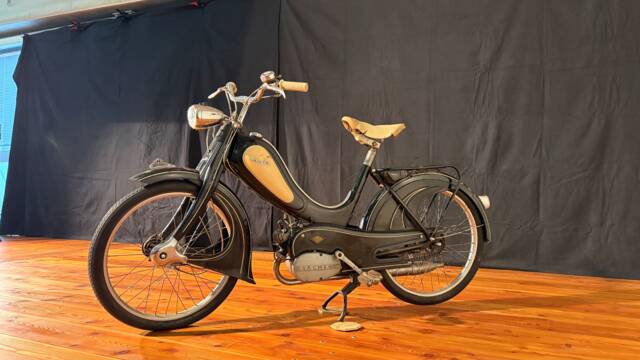
1963 | Hercules 221
Lightweight motorcycle from the early 1960s

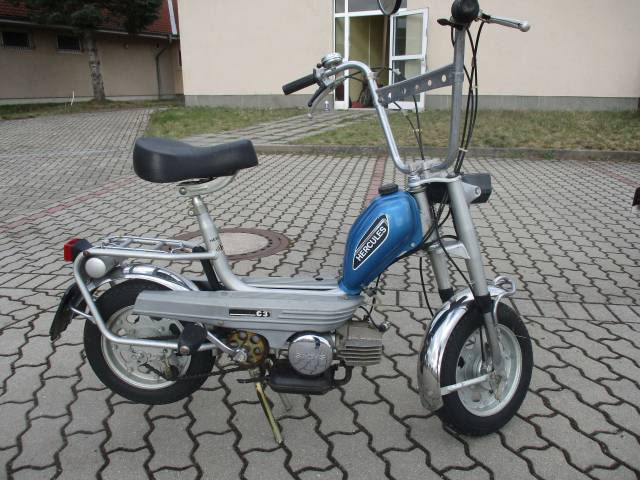
1979 | Hercules C3
Herkules C3 Modell 508 S

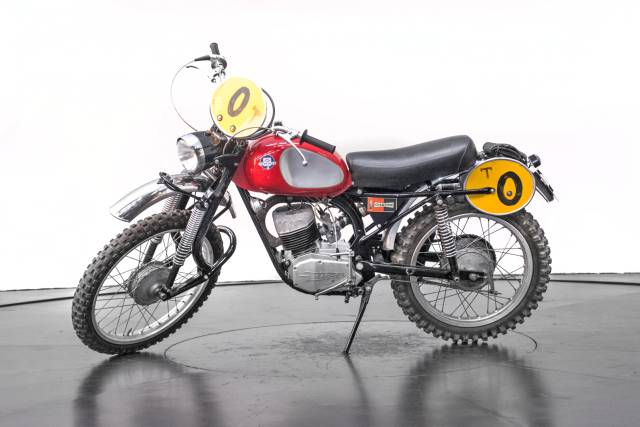
1969 | Hercules GS 125
-

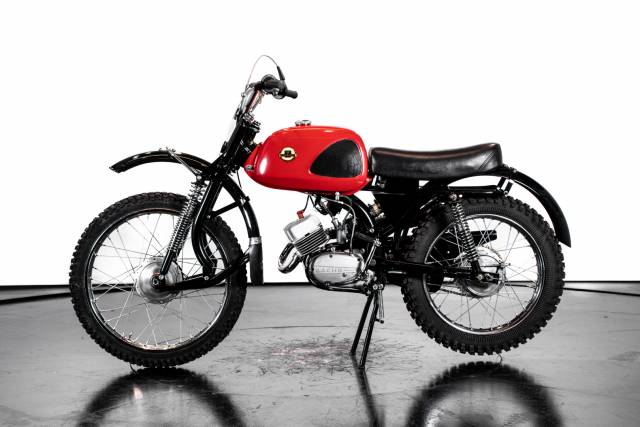
1967 | Hercules K 80 GS
-
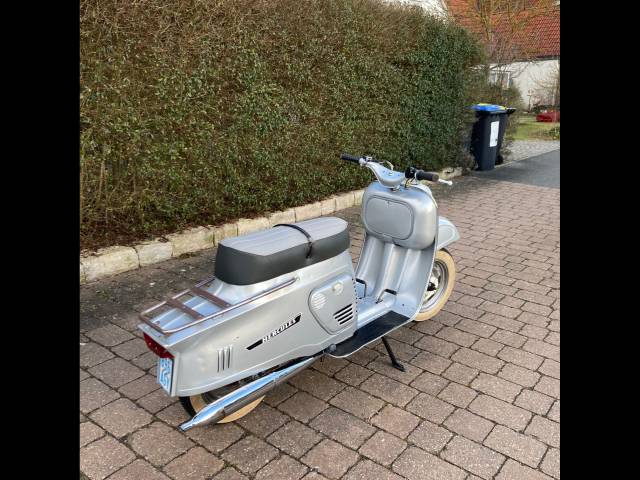
1967 | Hercules Roller 50 S
Oldtimer Scooter Hercules 50 NHW-M
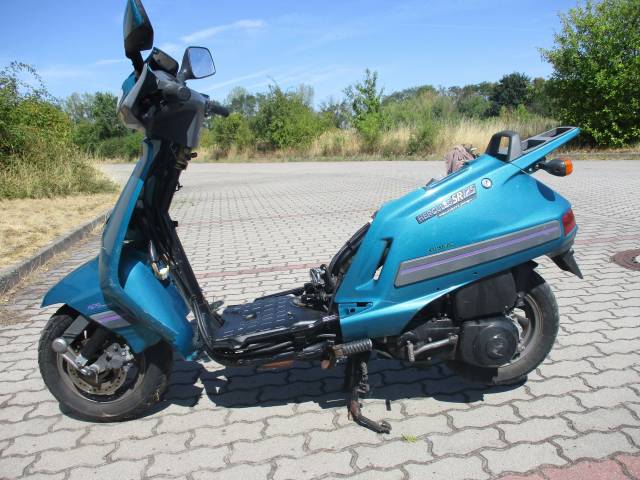
1995 | Hercules SR 125
Peugeot Herkules F 121
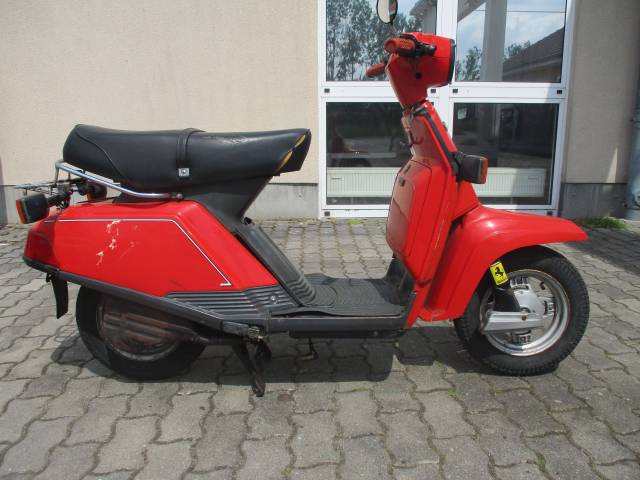
1983 | Hercules Roller 50 S
Hercules City CV
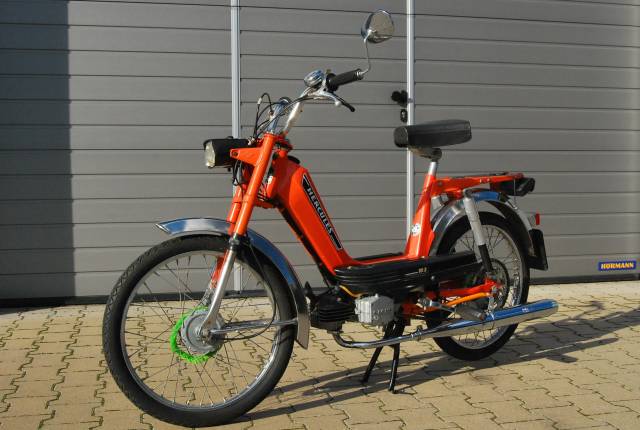
1976 | Hercules MK 2
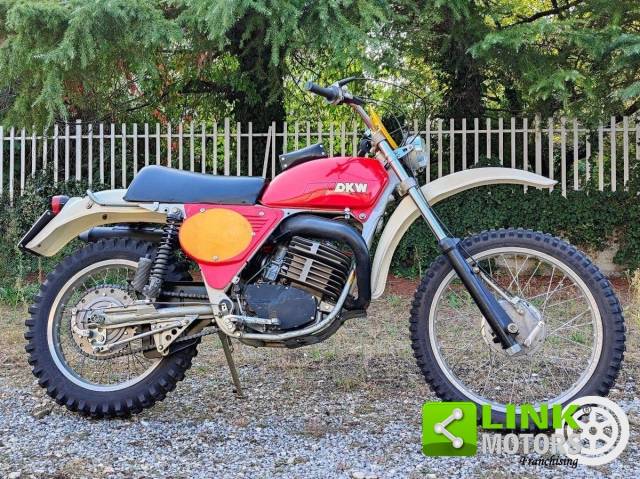
1976 | Hercules GS 250
Hercules - DKW 250 Gs 7V Regolarità
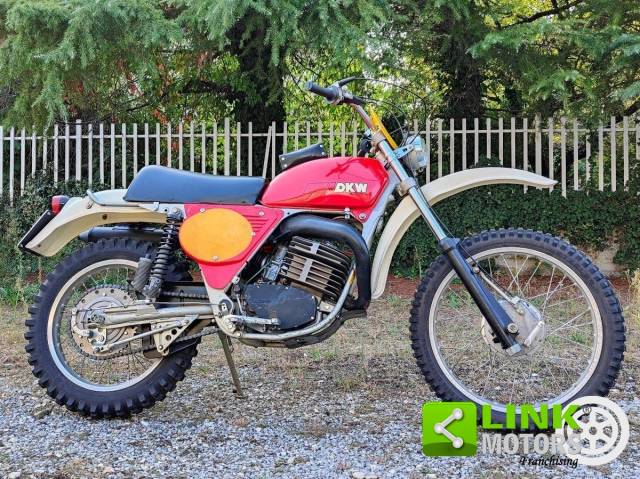
1976 | Hercules GS 250
Hercules - DKW 250 Gs 7V Regolarità
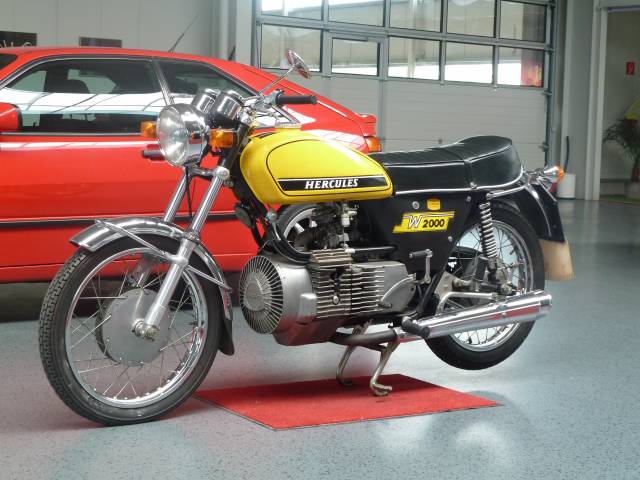
1978 | Hercules W 2000
Unrestaurierte Hercules W2000
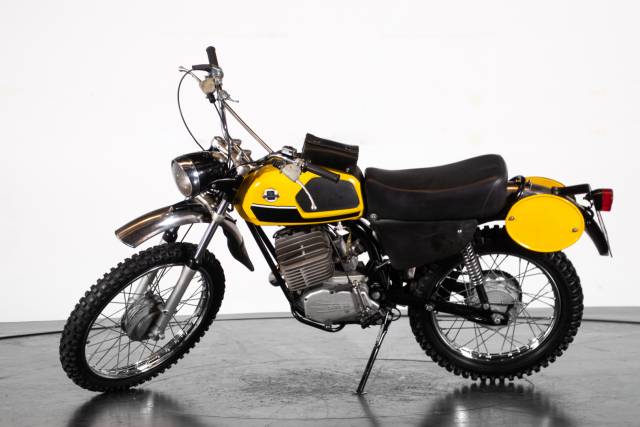
1971 | Hercules GS 125
-
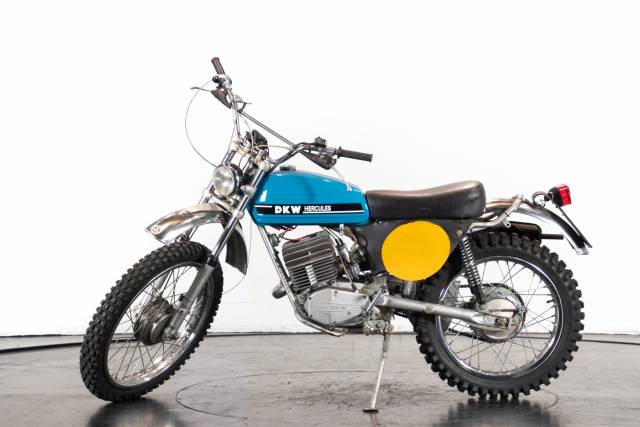
1973 | Hercules GS 125
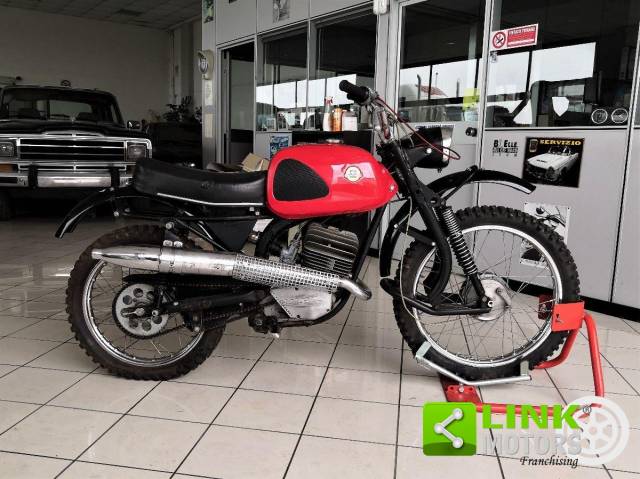
1969 | Hercules GS 125
Hercules GS 125
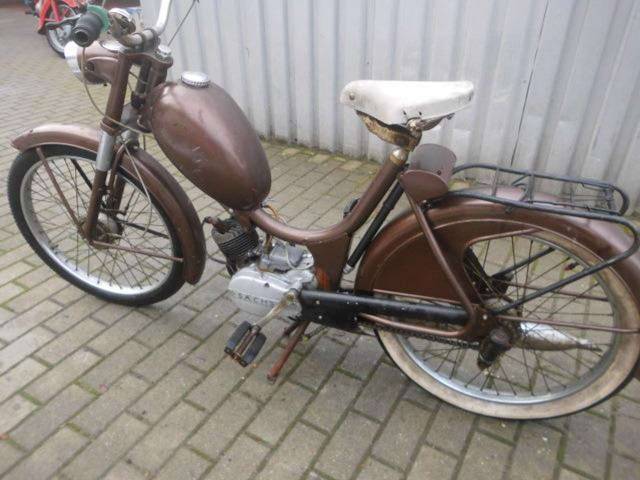
1966 | Hercules Roller 50 S
Hercules 221 T
Create search alert
Let yourself be notified as soon as a listing is published that matches your search filters.
Create listing
Do you have a Hercules that you want to sell? Then create a listing now.
Create listingHistory
Hercules began in 1886 in Nuremberg as a bicycle maker, but its motorcycle story is what fascinates today’s collectors. By the post-war years, the marque had become closely tied to Fichtel & Sachs, whose engines powered a wide spread of lightweight German machines. That relationship gave Hercules an identity built less on glamour than on hard-working engineering, practical frames and dependable two-stroke power.
For British enthusiasts, Hercules sits in an interesting corner of classic motorcycling history. The brand was never as common here as Triumph, BSA or Norton, yet it speaks to the same culture of tinkering, road use and club life that shaped post-war Britain. In the 1960s and 1970s, when mod culture was still casting a long shadow over the UK scene, small-capacity European bikes offered affordable style and individuality. A Hercules, especially a neatly patinated K 125 or a rare GS machine, fits that story perfectly: practical, slightly left-field, and instantly recognisable to people who know their classics.
The most famous chapter arrived with the W 2000, sold in the UK as the Hercules Wankel 2000 and introduced to the British market in 1973. This was a genuine talking point: the world’s first production motorcycle with a Wankel engine. Hercules also used the DKW name for some export markets, and that matters in Britain because the badge can still appear on paperwork, adverts and restorations. For buyers, that is not a problem; it is part of the bike’s mixed-market history.
Hercules production ended in 1996, but the machines remain alive in club circles, specialist workshops and auction catalogues. That is the mark of a true classic: not just remembered, but actively ridden, restored and discussed.
Highlights
What makes Hercules motorcycles desirable is the mix of rarity, usability and mechanical character. They are not mass-market collectibles in Britain; they are bikes for riders who like their classics a little unusual and their provenance a little richer.
Key collector models include:
- W 2000 / Wankel 2000: the headline act. In the UK, the rotary model arrived in 1973 as the Hercules Wankel 2000, and it remains the one people remember first.
- K 125 Military: tough, simple and very much at home in the British military-classic scene. Ex-Bundeswehr examples are especially sought after.
- GS-series: off-road and enduro variants with strong ties to German competition history, often in the price sweet spot for enthusiasts.
- K 125 T: the sporty road version, attractive to riders who want a lightweight, period-correct German 125 with real road manners.
- K 100: an early, accessible entry into Hercules ownership, often more affordable than the headline models.
The range is broad, but the core appeal is consistent: honest engineering, compact dimensions and an authentic period look. Hercules bikes tend to reward careful ownership rather than endless modification. Well-kept original examples usually command more respect than over-restored machines, especially where the finishes, badges and controls remain correct.
In the UK market, the strongest draws are originality, completeness and usable condition. Because Hercules was never huge here, a bike with proper documents, matching numbers and sensible restoration history can stand out immediately. That is especially true for the Wankel 2000, where provenance and mechanical evidence matter almost as much as cosmetics.
Technical Data
The rotary bike deserves a note of its own. Early Wankel 2000 machines used premix lubrication, while later examples gained separate oil injection. That is a major buying point, because it affects day-to-day usability and long-term running confidence. As ever with a rotary classic, the best example is the most original one with the clearest maintenance record.
Market Overview & Buying Tips
The UK market for Hercules motorcycles is small but lively. That can be good news for buyers: prices are often more rational than the rarity suggests, except at the very top of the tree. The strongest demand is for the Wankel 2000, followed by clean GS models and military machines with clear history.
Recent UK and European results show the spread clearly. A Bonhams UK lot for a 1978 Hercules-Sachs K125 project sold for £517.50 including premium, which is a reminder that incomplete bikes still trade at project money. At the other end, an MCN auction listing for a Hercules K125 GS carried an estimate of £4,000–£5,000. For the rotary model, Bonhams recorded a 1978 Hercules Wankel 2000 at €5,152 in 2024, while other international sales have reached the equivalent of around £12,000–£15,000 for better examples. In practice, a good UK buyer should expect roughly:
- K 100 / early K models: £900–£2,500
- K 125 T / road models: £2,000–£5,000
- K 125 Military: £1,500–£4,000 depending on originality and paperwork
- GS-series: £3,000–£6,000, with exceptional off-road machines higher
- Wankel 2000: £7,000–£15,000+, with best-in-class bikes commanding more
For British buyers, the main checks are straightforward but important:
1. Documentation
Imported Hercules and DKW-badged exports can arrive with mixed paperwork. Check chassis numbers, engine numbers and the story behind any re-registered machine. If the bike came in from Europe, make sure VAT/NOVA details are clean.
2. Originality
Many Hercules bikes were used hard and modified. Replacement handlebars, wrong exhausts, non-original switchgear or repainted panels can all affect value. This matters especially for the Wankel 2000, where originality is a large part of the appeal.
3. Spares and support
The K 125 and GS models benefit from far better parts support than the rotary bike. UK owners often rely on club networks, specialists and European suppliers. The VMCC is useful for paperwork help, dating support and general classic-bike knowledge, while Hercules-specific clubs and owners’ groups remain vital for rotary guidance.
4. Rotary-specific risks
The Wankel engine is the key attraction and the biggest risk. Look for heat-related wear, oiling issues, sound bearings and evidence of correct setup. A running bike with proof of regular specialist attention is worth much more than a shiny non-runner.
5. Military bikes
The K 125 Military has a strong following in Britain because it suits the country’s taste for ex-service machines. Expect worn electrics, cosmetic corrosion and altered fittings, but also good usability. Original olive paint, correct panniers and service markings lift value.
British auction culture still favours visible honesty. A lightly used Hercules with sensible patina can be more attractive than a polished over-restoration. That is very much in keeping with the collector mood in the UK, where riders often prefer a machine they can actually use on club runs and summer weekends.
Performance
Hercules motorcycles are not about brute force; they are about character, balance and purpose. The smaller Sachs-powered bikes have a pleasantly mechanical feel, with enough performance for real-world riding and enough lightness to feel engaging on narrow roads.
The K 100 and K 125 T are especially appealing in British conditions. They suit B-roads, short commutes and club events, and they bring a lively two-stroke response without asking for big-bike intimidation. The K 125 T is arguably the sweetest road machine in the range: quick enough to feel purposeful, compact enough to manage easily, and old-school enough to deliver all the sensations classic riders want.
The GS-series adds a more playful edge. These bikes were built with off-road and enduro use in mind, so they feel purposeful rather than polished. Their lightweight frames and upright ergonomics make them fun in a way that many heavier classics are not. If you enjoy pre-1970s competition machinery or the look of the early British scrambles scene, the Hercules GS family makes a lot of sense.
The K 125 Military is slower, but it has an appeal all its own. It is an easy-going, rugged single with a reassuring spread of torque and a relaxed riding position. In military trim it feels authentic, and on the road it suits the sort of use many classic owners actually want: steady progress, modest speeds and simple maintenance.
Then there is the Wankel 2000. It does not deliver its value through outright speed alone. What buyers pay for is the experience: smoothness, mechanical rarity and the sense that you are riding a landmark machine. British riders who grew up around the big rotary conversations of the 1970s—when every unusual machine was discussed in the pub, at the Ace, or at a club meet—often see the Wankel 2000 as a rolling piece of engineering theatre. It is unusual, civilised and slightly odd in exactly the right way.
Design
Hercules design is best understood as functional German modernism. These motorcycles are not decorative objects first and transport second. Their lines are clean, their controls are sensible and their surfaces are shaped by use rather than fashion.
That said, they have real visual appeal. The K 125 T is one of the prettiest of the road models, with a slim tank, neat side panels and a tidy stance. It looks right on its own and even better in a row of club machines at an event. The K 100 has an earlier, more upright feel, with the charm of a post-war lightweight and the simplicity to match.
The GS bikes are the most obviously sporting. High-level exhausts, long-travel suspension, spoked wheels and slim seats give them a purposeful silhouette that reads immediately as competition-inspired. In Britain, that off-road look connects nicely with the country’s long affection for scrambles, trialling and the rougher end of classic motorcycling.
The K 125 Military is all about utility. Olive drab paint, military luggage and simple instrumentation make it feel honest and durable. It is the sort of machine that looks at home outside a rally field, a regimental gathering or a northern winter shed.
And the Wankel 2000? It is the most distinctive of all. The rotary’s large front-mounted cooling fan gives the bike an unmistakable face, and the engine layout creates a compact but slightly futuristic look. In Britain, where unusual engineering has always drawn a crowd, that originality matters. The bike may have split opinion when new, but as a collector object it now has exactly the kind of bold visual identity that gets attention at shows and in auction catalogues.
Other
Hercules also has a broader cultural footprint than many buyers realise. The brand’s export history includes DKW badging in some markets, which is why UK listings can appear under different names. That can confuse newcomers, but for experienced collectors it simply adds an extra layer of interest.
The club scene matters too. In Britain, the classic-bike world thrives on local knowledge, shared spares, and the willingness of owners to help each other out. Hercules fits neatly into that culture. The VMCC remains a valuable institution for age-related identity, dating support and event life, while marque specialists and owners’ networks are essential for rarer parts and correct detail work. For a bike like the Wankel 2000, those contacts are not optional; they are part of ownership.
There is also a strong link to the collecting instinct that runs through British motoring culture more generally. Many UK enthusiasts enjoy machines that were not obvious in period but have become important with hindsight. Hercules is exactly that sort of brand. It was never the loudest name in the showroom, yet it delivered real innovation: lightweight Sachs singles, durable military bikes, off-road competition machines and the remarkable rotary flagship.
If you are buying for use, the K 125 T or K 125 Military makes the most practical sense. If you are buying for conversation value and long-term rarity, the Wankel 2000 is the one. If you want the best compromise between price and interest, a GS or K 100 can be a smart choice. In every case, originality and proper history matter more than shiny paint.
Summary
Hercules motorcycles are a collector’s brand with real depth. They cover everything from approachable small-capacity classics to one of the most important experimental production bikes ever made. For British buyers, that means choice: affordable entry points, strong club support, and a rotary flagship with genuine historic status.
The best reasons to buy Hercules motorcycles in the UK are simple: distinctive engineering, manageable running costs on the smaller models, and real rarity where it counts. The Wankel 2000 brings headline status; the K 125 Military, GS-series, K 125 T and K 100 bring usability and charm.
If you want a classic that stands apart at any meet, discover now the Hercules offers and prices on Classic Trader and find the right machine for your garage.