- Motorcycle
- HMW (0 offers)
Buy HMW Motorcycle
Halleiner Motorenwerke defined Austrian post-war mobility with innovative auxiliary engines and elegant mopeds like the Conny and Foxinette. Discover rare collector's items from a brand that remains a hidden gem for enthusiasts of alpine engineering in the United Kingdom.
Search results
Currently, there are no matching listings for your search.
Create search alert
Let yourself be notified as soon as a listing is published that matches your search filters.
HMW listing references from Classic Trader
Below you will find listings related to your search that are no longer available on Classic Trader. Use this information to gain insight into availability, value trends, and current pricing for a "HMW" to make a more informed purchasing decision.
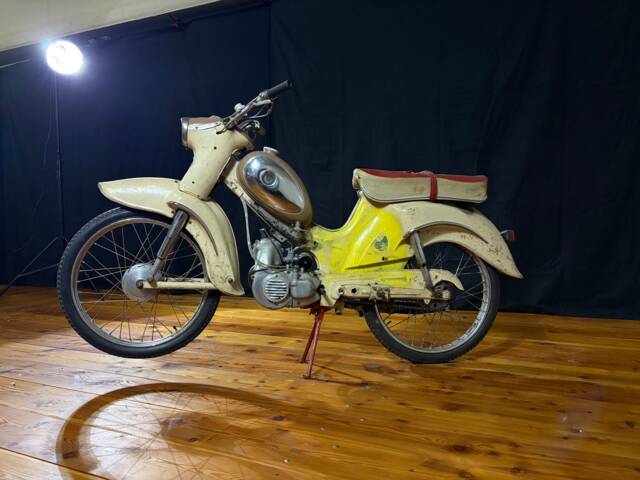
1958 | HMW 50
Austrian Post-War Moped

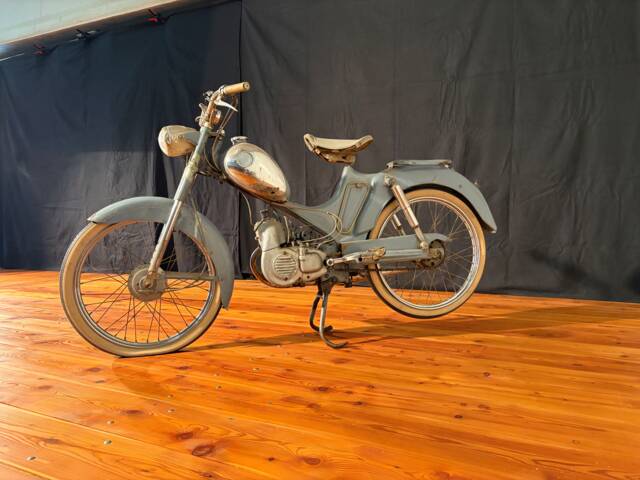
1953 | HMW 50
Austrian Post-War Moped
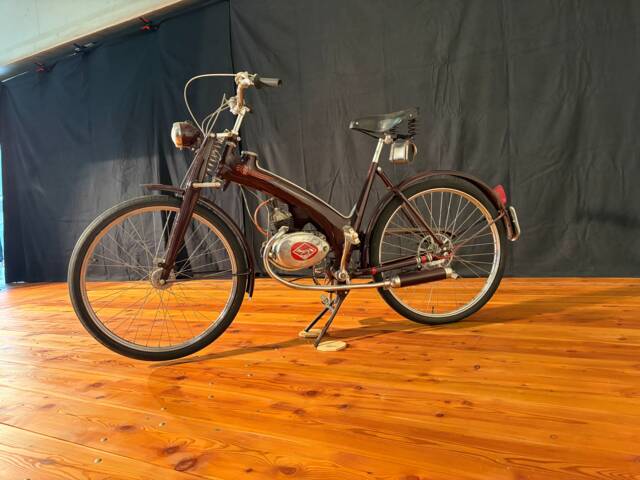
1953 | HMW Foxinette FM 41 S
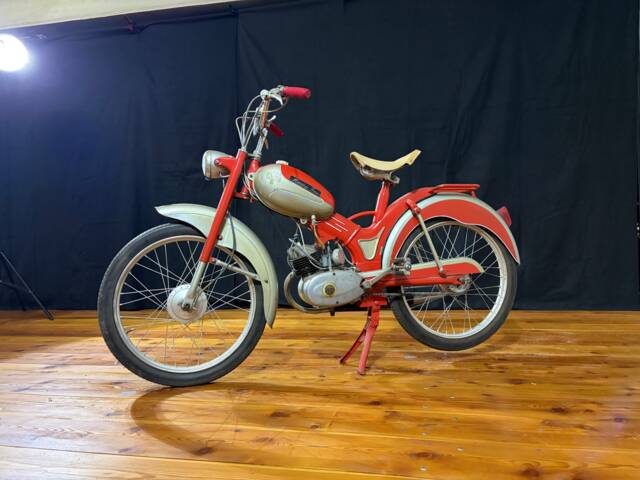
1953 | HMW Glockner 50 Z
Early Austrian Moped
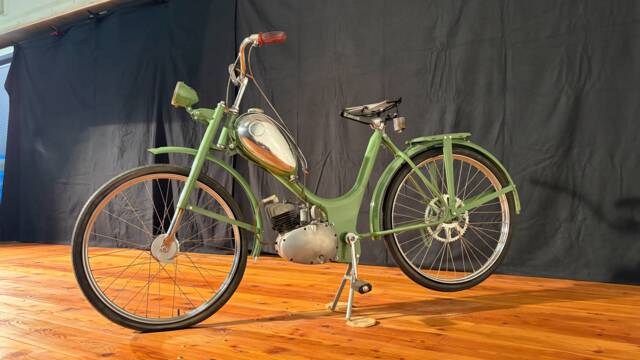
1954 | HMW 50 ZL
Austrian Post-War Moped
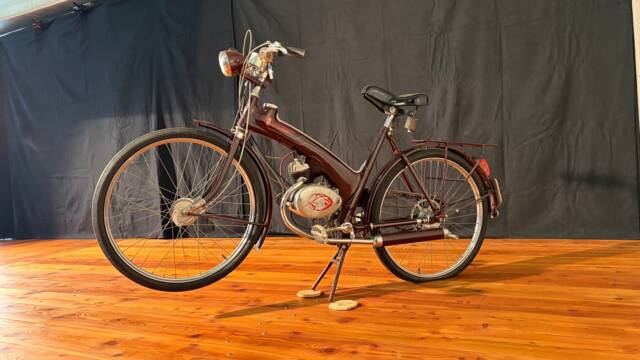
1953 | HMW Foxinette FM 41
Built for uncomplicated mobility of the post-war years
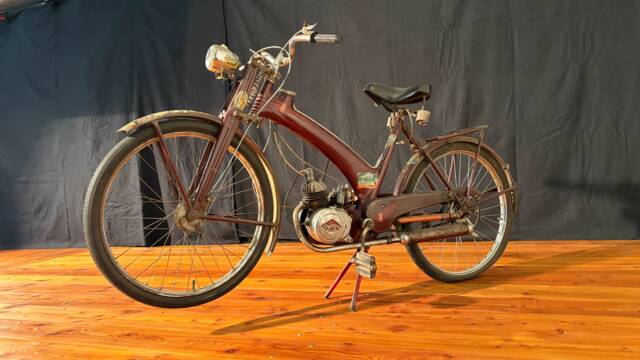
1952 | HMW Foxinette FM 41
Built for uncomplicated mobility of the post-war years
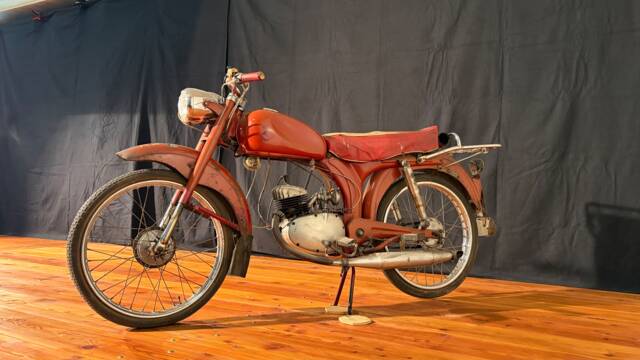
1955 | HMW 75 LM "Wiesel"
Powerful lightweight motorcycle from Austrian production
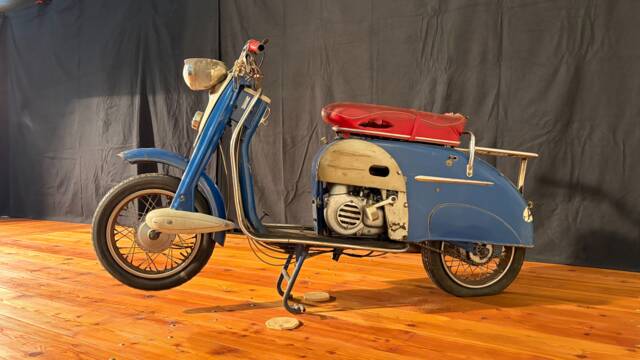
1951 | HMW 50 "Conny"
Compact design built for everyday use
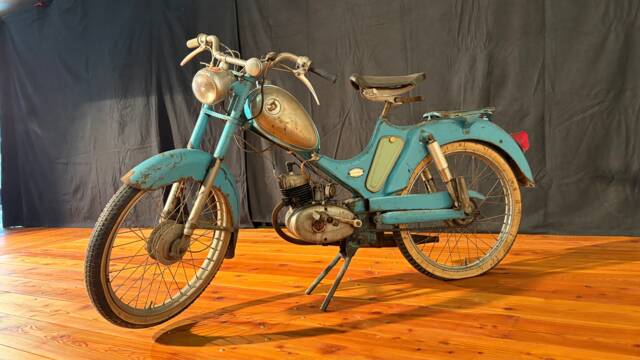
1960 | HMW 50
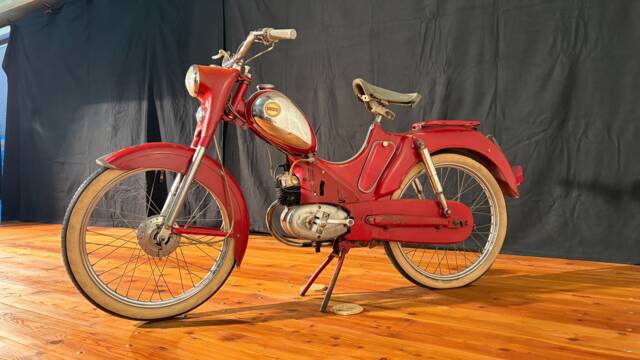
1956 | HMW 50 SL
Austrian Post-War Moped
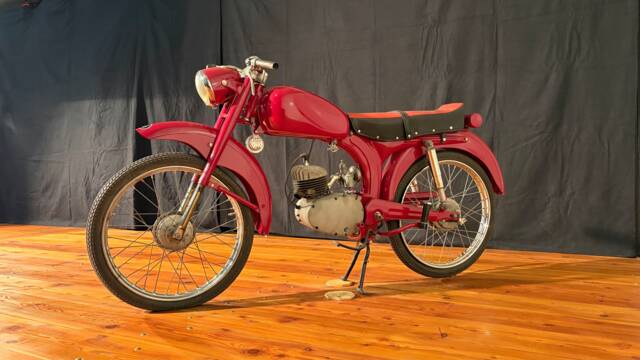
1958 | HMW 75 LM "Wiesel"
Lightweight motorcycle from Austrian production
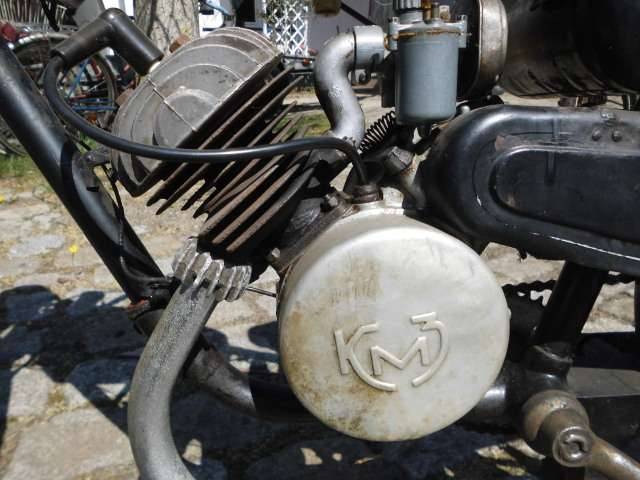
1952 | HMW 50 SL
HMW Hainsberger Mücke , Russensachs

Create search alert
Let yourself be notified as soon as a listing is published that matches your search filters.
Table of Contents
- History & Heritage
- Model Highlights
- Technical Data
- Market Overview & Buying Tips
- Riding Experience & Performance
- Design & Aesthetics
- Summary
History & Heritage
The history of Halleiner Motorenwerke, commonly known as HMW, is a fascinating chapter of Austrian industrial history, deeply intertwined with the post-WWII drive for individual mobility. It all began in 1948 in Hallein, near Salzburg. In an era where cars were unaffordable for the masses and full-sized motorcycles were considered luxury goods, ingenious engineers sought ways to motorise the humble bicycle. This trend was not unique to Austria; in the UK, the rise of the "cyclemotor" and "autocycle" mirrored this development, making HMW's creations highly relevant to the British market of the time.
The foundation was laid by Ing. Anton Fuchs, who presented the so-called Fuchs auxiliary engine at the Vienna Spring Fair in 1948. This small but robust 38cc two-stroke engine was designed to be mounted on conventional bicycles. The response was overwhelming, as it offered a cost-effective solution for commuters and tradespeople. Originally founded as Fuchs-Königer AG, internal differences soon led to a re-establishment in 1949 as Halleiner Motorenwerke AG. The team included former Puch employees like technician Hacker and sales strategist Fleischmann, who brought invaluable industry expertise.
In the early 1950s, HMW grew rapidly. Production expanded from simple clip-on engines to complete vehicles. A milestone in the brand's history was the long-distance journey by Richard Wunderer in 1952. Riding an HMW Foxinette powered only by a Fuchs auxiliary engine, he covered over 12,000 kilometres – from Austria through Italy and deep into the Sahara. This expedition proved the incredible reliability of the small engines under extreme conditions and earned the brand international respect, including among British enthusiasts who valued rugged engineering.
By the mid-1950s, HMW reached its zenith. The model range was steadily expanded to include mopeds, scooters, and even transport trikes. The brand exported its products to numerous countries, including the Netherlands and the UK. In Britain, HMW machines were often seen as exotic alternatives to domestic autocycles like the James or Francis-Barnett. However, success brought challenges. Growing prosperity in Europe led more people to switch to cars. Furthermore, competition from giants like Puch and the emerging Japanese manufacturers was fierce.
Towards the end of the 1950s, the company moved its headquarters from Hallein to Kottingbrunn in Lower Austria. It was hoped that modernised production and new models like the Conny scooter would turn the tide. Despite innovative approaches and a loyal following, Halleiner Motorenwerke could not stop the economic decline. In 1964, production finally ceased. In total, around 25,000 units were manufactured during the short but intense history of the company – a figure that seems small compared to mass-market manufacturers but underscores the exclusivity and collector value of the surviving vehicles today.
After decades of slumber, the HMW name is currently experiencing a renaissance. Under the label HMW Mobility, the brand was revived in 2024, focusing on modern electric drives and 125cc models. For collectors, however, the classic two-strokes from the era between 1948 and 1964 remain the true treasures, embodying the spirit of the Austrian "Wirtschaftswunder" (economic miracle). In the UK, these rare machines are often found at vintage motorcycle club meets, where their unique engineering is highly appreciated.
Model Highlights
If you are looking to buy an HMW motorcycle today, you will find a manageable but technically highly interesting selection of models. Each vehicle tells its own story of technical improvisation and alpine spirit.
HMW Foxinette (FM 41 / FM 41 S)
The Foxinette is the brand's original model and the direct descendant of the Fuchs auxiliary engine. In its early form, it was little more than a reinforced bicycle with an engine mounted under the bottom bracket. Later versions, such as the FM 41 S, received a dedicated frame and telescopic forks, making it a true moped. With its characteristic "pop-pop" sound and simple technology, it is the epitome of the early post-war moped. Collectors particularly value early examples with the original "Fuchs" lettering on the engine casing. In the UK, it is a rare and sought-after alternative to the more common cyclemotors of the era.
HMW Conny (50 / 50 SL)
The Conny scooter is undoubtedly the most charming model in the portfolio. Named after the child star Cornelia Froboess, it was specifically marketed as a "lady's vehicle". The step-through frame and elegant bodywork made it ideal for city riding. Technically, the Conny was based on the proven 50cc engine but often featured a comfortable three-speed hand-shift gearbox. The Conny is a highly sought-after collector's item today, perfectly reflecting the zeitgeist of the late 50s. It fits perfectly into the British scooter scene, offering a unique Austrian twist on the classic step-through design.
HMW 75 LM "Wiesel"
For customers who found 50cc insufficient, HMW offered the Wiesel model. With a displacement of 75cc and an output of about 3.2 hp, the Wiesel was significantly more powerful than its smaller siblings. It was designed as a lightweight motorcycle and offered a respectable top speed of over 40 mph for the time. The Wiesel is extremely rare today, as production numbers were much lower than those of the 50cc models. For UK collectors, the Wiesel represents a rare opportunity to own a small-capacity Austrian motorcycle with genuine road presence.
HMW Glockner 50 Z
Named after Austria's highest mountain, the Grossglockner, this model was intended to highlight the climbing ability of the Hallein designs. The Glockner 50 Z featured optimised gear ratios and a robust construction. It was the workhorse for rural regions and proved itself on steep mountain passes. Even in the UK, its ability to handle hilly terrain makes it a practical choice for vintage rallies in areas like the Peak District or the Scottish Highlands.
HMW 50 SL and 50 ZL
The 50 series formed the backbone of late production. The abbreviations stood for different trim levels: SL for Super-Luxus (Super Luxury) and ZL for Zentral-Luxus (Central Luxury), often with rear suspension. These models showed the evolution towards the modern moped with telescopic forks, swingarm chassis, and full-hub brakes. They are the most common HMW classics found on the market today and offer a great entry point into the world of the brand.
Technical Data
The technology of HMW vehicles was characterised by simplicity and durability. Here is an overview of the key specifications of the core models:
The engines were almost exclusively air-cooled single-cylinder two-strokes, running on a 25:1 fuel-oil mixture. A special feature of many HMW engines was the compact crankcase design and the use of high-quality casting materials, which made them thermally very stable – a significant advantage for long rides.
Market Overview & Buying Tips
The market for HMW motorcycles in the UK is niche but growing, as interest in authentic European brands increases. Since the total number of vehicles produced was relatively small at around 25,000 units, every offer is a minor rarity.
Price Guide 2024-2025 (UK)
Prices vary significantly depending on the model and condition. Here is an orientation based on current market data in British Pounds (£):
- Barn Finds / Restoration Projects: For unrestored vehicles that have often stood in sheds or garages for decades, prices range between £400 and £1,000. Caution is advised here, as sourcing specific body parts can be difficult.
- Roadworthy Original Condition: Mopeds with a nice patina that have been technically overhauled are priced between £1,200 and £2,500. This is the most attractive range for many collectors, as the historical character is preserved.
- Top-Restored Examples / Museum Quality: Perfectly rebuilt vehicles, especially rare models like the Wiesel or an early Foxinette, can fetch prices from £3,000 to £4,500. In individual cases, such as those with a complete history or prominent previous ownership, asking prices may be higher.
Weak Spots to Check
When inspecting an HMW in the UK, pay particular attention to the following points:
- Tank Corrosion: The steel tanks of the 1950s are prone to internal rust. Check the interior with a torch. Rust particles can clog the carburettor and lead to engine damage.
- Engine Seals: After long periods of standing, the oil seals (Simmerrings) become brittle. If the engine draws in false air, it will run unevenly or be impossible to tune. A complete seal kit is inexpensive, but installation requires splitting the engine.
- Ignition System: The original magneto ignitions often lose their strength over the decades. A weak spark leads to starting problems, especially when the engine is warm. Many owners today upgrade to modern electronic ignitions, which greatly increases reliability.
- Wear Parts: Tyres in the old dimensions are easily available, but specific cables or original speedometer drives can be harder to find. Ensure the vehicle is as complete as possible.
Registration and MOT (UK)
In the UK, classic vehicles over 40 years old are generally exempt from the MOT test and Vehicle Excise Duty (Tax), provided they have not been substantially modified. However, you must still ensure the vehicle is in a roadworthy condition. If the HMW is a fresh import, you will need to go through the V5C registration process with the DVLA, which may require a dating certificate from a recognised club.
Riding Experience & Performance
Riding a classic HMW is a journey back to a slower world. If you are used to a modern 125cc bike, you will need to adjust. The 50cc two-stroke demands attention and feel.
The starting procedure is a ceremony: open the fuel tap, press the "tickler" on the carburettor until fuel just overflows, and then give a spirited kick on the pedals or the kickstarter. The engine wakes up with a bright, metallic sound typical of Anton Fuchs' designs. At idle, the entire vehicle vibrates gently, a sign of the direct connection between rider and machine.
On the road, the HMW surprises with its lightness. The mopeds often weigh little more than 50 kg, making them extremely nimble. Acceleration is leisurely, but once the engine gets up to speed, it develops a pleasant pull. The three-speed hand-shift on the Conny or the 50 SL is particularly fun – the click of the gears at the handlebar grip provides mechanical feedback that modern automatic scooters completely lack.
In corners, you feel the simple suspension technology. The friction dampers or early telescopic forks quickly reach their limits on poor road surfaces. But that is exactly the appeal: you don't just ride; you work with the vehicle. A ride through the countryside on a Glockner 50 Z is a genuine achievement, where you can literally feel the heat of the engine and the effort of the mechanics. It is an honest, unfiltered riding experience that makes every trip a small adventure.
Design & Aesthetics
The design of Halleiner Motorenwerke was always functional but never without elegance. In the early years, the pragmatic look of the auxiliary engine era dominated. Black was the prevailing colour, combined with simple pinstriping.
With the advent of mopeds in the 1950s, HMW became bolder. Two-tone paint finishes in pastel shades like lime green, ivory, or light blue were introduced. The Conny in particular stood out with its flowing forms. The rear wheel enclosure and the curved frame gave it an almost sculptural appearance, strongly inspired by Italian models like the Vespa but still retaining a distinct alpine character.
A key aspect of the brand's aesthetic was its advertising. Graphic artist Franz "Ferenc" Antal created posters that are now sought-after collector's items themselves. His depictions of dynamic riders against alpine backdrops conveyed a sense of freedom and progress. The brand's logos – often a combination of the HMW lettering and stylised wings – radiated dynamism.
The details also impress: the shapely headlight housings, which often integrated the speedometer, or the elaborately designed tank emblems show that quality was a priority in Hallein. An HMW is not just a means of transport but a piece of industrial design that looks good even when stationary.
Summary
Halleiner Motorenwerke may have only existed as a company for 15 years, but its legacy is significant. Anyone choosing to buy an HMW motorcycle today is opting for a piece of authentic Austrian engineering history. Whether it is the minimalist Foxinette, the elegant Conny, or the rare Wiesel – each model offers a unique experience for collectors and enthusiasts.
Despite the low production numbers of around 25,000 units, the supply of spare parts is secured thanks to dedicated specialists, making it easier to get into the hobby. The vehicles are technically straightforward, robust, and offer an incomparable riding experience that recalls the optimistic spirit of the post-war era. In a world of mass production and digital perfection, an HMW is a statement of individuality and mechanical honesty. If you enjoy the challenge and fascination of small-capacity engines, you will find what you are looking for with this brand from the Salzburg region.