Plymouth Special Deluxe classic cars for sale
The Plymouth Special Deluxe, built between 1941 and 1950, stands for refined postwar American luxury and authentic design flair. Available as a saloon, coupé, and station wagon, the Special Deluxe delivered generous space, dependable six-cylinder engines and unique styling flourishes such as extensive chrome, stylish dashboards and a variety of upholstery and paint options. Decades later, the model remains a sought-after representative of its era.
Search results
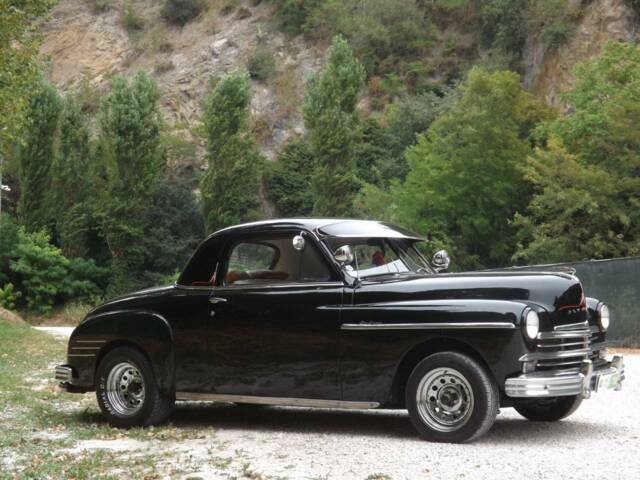

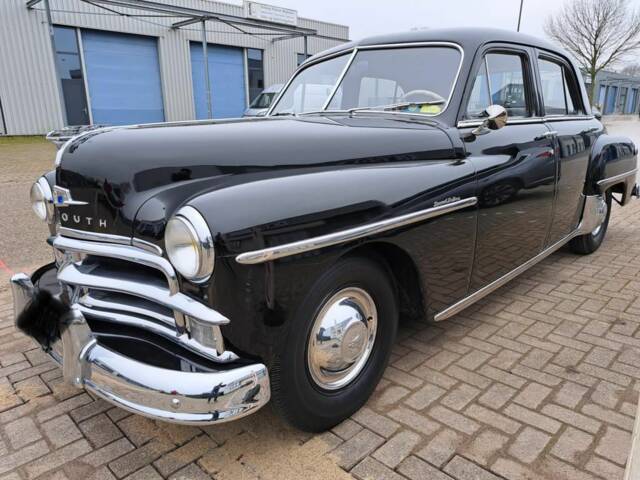
1950 | Plymouth Special Deluxe
Plymouth Deluxe | 1950 | Route 66 Auctions - For sale by auction. Estimate 15000 EUR

Plymouth Special Deluxe listing references from Classic Trader
Below you will find listings related to your search that are no longer available on Classic Trader. Use this information to gain insight into availability, value trends, and current pricing for a "Plymouth Special Deluxe" to make a more informed purchasing decision.
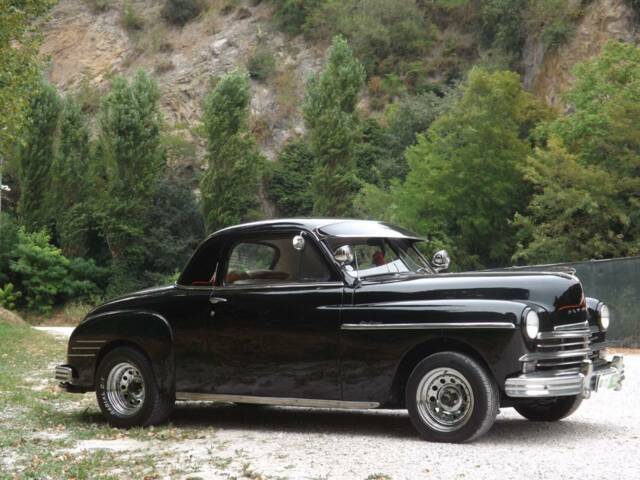
1949 | Plymouth Special Deluxe
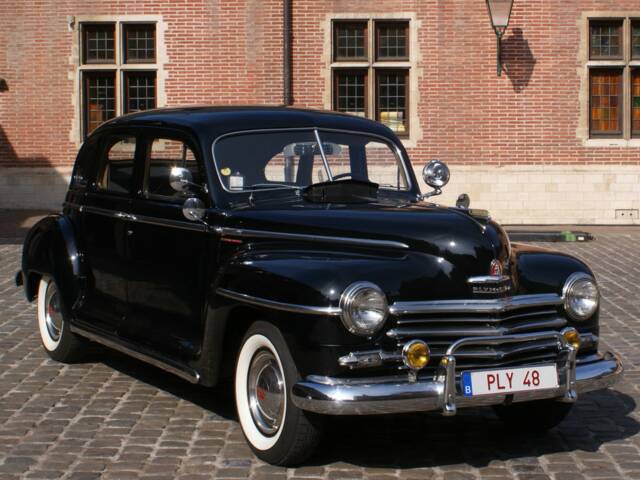
1948 | Plymouth Special Deluxe
Plymouth Special Deluxe | 1948 | Route 66 Auctions - For sale by auction. Estimate 14500 EUR
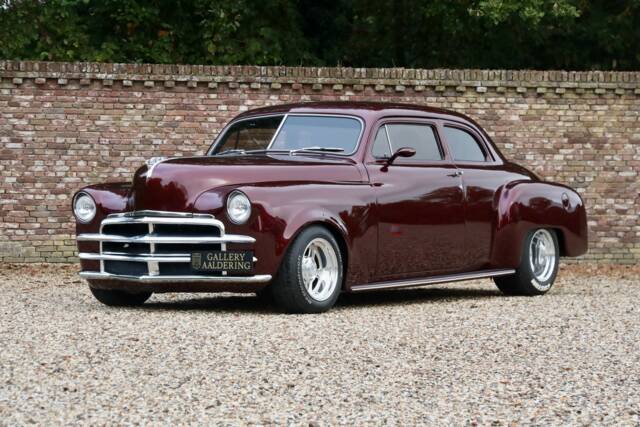
1950 | Plymouth Special Deluxe
Plymouth Special Deluxe "Streetmachine" Completely rebuilt with the “Naked Engine Bay” philosophy,
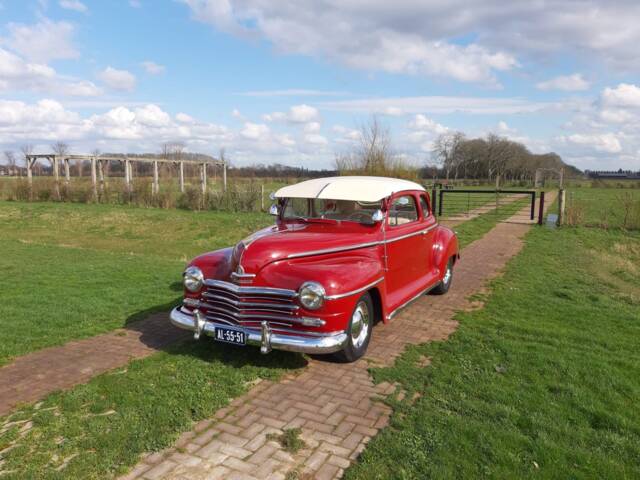
1948 | Plymouth Special Deluxe
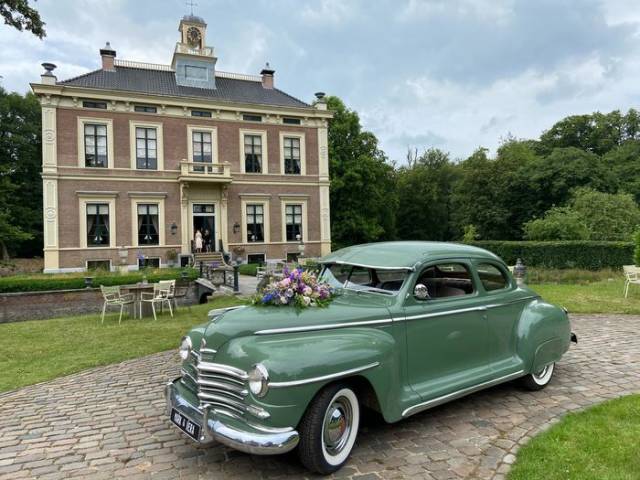
1947 | Plymouth Special Deluxe
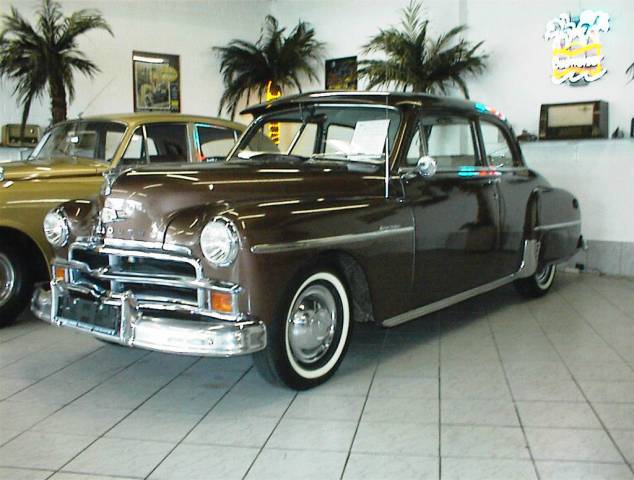
1950 | Plymouth Special Deluxe
Plymoth P20 Spezial de Luxe (2-Door-Coupè)

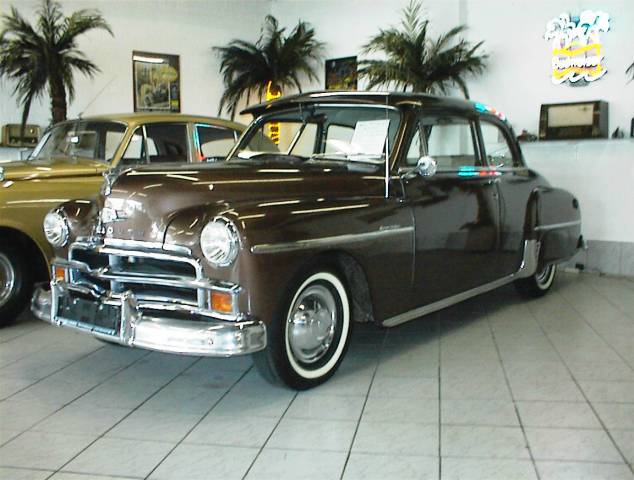
1950 | Plymouth Special Deluxe
P20 Special De Luxe Coupe (reduzierter Winterp.)
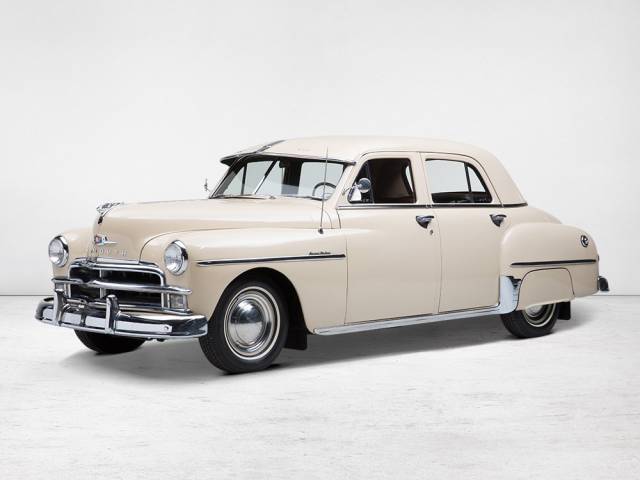
1950 | Plymouth Special Deluxe
Classic Car Auction on Nov 24, 2015
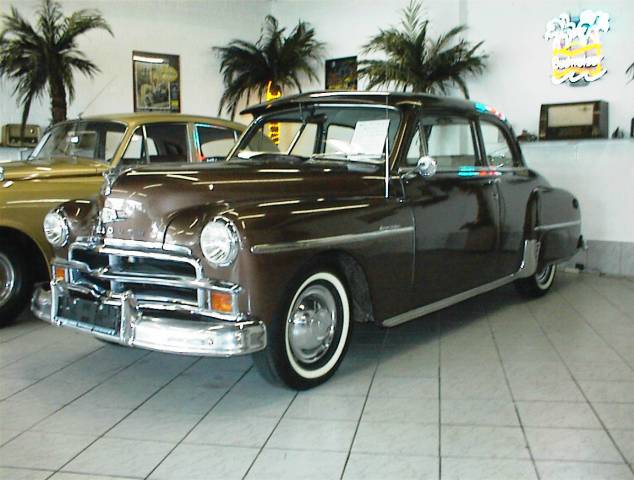
1950 | Plymouth Special Deluxe
P20 Special De Luxe / Coupe
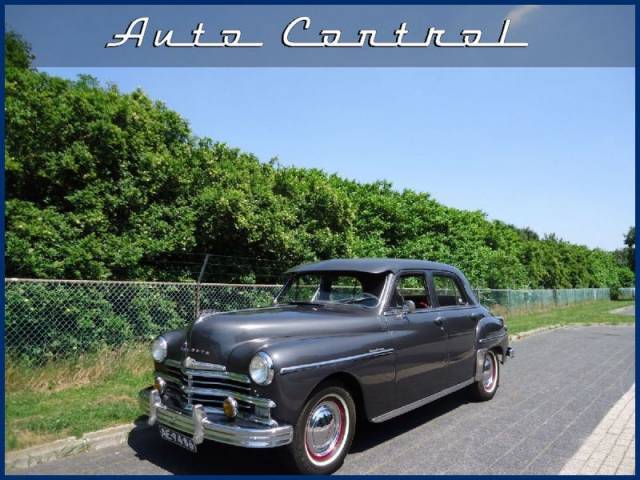
1949 | Plymouth Special Deluxe
Plymouth De Luxe Special Deluxe 1949
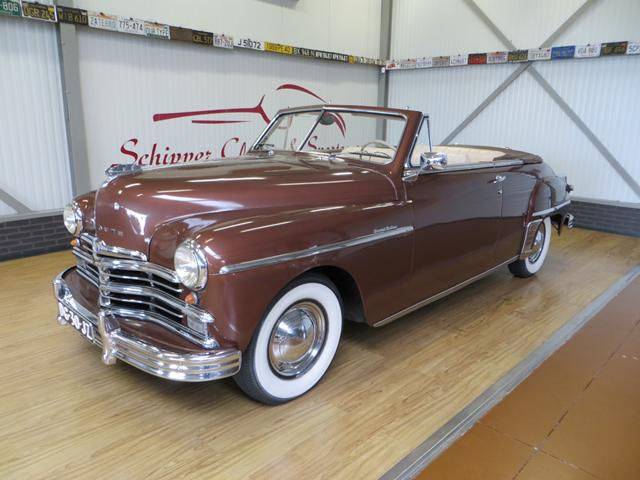
1949 | Plymouth Special De Luxe Cabriolet
Special De Luxe Convertible
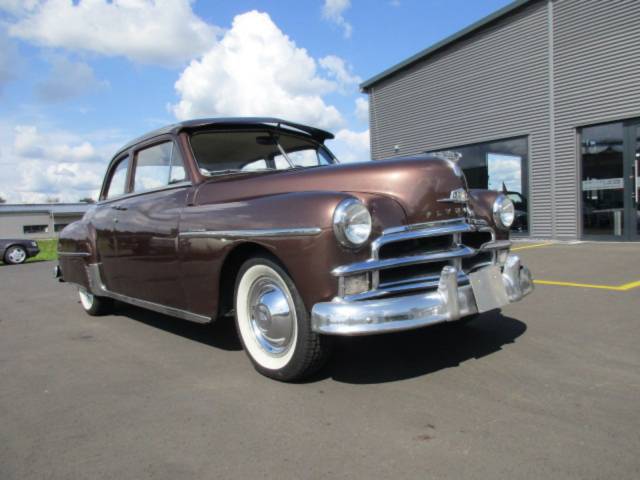
1950 | Plymouth Special Deluxe
Plymouth Special deluxe, 2-door Coupé, Top Zustand, Tüv/H
Plymouth Special Deluxe Classic Cars: Prices & Market Values
History of the Plymouth Special Deluxe
Plymouth launched the Special Deluxe in 1941, positioning it as an upgraded, more luxurious evolution of the successful Plymouth Deluxe line, which had appeared back in 1933. The lineage began with the Model PC and Model PD, both fitted with robust inline six-cylinder engines. Before WWII interrupted civilian car output in the US, the Special Deluxe featured incremental updates—such as an enlarged body and a more advanced ventilation and heating system. In 1942, shortly before production stopped due to war, Plymouth gave the Special Deluxe a revised grille and eliminated running boards, shifting definitively away from the prewar look.
Car manufacturing resumed after 1945, and the Special Deluxe soon rejoined the range with minimal changes—wider grilles and more enveloping bumpers were about the only immediately visible updates. Despite a global economic slowdown, Plymouth kept the Special Deluxe in production until 1950, continually refining the model's mechanicals and comfort to the last year.
Model History and Variants
The Special Deluxe was the top offering in the Plymouth lineup, surpassing the standard De Luxe in both finish and features. It was available as a sedan, convertible, coupé—such as the Business Coupé—and also as a station wagon ('family version'). Through its run, it carried several body configurations, responding to consumer preference for increased comfort and status. The model code P20 refers to this top-of-the-line series. Predecessors included the base Deluxe, while its primary successor was the Plymouth Cranbrook, introduced in the early 1950s.
Highlights and Market Presence
Distinct features defined the Special Deluxe throughout its production: pronounced chrome bumpers and trim, wide whitewall tyres, rear mudguard skirts, and art-deco inspired dashboards with functional gauges. The original interiors offered period-typical fabrics, often broadcloth, and striped seats. Optional extras—such as external sunshades, fog lamps, pinstriping, and unique hubcaps—gave each car a personalised touch. The Special Deluxe achieved broad export success and is still found on European roads, especially with Dutch or German registration.
Technical Data
Special Editions and Rare Models
Noteworthy are rare body variants, especially the 2-door convertible and 5-door station wagon. These versions were produced in much lower numbers compared to the standard sedans and are especially sought-after by collectors. | Individual cars may also feature period accessories such as Appleton searchlights or special paint options like 'Balfour Green', adding unique character.
Weak Spots and Common Issues
Like most vehicles of their era, the Special Deluxe models can show wear in the electrical system (6V), corrosion on chrome parts and sills, and worn original textiles or headliners. It's essential to check for rust on the chassis and underbody, alongside scrutiny of engine health—especially when cars have spent long periods off the road. Spare parts are still available, but sourcing exact interior trims or particular accessories may require a specialist or custom restoration.
Engine, Transmission and Handling
The Special Deluxe is powered by a reliable straight-six engine known for long-term durability if regularly maintained. Power figures ranged from 70 to 97 hp, depending on model year and variant; most postwar cars produced about 95 hp. The three-speed manual with a steering column shifter provides smooth gear changes, while leaf-sprung suspension ensures stable performance—though handling is more comfort-oriented than sporty. Brakes are drum type, requiring a firm foot typical of the period. Notable body styles include the Business Coupé—favoured for its clean lines and lighter weight—as well as the 2-door convertible. Both offer authentic driving experiences with era-faithful engineering.
Interior, Comfort, Exterior and Design
Design-wise, the Plymouth Special Deluxe exemplifies the late 1930s to 1950s US aesthetic: confident front grilles, generous chrome application, decorative pinstripes, and strong, flowing body lines. Interiors are often finished in broadcloth or patterned moquettes, with contrasting piping and classic steering wheels. Dashboard layouts reflect art-deco motifs and the instrument cluster is typically easy to read. Distinctive details include mudguard skirts, accessory sun shades and Appleton spotlights. Common original colourways are Balfour Green, grey, tan, or burgundy cloth. Optional extras ranged from traffic light viewers and fog lights to wind deflectors and premium wheel trims.
Other Features
Original documentation (purchase contracts, service books) and accessories (spare wheels, period-correct radios, bonnet mascots) still appear with surviving examples. Some cars have been modernised—occasionally featuring dual exhausts or upgraded electricals for practical everyday use—while others retain full factory specification. Export and cross-border sales are common, with a notable number of Special Deluxes in Europe.
Summary
The Plymouth Special Deluxe remains a benchmark for pre- and postwar American craftsmanship, noted for its range of body styles, robust engineering, and generous comforts. With its commanding chrome details, reliable six-cylinder engines, and ample option list, the series holds strong relevance for enthusiasts seeking authenticity and individuality in a classic American car.