Plymouth Fury Classic Cars for Sale
The Plymouth Fury stands for pure American full-size tradition, known for immense body dimensions, distinctive tailfins in early years, and powerful V8 engines with robust torque. Rarity and authentic US flair, especially in Sport Fury and Fury III models, define this series for collectors who value performance, design, and originality.
Search results
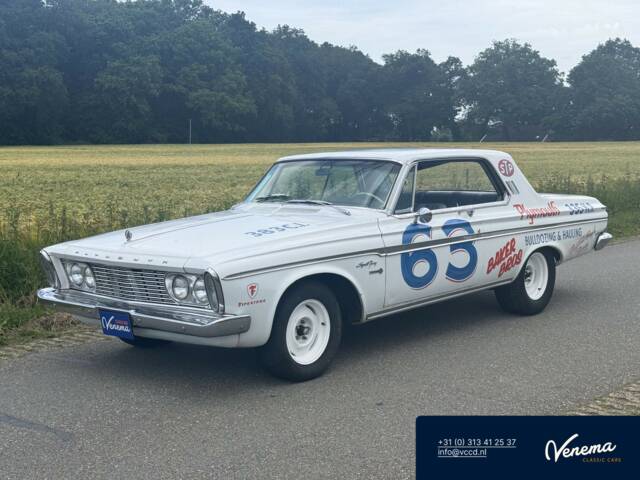
1963 | Plymouth Sport Fury
Plymouth Sport Fury Hardtop Coupe

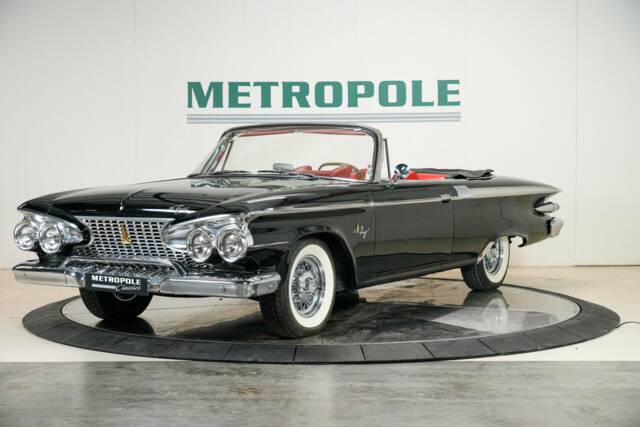
1961 | Plymouth Fury
Plymouth FURY M1109
Auctions ending soon

Loading…
Loading…
Loading…
Loading…
Plymouth Fury listing references from Classic Trader
Below you will find listings related to your search that are no longer available on Classic Trader. Use this information to gain insight into availability, value trends, and current pricing for a "Plymouth Fury" to make a more informed purchasing decision.
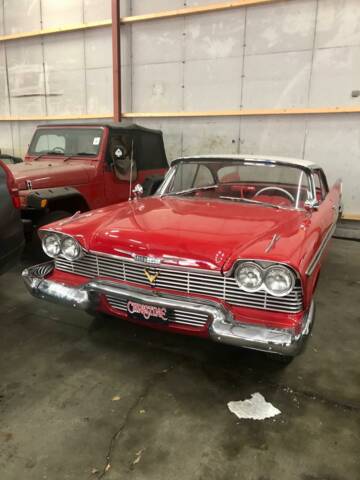
1958 | Plymouth Sport Fury
Stephen Kings' Christine!
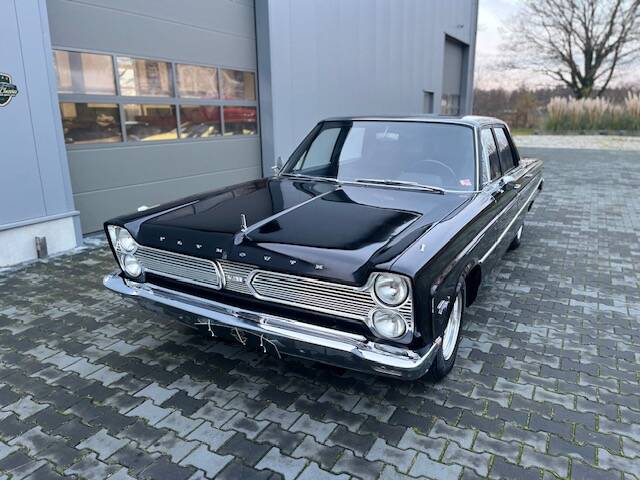
1966 | Plymouth Fury I
4-türige Limousine, Sedan, top Zustand, H-Abnahme

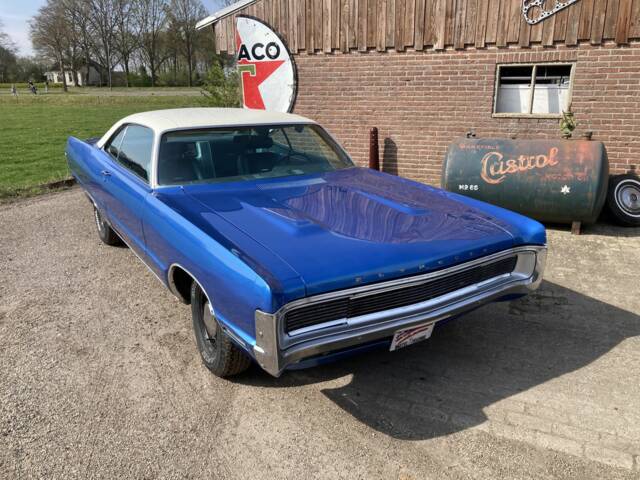
1970 | Plymouth Sport Fury
Plymouth Sport Fury Hardtop Coupe | 1970 | Route 66 Auctions - For sale by auction. Estimate 8500 EUR
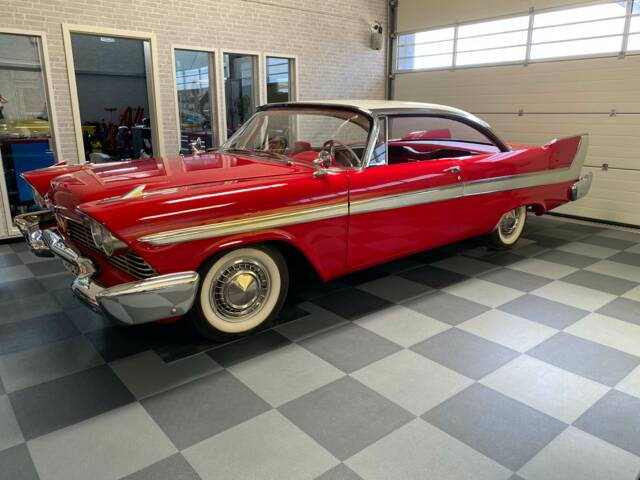
1958 | Plymouth Sport Fury
Perfectly restored Christine
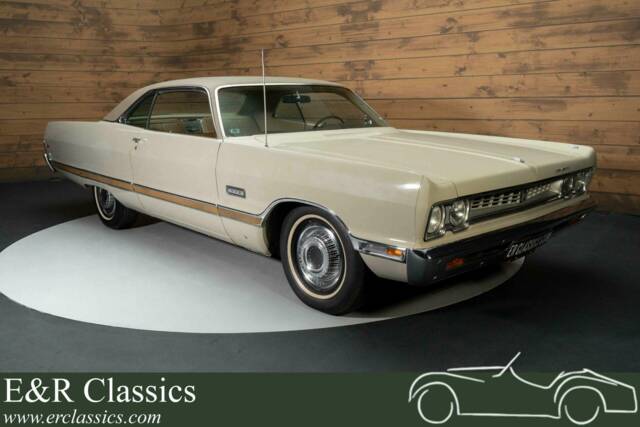
1969 | Plymouth Fury III
Plymouth Fury VIP | Historie bekend | Origineel | 1969
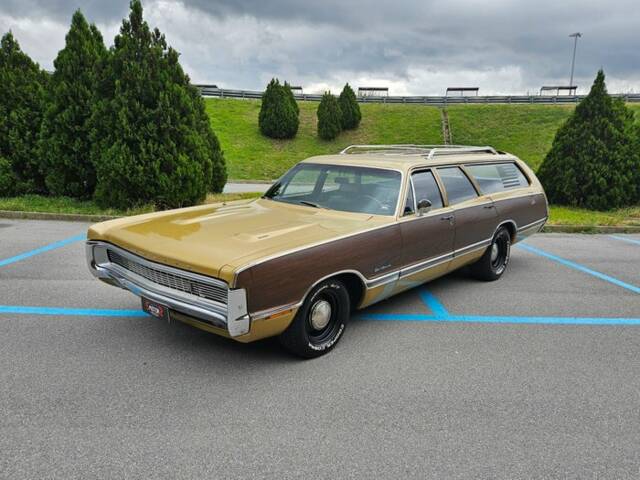
1970 | Plymouth Sport Fury Station Wagon
Plymouth - Fury Sport Suburban Wagon 383 6,4L Big Block - 1970
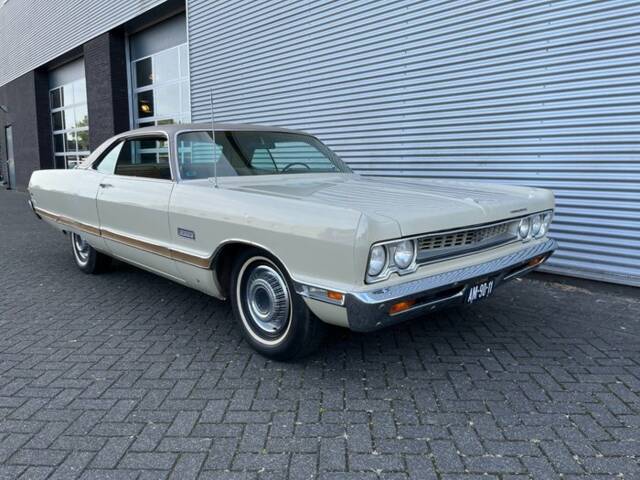
1969 | Plymouth Fury III
Plymouth - Fury VIP - 1969
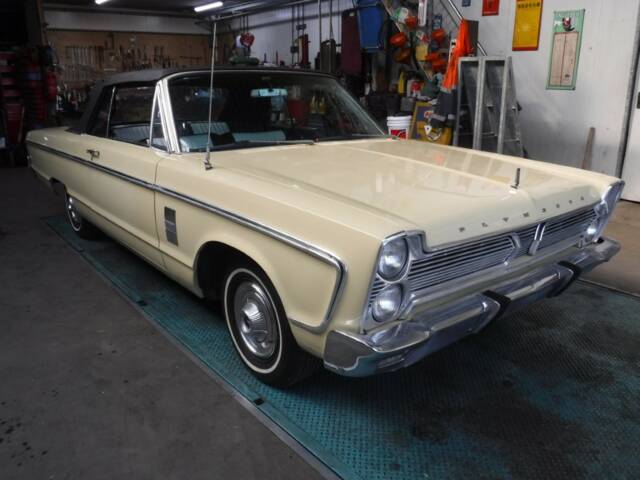
1966 | Plymouth Fury III Convertible
Plymouth-Fury 3 convertible
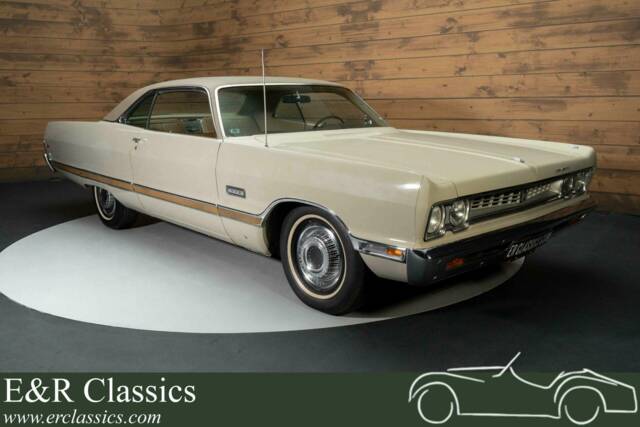
1969 | Plymouth Fury III
Plymouth Fury VIP | Historie bekend| Origineel| Airco | 1969
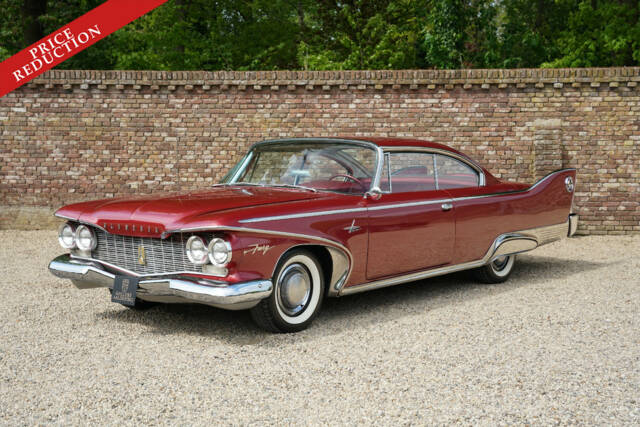
1960 | Plymouth Fury SonoRamic Commando
Plymouth Fury PRICE REDUCTION! Very rare, Very good condition, Sonicram intake, 361 engine PRICE REDUCTION!
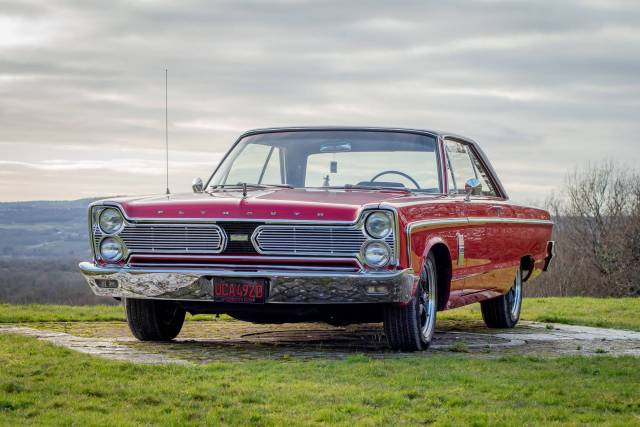
1966 | Plymouth Fury III
318 Poly Hemi Engine - Many Upgrades - Fabulous Example

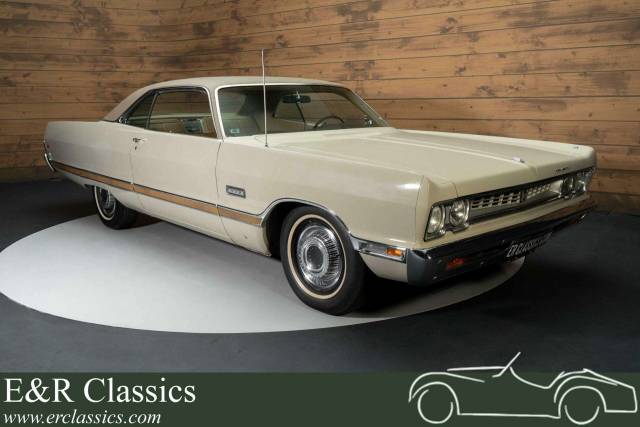
1969 | Plymouth Fury III
Plymouth Fury VIP| Historie bekend| Origineel | Airco | 1969
Plymouth Fury Classic Cars: Prices & Market Values
The History of the Plymouth Fury
The Plymouth Fury was introduced in 1956 as a sub-series of the Belvedere and quickly evolved into its own range above the Belvedere by 1959. The name 'Fury' is inspired by the Furies from Greek mythology, hinting at the model's spirited reputation. Originally just a hardtop coupe, it was available primarily with high-output V8 engines—setting early benchmarks in performance. Fury became a stand-alone model line from 1959, with significant re-designs in 1960 and 1965, and a lineup that included sedan, coupe, and convertible variants. For American police and taxi fleets, the Fury became a staple due to its size and durability. Its presence in US popular culture is unmatched—a Fury was Peter Gunn’s car and played the unforgettable antagonist in Stephen King’s 'Christine.' Production spanned until 1978, with later transformations and continued production of related models through the 1980s.
Model History: Variants and Development
From 1956 to 1958, the Fury was a distinct, sportier Belvedere. In 1959, it gained model series status, introducing the Sport Fury as a flagship and, later, multiple trim levels: Fury I, II, III, and Sport Fury. The numbering indicated increasing power and trim. In the mid-1960s, convertible versions and unique bodywork set new standards. Frequent redesigns meant each decade had a striking visual identity: from extravagant fins in the 1960s to more restrained lines in the 1970s. In 1975, a new naming structure saw the previous Satellite model renamed Fury, while the Gran Fury took over as the flagship. The range was known for reliable Chrysler V8s, and in its final years, saw police and taxi service dominating production use.
Highlights and Distinctive Features of the Plymouth Fury
The Fury’s long production run captures key shifts in American automotive design. Early models are known for dramatic tailfins, huge bonnets, a wraparound windscreen, and extensive chrome trim. Performance variants like the Sport Fury GT boasted SonoRamic intake systems and high-performance V8 engines—some with over 300 hp. Interiors reflected American tastes, with bench seats for five, vinyl upholstery, and red or two-tone colour schemes. Technical flourishes include robust unibody construction in the 1960s and specialty features like factory build sheets, matching numbers, and chromed original hubcaps. Accessories could include steel or lightweight alloy wheels, custom radios, and even aftermarket stainless steel tanks in restored cars.
Technical Data
Special Editions and Collectible Models
The Sport Fury introduced in 1959, temporarily replaced in 1966–69 by the VIP, marked the performance top end with unique trim and more powerful engines. The Sport Fury GT and rare configurations with SonoRamic intake and high output powerplants are particularly valued today. Models with factory documentation and matching numbers, as well as original factory builds as seen in the movie 'Christine,' are seen as especially collectible due to their rarity and pop culture impact.
Engine, Driving Characteristics and Handling
Typical for large American V8s, the Fury’s engines are prized for their low-end torque and relaxed cruising abilities. The big block 383 engines delivered ample power, especially when paired with the rare SonoRamic intake. The sturdy three-speed automatic transmission was standard on many variants, supporting smooth and effortless driving. Suspension is comfort-oriented with a soft setup, supporting long highway runs, though handling is less precise than smaller vehicles—something to keep in mind for European roads. - 1960 Hardtop Coupé: 361 cui V8, ca. 310 hp, automatic, known for its dramatic fins and SonoRamic Intake.
- 1969 Sport Fury: 383 cui Big Block, performance focus, high trim level.
- Fury III models: various V8s, popular as police/taxi cars, outstanding for reliability.
Exterior, Interior and Special Features
From its inception, the Fury’s design reflected changing American tastes. The early 1960s models are recognised for pronounced tailfins and extensive chrome, while later versions shifted to squared edges and restrained ornamentation. Interiors were equally bold: bench seats in vinyl or cloth, large curved windscreens, generous use of brightwork, and US-typical expansive dashboards. Colour palettes included vibrant reds and two-tones. Notably, most Fury models retained factory hubcaps, whitewall tyres, and prominent exhausts. Accessories may include original build sheets, dealer cards, classic US spec radios or, in restored models, modern audio equipment. Restoration work can include replacement stainless tanks and, rarely, upgraded brakes or steering.
Other Relevant Features
Cars are typically found in restored or partially restored condition, sometimes with European registration documents in English. Many examples have detailed documentation—factory build sheets, owner’s manuals, US dealer paperwork—and, being US imports, left-hand drive is the rule.
Summary
The Plymouth Fury is a defining vehicle of American automotive history, offering a unique blend of high-torque V8 performance, comfort, and presence. Spanning over three decades, its evolution mirrors various eras of US car culture. Rarity, extensive documentation, and the unmistakable design language make the Fury an attractive prospect for collectors focused on originality, engineering, and cultural authenticity.