Plymouth Duster classic cars for sale
The Plymouth Duster is a compact, lightweight coupé that defined Chrysler’s sporty American cars in the 1970s. With a range of robust six-cylinder and potent V8 engines, distinctive fastback styling, and features like the 'Sharktooth' grille, the Duster has become the focus of Mopar enthusiasts. Its popularity is reflected both in the range of listings and demand seen today.
Search results
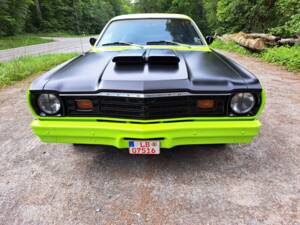
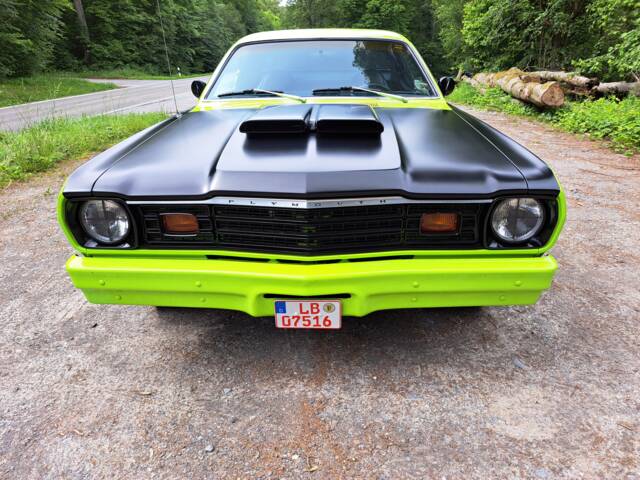
1973 | Plymouth Duster
Mopar Plymouth Duster 1976

Plymouth Duster listing references from Classic Trader
Below you will find listings related to your search that are no longer available on Classic Trader. Use this information to gain insight into availability, value trends, and current pricing for a "Plymouth Duster" to make a more informed purchasing decision.
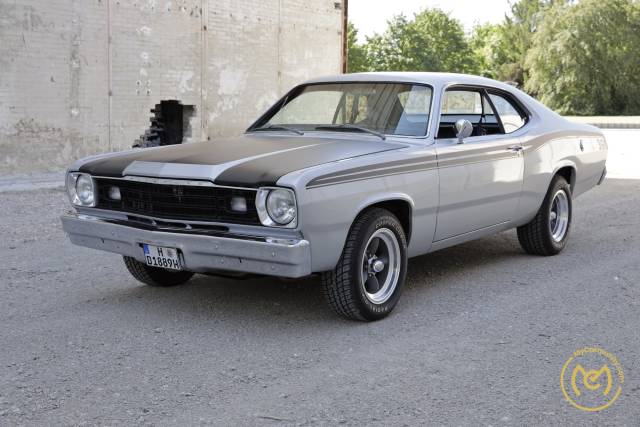
1973 | Plymouth Duster
Voll. restauriert, hochwertiges Tuning, Edelbrock, Edelstahlauspuff, TÜV/H Neu
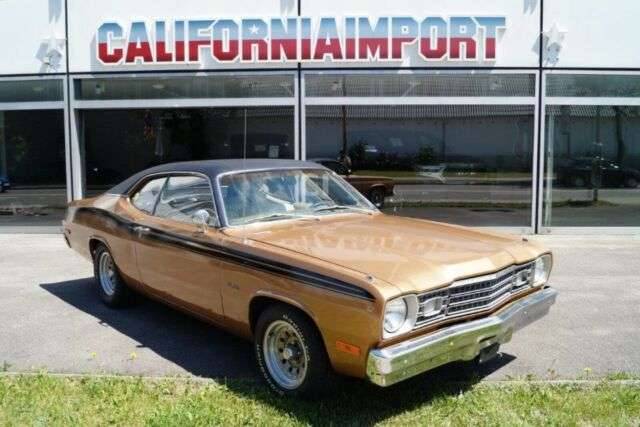
1973 | Plymouth Duster
Plymouth Duster 340
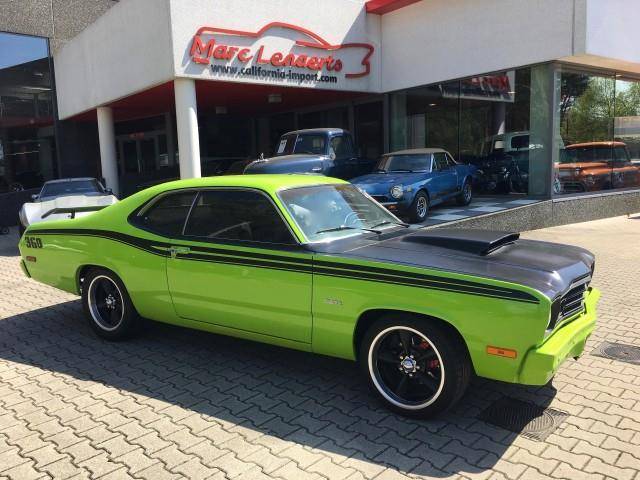
1972 | Plymouth Duster
Plymouth Duster 360 ci

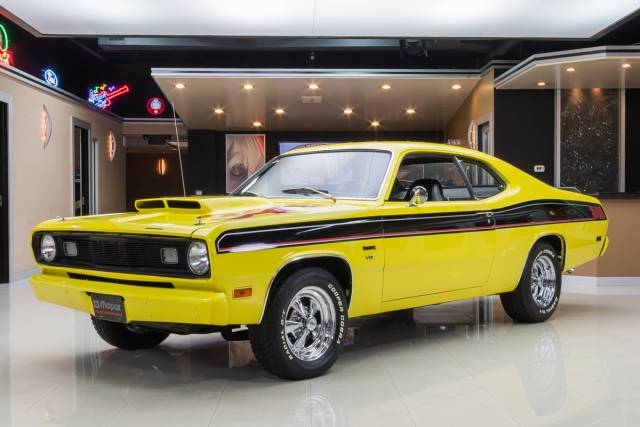
1970 | Plymouth Duster
Vollständig restauriert · Mopar 318 V8 mit A-904 Torquefilte Automatik
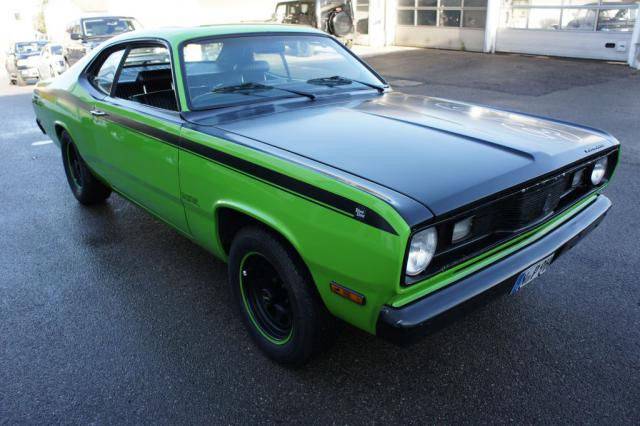
1970 | Plymouth Duster
Plymouth Duster 340
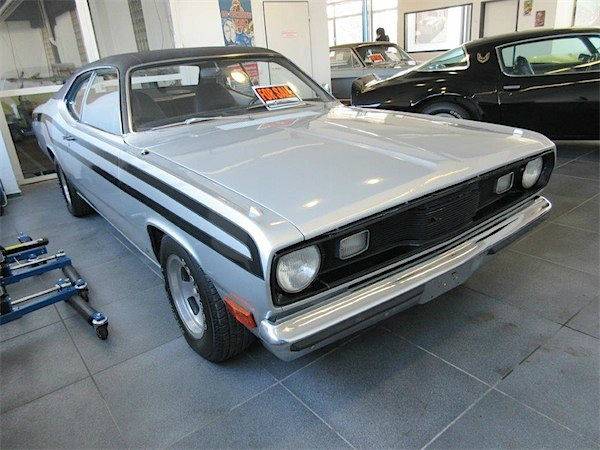
1971 | Plymouth Duster
Andere
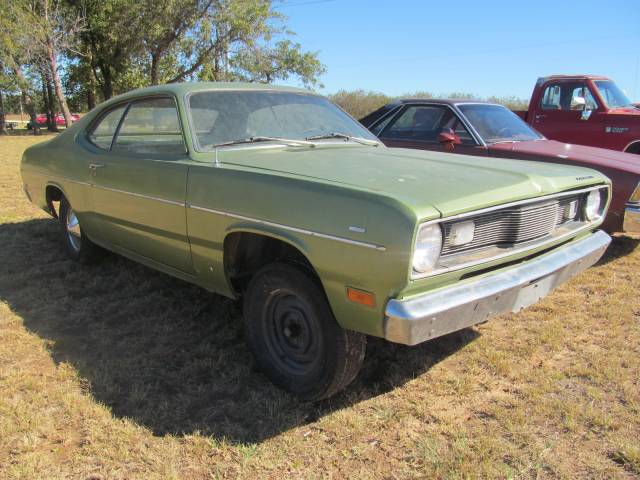
1971 | Plymouth Duster
Plymouth Duster Classic Cars: Prices & Market Values
History of the Plymouth Duster
The Plymouth Duster, introduced in 1970, emerged as a semi-fastback two-door coupé derivative of the Valiant platform. Conceived as an affordable yet sporty choice, it was developed following a shift in investment away from uprating existing models. With a bold new design, it entered showrooms as a cheaper, lighter alternative to muscle cars, retaining dependable Valiant mechanicals. The Duster instantly stood out in films and American pop culture, cementing its status among compact performance vehicles. Its production stretched until 1976, after which the Duster name briefly continued within the Volaré and Turismo ranges before ending in 1994.
Model History
The Duster's development started in the late 1960s, leveraging the Plymouth Valiant’s underpinnings and adding more aggressive styling. Initially offered in base and performance versions, it included standard six-cylinder options (3.2 L, 3.7 L) and V8s (5.2 L, 5.6 L). The Gold Duster edition in 1970 brought upmarket trim and greater in-cabin comfort, while the Demon Duster with two-door hardtop bodywork provided added range variety. Key updates came in 1972 with redesigned front fenders, newly styled taillights, a sunroof option, and more robust bumpers. Responding to changing emissions standards, the 5.6 L V8 was replaced in 1974 by a 5.9 L engine, and catalytic converters were added to key engines in 1975. Safety took a leap in 1976 with the introduction of disc brakes on all models.
Highlights of the Plymouth Duster
The Plymouth Duster distinguished itself with its semi-fastback body style, lightweight build, and availability of the notable 340 V8 engine (5.6 L) that delivered a lively 243 PS and 390 Nm torque in tuned form. The 'Sharktooth' grille, rally-style wheels, and side striping brought standout looks. Factory options included automatic gearboxes, dual exhausts for a sportier note, and a premium interior in special versions. For Mopar aficionados, the Duster quickly became a cult favourite, especially when equipped with rare factory sports upgrades.
Technical Data
Special Editions and Collectible Models
The Gold Duster stood out with additional cabin comfort, extra instrumentations, and upgraded trim from 1970 to 1975. The Demon Duster, with its two-door hardtop and unique badging, provided further collectable appeal. Models with the 340 V8 engine or rare rally options, such as the 'Sharktooth' grille or factory side stripes, are especially sought after by enthusiasts and collectors.
Weak Spots and Common Issues
For preserved or restored Dusters, typical points of concern mirror those of American cars from the 1970s. Engine durability is generally strong, but carburettor and ignition maintenance is essential, especially in tuned V8 models. Bodywork can suffer from corrosion, particularly at lower quarters and around window seals—especially important on cars with the factory sunroof option. Suspension bushings, brakes (pre-1976 models with drums), and the automatic gearbox require regular checking. Interior trim depends on the original trim level; higher-grade cabins (e.g., Gold Duster) may have rare, harder-to-replace fabrics.
Engine and Performance, Transmission and Handling
With engine choices from the practical slant six up to the responsive 340 V8, the Duster provides a broad span of driving experiences. The 340 V8 delivers strong straight-line acceleration and is well regarded for its tunability; upgrades like branch manifolds, bigger carburettors, and sports exhausts are popular modifications. Handling is helped by the Duster's lightness and, in later editions with factory rally wheels and uprated suspension, can be surprisingly agile for the era. Automatic and manual transmissions provide different driving characteristics, with autos being more common and preferred for cruising. Braking performance improved notably with the adoption of front disc brakes in the last production year.
Popular models with enthusiasts:
- Duster 340 V8 (5.6 L, 243 PS, 390 Nm in tuned variants) – valued for sheer performance and rarity.
- Gold Duster – desirable for luxury features and comfort trim.
- Early Six-Cylinder Models – often preserved for originality and day-to-day usability. undefined
Interior, Comfort, Exterior and Design
The Duster’s design set it apart from competitors thanks to its semi-fastback silhouette and distinctive details like the 'Sharktooth' grille and pronounced side stripes. Colours were vibrant, with a variety of period-correct metallics and high-contrast decals. Inside, basic cars offer robust, straightforward layouts, while Gold Duster models feature deluxe upholstery and more elaborate dashboard configurations. Optional extras included rally wheels, dual exhausts for a muscular look and sound, and factory sunroof. Accessories such as radio units, air conditioning, and high-spec seat covers were available from new or as period upgrades, tailoring cars to owners’ tastes.
Other Relevant Features
The Plymouth Duster achieved TÜV and historic (H) registration in Germany, reflecting both its technical soundness and historical significance. It remains particularly popular among Mopar fans, standing out for its unique combination of performance potential and compact American design approach.
Summary
The Plymouth Duster represents a key phase in American automotive culture, bringing together lightness, strong engine options, distinctive styling, and collectible special models. Its presence dominates supply and demand among classic Plymouth listings today, underlining ongoing interest from enthusiasts and collectors who value the car’s performance, history, and unique personality.