Peugeot Type 175 classic cars for sale
The Peugeot Type 175 stands as a rare, large-displacement sports car produced for a brief period in the early 1920s. Known for its robust 3.0-litre OHV engine and sporty torpedo body, it holds a special place for enthusiasts seeking early motorsport pedigree intertwined with elegant French craftsmanship.
Suchergebnisse
Zur Zeit sind keine passenden Inserate zu Ihrer Suche veröffentlicht.
Create search alert
Let yourself be notified as soon as a listing is published that matches your search filters.
Create listing
Do you have a Peugeot Type 175 that you want to sell? Then create a listing now.
Create listingPeugeot Type 175 listing references from Classic Trader
Below you will find listings related to your search that are no longer available on Classic Trader. Use this information to gain insight into availability, value trends, and current pricing for a "Peugeot Type 175" to make a more informed purchasing decision.
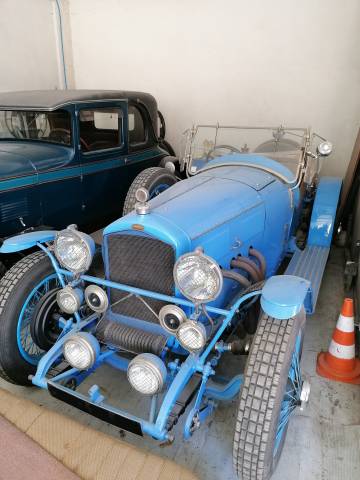
1922 | Peugeot Type 175
Create search alert
Let yourself be notified as soon as a listing is published that matches your search filters.
Create listing
Do you have a Peugeot Type 175 that you want to sell? Then create a listing now.
Create listingPeugeot Type 175 Classic Cars: Prices & Market Values
History of the Peugeot Type 175
Manufactured from 1923 to 1924 at Peugeot’s Audincourt factory, the Type 175 was conceived as a large, performance-oriented sports car when the marque sought to double down on motorsport and prestige vehicles. Its introduction paralleled growing European interest in endurance racing and grand touring. The robust LA5-series OHV engine and competitive pricing underscored its status as an upmarket offering from Peugeot during a dynamic period of automotive innovation.
Model History
As a stand-alone series, the Type 175 didn’t follow a direct predecessor nor did it spawn immediate successors within the Peugeot catalogue. Its specification and layout reflected the transition from early cycle cars to full-bodied sports machines, making it a defining snapshot of Peugeot’s 1920s engineering ambitions. The limited production run further highlights its purpose as a showcase for both technological progress and sporting prowess.
Highlights and Statistics
The Type 175 combined a vigorous 3.0-litre OHV engine with luxuriously appointed torpedo bodywork. Customers could select between 'torpedo sport' or 'grand sport' body styles, both featuring a blend of steel and aluminium atop a wooden subframe. Distinctive elements included Blériot headlights and a sloping, nickel-plated windscreen.
In terms of market presence, the Type 175 accounts for 100% of both supply and demand shares among listed classic Peugeot models in this series, underscoring its singular status in the current collector market.
Technical Data
Special Editions and Collectible Models
Among all Type 175s, the "Paris Nice" Torpedo Grand Sport is historically notable. In 1924, driver H. Petit secured the 3-litre class victory at the 1100 km Paris-Nice endurance race with a Type 175 Grand Sport, cementing the model’s reputation for reliability and performance under demanding competition conditions.
Weak Spots and Common Issues
While detailed known issues for the Type 175 aren’t specifically documented, prospective owners should be mindful of the car’s complex wooden and steel body construction. Ensuring structural soundness and correct preservation of original components—particularly aluminium panels and nickel-plated fixtures—is crucial for maintaining authenticity.
Engine Performance, Transmission, and Handling
The LA5 OHV engine’s displacement of 3.0 litres represented significant power for its time, complemented by a progressive 4-speed transmission rarely found in early 1920s sports cars. Driving characteristics focused on open-road touring competence, with robust mechanical components tailored towards both spirited driving and long-distance reliability. - Type 175 Torpedo Sport: Emphasis on lightweight construction, dynamic handling.
- Type 175 Torpedo Grand Sport: Enhanced sporting details, proven endurance with historical race pedigree.
Interior, Comfort, Exterior and Design
The Type 175’s design is a testament to early 20th-century French luxury: a hand-built wooden frame forms the underpinnings for steel body panels, with an aluminium bonnet providing weight savings and improved front-end balance. Standard finishes included black wings and chassis with body colours of blue, grey, green, or red. Interior fixtures retained period-correct sporting luxury, and the combination of Blériot lighting and a sleek, sloping windscreen highlighted avant-garde automotive styling. Customisation was possible at the time with limited accessories or bespoke appointments, primarily in materials and plating.
Other Notable Features
The Type 175 incorporated a 12V SEV magneto and starter—unusual for the period—which significantly improved reliability and ease of operation compared to many contemporaries relying on hand-cranking. These upgrades made the Type 175 a practical choice for both touring and occasional competition use.
Summary
The Peugeot Type 175 merges French sporting heritage with engineering boldness from the early 1920s. Its torpedo body, rigorous mechanical specification, and competition pedigree set it apart from other classic sports cars. Today, the 175 stands as a singular option within the Peugeot classic range, sought for its rarity, technical features, and documented motorsport success.