Peugeot Boxer classic cars for sale
The Peugeot Boxer stands out in the world of classic utility vehicles with its robust engineering, flexible configurations, and direct connection to the successful Sevel joint venture. Originally developed in close collaboration with Fiat and Citroën, the Boxer is recognised for its reliability across a range of heavy-duty applications. Thanks to its distinctive blend of French practicality and European partnership, the Boxer remains a compelling choice for collectors seeking a classic van or minibus from the 1990s and 2000s.
Suchergebnisse
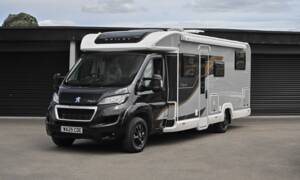
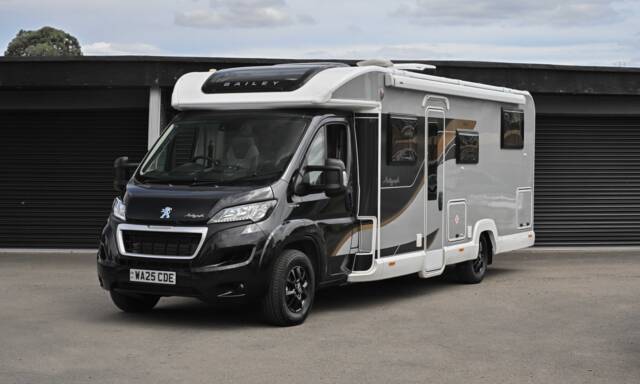

Peugeot Boxer listing references from Classic Trader
Below you will find listings related to your search that are no longer available on Classic Trader. Use this information to gain insight into availability, value trends, and current pricing for a "Peugeot Boxer" to make a more informed purchasing decision.
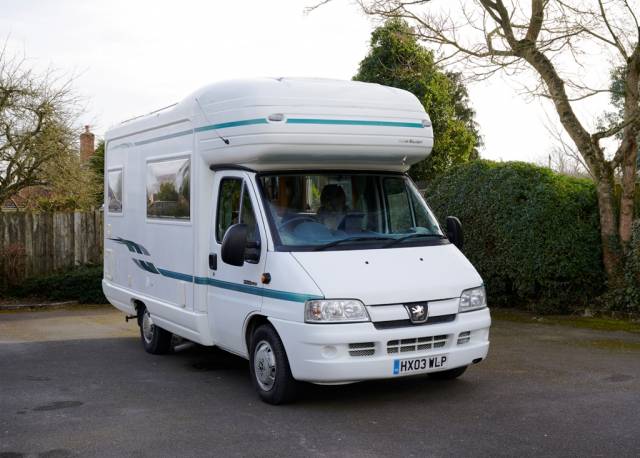
2003 | Peugeot Boxer 2.2 Auto-sleeper
Peugeot Boxer 330 Motorhome
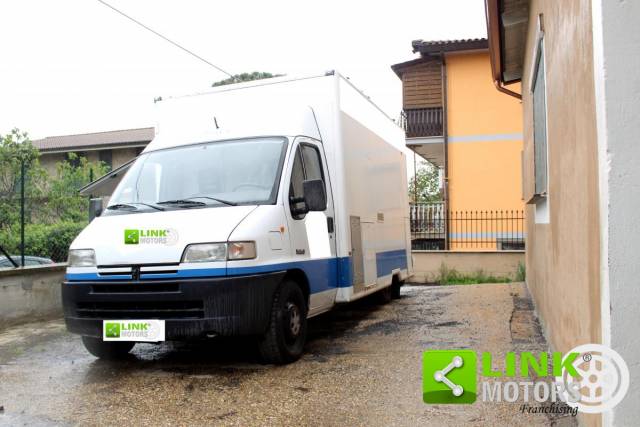
1996 | Peugeot Boxer 2.5 TD
Peugeot Boxer 2.5 TD per vendita Alimenti FastFood

Peugeot Boxer Classic Cars: Prices & Market Values
History of the Peugeot Boxer
The Peugeot Boxer emerged in 1994, marking a fresh chapter for Peugeot's presence in the light commercial vehicle segment. It was part of a collaborative project among Fiat, Citroën, and Peugeot under the Sevel joint venture—a relationship established in the early 1980s to streamline commercial vehicle development for several European brands. This collaboration aimed to leverage shared platforms while allowing each manufacturer to retain its own branding and certain design distinctions. Peugeot's earlier light vans, such as the J5, laid the groundwork, but it was with the Boxer that Peugeot fully embraced modern production techniques and pan-European synergy. The Boxer has been a versatile workhorse, available in multiple body styles from panel vans to minibuses and chassis cabs.
Model History
The lineage of the Peugeot Boxer traces back to the Peugeot J5 of the 1980s, which was itself a product of cooperation with Fiat and Citroën. In 1994, the Boxer replaced the J5, debuting as part of the second generation of Sevel-produced vans. The shared platform not only featured Fiat under the Ducato name and Citroën as the Jumper/Relay but also received updates regularly to meet evolving safety and emission standards. The Boxer underwent various revisions, including facelifts and improvements to cabin comfort and powertrains. It continues in production, with later models boasting advanced technology and a wider array of configurations. Notably, the Boxer formed the basis for bespoke campervan conversions and specialist commercial vehicles.
Highlights and Special Features
A unique aspect of the Peugeot Boxer is its pan-European heritage. The collaboration with Fiat and Citroën allowed Peugeot to offer a platform with proven durability. It shares structural and mechanical elements with the Fiat Ducato and Citroën Jumper/Relay, yet maintains distinct French design sensibilities and brand-specific features. Key strengths include its customizable layout, robust diesel engines developed in-house and in partnership, and straightforward mechanics—ideal for classic commercial use. Its broad use as a base for campervans, ambulances, and minibuses underlines its practical appeal. The simple boxy design allows easy adaptation for various specialist versions, which are prevalent in both private and business sectors.
Technical Data
Special Editions and Rare Variants
The Boxer has served as a platform for numerous specialist conversions, including factory-produced minibuses, motorhomes, and emergency vehicles. Limited ‘special series’ editions, sometimes with unique upholstery or commemorative badging, occasionally appeared in certain markets. However, most collectable Boxers are linked to their specialist bodywork or conversion history, such as rare campervans or ambulances.
Weak Spots and Known Issues
No brand-specific weak spots were provided in the current data. Generally, classic Boxers, like other Sevel vans, require attention to rust, particularly in older generations, and maintenance of diesel engine components such as injectors and turbochargers. Prospective buyers should check the van’s service history for regular maintenance intervals, particularly belt changes on diesel powertrains.
Engine, Transmission, and Driving Dynamics
The Boxer is engineered for reliability and efficiency rather than outright performance. Diesel engines dominate the range, prized for their fuel economy and torque, essential for carrying payloads. Manual gearboxes are standard, and the front-wheel drive layout contributes to stable, predictable handling even when loaded. Driving comfort evolved with later models, offering improved ergonomics and noise insulation. Notable variants include those fitted with larger, more powerful diesel units for heavy-duty or long-distance usage. - Peugeot Boxer 2.5 D (robust, widely used in the 1990s)
- Peugeot Boxer 2.8 HDi (stronger performance for heavier conversions)
- Campervan and minibus conversions, valued for their versatility
Design, Interior, and Equipment
The Boxer's look is dictated by utility, with a box-shaped body for maximum interior capacity. French design cues are present in details like dashboard layout and some upholstery patterns, despite the cross-brand platform. Designers focused on functionality: high roof variants, sliding side doors, and double rear doors improved accessibility. Factory options included power steering, upgraded heaters, and improved sound insulation in later models. Accessories from third-party companies and specialist converters abound, with roof racks, ladders, bespoke cabinetry for campervans, and robust linings for commercial uses. Distinct physical details and Peugeot branding differentiate it from Citroën and Fiat siblings.
Other Notable Features
Thanks to its adaptability, the Boxer chassis is prized among bodybuilders and specialists for conversions well beyond standard panel vans, including mobile workshops and medical vehicles. Its success contributed significantly to Peugeot’s commercial reputation across Europe.
Summary
The Peugeot Boxer is a fixture among classic light commercial vehicles, especially prized for its versatility and reliability. Its development as part of the Sevel joint venture with Fiat and Citroën ensured it benefits from a wide parts base and functional design. The model is overwhelmingly represented among classic Peugeot vans and appeals to enthusiasts seeking a solid foundation for a project, be it a commercial classic or a retro camper. Regular maintenance, careful inspection for common wear points, and an understanding of its joint-venture heritage are crucial when considering a Boxer for a collection or restoration.