Peugeot 202 Classic Cars for Sale
The Peugeot 202, produced between 1938 and 1949, stands out with its immediately recognisable front headlights behind the grille and a lightweight, robust body. Offered as saloon, cabriolet or commercial van, it is a distinctive piece of French automotive history in the lower midsize class. Its technical simplicity, durable mechanics and the frequent use of original parts in restoration make this model especially attractive for classic car enthusiasts and collectors.
Search results
Currently, there are no matching listings for your search.
Create search alert
Let yourself be notified as soon as a listing is published that matches your search filters.
Create listing
Do you have a Peugeot 202 that you want to sell? Then create a listing now.
Create listingPeugeot 202 listing references from Classic Trader
Below you will find listings related to your search that are no longer available on Classic Trader. Use this information to gain insight into availability, value trends, and current pricing for a "Peugeot 202" to make a more informed purchasing decision.
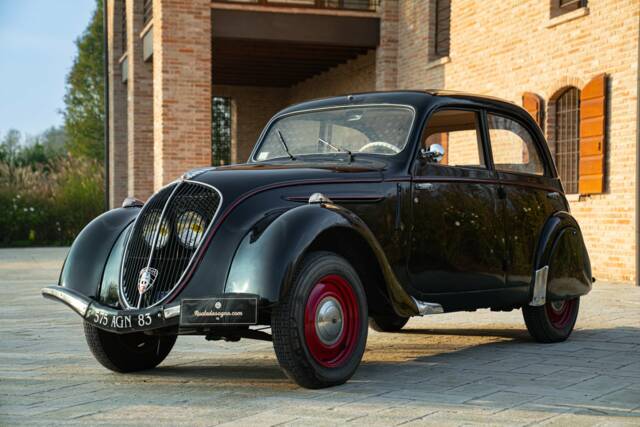
1949 | Peugeot 202

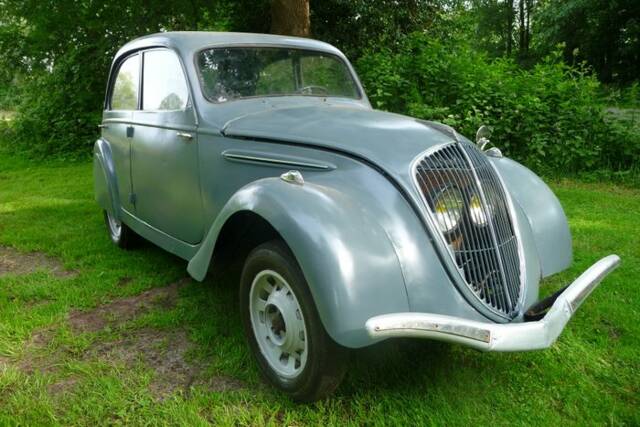
1938 | Peugeot 202
Peugeot - 202 - 1938

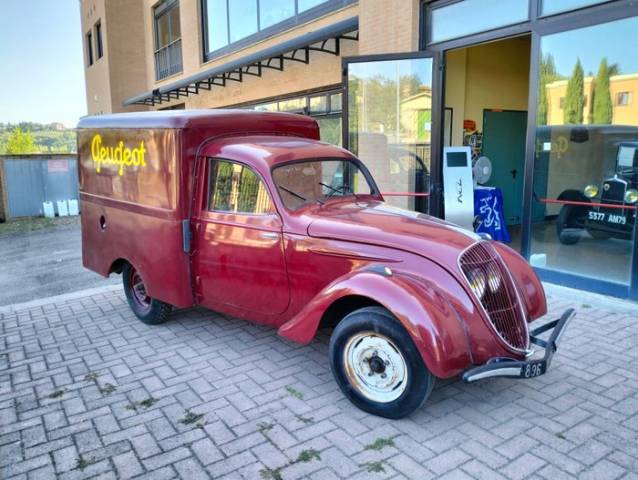
1949 | Peugeot 202 UH
Peugeot - 202 UH Paquet de Tabac - 1949
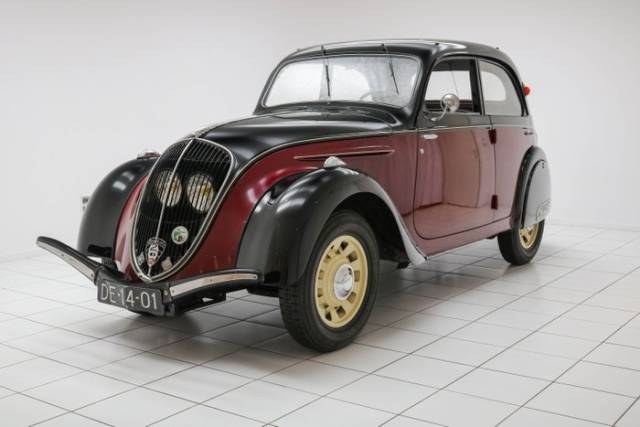
1938 | Peugeot 202
Peugeot - 202 - 1938
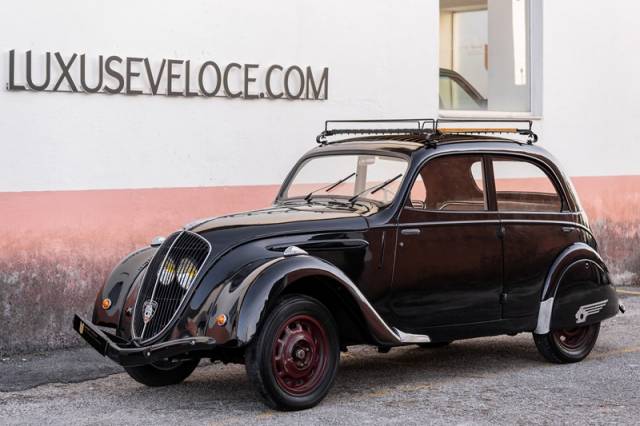
1940 | Peugeot 202
1940 Peugeot 202 saloon

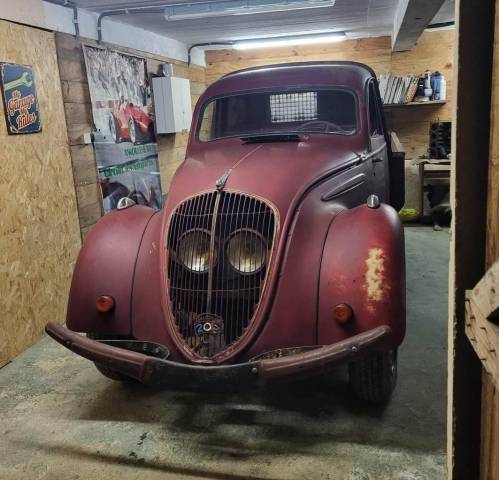
1948 | Peugeot 202 UH
CLASSIC PICKUP

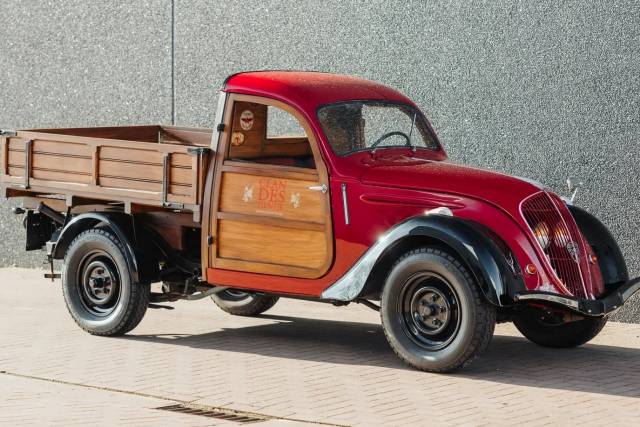
1948 | Peugeot 202 UH
Fully Restored - Beautiful Condition

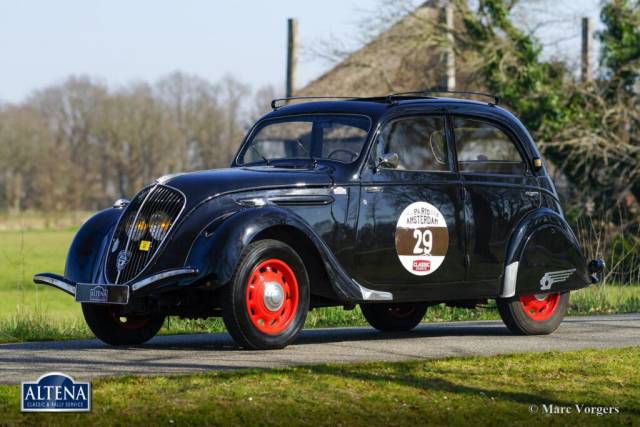
1940 | Peugeot 202
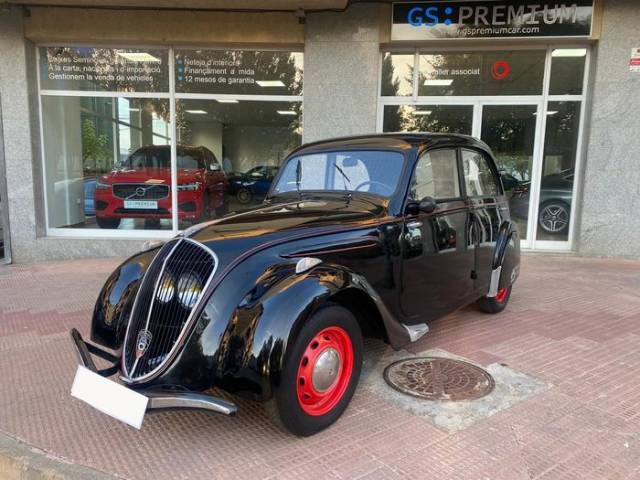
1940 | Peugeot 202
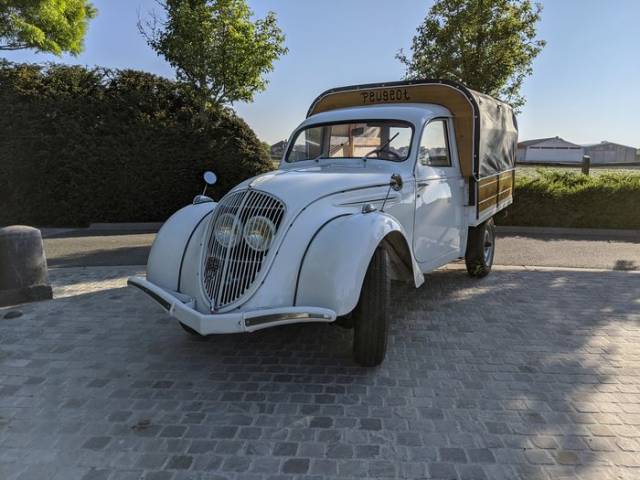
1948 | Peugeot 202 UH
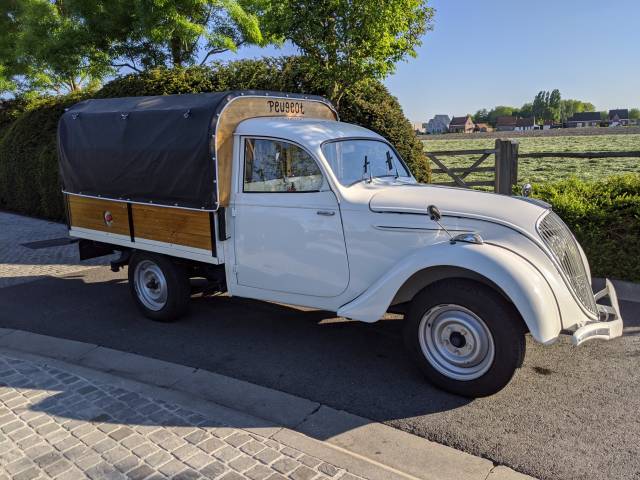
1948 | Peugeot 202
Peugeot 202 UH Pick-up, completely restored
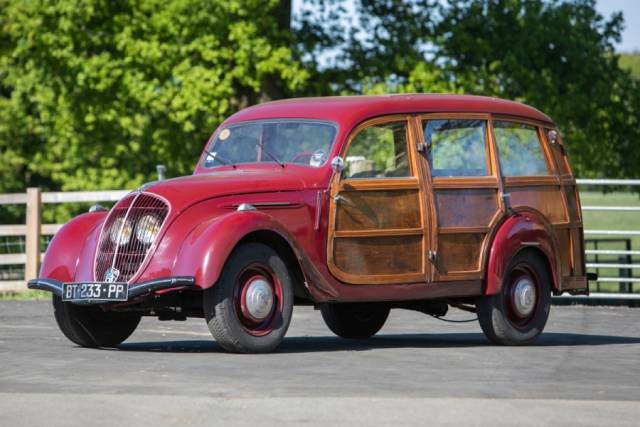
1948 | Peugeot 202
Online live auction – 23rd May 2020. Estimate: £8,000 - £10,000

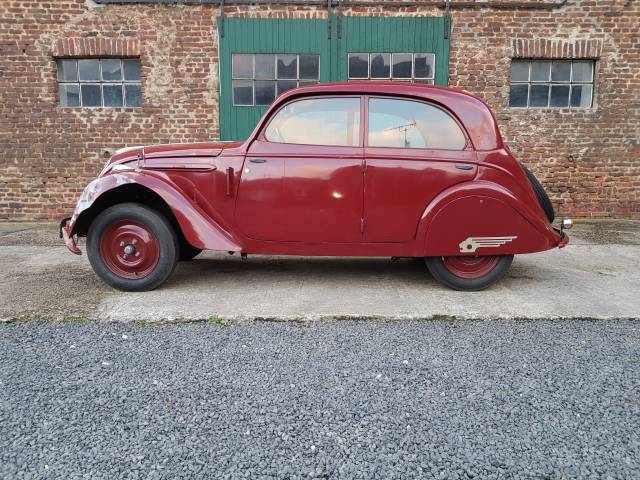
1939 | Peugeot 202

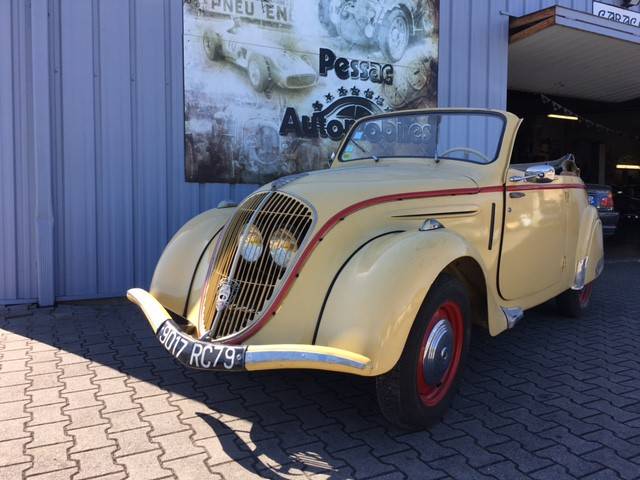
1948 | Peugeot 202
PEUGEOT 202 CABRIOLET
Create search alert
Let yourself be notified as soon as a listing is published that matches your search filters.
Create listing
Do you have a Peugeot 202 that you want to sell? Then create a listing now.
Create listingPeugeot 202 Classic Cars: Prices & Market Values
History of the Peugeot 202
The Peugeot 202 was introduced to the public at the Paris Motor Show in 1937, entering production the following year as the successor to the Peugeot 201. Designed in the socio-political shadow of pre-war France, production was interrupted in 1942 due to World War II and only picked up again between 1945 and 1949. The 202 quickly became notable for its innovative front-end design, with headlights mounted behind the grille, protecting them from potential damage and giving the car its unmistakable appearance. With over 104,000 units produced, the vehicle became an important chapter in Peugeot's lineup, bridging the brand’s pre- and post-war eras.
Model History
As the direct successor to the Peugeot 201, the 202 adopted and evolved many of its predecessor’s design cues while introducing innovative technical and stylistic improvements. Offered in several body variants such as the four-door saloon (usually with sliding roof), two-door saloon, cabriolet, and commercial van, it appealed to a wide range of buyers. The model’s production paused during WWII, resuming post-war with updates like hydraulic brakes and improved interior fittings. In 1949, the 202 was succeeded by the Peugeot 203, which continued some of the characteristic design elements established by the 202.
Highlights and Unique Features
A defining design element of the Peugeot 202 lies in its recessed headlights, located behind the grille, providing a signature look and extra protection. Most buyers opted for the four-door saloon with its practical sliding sunroof and lockable boot, which could only be accessed from inside the car. Later versions introduced hydraulic brakes and, from 1948 onwards, chromed hubcaps and hydraulic shock absorbers, establishing a new standard and influencing even the subsequent Peugeot 203. The bodywork was robustly constructed from sheet metal, contributing to the car’s reputation for durability.
Technical Data
Special Editions and Collectible Models
The Peugeot 202 was available in several distinctive body styles, including the rare cabriolet variant, which is particularly sought after by collectors today. Commercial van versions and early post-war cars with hydraulic braking systems or special chrome fittings delivered from 1948 are also considered of special interest due to their limited numbers and historically significant features.
Weak Spots and Common Issues
Like many pre- and post-war French vehicles, light oil loss is frequent in the Peugeot 202 but usually considered normal. Electrical systems may run on either 6-volt or 12-volt set-ups, and attention must be given to the correct maintenance of these systems during restoration or upkeep. Many 202s have been converted to run on unleaded petrol, and original spare parts are favoured by restorers to maintain authenticity. Annual servicing is recommended, and historic approval (TÜV) is commonly sought by owners for roadworthiness.
Engine and Performance, Transmission and Handling
The four-cylinder engine delivers 30 hp, providing moderate but reliable motoring for the period. Mated to a three-speed gearbox, the 202 is appreciated for its straightforward mechanics. Hydraulically-assisted brakes in later versions significantly improved driving safety. Classic rear-wheel-drive handling offers a period-correct driving experience, with a level of comfort expected from a midsize French saloon of its era. The standard four-door saloon with sliding roof was by far the most popular body style. The cabriolet and van conversions offer alternative driving experiences and use-cases, while post-1948 models with hydraulic dampers and chromed detailing represent the technical pinnacle of the range.
Interior, Comfort, Exterior and Design
Designed with distinctive recessed headlights and a rounded, almost aerodynamic silhouette, the Peugeot 202 remains instantly identifiable. Interiors featured simple but practical fittings, including a compact glove box in post-war versions. Noteworthy is the sliding sunroof present on many four-door saloons, a rarity in the segment at the time. Accessories such as original chrome hubcaps, as seen from 1948 onwards, and a variety of period paint colours add to the model’s character. Car bodies were crafted from sheet steel, and restored examples often focus on maintaining period authenticity, both inside and out.
Other Noteworthy Aspects
Peugeot 202s commonly feature convincing historicity, with many examples still registered as classic vehicles and equipped with original paperwork, including German or other European registration documents. The preference for original parts in restoration work is notable, and the ease of sourcing authentic spares is a key attraction for committed enthusiasts.
Summary
The Peugeot 202 represents a distinctive blend of French engineering and period design, with notable body variants and technical updates that reflect the challenges and innovations of its production years. Its characteristic recessed headlights, variety of practical body styles, and robust mechanicals have secured its position as a standout option in the classic car market for connoisseurs of pre- and post-war European vehicles.