Packard 110 classic cars for sale
The Packard 110 brought six-cylinder engineering back to Packard at just the right time, delivering practical luxury and American craftsmanship in a package that responded directly to the economic and social climate of its era. Shorter, more affordable, and highly adaptable with various body styles and trim levels, the 110 occupies a unique place in Packard history.
Search results
Currently, there are no matching listings for your search.
Create search alert
Let yourself be notified as soon as a listing is published that matches your search filters.
Create listing
Do you have a Packard 110 that you want to sell? Then create a listing now.
Create listingPackard 110 listing references from Classic Trader
Below you will find listings related to your search that are no longer available on Classic Trader. Use this information to gain insight into availability, value trends, and current pricing for a "Packard 110" to make a more informed purchasing decision.
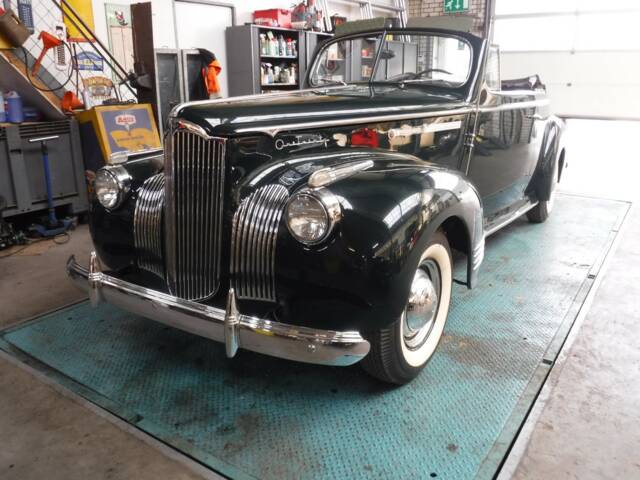
1941 | Packard 110
Packard-120 Convertible no. 2121

Create search alert
Let yourself be notified as soon as a listing is published that matches your search filters.
Create listing
Do you have a Packard 110 that you want to sell? Then create a listing now.
Create listingPackard 110 Classic Cars: Prices & Market Values
History of the Packard 110
Reacting to the late 1930s financial climate, Packard resumed producing six-cylinder cars in 1937, first with the Six and then with the improved Packard 110 from 1939. Unlike the larger twelve- and eight-cylinder Packards, the 110 targeted buyers who wanted the prestige of the Packard brand without the higher price tag and running costs of its larger siblings. This move drew criticism from segments of the automotive community, fearing Packard's luxury image could suffer. However, with the economic downturn in 1938, the 110’s practicality and price-point proved vital for Packard’s stability. The model was built in Detroit for the 1940 and 1941 model years, sharing its platform with the more upscale 120, but was distinguished by its six-cylinder powerplant and entry-level positioning.
Model History of the Packard 110
The Packard 110 was introduced for the 1940 model year, evolving from the Fifteenth Series Six (115-C). Over two years it was made available in a variety of configurations: two-door and four-door sedans, station wagons, convertibles, and specific trims like the DeLuxe and a dedicated taxi version. For the 1941 model year, new features and even more body styles expanded its appeal. The 110's tenure ended in 1942 as Packard restructured its model range and reverted the name back to Packard Six.
Highlights of the Packard 110
A defining feature of the Packard 110 is its adaptability. It was offered in several body styles, from sedans and convertibles to the wood-bodied Woody wagon, alongside modern (for the period) options like heaters, radios, searchlights, and even air conditioning. The 110 struck a balance between moderate size and the refined finish expected from Packard, appealing to a broader audience during challenging economic times.
Technical Data
Special Editions and Collectible Models
Within the Packard 110 range, the Deluxe trim level stood out for its enhanced materials and additional features. The DeLuxe Woody model, distinguished by real wood panelling, represents the pinnacle of sought-after versions today, courtesy of its distinct looks and limited production. Taxi versions were also produced in small numbers, targeting commercial operators.
Weak Spots and Common Issues
No specific common issues or weaknesses have been documented for the Packard 110 in the available sources. As with any vehicle of this age, buyers should inspect for signs of body corrosion, mechanical wear typical of six-cylinder engines from this era, and check condition of rare Deluxe or Woody-specific trim, as restoration or replacement can be challenging due to limited parts availability.
Engine, Transmission, Handling
The six-cylinder engine in the Packard 110 offered reliable if unspectacular performance, well-matched to the model’s practical positioning in the market. Its chassis, shared with the higher-end 120 but with a shorter wheelbase, gave it nimbler handling than expected in comparison with larger Packards. Manual transmissions were standard, with some models available with Packard’s semi-automatic system. The 110 impressed drivers with its balance of comfort and manageable proportions.
Popular configurations include the Deluxe Convertible Coupe, valued for its open-top driveability, and the Station Sedan (Woody), both of which maximize the blend of usable space and the famed Packard ride comfort. - Deluxe Convertible Coupe: Noted for style and driving experience
- Station Sedan (Woody): Favoured for unique appearance and practicality
Interior, Comfort, Exterior and Design
Packard 110 models were known for fit and finish superior to most midpriced American cars of the era. The interior featured quality materials in Deluxe models, with robust dashboard fittings and substantial seating. Woody variants boasted handcrafted wood panelling, while other versions kept classic Art Deco touches like chromed grille bars and gently curving fenders. Accessories such as in-dash radios, period heaters, and even early air-conditioning units were available. Upholstery was often cloth but leather was an option in more expensive configurations.
Other Noteworthy Features
The 110 range exemplified Packard’s ability to meet market shifts swiftly, introducing options uncommon at the price point early in the 1940s—such as air conditioning and electric accessories, signalling technological ambition even in entry-level market segments.
Summary
The Packard 110 occupies a special niche within classic American cars. Conceived as a response to economic pressures, it marked a shift in Packard’s strategy while still upholding the brand’s engineering standards and design sensibility. With body variants ranging from practical four-door sedans to rare Woody wagons and Deluxes, the 110 provides a blend of practicality, comfort, and 1940s styling that speaks directly to enthusiasts interested in vehicles from the transformative years of American motoring history.