Opel Manta Classic Cars for Sale
The Opel Manta is a rear-wheel-drive, two-door coupé that set the benchmark for affordable, sporty driving from 1970 to 1988. Famed for its sharp handling, striking design, and robust engineering, the Manta made its mark as a cult favourite in the 70s and 80s. Today, well-kept examples stand out for their originality and unique place in automotive history.
Search results
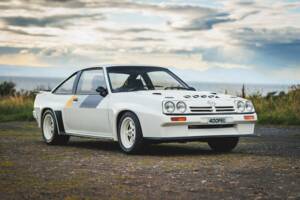
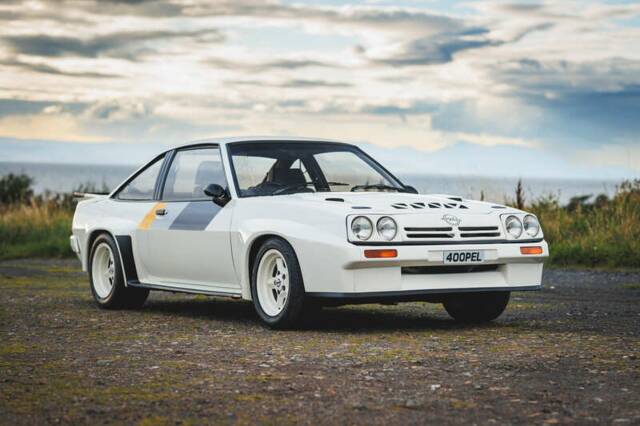
1983 | Opel Manta 400
1983 Opel Manta 400

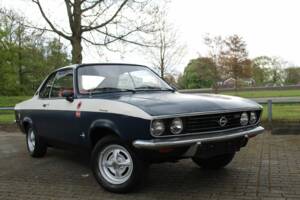
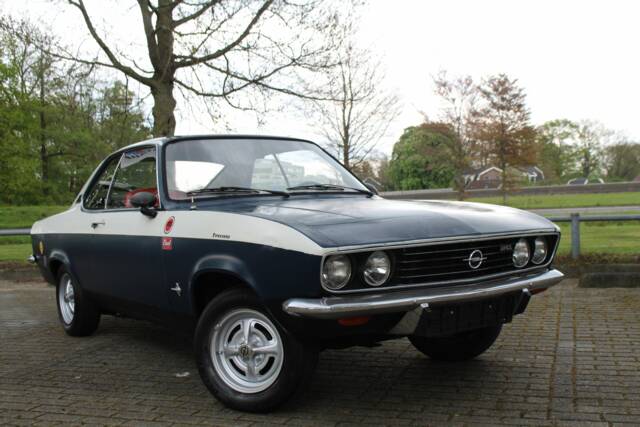
1972 | Opel Manta 1200 S
Opel Manta 1.2 S | Route 66 Auctions - For sale by auction. Estimate 5400 EUR

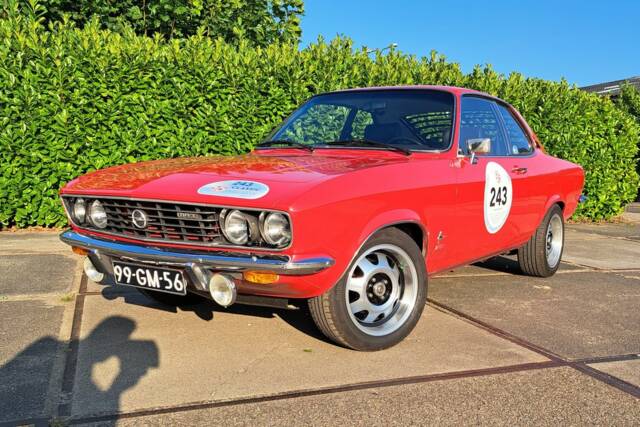
1975 | Opel Manta 1,9 N
Opel Manta A | 1975 | Route 66 Auctions - For sale by auction. Estimate 8400 EUR
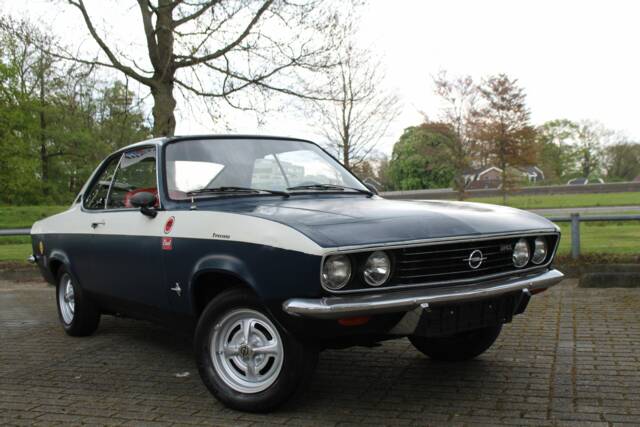
1972 | Opel Manta 1200 S
Opel Manta 1.2 S | Route 66 Auctions - For sale by auction. Estimate 5400 EUR
Newsletter
The best Opel listings, straight to your inbox
Get hand-picked Opel listings, plus the best of cars, motorbikes, and auctions on Classic Trader — all in one place.
Opel Manta listing references from Classic Trader
Below you will find listings related to your search that are no longer available on Classic Trader. Use this information to gain insight into availability, value trends, and current pricing for a "Opel Manta" to make a more informed purchasing decision.
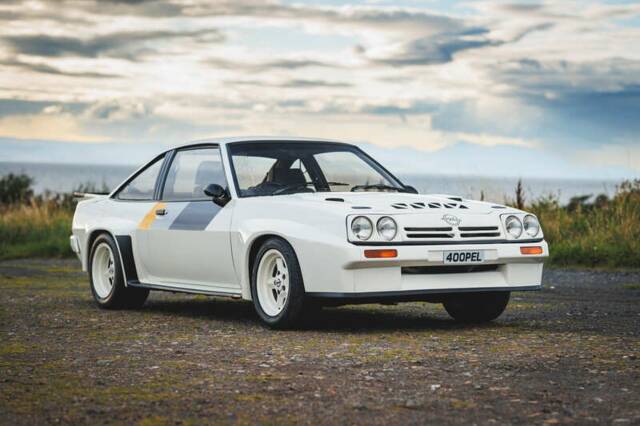
1983 | Opel Manta 400
1983 Opel Manta 400
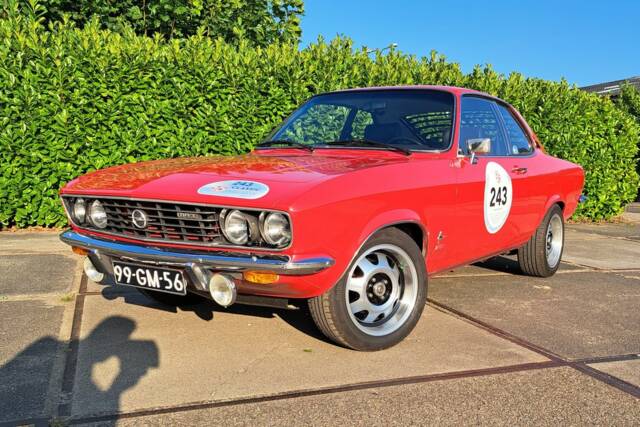
1975 | Opel Manta 400
Opel Manta A | 1975 | Route 66 Auctions - For sale by auction. Estimate 9000 EUR
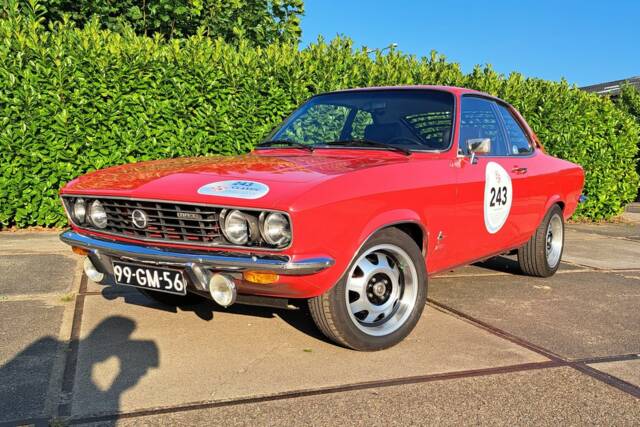
1975 | Opel Manta 1,9 N
Opel Manta A | 1975 | Route 66 Auctions - For sale by auction. Estimate 8500 EUR
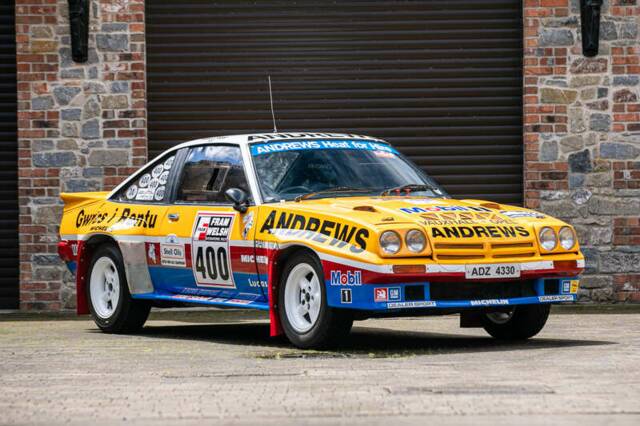
1985 | Opel Manta 400
1985 Opel Manta 400 Works
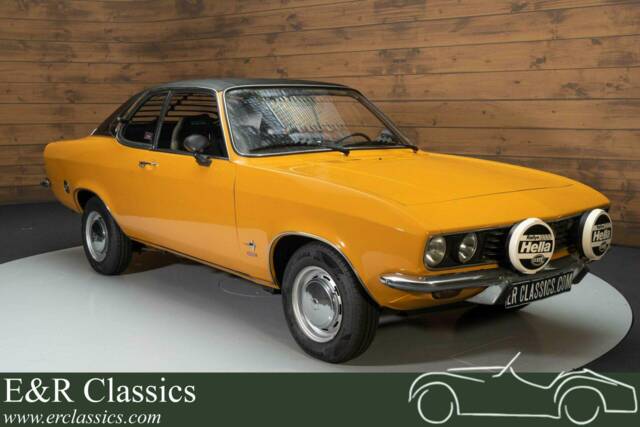
1971 | Opel Manta 1900 S
Opel Manta A | Gerestaureerd | Zeldzaam | 1971
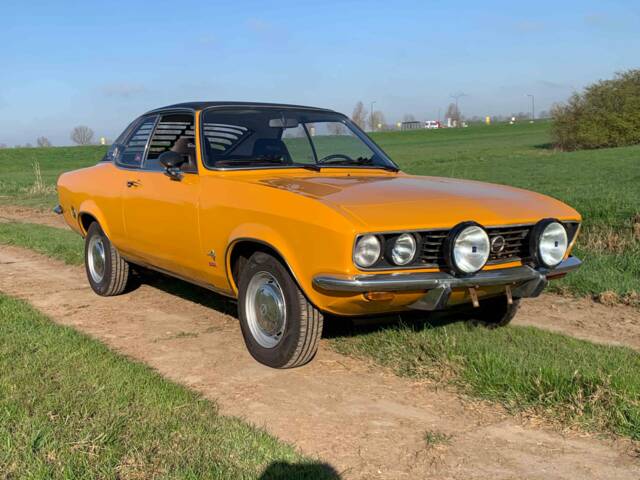
1971 | Opel Manta 1900 S
Opel Manta A | 1971 | Route 66 Auctions - For sale by auction. Estimate 10500 EUR
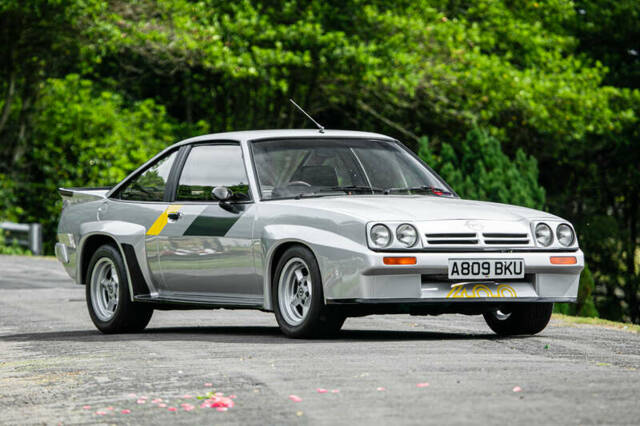
1984 | Opel Manta 400
1984 Opel Manta 400
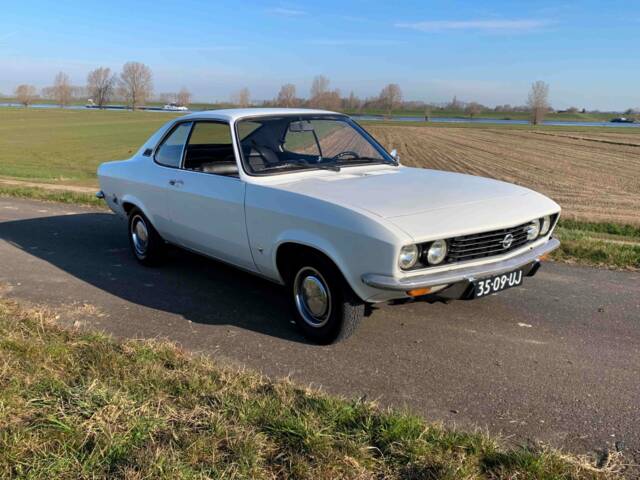
1972 | Opel Manta 1600 S
Opel Manta 1600S Semi Luxe | 1972 - For sale by auction. Estimate 10450 EUR
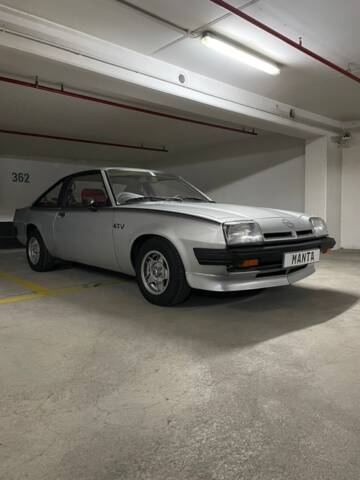
1980 | Opel Manta 2,0 GT/J
+++ pure 80ties +++

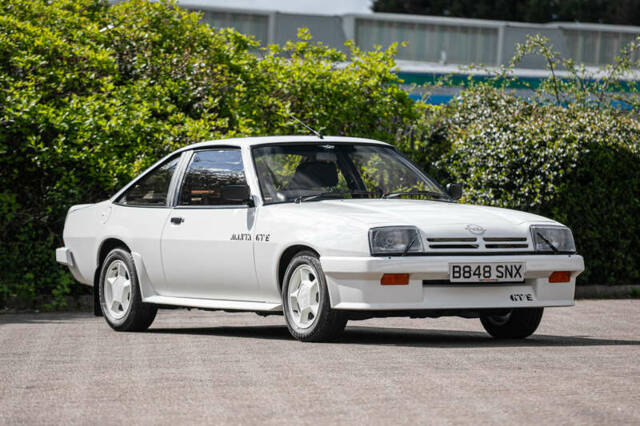
1985 | Opel Manta 2,0 E i200
1985 Opel Manta GT/E
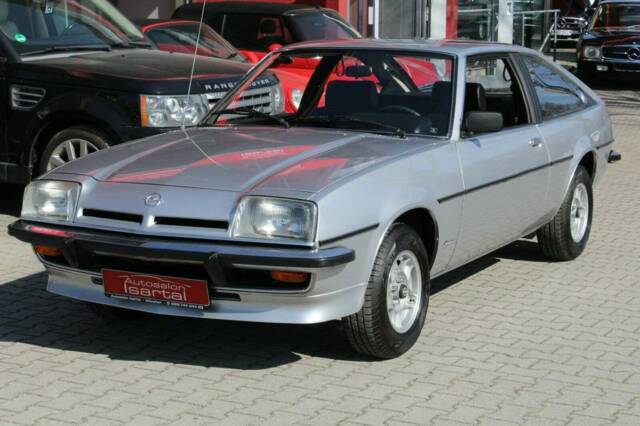
1979 | Opel Manta 2,0 E
Opel Manta B CC - 2.0E - orig. 22tkm ! - H-Kz.
Opel Manta Classic Cars: Prices & Market Values
The market value of Opel Manta classic cars is primarily determined by the specific manufacturer code and variant, as well as technical condition, originality and mileage. Additional factors include rarity, history and documentation. A well-maintained, largely original vehicle with low, verifiable mileage and complete history including appraisals and documentation typically achieves significantly higher prices than a comparable vehicle with deferred maintenance, many modifications or unclear provenance.
Opel Manta: Market Prices & Value Trends
Based on Classic Trader marketplace sales data from February 2021 to December 2025, the Opel Manta market in Europe looks broadly stable with a mild upward bias for stronger, better-presented cars, while entry-level examples remain affordable. Recent prices span a very wide range, but a few clear outliers (such as an unusually low-priced 1971 Manta 1900 S and a highly modified 1978 Manta 2.0 GT/E with very high power) should not be treated as typical benchmarks. Excluding those extremes, most Manta transactions cluster around roughly £7,000 to £22,000, with many mainstream cars (often 1971–1984 Manta 1600 S, 1900 S, 2.0 S and 2.0 E) changing hands in the low-to-mid teens. Later performance-oriented variants such as the Manta GSi (mid/late 1980s) and special models like the i200 tend to sit at the upper end when condition and originality are strong. For buyers, this suggests a steady market where provenance, rust-free bodywork and period-correct specification drive the price more than headline mileage alone.
History of the Opel Manta
Launched in 1970 as a direct competitor to the Ford Capri, the Opel Manta projected a bold image for the younger driving public, its design inspired by the Chevrolet Corvette Stingray. Based on the Ascona, it introduced a low beltline, long bonnet and rear-wheel drive—features appealing to enthusiasts. The first version, Manta A, ran until 1975 and was followed by the more angular Manta B (1975–1988), which added new body variants and engineering improvements. Throughout its production run, the Manta fostered a lively tuning scene, inspirational for the pop culture of the 80s and 90s through film, music, and endless jokes about its flamboyant image.
Model Series Overview
The Manta A (1970–1975) boasted a clean, rounded coupé profile and was sold in base, L (Luxury), and SR (Sport/Rallye) trims, with power outputs from 55 to 105 PS. In 1974, Opel introduced the GT/E with electronic fuel injection and 105 PS. The successor Manta B (1975–1988) adopted a more masculine, squared-off appearance, added the Combi-Coupé (CC) hatchback from 1978, and benefited from several mechanical updates such as OHC engines. Special names within the range include GT/J, Berlinetta, GSI, and most notably, the Manta 400, homologated for rallying with a Cosworth cylinder head. Over its lifetime, more than one million units were sold, the bulk being Manta B.
Unique Features and Popularity
The Manta sets itself apart with its light, agile handling, broad track, and recognisable styling details like its lengthy bonnet, coupe silhouette, and iconic round tail lights (Manta B). Models such as the GT/E, GSI, and the rally-bred Manta 400 offer notable motorsport pedigree. Factory-fitted equipment ranges from sports steering wheels and comprehensive gauges to ATS and Ronal alloy wheels, Recaro bucket seats, and sporty dash layouts. Its mix of robust mechanicals, straightforward repairs, and affordability made the Manta a practical yet charismatic daily driver, while its rally success fuelled a strong cultural following.
Technical Data
Special Editions and Collectible Models
Highlights include the luxury-trimmed Berlinetta, sporty SR, injection-powered GT/E, plush GSI, and the CC (hatchback) variants. The Manta 400 is the most sought-after, equipped with a 2.4L 16v Cosworth head, only built 245 times (59 wide-body), directly derived from rally sport. Extremely rare variants include the TE2800 and Turbomanta, which featured turbocharging or larger engines developed in limited collaboration with specialists. For the US market, models like the Manta Rallye and Blue Max offered unique trims and equipment.
Weak Spots and Maintenance
Rust is the Manta's most critical long-term issue—particularly at sills, wheel arches, boot floor, front crossmember, and jacking points. Good examples are increasingly rare. Mechanically, the engines (especially the CIH) are reliable with regular servicing and have excellent parts supply; timing chains are a noted advantage over belts. Most cars used simple, rugged engineering, making repairs straightforward. Interiors (especially in special trims) can suffer from wear or sunlight fade, and original details like the dash or seat covers are valuable. Electrical issues are usually age-related rather than due to design flaws. Safety features are minimalist, limited to seatbelts and (rarely) headrests; ABS or airbags were never fitted.
Engine and Driving Experience
The Manta's reputation stems from rear-wheel-drive dynamics, good weight distribution, and responsive handling. The broad track and long wheelbase provide confident cornering. Earlier Manta A models offered lively, if modest, performance, with SR and GT/E variants upping the engagement through improved suspension and fuel-injected power trains. The Manta 400 takes performance furthest with up to 275 PS in competition trim. Most models are manual, providing direct, connected driving. The brakes and suspension are solid; the ride is sporting but comfortable enough for everyday use. Popular choices include the Manta B GT/E and GSI for drivers seeking injection-powered performance and richer equipment, and the rare Manta 400 for those interested in motorsport heritage. The Manta A SR and GT/J remain attractive for their classic looks and purist drive. Hatchback CC models add everyday practicality to the line-up.
Design, Interior, and Equipment
The Manta stands out for its unmistakable coupé styling: long bonnet, sleek roofline, slim pillars, and expansive glass. Notable for high-contrast paint jobs and occasional vinyl roofs, special trims (Berlinetta, GT/E, GSI) featured metallic or vibrant colours, wood or brushed aluminium dash inlays, optional Recaro bucket seats, sporty three-spoke steering wheels, and fully equipped instrument clusters. Many featured accessories—including Kamei spoilers, decorative side stripes, sport mirrors, and ATS/Ronal wheels—are prized today. Interior options ranged from basic cloth through to velour or corduroy, with plenty of period detailing. Factory sunroofs and electric accessories are rare treasures.
Additional Insights
The Opel Manta was not only a sports coupé, but also a symbol of German pop culture, referenced in films like 'Manta, Manta' as well as countless songs and jokes. Its affordability made it popular amongst younger drivers, and extensive aftermarket tuning means that unmodified examples are now becoming valuable. The Manta was delivered across Europe and supported by strong parts supply, making it one of the more maintainable and usable classics from its era.
Summary
The Opel Manta remains a defining example of the accessible European coupé, marrying distinctive design, robust mechanics, and a genuine driver’s feel. With a wide choice of versions, strong support for parts, and unmistakable road presence, the Manta appeals to classic enthusiasts who appreciate original engineering and 70s–80s style.