Opel Speedster Classic Cars for Sale
The Opel Speedster is a mid-engined roadster built between 2000 and 2005 in collaboration with Lotus, designed for uncompromised driving pleasure with a lightweight aluminium structure and unique handling dynamics. The model stands out on the classic sports car market for its rarity, minimalist interior, and purist focus on driving.
Search results
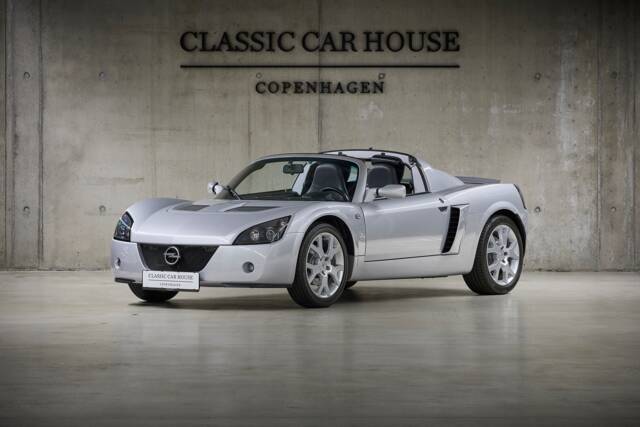
2003 | Opel Speedster 2.0 Turbo
1 / 1.000 Turbo Speedsters

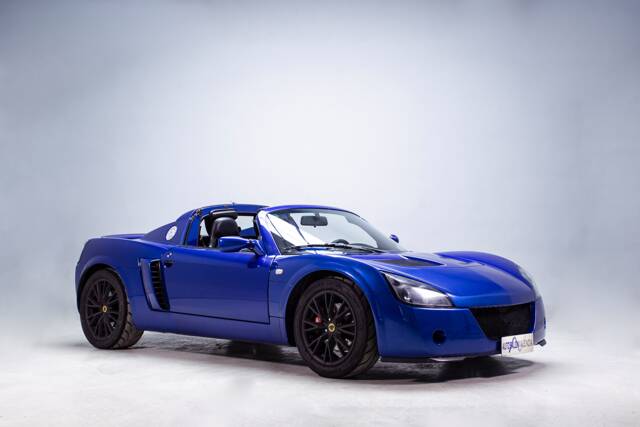
2001 | Opel Speedster 2.2
Opel Speedster / Vauxhall VX220 2.2 – 180 hp

Auctions ending soon

Loading…
Loading…
Loading…
Loading…
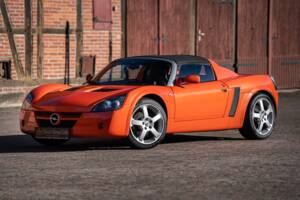
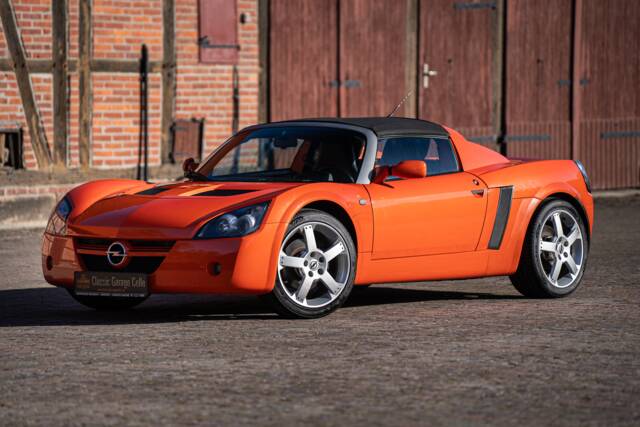
2002 | Opel Speedster 2.2
Mandarinorange, orig. 34.000 KM

Opel Speedster listing references from Classic Trader
Below you will find listings related to your search that are no longer available on Classic Trader. Use this information to gain insight into availability, value trends, and current pricing for a "Opel Speedster" to make a more informed purchasing decision.
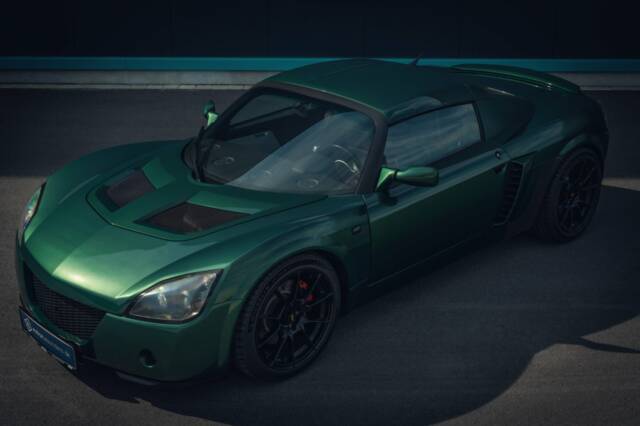
2005 | Opel Speedster 2.0 Turbo
Speedster Turbo
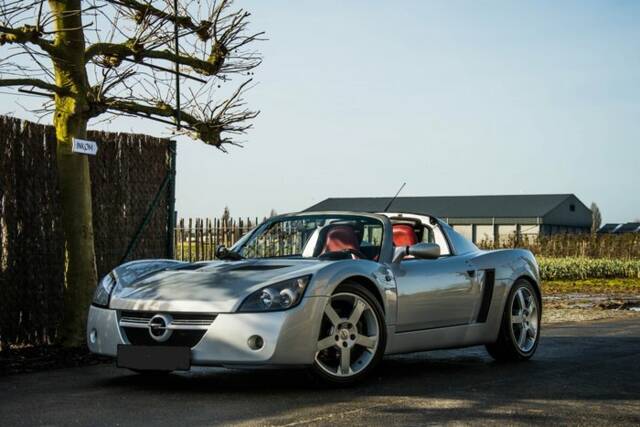
2003 | Opel Speedster 2.0 Turbo
Opel - Speedster - 2003

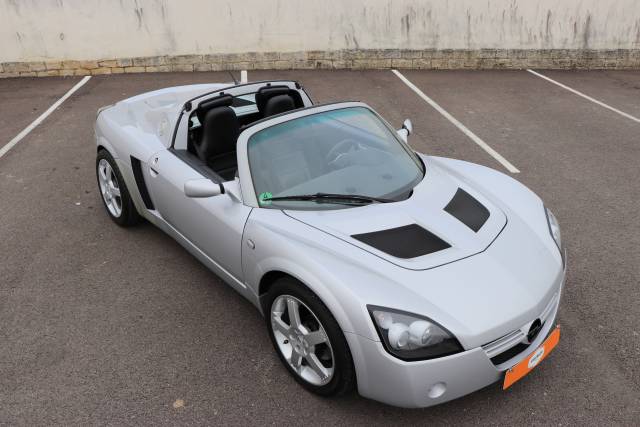
2003 | Opel Speedster 2.2
One owner, 22 500 kms

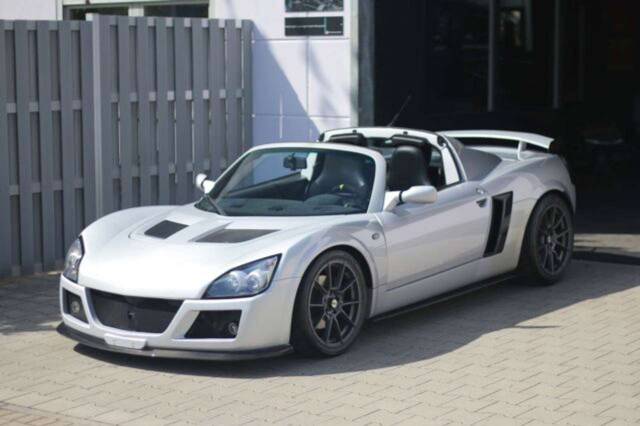
2002 | Opel Speedster 2.2
Opel Speedster 2.2 16V Kompressor*Carbon*MwSt
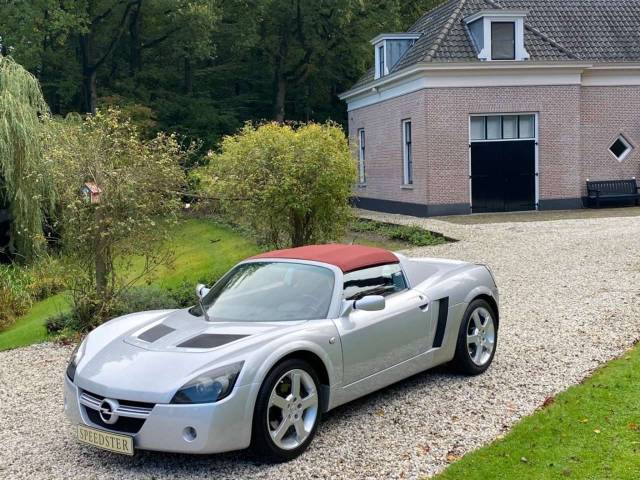
2001 | Opel Speedster 2.2
Opel Speedster 2.2 16v 147pk Roadster 1e eig. NL-auto #SPECIAAL
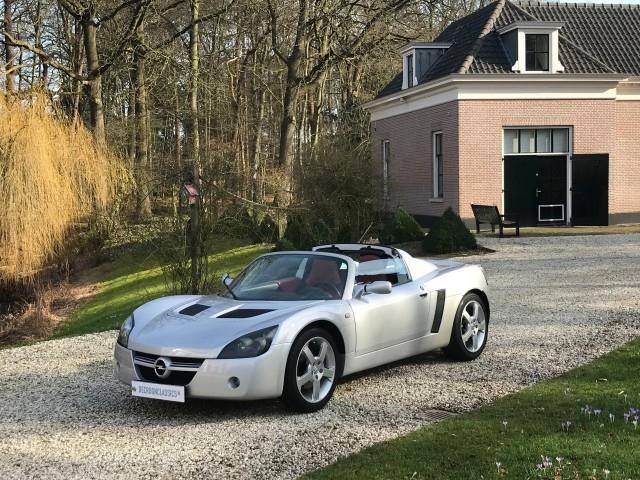
2001 | Opel Speedster 2.2
Opel Speedster 2.2 16v NL AUTO 1e eig. #NIEUWSTAAT
Opel Speedster Classic Cars: Prices & Market Values
Introduction and History of the Opel Speedster
The Opel Speedster marked a bold entry by Opel into the world of pure, lightweight sports cars, produced from July 2000 to July 2005. Unlike typical models in the Opel lineup, the Speedster emerged from a collaboration with Lotus and was manufactured at the Lotus factory in Hethel, England. Introduced at the 1999 Geneva Motor Show, it shared its platform and much of its DNA with the Lotus Elise, featuring an aluminium chassis and a detachable soft-top roof. Its development set Opel apart, reasserting the brand’s engineering credentials with a car placed at the interface of German and British sports car tradition.
Model History
The Speedster did not have a direct predecessor in Opel's portfolio, but its concept was clearly inspired by classic British roadsters and lightweight sports cars. It entered the market as Opel’s most radical sports car, with no immediate successor in Opel’s own catalogue. However, its sister model, the Vauxhall VX220, catered to the UK market and shared its mechanical layout and most features. The production run was relatively short, and the car remains a unique chapter in Opel history.
Highlights of the Opel Speedster
The Speedster’s main highlight is its uncompromising focus on weight reduction and pure driving experience. Weighing just over 850 kg thanks to its lightweight aluminium chassis and fibreglass body, the car shuns luxuries for driving precision. A mid-mounted, transversely installed four-cylinder petrol engine ensures optimal weight distribution, rear-wheel drive, and a targa top provide open-air sports car thrills. Notably, safety and comfort features such as power steering, ABS, or a brake booster were omitted or made optional—every component was scrutinised for weight saving.
Technical Data
Special Editions and Collectible Models
In addition to the standard model, the Opel Speedster Turbo was introduced as a special high-performance variant. With its turbocharged 2.0-litre engine, the Turbo model offered noticeably increased output and performance, setting it apart as the most desired variant among driving enthusiasts. Limited editions and rare colour combinations, as well as the close coupling to the Lotus Elise, add to the model’s unique position among classic sports cars.
Weak Spots and Common Issues
The Speedster’s exotic approach brings specific maintenance challenges: Early production models suffered from quality issues, especially with window mechanisms and door alignment, requiring careful inspection. Brake problems were common, with ABS failures and pedal hardness under aggressive use—these are quirks of the system designed to avoid rear locking but can be unsettling in daily use. The lightweight approach meant no power steering and, sometimes, no brake booster, making the car demanding to drive at low speeds. The engine’s timing chain (particularly pre-2002) is prone to failure, potentially resulting in severe engine damage. Roof leaks are not uncommon, and interior and body spare parts are rare and expensive. Comfort is minimal, especially for drivers over 1.85 m, making the Speedster less suitable for daily use. Meticulous attention to these aspects is crucial for owners and buyers.
Engine, Performance, Transmission, and Handling
The Opel Speedster’s driving experience focuses on unfiltered feedback and lightness. With its mid-mounted engines (2.2-litre naturally aspirated or 2.0-litre turbocharged), ample rear traction, and rear-wheel drive, the car delivers engaging and nimble dynamics. The minimalistic approach means precise steering but no power assistance, and the suspension set-up leans heavily towards direct road feedback. Braking behaviour can be tricky, especially with ABS-related issues under hard braking in corners. The balance between narrow front tyres and wide rear tyres defines its handling character: generally understeering, with sudden oversteer available for experienced drivers. The Turbo model, with its extra power, transforms the car into a true pocket rocket for enthusiasts. • Speedster 2.2i 16V (147 PS): Emphasises weight, agility, and mechanical reliability (except for early timing chain issues). • Speedster Turbo (200 PS): The rare and sought-after version with explosive acceleration and advanced chassis tweaks, standing at the top of the range for enthusiasts.
Interior, Comfort, Exterior, and Design
Designed with British sports car style and German precision, the Speedster sports sharp lines and a compact, purposeful body with removable softtop. The composite plastic body, available in striking colours, is mounted on an exposed aluminium frame with minimal overhangs and clean, aerodynamic details. Inside, the approach is firmly minimalist—bare aluminium, minimal insulation, bucket seats, and essential controls offer an undiluted driving environment. Special editions and rare paint finishes occasionally appear on the market, further boosting exclusivity. Typical features like air conditioning and luxury trims were omitted in favour of weight saving, though some cars were equipped with optional extras.
Other Relevant Features
The Speedster’s component scarcity, especially for bodywork or trim, reflects its low production numbers and unique mechanical layout. Modern comfort features are almost entirely absent, underlining the car's puristic approach. In the UK, the car is marketed as the Vauxhall VX220, making cross-border parts sourcing possible but sometimes challenging due to minor spec differences.
Summary
The Opel Speedster is a rarity in the world of classic cars—a German-engineered, British-built mid-engined roadster that prioritises lightness, feedback, and purity above all else. Its collaboration with Lotus, coupled with quirks like complicated brakes and minimal comfort, ensures it remains a car for the true enthusiast. Those considering ownership should look out for condition-sensitive issues but will find a uniquely nimble and responsive sports car, standing apart not only within the Opel range but in the entire classic roadster segment.