Mini 1000 Classic Cars for Sale
The Mini 1000 stands for distinctive British engineering, compact dimensions, and a surprising amount of driving fun. Developed by Alec Issigonis, it popularised the groundbreaking transverse front-wheel drive layout and delivered agile urban handling with characterful, efficient engines. Section below provides a detailed overview of its history, technical data, special editions and design highlights.
Search results
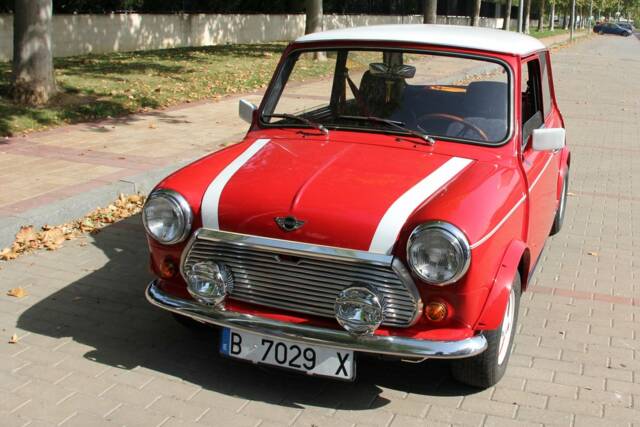
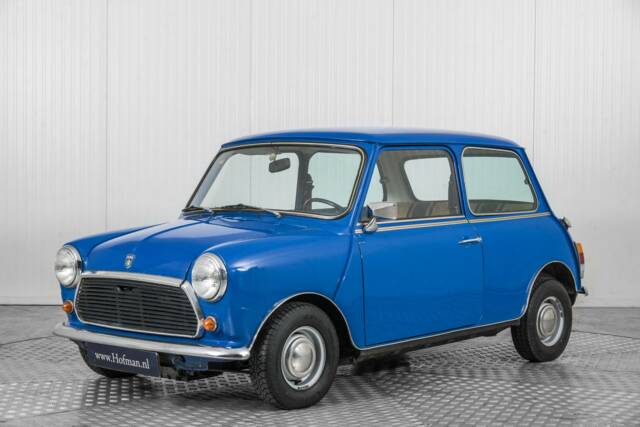
1973 | Mini 1000
Mini 1000 De Luxe | 1973 | Route 66 Auctions - For sale by auction. Estimate 7200 EUR

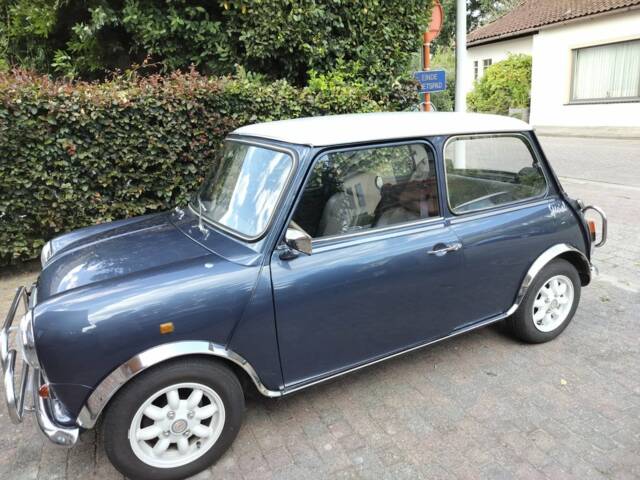
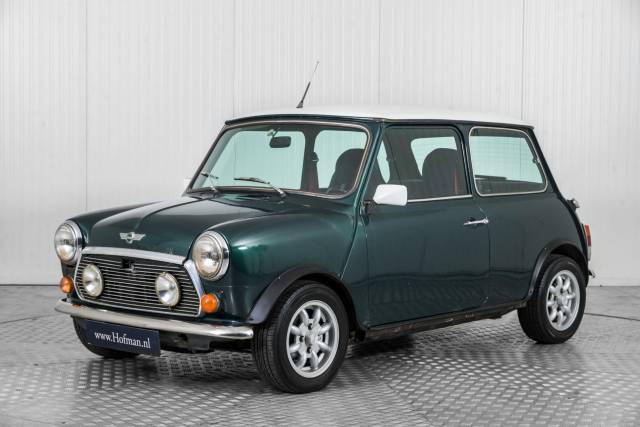
1989 | Mini 1000
Mini 1000 Special | 1989 | Route 66 Auctions - For sale by auction. Estimate 5700 EUR
Auctions ending soon

Loading…
Loading…
Loading…
Loading…
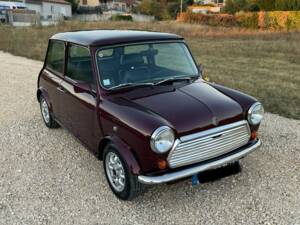
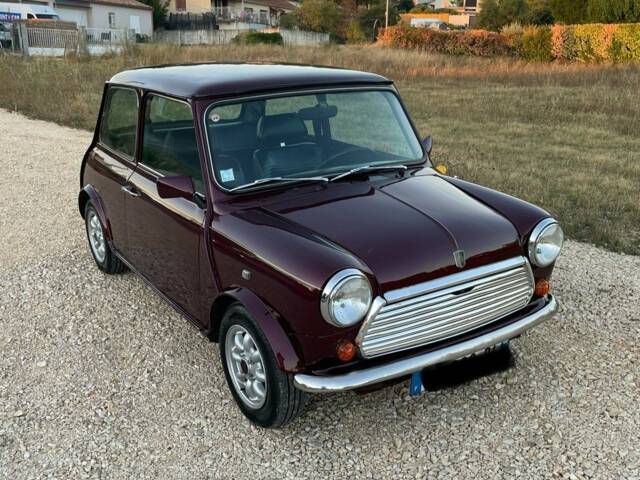
1990 | Mini 1000
Mini Thirty | 1990 | Route 66 Auctions - For sale by auction. Estimate 6600 EUR
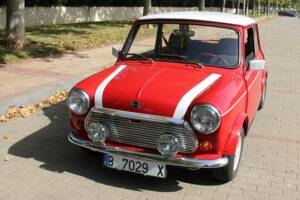
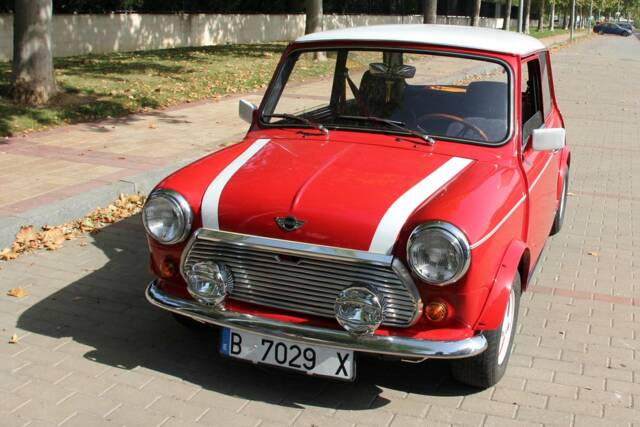
1973 | Mini 1000
Mini 1000 De Luxe | 1973 | Route 66 Auctions - For sale by auction. Estimate 7200 EUR
Newsletter
The best Mini listings, straight to your inbox
Get hand-picked Mini listings, plus the best of cars, motorbikes, and auctions on Classic Trader — all in one place.

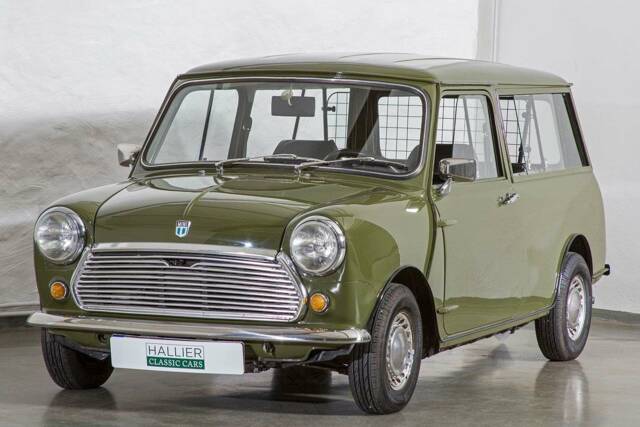
1967 | Mini Clubman Estate 1000
MINI 1000
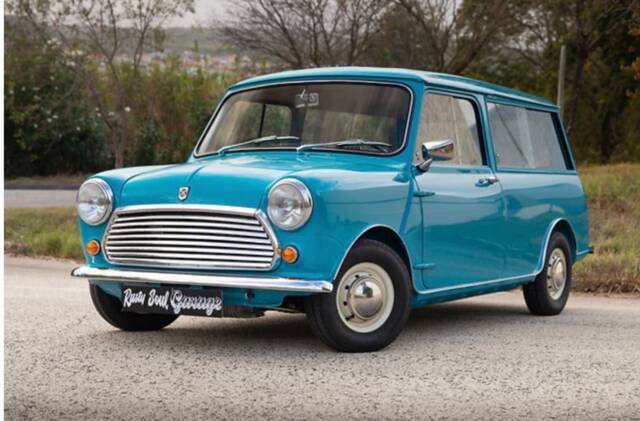
1977 | Mini 1000
MINI VAN 1977

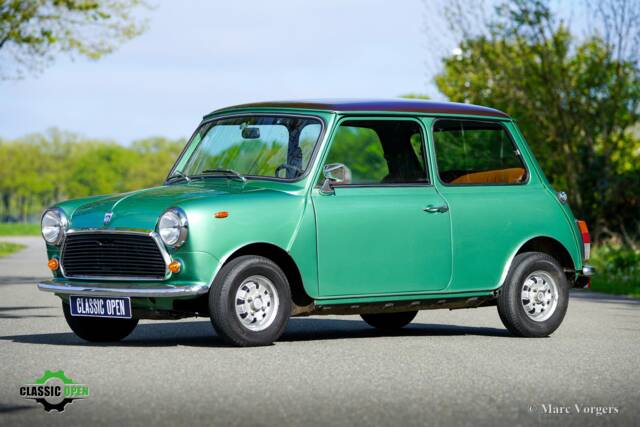
1976 | Mini 1000
Special 1100
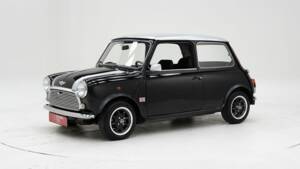
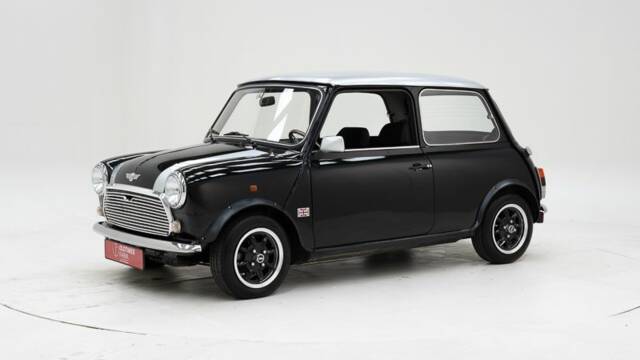
1990 | Mini 1000
1990 Mini 1000 '90

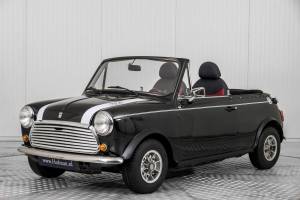
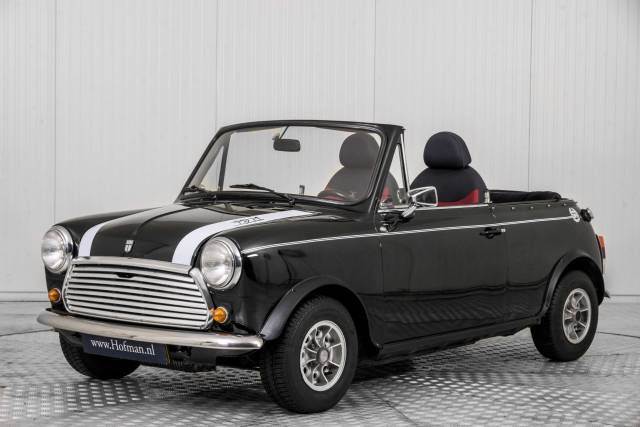
1983 | Mini 1000
Mini 1000 classic Cabrio
1978 | Mini 1000
Mini Austin Mini 1000 HLE Automaat
1973 | Mini 1000
MINI 1000 classic .
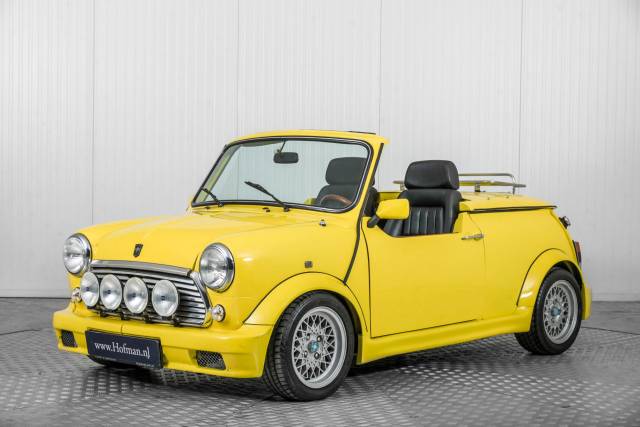
1976 | Mini 1000
MINI Cabrio two seater .
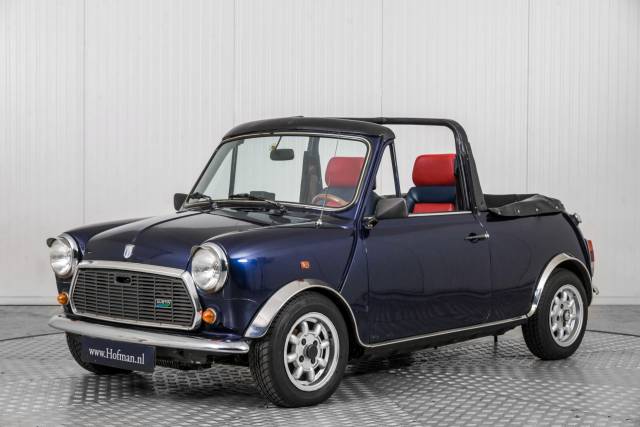
1986 | Mini 1000
Mini 1000 cabrio .
Mini 1000 listing references from Classic Trader
Below you will find listings related to your search that are no longer available on Classic Trader. Use this information to gain insight into availability, value trends, and current pricing for a "Mini 1000" to make a more informed purchasing decision.
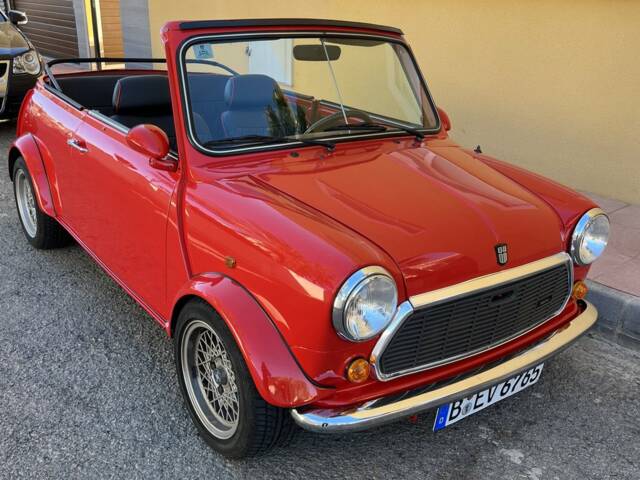
1989 | Mini 1000
Mini MKII Cabriolet | 1989 | Route 66 Auctions - For sale by auction. Estimate 13500 EUR
Mini 1000 Classic Cars: Prices & Market Values
The market value of Mini 1000 classic cars is primarily determined by the specific manufacturer code and variant, as well as technical condition, originality and mileage. Additional factors include rarity, history and documentation. A well-maintained, largely original vehicle with low, verifiable mileage and complete history including appraisals and documentation typically achieves significantly higher prices than a comparable vehicle with deferred maintenance, many modifications or unclear provenance.
Mini 1000: Market Prices & Value Trends
Based on sales data from the Classic Trader marketplace, the Mini 1000 market in Europe has been broadly stable to slightly firmer over the period from early 2021 to mid-January 2026, with most recent asking prices clustering in the same band as the last two to three years. While the dataset shows a very wide headline spread (including a few clear outliers such as very low project-level cars and an exceptionally high UK-priced example), the mainstream market for roadworthy, standard 40 hp cars from the late 1970s to early 1990s typically sits at around €9,000–€15,000. In Germany, Belgium and the Netherlands, many 1986–1991 Mini 1000 adverts land in the low-to-mid teens, while some Italian entries dip closer to €6,000–€12,000, reflecting condition and presentation. For today’s buyers, this suggests a liquid, condition-led market: originality, rust-free shells, documented restorations and period-correct specification are what hold values up, rather than sheer rarity, helping prices to remain resilient rather than spiking dramatically.
History and Background of the Mini 1000
The Mini 1000 originated from the British Motor Corporation’s (BMC) response to post-war fuel rationing and the need for an economical yet practical small car. Launched in 1972, the Mini 1000 built on the technical foundation established in 1959 by the original Mini, engineered by Alec Issigonis. The 1000 introduced the A-series 998 cc engine, improving both drivability and performance over earlier smaller-displacement versions. The Mini 1000 became a reference point for clever packaging in car design—with space for four passengers in a remarkably short body. The car was manufactured by BMC and later by British Leyland, with variants produced in the UK and under license in Italy by Innocenti. The Mini’s innovative design, including its front-wheel drive, transverse engine layout, and rubber suspension, fundamentally changed expectations for small cars and influenced decades of automotive engineering.
Model Range and Evolution
The Mini 1000 followed the development arc of the Mini series, entering production as part of the MKII range and later evolving through MKIII, MKIV, and MKV versions, each with mechanical and visual refinements. The 1000-line replaced the earlier 850 cc versions, offering a more powerful 998 cc engine with around 39 to 41 bhp. Special features included a black ABS grille, a centrally positioned logo, and improved cabin ergonomics. Distinctively, the Mini 1000 enjoyed a rich production run in both the UK and as the Innocenti Mini in Italy, the latter featuring wood-and-chrome trim and upgraded equipment. Successive updates saw changes in carburation, interior appointments, and occasional power increases, while maintaining the classic external proportions. The Mini 1000 remained central to the Mini’s identity until the end of classic Mini production in 2000.
Highlights and Market Analysis
The Mini 1000 is recognized for its ingeniously compact body, pioneering technical solutions, and energetic on-road feel. Notable technical highlights include a transverse A-series engine, front-wheel drive, rubber cone suspension, and a markedly low weight around 620 kg. The 1000 model gained visibility in pop culture, widely seen in film and TV (not least the British Leyland Mini Mk4, as driven by Mr. Bean) and associated with 1960s British style. British Racing Green paintwork with a white roof is traditional, yet dozens of special editions introduced a spectrum of colour and trim options.
Technical Data
Special Editions and Collectible Models
The Mini 1000 range included a number of limited and market-specific editions. UK-built 'Mini 1000 Special' appeared in 1975 with distinctive trim, while Italian Innocenti-built versions offered wood adornments, leather steering wheels, and unique factory options. Through the 1980s, 'HL,' 'E,' and 'HLE' badges marked evolving trim and equipment levels. Other specials, like the Mayfair, Flame Red, and Grand Prix, featured unique paint, wheels, and upgraded interiors; some performance editions reached up to 55+ bhp. The Cooper-badged variants, although based on the same platform, used uprated engines and chassis modifications, especially for motorsport homologation.
Maintenance and Reliability
Enthusiasts benefit from excellent parts supply and wide community support, making Minis well-suited to restoration or regular use. Regular care is essential: A-series engines are robust but require conventional maintenance, including valve adjustments and attention to the cooling system. Rubber suspension cones gradually lose effectiveness and service replacement intervals must be respected. Early Minis may have corrosion issues, especially around the front subframe, sills, and boot. Gearbox and differential whine can develop with mileage but is usually repairable. Upgrades are popular, from disc brakes to modern ignition and improved interior comfort, all easily sourced due to the continued popularity and strong parts market.
Engine, Performance and Handling
The Mini 1000’s lively 998 cc engine delivers notable low-end torque and quick throttle response, aided by a single SU carburettor. With curb weight near 620 kg, power-to-weight is sufficient for brisk urban mobility and responsive handling. The front-wheel-drive chassis and rubber suspension system ensure sharp cornering, high manoeuvrability, and a uniquely direct steering feel. The four-speed manual transmission allows for spirited driving, while a rare automatic gearbox appeared in select HL-series models. Performance upgrades from later or Cooper models are often retrofitted for drivers seeking more performance. Popular technical variants include the Innocenti Mini (Italian-market interior, wood elements), Mini 1000 HL (upgraded trim, optional automatic), Mini 1000 Special (unique 1975 series), and Cooper-based specials. Each offers a specific blend of appearance, features, and factory equipment.
Interior, Comfort and Design
The Mini 1000’s compact format offers unexpected space for four, with every inch of the minimalist interior contributing to passenger and luggage room. Standard UK models feature vinyl upholstery, functional carpets, and minimal but clearly arranged instrumentation. Innocenti examples from Italy received additional wood dashboard panels, chrome details, and often a bespoke steering wheel and gear knob. Special editions like the Mayfair included partial leather, alternative fabrics, or specific trim packages. Externally, the 1000 badge was complemented by a black ABS grille, centre-mounted logo, and (often) bicolour paint schemes with contrasting roof and decorative stripes. Mini’s accessory culture includes original Minilite wheels, widebody kits, Viper stripes, chrome mirror caps, and period-correct fog lamps—all reflecting the wide customisation admired by enthusiasts.
Other Features and Extras
The Mini 1000’s parts compatibility across decades of production allows for countless personalisation and retrofitting options, from audio systems to period-correct wheels and interior upgrades. Its compact turning circle and narrow width make it remarkably agile in city traffic even by modern standards. H-registration/classic status is common for preserved models, with many specialists supporting restoration. Wide community engagement means tips, spares, and advice are readily found online and at events. Many Mini 1000s are rebuilt with attention to historical detail, while a subset become mobile works of art or motorsport tributes.
Summary
The Mini 1000 delivers what enthusiasts expect from a British small car—maximum space efficiency, playful handling, and a driving experience closely attuned to the road. Combining accessibility, restoration-friendly mechanics, and a massive aftermarket, it remains central to the Mini legacy, with sustained interest from both supply and demand sides. Collectors favour its characterful performance and broad spectrum of special editions, with the 998 cc engine serving as the heart of the classic Mini driving experience.