Mini Moke classic cars for sale
The Mini Moke stands out with its minimalist, doorless body, robust simple engineering and unrivalled open-air driving fun. Originally created as a lightweight military utility by BMC, civilian versions turned it into a cult classic, especially popular in beach resorts and sun-drenched getaways.
Search results
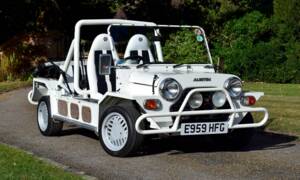
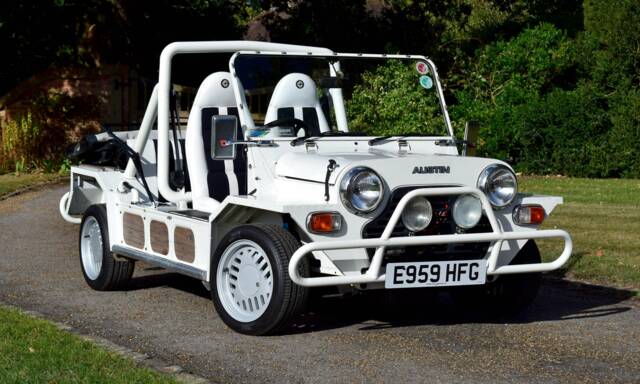
1988 | Mini Moke
1988 Austin Rover Mini Moke

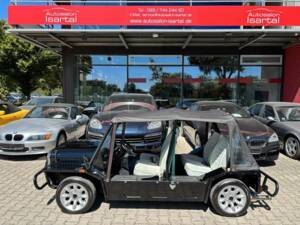
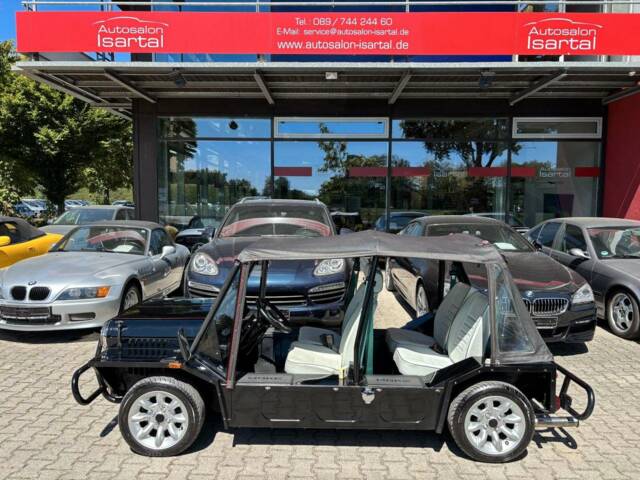
1993 | Mini Moke
MINI Sonstige

Auctions ending soon

Loading…
Loading…
Loading…
Loading…
Mini Moke listing references from Classic Trader
Below you will find listings related to your search that are no longer available on Classic Trader. Use this information to gain insight into availability, value trends, and current pricing for a "Mini Moke" to make a more informed purchasing decision.
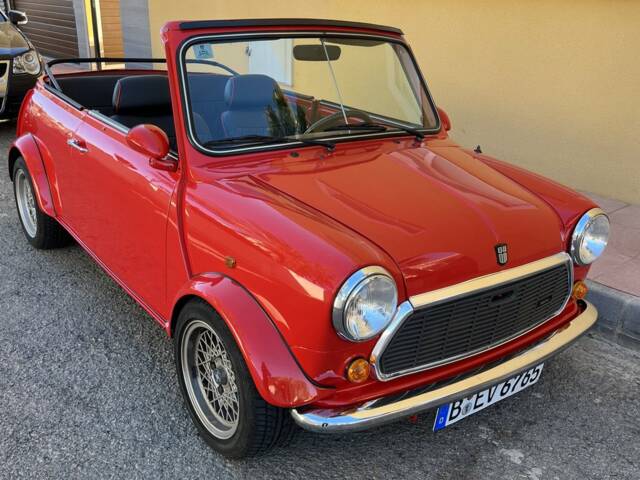
1989 | Mini Moke
Mini MKII Cabriolet | 1989 | Route 66 Auctions - For sale by auction. Estimate 13800 EUR

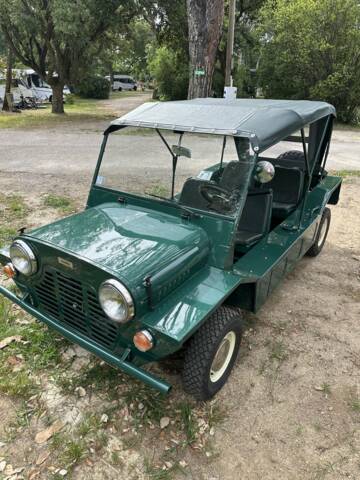
1966 | Mini Moke
Morris Mini Moke | 1966 | Route 66 Auctions - For sale by auction. Estimate 17500 EUR
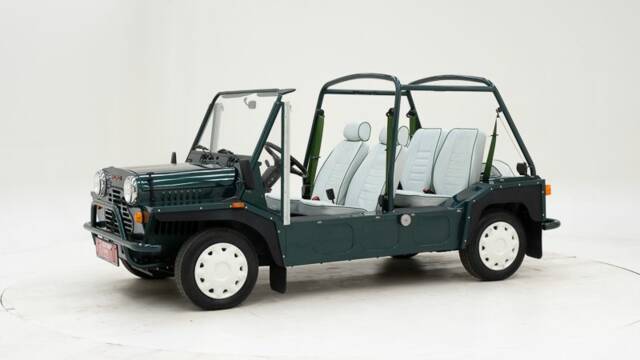
1993 | Mini Moke
1993 Mini Moke '93

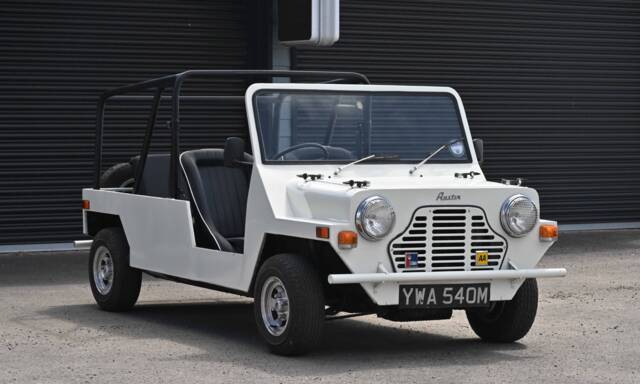
1973 | Mini Moke
1973 Austin Mini Moke
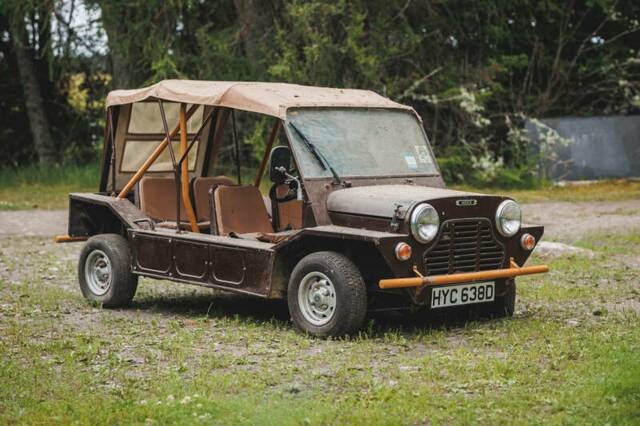
1966 | Mini Moke
1966 Morris Mini Moke Mk1 (plus motorised Raleigh Chopper MkII)
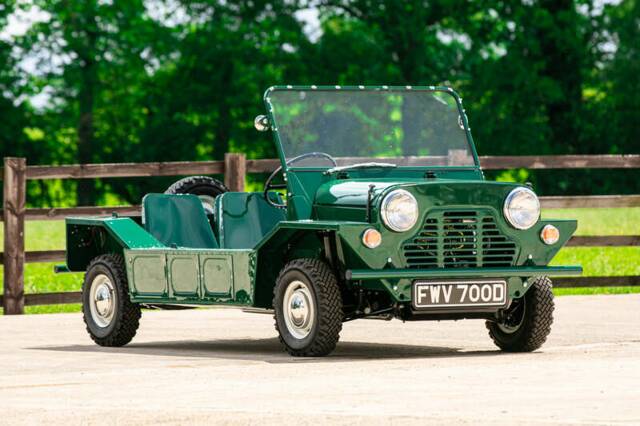
1966 | Mini Moke
1966 Mini Moke - Anthony Hamilton Collection
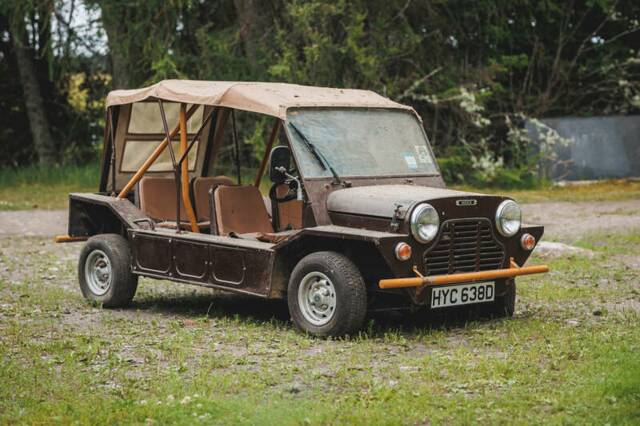
1966 | Mini Moke
1966 Morris Mini Moke Mk1 (plus motorised Raleigh Chopper MkII)
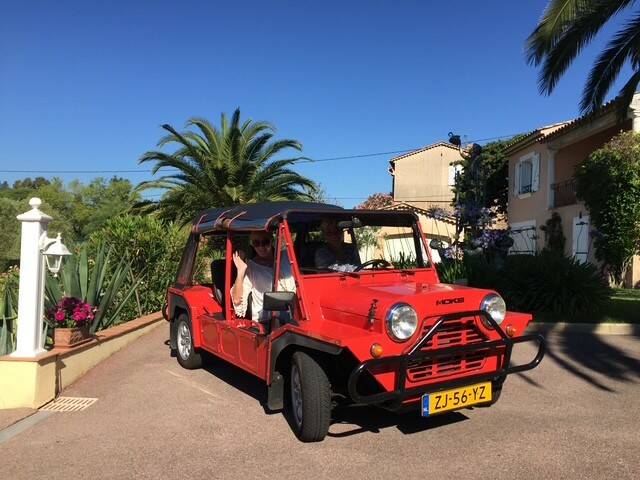
1988 | Mini Moke
Zeer mooie en originele Mini Moke uit 1988 – NL kenteken – 33.462 km
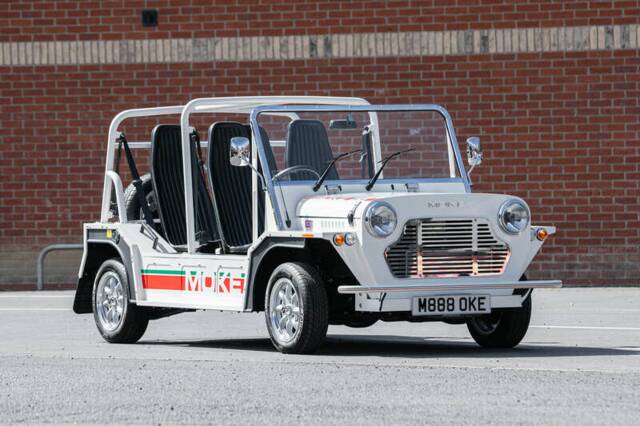
2021 | Mini Moke electric
2021 Moke International 56 - 197 Miles
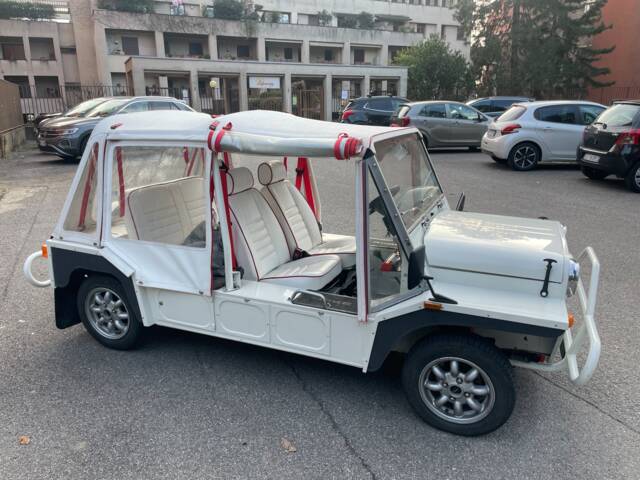
1987 | Mini Moke
Austin Rover Portugal

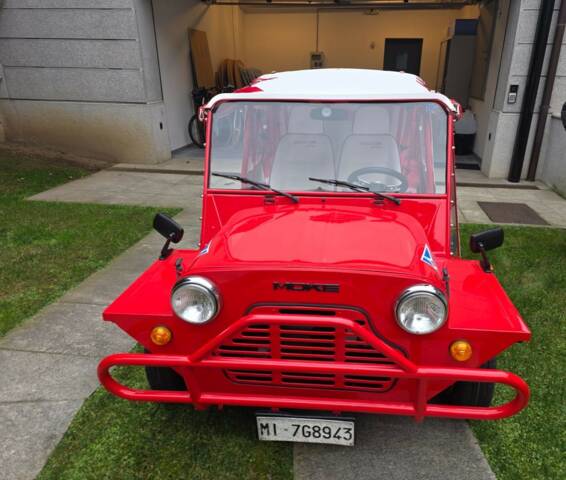
1988 | Mini Moke
Austin Mini Moke, 01/1988
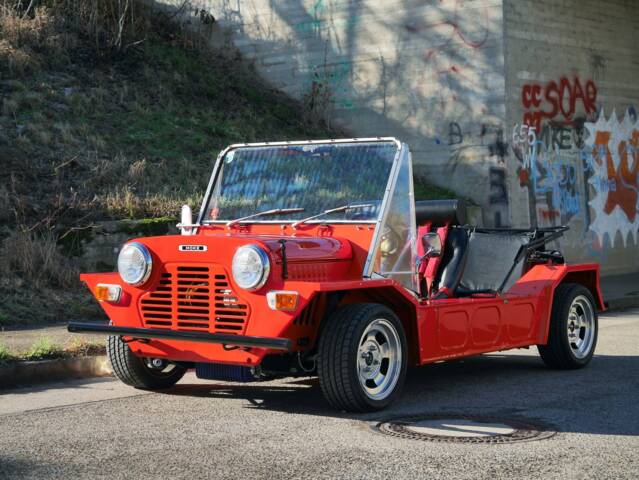
1976 | Mini Moke
Mini Moke // 1976 // vollständig restauriert
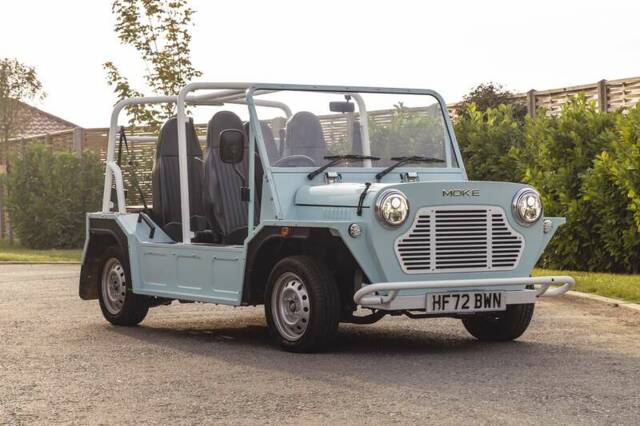
2023 | Mini Moke electric
2023 MOKE Electric
Mini Moke Classic Cars: Prices & Market Values
The market value of Mini Moke classic cars is primarily determined by technical condition, originality and mileage, as well as rarity, history and documentation. A well-maintained, largely original vehicle with low, verifiable mileage and complete history including appraisals and documentation typically achieves significantly higher prices than a comparable vehicle with deferred maintenance, many modifications or unclear provenance.
Mini Moke: Market Prices & Value Trends
Based on sales data from the Classic Trader marketplace, the Mini Moke market from 2021 to late 2025 shows a broadly stable to gently rising trend, with stronger money paid for early cars and well-presented, road-ready examples. Across European adverts (notably Italy and Germany, with some UK listings), most classic Mini Mokes from the mid-1960s through the 1990s cluster around £15,000 to £30,000, depending on originality, restoration quality and specification. Cheaper entries do appear in the low-£teens, typically reflecting condition, equipment or less desirable provenance, while a small number of high outliers (for example a heavily modified, high-power car) should not be treated as representative of the wider market. In today’s market, buyers can expect firm pricing for tidy 1970s–1990s cars and a premium for earlier 1964–1967 models, helped by the Moke’s cult status, simple mechanicals and growing demand as a leisure classic. Electric “Mini Moke” variants sit in a separate niche and do not define classic values.
History of the Mini Moke
The Mini Moke’s history began with BMC’s attempt, led by Alec Issigonis, to produce a lightweight military vehicle. Due to its minimal ground clearance and small wheels, the design was impractical for serious off-road military use. Shifted to civilian markets, production started in 1964 at Longbridge, Birmingham. Slightly awkward at first in the UK, the Moke caught on in Australia, Portugal, and export markets, with manufacture continuing into the 1990s. By 1993—after nearly 30 years and over 50,000 units produced worldwide—the original run ended, but the Moke had already established itself as a fixture of the leisure motoring landscape, often seen in TV, film, and sun-drenched resorts.
Model History
The Mini Moke started production in the UK between 1964 and 1968 with roughly 14,500 units. From 1966 to 1981, Australian models—often called Morris Mini Mokes—got upgrades like larger wheels, stronger brakes and a 1.0-litre engine. Later, Portuguese production from 1980 delivered around 10,000 more. No direct successor followed the Moke after 1993, but the original formula’s spirit carried forward: open, compact, practical, and endlessly customisable, reflected in revived and electric models in the 21st century.
Unique Features and Appeal
The Mini Moke is instantly recognisable by its doorless, featherweight structure with two pontoon-like side boxes and an easily removable windscreen. Built with function in mind, it uses a transverse four-cylinder petrol engine (848cc on UK versions), manual 4-speed gearbox, and very basic bodywork. Uncomplicated interiors, PVC-cushioned seats and minimal accessories enhance the utility. Optional soft-top canvas roofs could be removed in minutes. The Moke spent time as a prop in James Bond films and 'The Prisoner,' adding to its international pop culture status.
Technical Data
Special Editions and Collectible Models
A number of coachbuilt and special edition Mokes exist. Companies like Hooper & Co. occasionally created Mokes with doors or unique wheels. In more recent years, MOKE International launched faithful remakes and, since 2022, an all-electric version developed and built in the UK, featuring 33kW of power and contemporary safety features.
Weak Spots and Common Issues
No large-scale systematic weak spots are documented, but as with all cars of this era, pay close attention to body corrosion, especially chassis points and floor pans. Mechanical components are generally robust and widely shared with the classic Mini, making replacement straightforward, but ageing electricals or weathered interiors in open vehicles require scrutiny.
Engine, Performance, and Handling
With its light kerb weight and Mini-sourced powertrain, the Moke delivers brisk urban performance and agile handling. The manual four-speed gearbox, front-wheel drive, and direct steering result in a responsive experience ideal for leisure driving and short distances. Drum brakes (often swapped to discs by enthusiasts) demand careful consideration in modern traffic. Recent remakes include an optional automatic transmission and redesigned suspension for a smoother drive. Popular models include the UK-built Mk1, the larger-wheeled Australian Mokes, and the Portuguese Cagiva Mokes. Later electric versions offer up-to-date driving with classic looks.
Interior, Exterior, and Design
Designed by Sir Alec Issigonis, the Moke’s shell is basic yet instantly recognisable, with no doors, a flat floor, and exposed wheel arches. Earliest versions came only in Spruce Green, with white added later. Interiors remain spartan—removable PVC seat cushions, no carpeting, and basic dashboard switches. Soft-top canvas and simple steel tubing frames are standard. Early Mokes’ lack of passenger-side wipers or heaters highlights their no-nonsense approach. Later models and electric versions offer more comfort and colour options without diluting the elemental design philosophy.
Other Relevant Features
All generations of the Moke are known for their adaptable nature, finding favour at holiday parks, beach clubs and for light police or military use in some territories. The light weight made them easy to transport, even by crane or helicopter, and the open architecture makes them the classic beach companion.
Summary
The Mini Moke captures a unique moment where utility and minimalism blend with British charm. From military misfit to seaside staple, its longevity and DIY aesthetic endear it to enthusiasts. With abundant parts availability, simple mechanics, and a cult following spanning generations, it remains one of the purest expressions of carefree motoring.