- Car
- Mercedes-Benz
- Mercedes-Benz L 911 (0 offers)
Mercedes-Benz L 911 classic cars for sale
The Mercedes-Benz L 911 represents a robust era in the brand’s commercial vehicle history, known for its reliable engineering and characteristic Kurzhauber design. These vehicles stood out on worksites and long-haul routes across Europe due to their distinctive short-bonnet layout, practical cab design, and legendary reliability.
Search results
Currently, there are no matching listings for your search.
Create search alert
Let yourself be notified as soon as a listing is published that matches your search filters.
Create listing
Do you have a Mercedes-Benz L 911 that you want to sell? Then create a listing now.
Create listingMercedes-Benz L 911 listing references from Classic Trader
Below you will find listings related to your search that are no longer available on Classic Trader. Use this information to gain insight into availability, value trends, and current pricing for a "Mercedes-Benz L 911" to make a more informed purchasing decision.
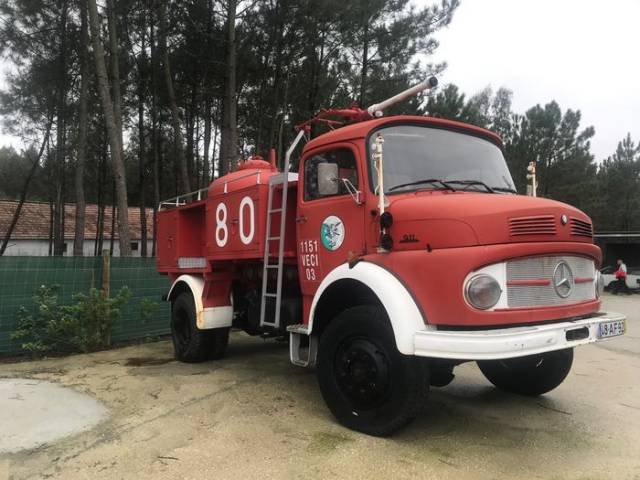
1972 | Mercedes-Benz LK 911

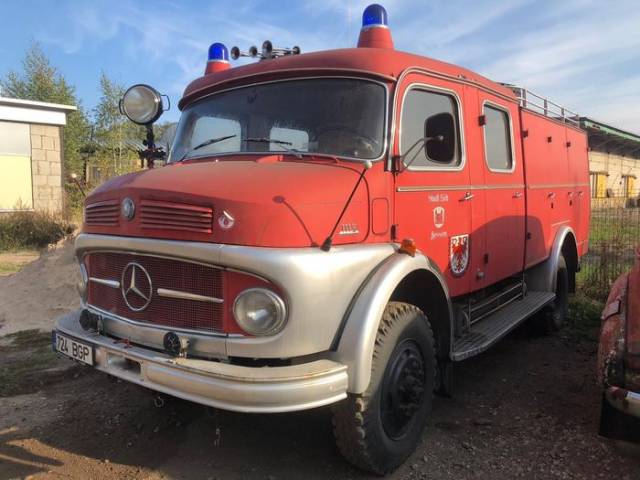
1966 | Mercedes-Benz LAF 911
Create search alert
Let yourself be notified as soon as a listing is published that matches your search filters.
Create listing
Do you have a Mercedes-Benz L 911 that you want to sell? Then create a listing now.
Create listingMercedes-Benz L 911 Classic Cars: Prices & Market Values
History of the Mercedes-Benz L 911
Introduced during a time when function and durability were paramount in the commercial sector, the Mercedes-Benz L 911 is best recognised for its role as a heavy-duty truck in postwar Europe. The model established a solid reputation for facing demanding working conditions, becoming a staple for small businesses, agriculture, and municipal fleets. Its 'Kurzhauber' (short nose) cab design not only provided improved manoeuvrability but also easier access for maintenance, a decisive advantage in daily use. The L 911 contributed significantly to Mercedes-Benz’s image as a manufacturer of resilient and practical utility vehicles.
Model History
The L 911 can trace its technological roots to the renowned Mercedes-Benz Kurzhauber series, which became an industry standard for medium-duty trucks. Preceded by earlier postwar commercial chassis, the L 911 refined concepts like direct-injection diesel engines and overbuilt suspension. It was later succeeded by even more specialised variants and the advent of cab-over-engine designs, but the L 911 remained popular for its simple yet effective mechanical layout during its production years.
Highlights of the Mercedes-Benz L 911
Key aspects of the L 911 include its robust, ladder-frame chassis, reliable diesel engine technology, and the easily recognisable short-bonnet cab. The model’s practicality, straightforward mechanicals, and renowned longevity made it indispensable in various industries. The L 911’s practical configuration allowed for numerous body variants—whether as a tipper, flatbed, or municipal utility vehicle.
Technical Data
Special Editions and Collectible Models
Certain L 911s delivered to municipal authorities or used in specialised applications (e.g., fire apparatus, snow ploughs) feature unique bodywork and equipment, distinguishing them within this model range. These versions are especially prized by collectors focused on working heritage vehicles.
Weak Spots and Common Issues
Despite its renown for durability, L 911 owners should monitor for corrosion in the cab and frame, especially in examples stored outdoors. Engine and brake system components, though robust, require regular intervals of maintenance and attention to consumables. Parts commonality is good within Kurzhauber models, easing repair and restoration for enthusiasts.
Engine and Performance, Transmission and Handling
The L 911’s diesel engines prioritise torque and reliability over speed, making them ideal for hauling and utility work. Manual gearboxes provide precise control even under load, and the rigid chassis ensures stable handling with excellent load-carrying ability. Being a short-bonnet truck, the L 911 enjoys tighter turning circles and easier city manoeuvring than most competitors of its era. Models fitted for fire brigade and municipal duties, as well as rare four-wheel-drive configurations, are of particular interest due to their specialised features and continued operational value.
Interior, Comfort, Exterior and Design
The cabin of the L 911 is austere but purpose-driven, with simple instrumentation, vinyl seats, and practical surface materials that withstand daily commercial use. The short, forward-set cab maximises cargo area while retaining classic Mercedes-Benz styling cues. Exterior design is marked by a vertical grille and modest, functional lines. Accessories such as auxiliary mirrors, work lights, and special paint schemes (notably municipal orange or fire brigade red) reflect its task-oriented character.
Other Features
Some L 911s were fitted from new with additional accessories like PTO-driven gear, snow-plough mounts, or custom hydraulics, tailored to the requirements of municipalities and contractors. These factory-fitted or period upgrades enhance utility and collectibility.
Summary
The Mercedes-Benz L 911 stands as a testament to the practical engineering and hard-working ethos of the classic Kurzhauber trucks. Its structural resilience, reliable diesel power, and flexible platform continue to make it a reference point for those seeking authentic historic commercial vehicles. Enthusiasts and collectors value it for its unique design, straightforward technology, and clear representation of classic German utility vehicle construction.