FIAT 518 classic cars for sale
The FIAT 518 delivers an authentic pre-war automotive experience, representing the ingenuity of Italian engineering in the 1930s. This model series, available as both saloon and spider, balances mechanical simplicity with robust functionality. Discover more about the history and specifics of the FIAT 518 models below.
Search results
Currently, there are no matching listings for your search.
Create search alert
Let yourself be notified as soon as a listing is published that matches your search filters.
Create listing
Do you have a FIAT 518 that you want to sell? Then create a listing now.
Create listingFIAT 518 listing references from Classic Trader
Below you will find listings related to your search that are no longer available on Classic Trader. Use this information to gain insight into availability, value trends, and current pricing for a "FIAT 518" to make a more informed purchasing decision.
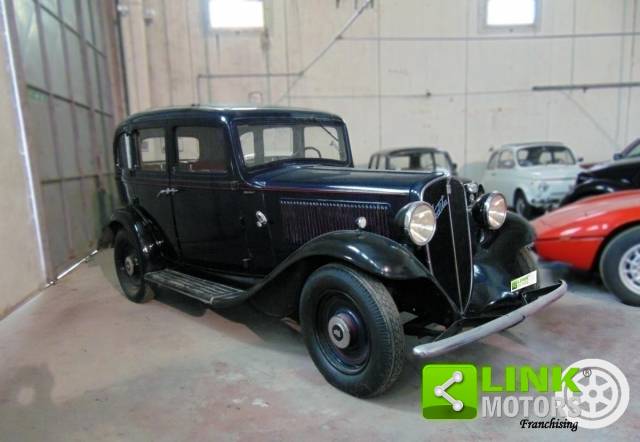
1933 | FIAT 518 L Ardita
Fiat 518 C Ardita, anno 1933, perfettamente conservata, un gioiello
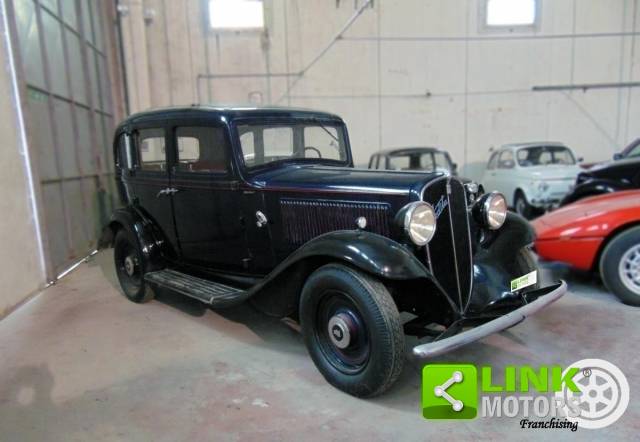
1933 | FIAT 518 L Ardita
Fiat 518 C Ardita, anno 1933, perfettamente conservata, un gioiello
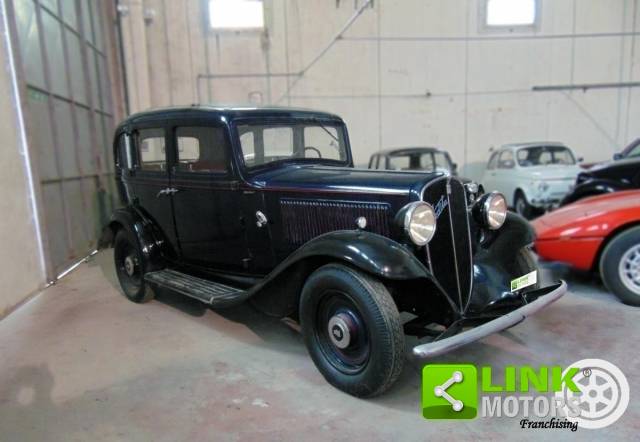
1933 | FIAT 518 Coloniale Ardita
Fiat 518 C Ardita, anno 1933, perfettamente conservata, un gioiello
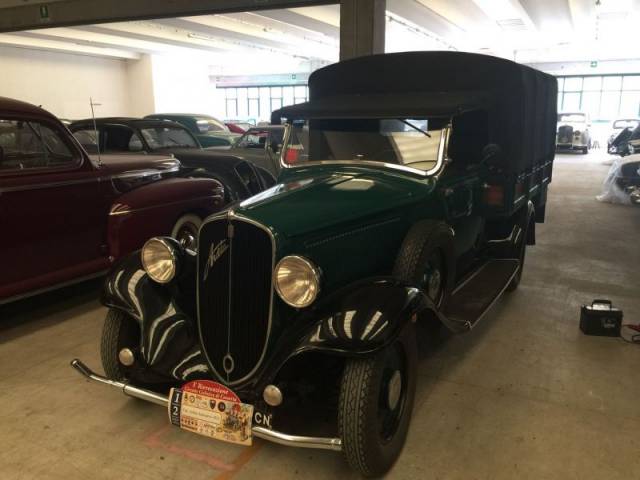
1933 | FIAT 518 Coloniale Ardita
Versione militare per le colonie italiane in Africa
Create search alert
Let yourself be notified as soon as a listing is published that matches your search filters.
Create listing
Do you have a FIAT 518 that you want to sell? Then create a listing now.
Create listingFIAT 518 Classic Cars: Prices & Market Values
History of the FIAT 518
Unveiled in the early 1930s, the FIAT 518 formed part of FIAT’s efforts to modernise its mid-range offerings between the wars. It was designed to cater to the increasing demand for reliable, manageable passenger vehicles in Europe. The 518, also known as the Ardita, played a pivotal role in transitioning FIAT’s design language from the angular lines of the 1920s towards more rounded, aerodynamic forms. Its various body styles reflected both private and official usage, including versions often deployed for taxi or even military purposes.
Model History
The FIAT 518 replaced earlier FIAT models such as the 514, and itself laid the groundwork for later FIAT developments throughout the 1930s. Successor vehicles like the 1500 evolved the marque’s reputation further, but the 518’s mechanical layout—with its four-cylinder engine and rear-wheel drive—set a key precedent for the company’s mid-range cars. Throughout its production run, several variants emerged, with modifications in engine displacement and refinements to the chassis.
Highlights of the FIAT 518
One of the significant aspects of the FIAT 518 is its mechanical reliability for its age, often being favoured for its straightforward maintenance and robust engineering. The car’s range of available body shapes—spanning from four-door saloons to sporty spiders—showcases the adaptability of the platform. Chassis variants included both short and long wheelbases, attracting customers from private individuals to professionals needing a durable workhorse. While statistics on current supply and demand for individual manufacturer codes within the classic car marketplace remain sparse in this dataset, the model’s enduring presence among enthusiasts and in collections confirms its notable role within FIAT's historical lineup.
Technical Data
Special Editions and Collectible Models
Certain 518 spiders and torpedoes, especially those coachbuilt by specialist firms or reserved for government service, stand out among collectors for their unique styling or provenance. Distinctive features include bespoke interiors or custom bodywork, making these vehicles particularly sought after among marque enthusiasts.
Weak Spots and Common Issues
Due to their age, FIAT 518 vehicles can experience wear in components such as kingpins, brake linkages, and ignition systems. The mechanical simplicity aids restorability, but sourcing parts—for items like carburettors, original brake cables, or period-correct interior fixtures—can be a challenge. Regular attention to lubrication points and cooling system integrity is advised. Corrosion in chassis members and panels is another issue, given the steel used in the 1930s.
Engine, Performance, Transmission and Handling
Equipped with a robust side-valve four-cylinder engine, the FIAT 518 offers dependable performance for cars of its period. With output typically ranging up to 55 hp, top speeds approach 100 km/h (depending on carburetion and body weight). The long wheelbase version delivers more stable driving characteristics, especially at speed or during cornering. The four-speed manual transmission shifts with a mechanical feel, and the unassisted brakes require a steady and premeditated driving style. Steering is direct but requires some effort, especially when manoeuvring at low speed. Saloon (Berlina): Ideal for period-correct touring events. | Spider: Lighter body, offering more responsiveness and open-air driving. | Torpedo: Spacious, often used for transport or official purposes.
Interior, Comfort, Exterior and Design
The FIAT 518 boasts distinctive 1930s design cues: a tall, narrow radiator, spoked wheels, and running boards. The interior typically featured simple, durable materials such as leatherette or cloth upholstery, a large-diameter steering wheel, and minimalistic instrumentation. Variants with coachbuilt bodies by Ghia or Stabilimenti Farina could offer bespoke detailing, two-tone paintwork, and additional accessories. Special features include subtle Art Deco trim and the availability of both left- and right-hand drive configurations.
Other Noteworthy Features
Some 518s were originally equipped for taxi or civil service, with period-specific markings or adaptations for public use. The model also found exports beyond Italy, featuring locally-adapted bodies in select markets. Ownership today often comes with membership in international FIAT classic car clubs, benefitting from shared resources and events.
Summary
The FIAT 518 represents a cornerstone of pre-war Italian motoring, balancing technical progress with the stylistic flair of the 1930s. Its variety of body shapes, coachbuilt editions, and historical applications make it a fascinating subject for enthusiasts seeking authenticity and mechanical artistry of its era. Seasoned collectors appreciate its straightforward engineering and enduring elegance, while restoration offers both challenge and reward due to its construction and period detail.