FIAT 512 classic cars for sale
The FIAT 512 stands as a rare gem from the pre-war era, offering a deep dive into the innovative spirit and craftsmanship that defined the early 20th century for Italian automobiles. Enthusiasts value the 512 for its advanced engineering for the time and its remarkable representation of FIAT's luxury ambitions. Discover the distinctive features and background of this unique model.
Zoekresultaten
Op dit moment zijn er geen overeenkomende advertenties voor uw zoekopdracht.
Create search alert
Let yourself be notified as soon as a listing is published that matches your search filters.
Create listing
Do you have a FIAT 512 that you want to sell? Then create a listing now.
Create listingFIAT 512 listing references from Classic Trader
Below you will find listings related to your search that are no longer available on Classic Trader. Use this information to gain insight into availability, value trends, and current pricing for a "FIAT 512" to make a more informed purchasing decision.
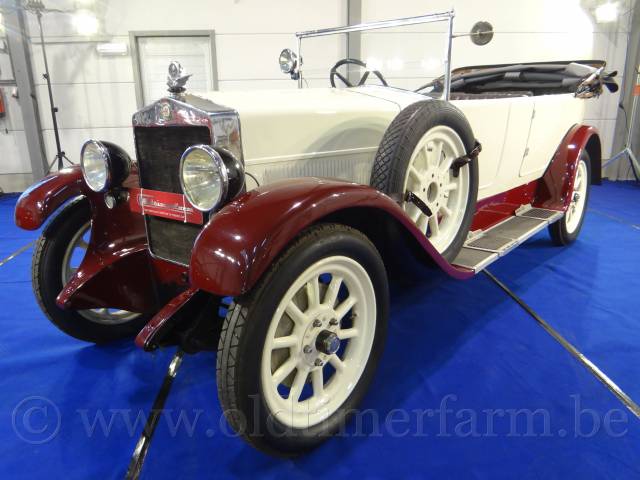
1926 | FIAT 512 Torpedo
Fiat 512 Torpedo 6 '22
1927 | FIAT 512 Torpedo
DA RESTAURARE
Create search alert
Let yourself be notified as soon as a listing is published that matches your search filters.
Create listing
Do you have a FIAT 512 that you want to sell? Then create a listing now.
Create listingFIAT 512 Classic Cars: Prices & Market Values
Introduction and history of FIAT 512
The FIAT 512 was introduced in the late 1920s as a direct successor to the luxurious FIAT 510. It was developed during a period when FIAT was keen to enhance its prestige and tap into the growing market for stately, high-performance vehicles. With its launch, FIAT aimed to offer a model that combined imposing presence with advanced engineering, catering to a clientele that valued both comfort and technological refinement. The 512 was part of a broader effort by FIAT to assert itself among Europe’s top luxury car manufacturers, offering a blend of Italian elegance and technical progress that was ahead of its time.
Model history
The FIAT 512 replaced the FIAT 510 as FIAT's flagship model at the end of the 1920s, embodying notable upgrades in chassis and drivetrain technology. The 510 had established FIAT's reputation for large, comfortable tourers, while the 512 pushed further in terms of sophistication, especially in its mechanical layout. Production numbers for the 512 were limited, reflecting its exclusive positioning and the economic climate of the era. After the 512, FIAT shifted focus to more accessible and volume-oriented models as Europe's automotive market evolved.
Highlights of FIAT 512
The FIAT 512 is distinguished by its advanced engineering for the period, including a powerful six-cylinder engine and hydraulic brakes—an innovation at the time. Its robust chassis, long wheelbase, and generous interior dimensions underline its focus on luxury and comfort. Each vehicle was often delivered with custom bodywork by renowned Italian coachbuilders, making each example unique in appearance and detail.
Technical data
Special Editions and Collectible Models
While series production for the FIAT 512 was inherently low-volume, particularly sought-after examples include those bodied by renowned firms such as Pininfarina, Viotti, or Bertone. These coachbuilt cars can differ markedly in design details, materials, and finishes, enhances their collectibility and historic significance.
Weak Spots and Common Issues
Due to limited production, the FIAT 512 shares many of its components with other high-end FIAT models of the era, but spare parts can be difficult to source. Restoration often requires bespoke manufacturing of components, especially for body elements and mechanical details unique to the model. Corrosion of chassis and body, wear of engine internals, and ageing of hydraulic brake systems are typical concerns for vehicles of this age.
Engine and Performance, Transmission and Handling
Driven by a large-displacement six-cylinder engine and equipped with mechanical innovations for its time, the FIAT 512's performance focused on smooth, powerful touring rather than outright speed. The robust engine offered ample torque, while hydraulic brakes and a sophisticated suspension set it apart from many contemporaries. Its handling is dignified rather than sporting, designed for comfortable journeys rather than dynamic cornering. Among the rare survivors, versions bodied by Pininfarina or Bertone are particularly noted for their aesthetics and craftsmanship. These versions highlight the interplay between Italian automotive engineering and bespoke coachbuilding traditions of the pre-war era.
Interior, Comfort, Exterior and design
The FIAT 512 impressed with individually commissioned bodywork, fine interior appointments, and materials that included polished wood, quality leathers, and intricate metal detailing. The dashboard and seating arrangements varied according to the customer's specification, as was common in luxury models of the time. Exteriors were characterised by flowing fenders, tall grilles, and the understated elegance typical of late 1920s and early 1930s Italian design. Accessories like running boards, spoked wheels, and chromed fixtures added to its stately appeal.
Other relevant features
Some FIAT 512s were reportedly ordered with bespoke features such as partition windows, in-car telephones, or custom luggage sets—reflecting the high levels of personalisation available to buyers able to afford such luxury in the pre-war period.
Summary
The FIAT 512 is an exclusive and technically sophisticated example of pre-war Italian automotive craft. Its combination of advanced mechanicals, coachbuilt exclusivity, and luxury-focused design has ensured that the few surviving examples attract significant attention among serious collectors and historians of motoring history.