FIAT 509 Classic Cars for Sale
The FIAT 509 stands as a prime example of late 1920s Italian engineering, combining a modern-for-its-time overhead camshaft engine with elegant bodywork and crafted for the unique conditions of European roads. Models range from the nimble Torpedo to the practical Limousine, making the 509 a choice for drivers seeking mechanical innovation and period style.
Search results
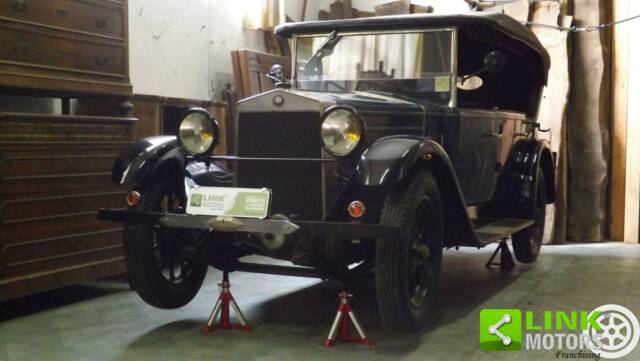

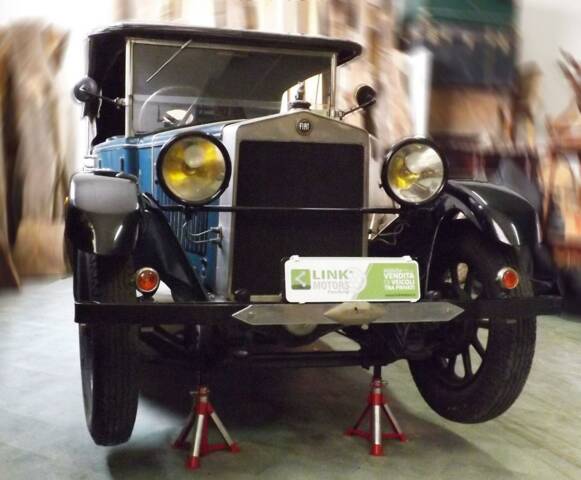
FIAT 509 listing references from Classic Trader
Below you will find listings related to your search that are no longer available on Classic Trader. Use this information to gain insight into availability, value trends, and current pricing for a "FIAT 509" to make a more informed purchasing decision.
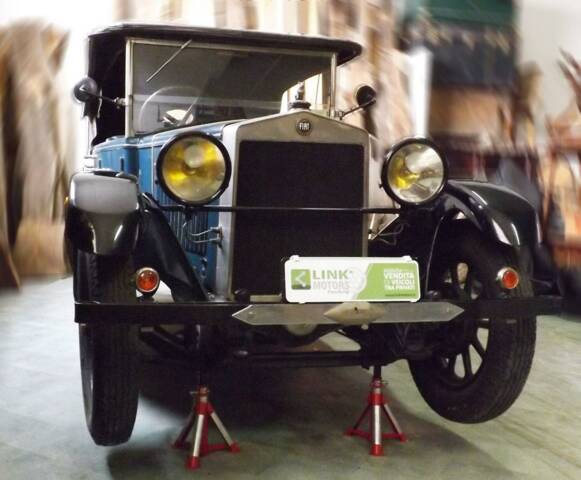
1924 | FIAT 509 A
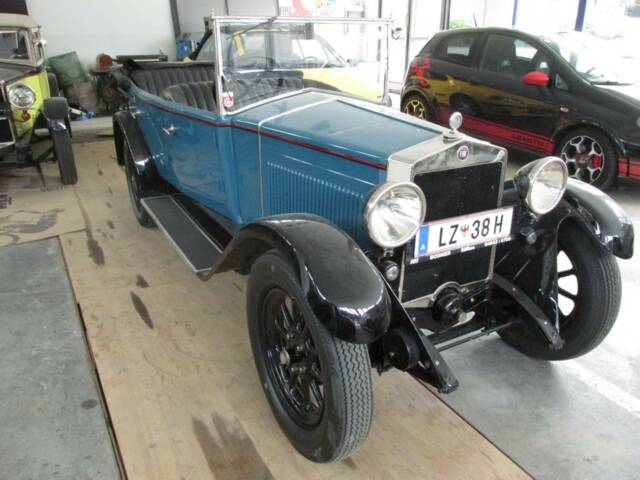
1930 | FIAT 509 Torpedo

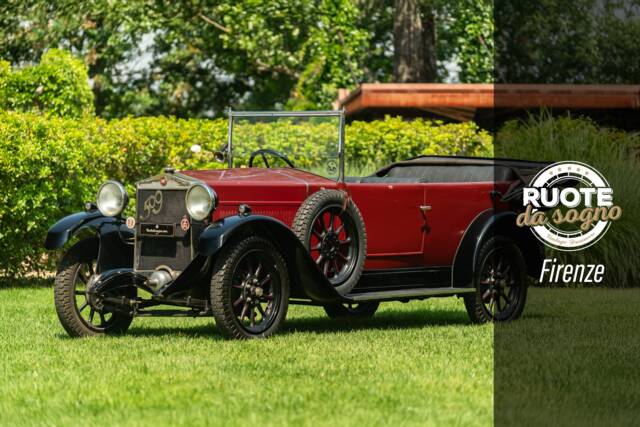
1925 | FIAT 509 A
Fiat 509
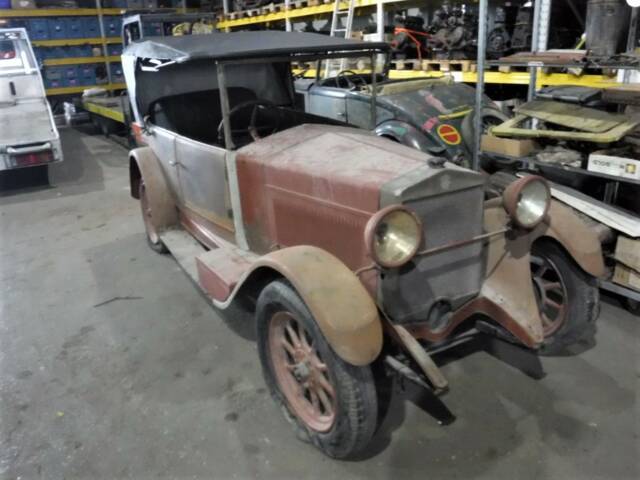
1929 | FIAT 509 A
Fiat-509A Torpedo tourer

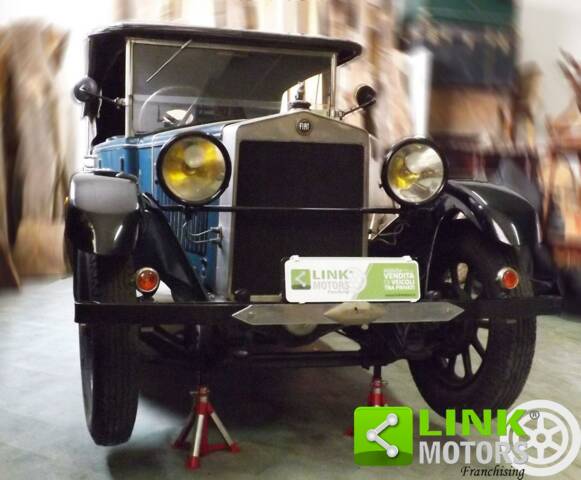
1924 | FIAT 509 A
FIAT 509 A chiusa trasformabile ben conservata
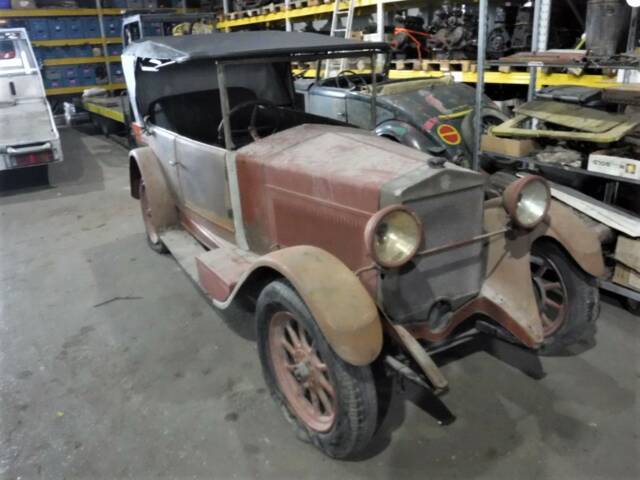
1929 | FIAT 509 Torpedo
Fiat-509A Torpedo tourer
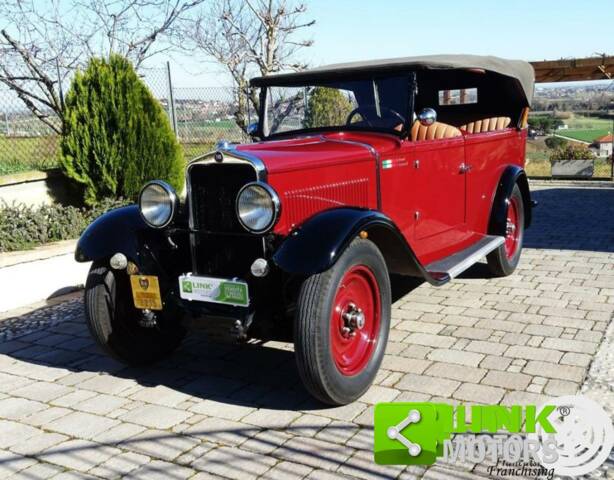
1930 | FIAT 509 Torpedo
FIAT TORPEDO 514-L
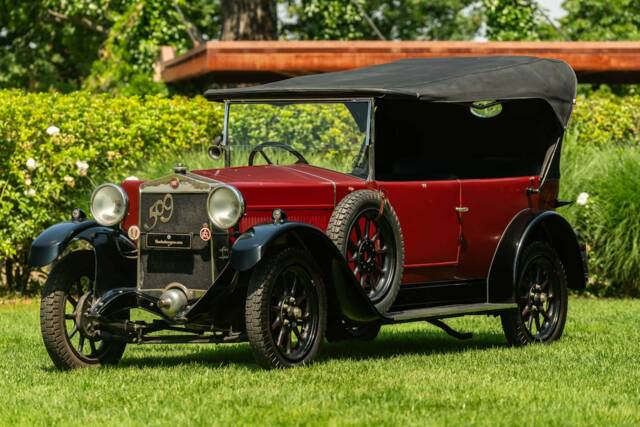
1925 | FIAT 509 A
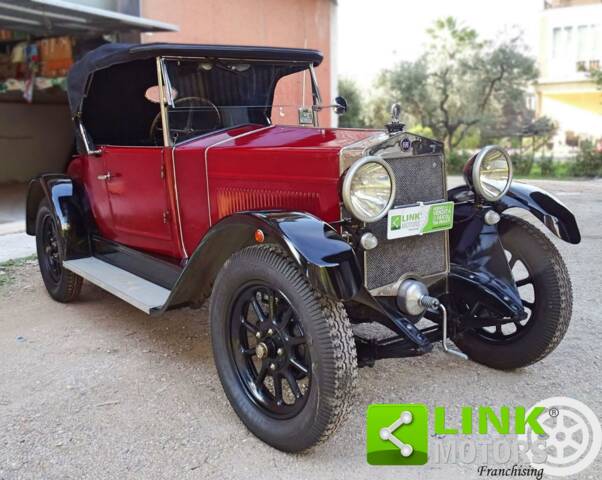
1927 | FIAT 509 A
FIAT 509 Spider
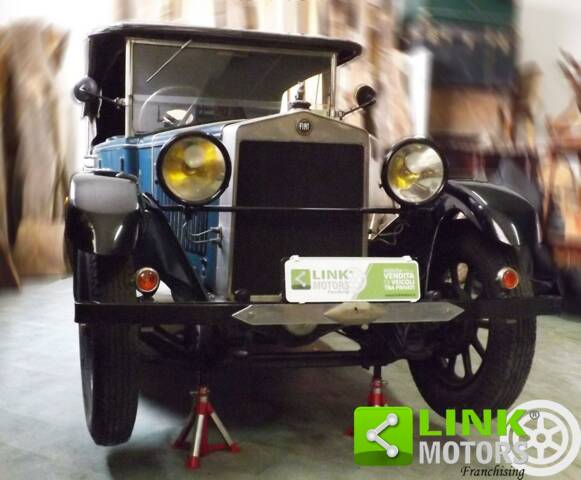
1924 | FIAT 509 A
FIAT 509 A chiusa trasformabile ben conservata
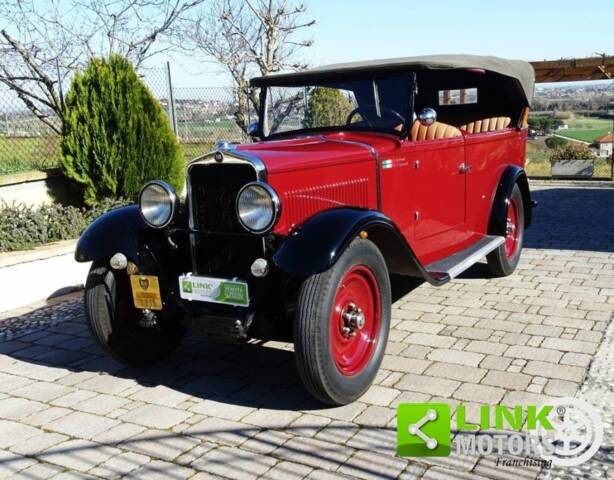
1930 | FIAT 509 Torpedo
FIAT TORPEDO 514-L
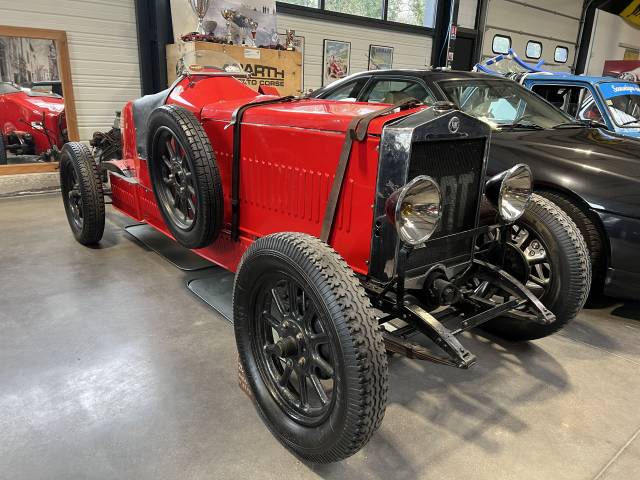
1926 | FIAT 509 S
Rarissime FIAT 509 SM "SPINTO MONZA" de 1926 fonctionne parfaitement.

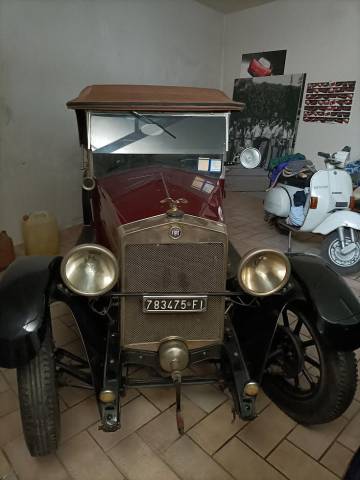
1927 | FIAT 509 A
Spider
FIAT 509 Classic Cars: Prices & Market Values
History of the FIAT 509
Launched in 1925, the FIAT 509 was Fiat’s answer to the growing demand for accessible, technically advanced cars in post-World War I Europe. With its overhead camshaft four-cylinder engine—a genuine innovation at the time—the 509 was purpose-built not only for city traffic but also for the demanding surfaces and gradients of European roads. Manufactured in Italy and strongly influenced by pre-war engineering ideas, the 509 marked a significant step for Fiat towards series production with modern control features. The model also played a financial role in automotive history, being the first associated with the SAVA financing model, a precursor of modern car financing strategies in Italy.
Model History of the FIAT 509
The FIAT 509 and its improved version, the 509A, marked a key development phase in Fiat’s portfolio. The original 509 succeeded earlier Fiat models primarily built before 1920, riding on systematic improvements such as a more agile engine with increased revolutions per minute (RPM) and an overhead camshaft. Production covered several body variants, most notably the sporty 'Torpedo' and the more utilitarian Limousine, both often configured with two doors. The 509A series offered refinements for greater reliability and performance. Ultimately, successors to the 509 would adopt further technical progress as European car standards evolved through the late 1920s and 1930s.
Highlights of the FIAT 509
A major distinguishing feature of the FIAT 509 is its four-cylinder engine with a modern (for its production era) overhead camshaft and valves, demonstrating a clear step ahead compared to most contemporaries using side-valve technology. Its three-speed manual gearbox is direct and engaging, while unique controls for throttle and mixture, located centrally on the steering wheel, suggest influences from aviation engineering. Distinctive design elements include wooden-spoke wheels and period-typical two-door bodies such as the Torpedo and Limousine. Intended more for style-conscious drivers than for high-powered motoring, the 509 found a niche in early urban mobility.
Technical Data
Special Editions and Collectible Models
Several body styles emerged within the 509 range, but the Torpedo and Limousine variants stand out for their recognisable silhouettes and driving configurations. Some rare editions featured right-hand drive, which sets them apart from typical continental models. Limited-number coachbuilt versions occasionally surface, further enhancing the individuality and collectibility of certain examples.
Weak Spots and Common Issues
Potential buyers should pay attention to engine timing components: as an early overhead camshaft design, the camshaft and valvetrain mechanisms require precise adjustment and can be subject to wear if not maintained meticulously. The three-speed gearbox can present synchromesh issues with age. Chassis and suspension parts—designed for 1920s roads—may show fatigue, and spare parts for original drum brakes and wooden-spoke wheels demand careful sourcing. Corrosion and previous amateur repairs can also be significant issues in surviving original or unrestored cars.
Engine and Performance, Transmission and Handling
The FIAT 509’s engine, although modest by modern standards, was advanced for its generation: the overhead camshaft configuration lent unusually smooth revving characteristics, and the engine could reach up to 3,400 rpm. With its three-speed gearbox, the car could approach up to 78 km/h in the lighter Torpedo form. Handling reflects its period, with robust but basic suspension best suited to moderate speeds and considerate cornering. The car was never intended for outright pace, instead prioritising comfort and mechanical reliability on city streets and rural routes. The Torpedo variant is often noted for its lower curb weight and slightly higher top speed, whereas the Limousine appealed to those seeking enclosed comfort. Both versions shared core technical attributes, including the advanced OHC engine and manual controls for mixture and throttle.
Interior, Comfort, Exterior and Design
Designed primarily for comfort and usability on Europe’s challenging roads, the FIAT 509 showcased key period features: central throttle and mixture levers on the steering wheel provided nuanced engine control, more akin to contemporary aircraft than most cars. Cable-actuated drum brakes matched by wooden-spoke wheels underline the engineering philosophy of the time. Interiors in both Torpedo and Limousine versions combined simple dashboards with accessible controls, and occasional right-hand drive configurations demonstrate Fiat’s reach into export markets. The body materials and finishes offered durability, though custom coachbuilt examples occasionally feature higher-specification upholstery or trim.
Other relevant features
The introduction of the SAVA financing model for the FIAT 509 is a noteworthy chapter in automotive business history, marking the first instance Fiat enabled buyers to finance their cars—a practice that later evolved into the FCA Bank. This initiative aided in broader ownership among Italian motorists and established formatting for automotive finance still used today.
Summary
The FIAT 509 stands apart due to its sophisticated-for-the-time OHC engine, distinctive flight-inspired controls, and practical yet elegant body variants. Considered an advanced step in Fiat’s development, it remains a sought-after vehicle for classic engineering fans who value authentic period features, Italian construction, and automotive history. When in original condition, these cars embody not only 1920s Italian engineering but also the early evolution of vehicle financing and city motoring on Europe's diverse roads.