Daimler Straight 8 classic cars for sale
The Daimler Straight 8 series stands out with its sophisticated engineering and holds a distinctive place in British motoring history. Combining pre-war charm, an inline-eight-cylinder engine and Daimler’s tradition for luxurious craftsmanship, these vehicles appeal to enthusiasts who value rarity and technical elegance.
Search results
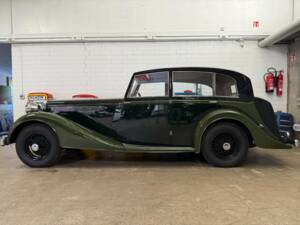
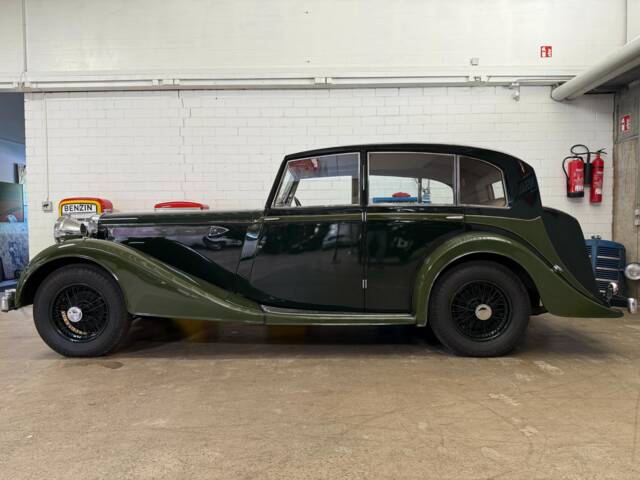
1938 | Daimler Light Straight 8
Daimler Sonstige

Daimler Straight 8 listing references from Classic Trader
Below you will find listings related to your search that are no longer available on Classic Trader. Use this information to gain insight into availability, value trends, and current pricing for a "Daimler Straight 8" to make a more informed purchasing decision.
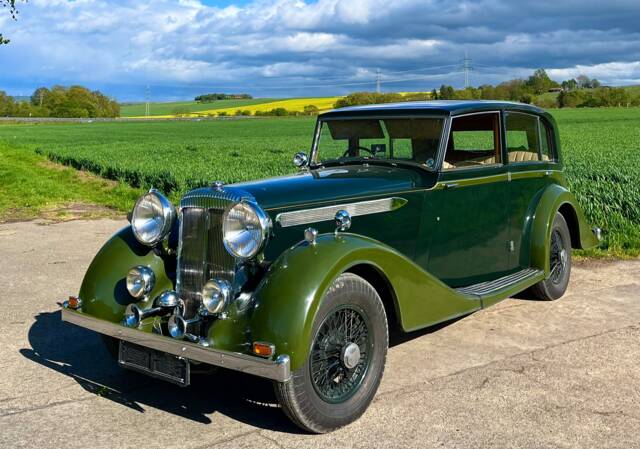
1938 | Daimler Light Straight 8
aus Sammlung
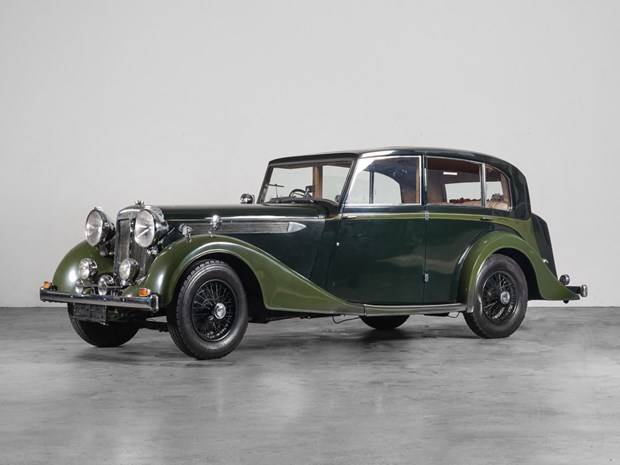
1938 | Daimler Light Straight 8
Auktion The Garage #2: German Cars, 01.12.2016, 1236
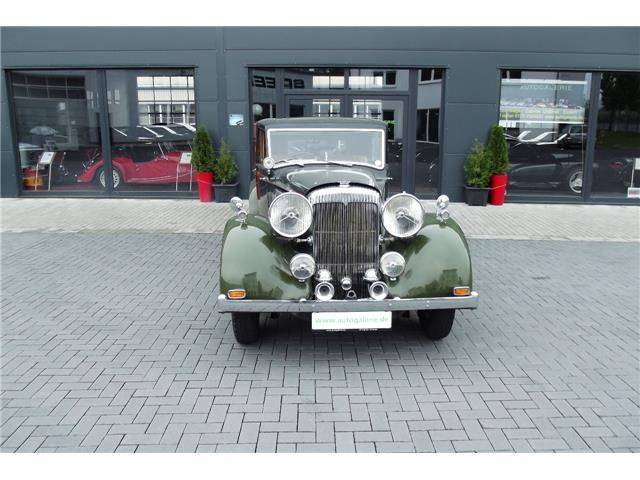
1938 | Daimler Light Straight 8
Daimler Other Vorkriegs Oldi 1938 Light Straight Eight 8Zylinder
Daimler Straight 8 Classic Cars: Prices & Market Values
History of the Daimler Straight 8
Daimler introduced the Straight 8 series in the early 1930s, aiming to compete in the advanced pre-war luxury and executive market. The model was a response to increasing demand among British upper-class clients for smoother running and more powerful engines. Daimler’s adoption of the straight-eight configuration represented a technical leap, focusing on silent, vibration-free operation—a hallmark valued by the marque’s traditional clientele. These vehicles often sat at the pinnacle of the range, equipped to chauffeur dignitaries and industrialists, and became synonymous with British innovation and high society motoring in the years leading up to World War II.
Model Series Development
The Daimler Straight 8 emerged as a natural evolution from the brand’s six-cylinder models, responding to competition from luxury peers adopting larger capacity engines. It was produced in several displacements and luxury body variants, with coachwork often provided by the most reputable British firms of the era. The Straight 8 series did not receive a direct successor, as the postwar climate shifted Daimler’s focus towards other engine layouts and the straight-eight concept was phased out industry-wide by the late 1940s.
Highlights of the Daimler Straight 8
The straight-eight engine layout provided exceptional smoothness compared to contemporary six-cylinder and V configurations. Daimler models were known for fluid transmission systems—often pre-selector gearboxes—delivering refined and effortless driving. Luxury fittings such as fine wood, wool, and leather interiors, along with options for custom coachwork, were tailored to the preferences of discerning owners. Advanced engineering, meticulous finishing, and the association with British social elites further distinguish the Straight 8.
Technical Data
Special Editions and Collectible Models
Special-bodied versions by coachbuilders such as Hooper, Barker, and Mulliner are particularly valued, especially those built to bespoke order for royalty or notable public figures. Some unique limousine and drophead coupé variations stand out due to their ultra-low production numbers and historic provenance.
Weak Spots and Common Issues
Due to the engineering complexity of the straight-eight engines and period gearboxes, regular maintenance is essential to prevent issues with lubrication and overheating. Original braking systems may require thorough overhauls for road safety. Parts availability for engine internals and trim can be a challenge, as many components are unique to this series and must often be sourced through specialist networks.
Engine, Transmission and Driving Qualities
The hallmark of the Daimler Straight 8 is its exceptionally smooth engine delivery and minimal vibration, even at idle. The pre-selector transmission, when maintained, allows seamless gear changes. The vehicle’s substantial chassis provides stable touring manners, while the sensitive steering and braking systems invite attentive, period-aware driving. Road holding is characteristic of its era—luxurious and stable, but responsive driving requires understanding of vintage vehicle dynamics. Notable variants include Hooper-bodied limousines and rare open-top tourers, which combine mechanical refinement with bespoke craftsmanship. Technical highlights focus on Daimler’s fluid flywheel technology and the refined straight-eight layout, a combination seldom seen in postwar models.
Design: Interior, Comfort and Exterior
Cabins showcase fine British craftsmanship, with handcrafted walnut dashboards, Connolly hide seats, and deep wool carpeting. Exteriors are distinguished by long, elegant bonnet lines and stately grilles. Bespoke options, from built-in cocktail cabinets to custom embroidered door cards, were offered to clients. Noteworthy colour choices included traditional British Racing Green, maroon, and two-tone schemes, often tailored for individual taste. The imposing coachbuilt bodies emphasised prestige, with elements such as chrome radiator mascots and integrated running boards.
Other features
Some vehicles feature period accessories such as Smiths instrument clusters, sunroofs, or division windows for chauffeured comfort. Attention to period-correct restoration is highly valued in the preservation of these vehicles, and original log books or service records often enhance interest among collectors.
Summary
A Daimler Straight 8 offers a glimpse into pre-war British luxury and engineering innovation, tailored for enthusiasts who appreciate the technical challenges and elegant presence of 1930s craftsmanship. The combination of smooth straight-eight power, custom coachwork, and handcrafted interiors defines these vehicles as standout examples of their era.