Daimler DS Oldtimer kaufen
The Daimler DS420 stands for British engineering at its most stately: produced from 1968 to 1992, this grand limousine was the transport of choice for royal families and dignitaries. Known for its hand-built quality, spacious interior for up to seven, and a robust 4.2-litre straight-six engine, the DS420 offers the ultimate in classic luxury motoring.
Search results
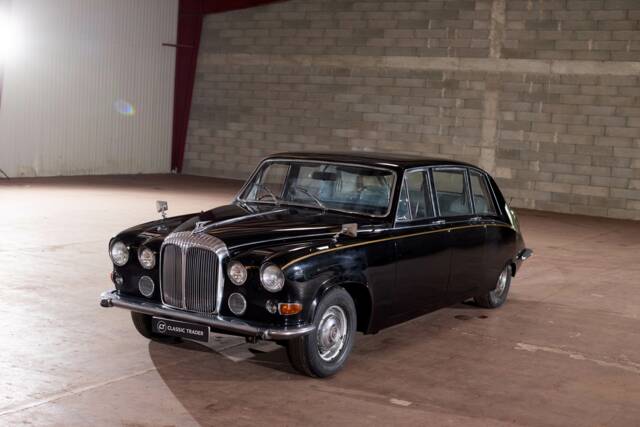
1976 | Daimler DS 420
1976 Daimler DS 420, owned by the same owner for 36 years, documented chauffeur provenance and only 65,889 miles

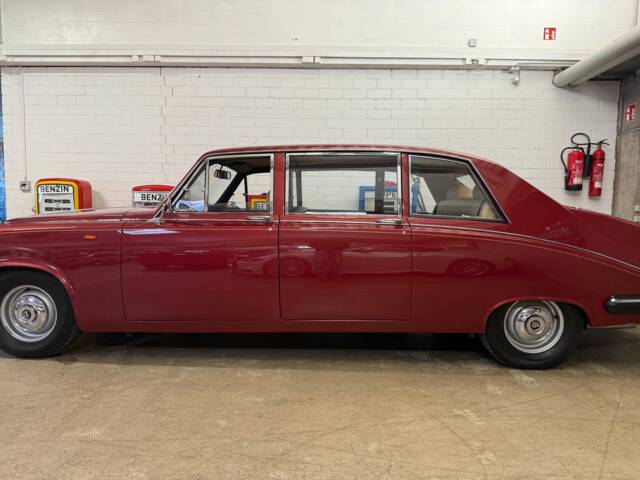
1988 | Daimler DS 420
Daimler Sonstige

Auctions ending soon

Loading…
Loading…
Loading…
Loading…
Daimler DS listing references from Classic Trader
Below you will find listings related to your search that are no longer available on Classic Trader. Use this information to gain insight into availability, value trends, and current pricing for a "Daimler DS" to make a more informed purchasing decision.
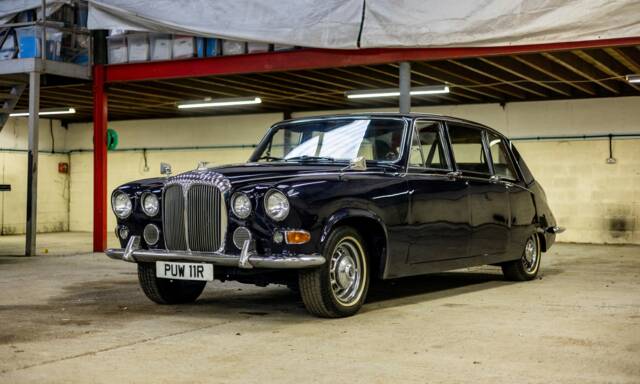
1976 | Daimler DS 420
1976 Daimler DS420

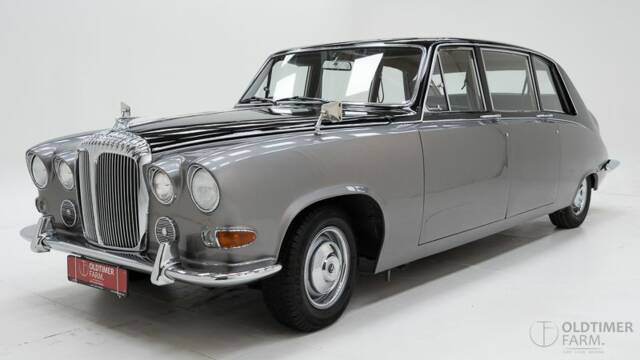
1973 | Daimler DS 420
1973 Daimler DS420 Vandenplas Limousine '73

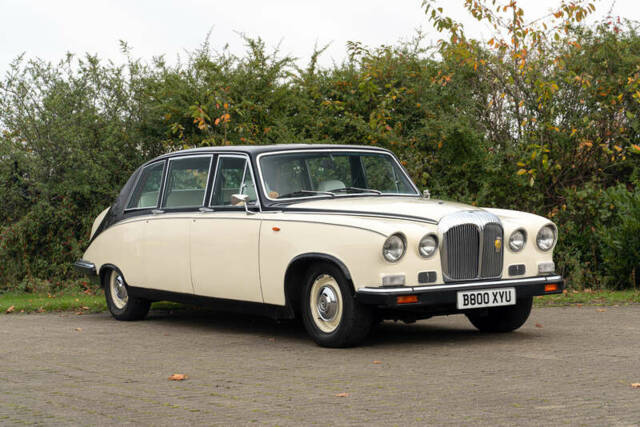
1985 | Daimler DS 420
1985 Daimler DS420 Limousine
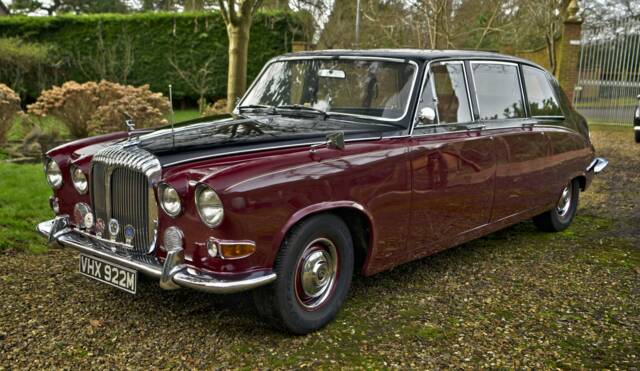
1974 | Daimler DS 420
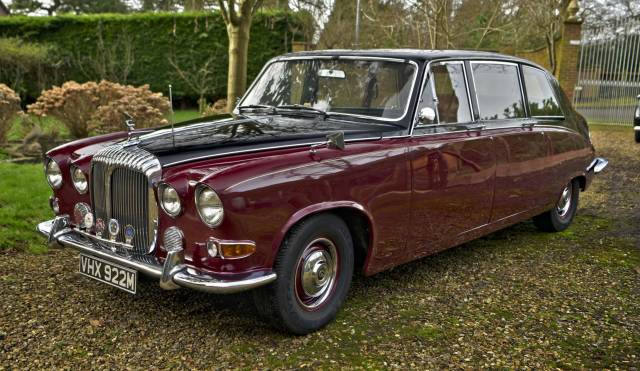
1974 | Daimler DS 420
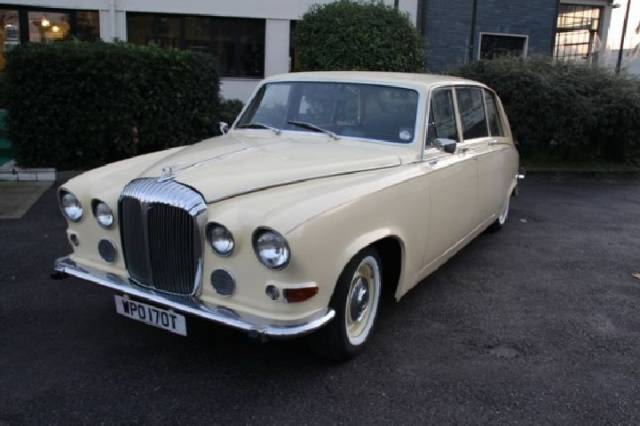
1978 | Daimler DS 420
Vettura totalmente originale in ogni sua parte

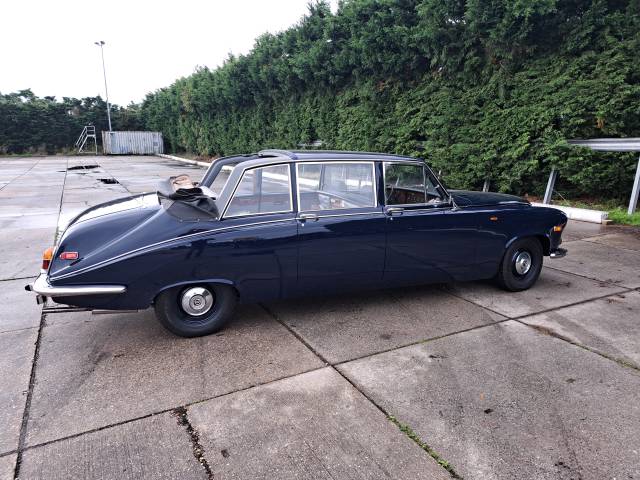
1986 | Daimler DS 420
Landaulette LHD

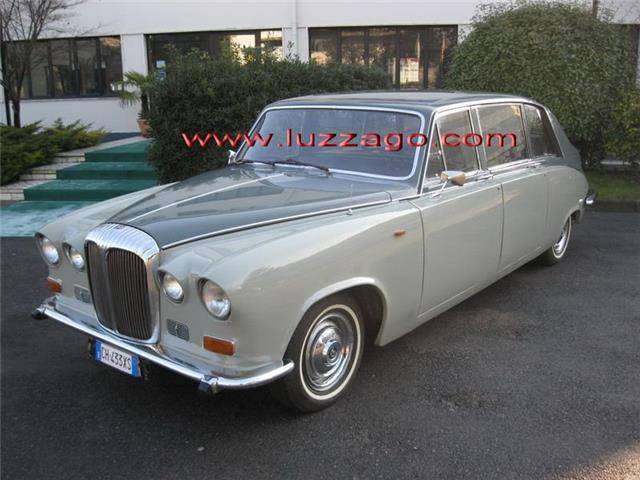
1984 | Daimler DS 420
Daimler Other DS 420 Limousine
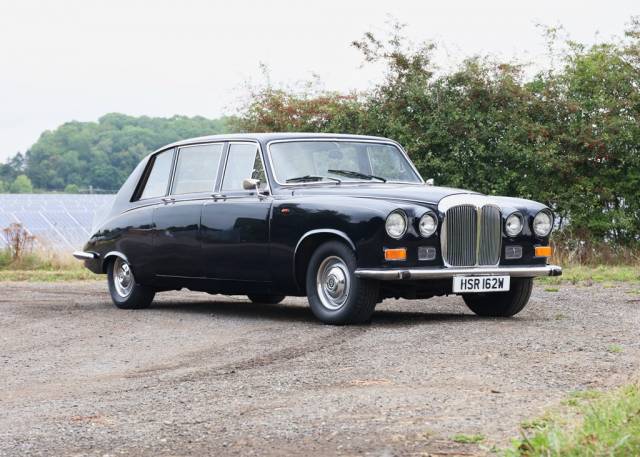
1980 | Daimler DS 420
Daimler DS420 Limousine ex 'The Crown'
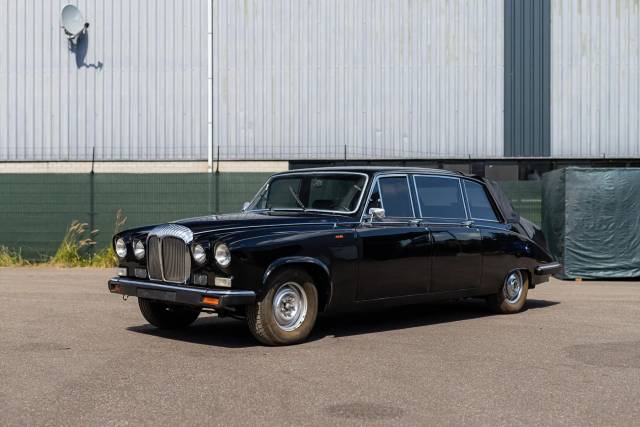
1989 | Daimler DS 420
Recommission Required - Rare
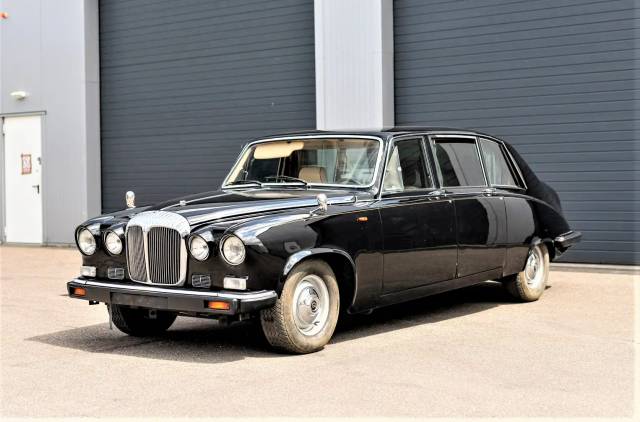
1992 | Daimler DS 420
Recommission Required - No Reserve
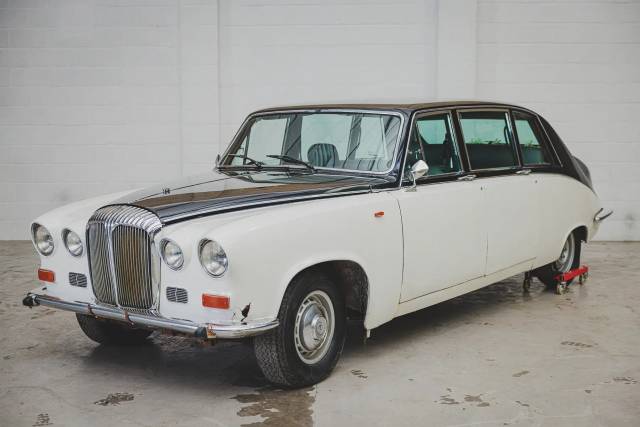
1970 | Daimler DS 420
Big - Beautiful - No Reserve - Project
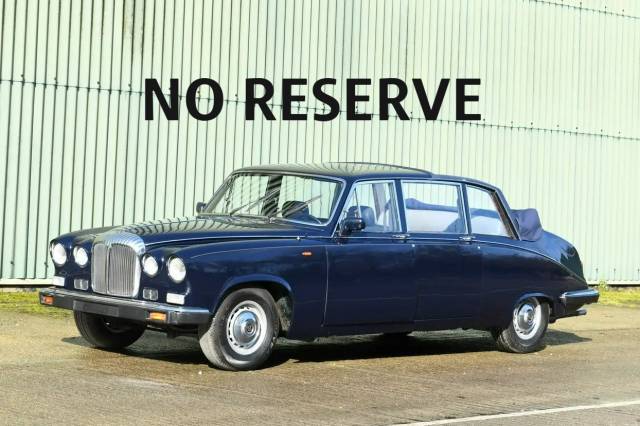
1989 | Daimler DS 420
Daimler DS420 Landaulette
Daimler DS Classic Cars: Prices & Market Values
History of the Daimler DS Series
Launched in 1968, the Daimler DS420 was developed as a formal limousine, specifically designed to meet the requirements of state occasions and VIP transport. Its roots are directly tied to British ceremonial tradition; various royal households, especially in the UK, Denmark, and Sweden, relied on the DS420 for official duties. Initially hand-built at Vanden Plas in Kingsbury, London, and later assembled at Jaguar's Coventry plant from 1979, it carried forward Daimler’s legacy of producing prestigious limousines. The DS420 saw several updates during its lifetime, notably with changes to bumpers and rear licence plate design during the transfer to Coventry. Its production ended in 1992 after just 3,717 units, marking the close of the bespoke British limousine era.
Model History
The DS420 succeeded Daimler’s earlier formal limousines and became the marque’s last large ceremonial vehicle. Production began at Vanden Plas, with early versions distinguished by 'Daimler Vanden Plas' badging and unique production details. When manufacture moved to Jaguar in Coventry, updates included revised body elements. Only 71 units were produced with left-hand drive, underlining its status as a largely UK and Commonwealth preference. The DS420's design remained largely unchanged mechanically, sticking to the proven recipe of the Jaguar XK 4.2-litre inline-six engine and a substantial chassis. After 24 years of production, the end of the DS420 in 1992 left no direct limousine successor in the Daimler range.
Highlights of the Daimler DS Series
Distinctive for its imposing dimensions—over 5.7 metres long and nearly 2 metres wide—the DS420 was configured for ceremonial comfort, including a powered division window, secondary folding seats, and a cabin trimmed with fine burr walnut and lambswool carpets. Many vehicles offered custom features, including cocktail cabinets with crystal decanters and glasses, champagne coolers, and embassy flag mounts. Its extensive use by royalty and for high-profile occasions, alongside appearances in films like James Bond’s "Tomorrow Never Dies" and "The Da Vinci Code," cement its reputation. Buyers sought out both the exclusivity of limited production (only 3,717 built) and the luxury specification. The DS420 accounted for 100% of all Daimler DS listings and 100% of listing views, showing it is the single reference for this code within the brand and series.
Technical Data
Special Editions and Collectible Models
Many DS420s were bespoke, with a high rate of special orders for royal use and dignitaries. Early 'Vanden Plas' marked vehicles are particularly prized, as are cars associated with notable figures such as the Queen Mother, who had four DS420s in her lifetime—including one of the final three built. Left-hand drive examples are rare, with only 71 ever made, making them especially sought after among continental collectors. Vehicles featuring unique paint schemes, upgraded chromework or additional diplomatic fittings such as flag mounts and cocktail cabinets are considered standout editions.
Weak Spots and Common Issues
No specific weaknesses have been reported in the available data. However, as with any hand-built luxury vehicle of this age, attention should be paid to the condition of the coachwork, electrical systems—especially the powered division and window mechanisms—and ensuring the 4.2-litre engine has been properly maintained to sustain its renowned reliability.
Engine and Performance, Transmission and Handling
Driven by a 4.2-litre straight-six engine with twin overhead camshafts—a unit proven in the Jaguar XJ6 and E-Type—the DS420 offers robust torque and dependable performance, with a top speed of 180 km/h. The automatic transmission favours smoothness over sportiness, well-suited for formal and chauffeured driving. Despite the limousine’s considerable weight and length, its chassis and suspension setup provide an exceptionally stable ride, even with a full complement of passengers and luggage. The lengthy 3.58-metre wheelbase facilitates comfort in the rear, especially when all seven seats are occupied. Notable variants include early Vanden Plas cars with extra-thick steel bodywork and superior chromework, as well as left-hand drive models for non-UK markets. Cars with full accessory sets—folding seats, complete glass division, and original cocktail cabinets—are particularly interesting to collectors.
Interior, Comfort, Exterior and Design
The DS420’s design combines Vanden Plas’s coachbuilding artistry with functional elegance. Interiors are divided; the chauffeur’s zone features practical leather, while the passenger compartment is trimmed with high-grade cloth or velour, lambswool carpeting, and liberal use of burr walnut. Accessories frequently include dual radios, powered glass divisions, a full walnut bar, occasional seats, and even bespoke cocktail storages. Exterior paint schemes vary, often in formal two-tone shades such as burgundy over black or silver over gunmetal for state and ceremonial roles. Embellishments like embassy flag mounts and additional chromework emphasise the DS420’s ceremonial function. Design changes after 1979 included more substantial bumpers and a revised rear panel for the number plate, yet the limousine’s formal silhouette remained constant.
Other Features
Many DS420s feature diplomatic and state-use fittings, such as flag holders and additional lighting. Early hand-built models carry distinguishing Vanden Plas badging and were tailored to unique individual requirements, from bars to custom seating configurations.
Summary
The Daimler DS420 represents the pinnacle of British formal limousines, uniting craftsmanship, comfort, and dignified presence. With exclusive royal patronage, a robust Jaguar engine, and numerous bespoke options, it stands out both historically and for enthusiasts seeking a true leaders’ car for classic collections or high-profile occasions.