Citroën Xantia – Buy Classic Cars
The Citroën Xantia, built from 1993 to 2001, stands out for its hydropneumatic suspension and brawny engineering. With models ranging from the innovative Activa with advanced active suspension to diesel and V6 variants, this mid-size French classic combines high comfort with technical sophistication. Its rarity and innovative features make the Xantia an exciting choice for classic Citroën aficionados.
Search results
Currently, there are no matching listings for your search.
Create search alert
Let yourself be notified as soon as a listing is published that matches your search filters.
Create listing
Do you have a Citroën Xantia that you want to sell? Then create a listing now.
Create listingCitroën Xantia listing references from Classic Trader
Below you will find listings related to your search that are no longer available on Classic Trader. Use this information to gain insight into availability, value trends, and current pricing for a "Citroën Xantia" to make a more informed purchasing decision.
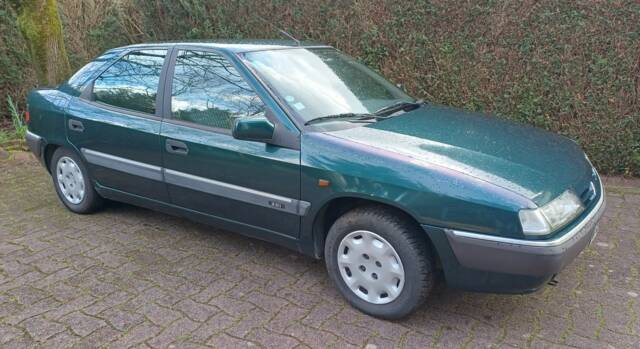
1994 | Citroën Xantia 2.0i
Modèle culte des années 90/2000, une élégante au style intemporel signé Citroën

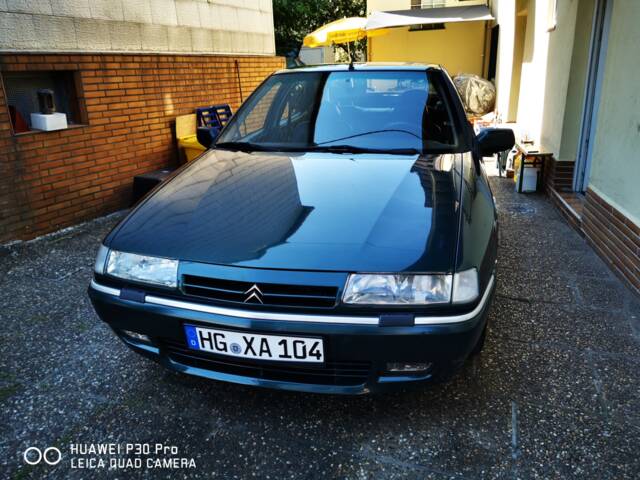
1997 | Citroën Xantia 3.0i V6
ACTIVA SC Car

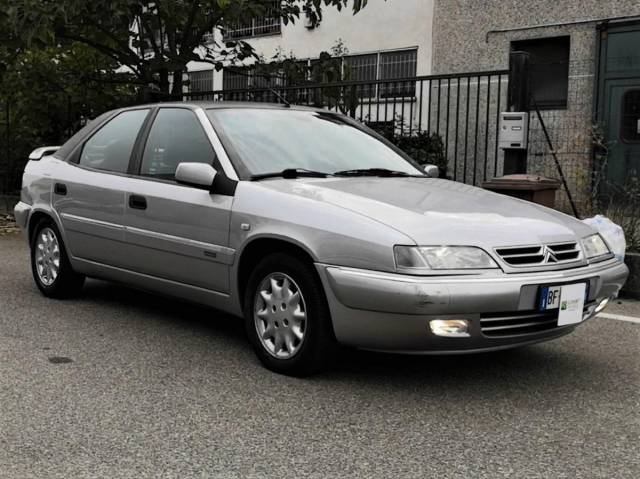
1999 | Citroën Xantia 3.0i V6
Citroen Xantia 3.0i V6 24V Automatica Exclusive

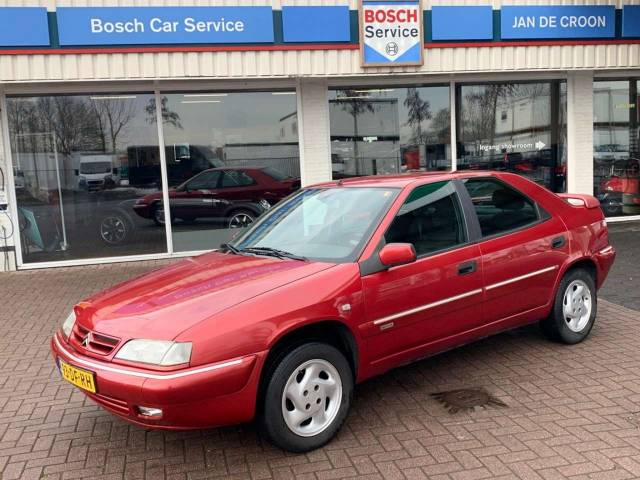
1999 | Citroën Xantia 2.0i
Citroen Xantia 2.0 TURBO C.T. ACTIVA NL-auto APK 10-2021 #RIJKLAA

Create search alert
Let yourself be notified as soon as a listing is published that matches your search filters.
Create listing
Do you have a Citroën Xantia that you want to sell? Then create a listing now.
Create listingCitroën Xantia Classic Cars: Prices & Market Values
History and Introduction – The Citroën Xantia
Unveiled to the press in December 1992, the Citroën Xantia marked Citroën's entry into a new era of family cars. Developed as a successor to the BX, the Xantia was designed by the renowned Italian studio Bertone and therefore carries a distinctive blend of Gallic charm and Italian edge. Citroën produced the Xantia at the Rennes plant in France from 1992 until 2001, offering a blend of advanced technology and comfort. The Xantia incorporates the famous Citroën hydropneumatic suspension, enhancing the marque’s reputation for producing technologically bold and comfortable cars. In 1997, Citroën refreshed the model with a comprehensive facelift and updates focused on comfort and reliability. Throughout its production, the Xantia represented forward-thinking engineering and asserted Citroën’s identity in the mid-size vehicle segment.
Model history
The Xantia replaced the Citroën BX and, after 2001, made way for the Citroën C5 in Citroën's mid-size model range. The early Xantia (1992–1997) came in multiple petrol and diesel variants, with the hydropneumatic suspension as standard. The 1997 facelift (commonly called Xantia II) brought enhancements in electronics, comfort, and safety, with options such as automatic climate control and heated seats. The Xantia Activa, introduced in 1994, was a technological highlight with its active roll control system. Among the most sought-after versions are the 3.0 V6 and the 2.1 Turbo Diesel. The model timeline reflects Citroën’s commitment to technical evolution, comfort, and unique French design, with later models being noticeably more reliable, especially in electronic systems.
Highlights and Unique Features
The Xantia set itself apart with Citroën’s patented hydropneumatic suspension, which flattened rough roads and delivered a ride comfort level only matched by the marque’s own flagship models. The Activa system—a world first—minimised body roll in corners, enabling the Xantia Activa to achieve impressive lateral acceleration figures for its time. Features such as electrically adjustable leather seats, heated front seats, automatic air conditioning, integrated headrests, and original aluminium wheels set higher-spec Xantia models apart from mainstream competitors. Optional equipment included sunblinds, a rear window roller blind, a CD changer, and parking sensors. Diesel and petrol engines covered a wide performance range, from the durable 2.1 TD to the sporty 3.0 V6. For originality, the Xantia also offered a preserved underbody as a factory option. This combination of distinctive suspension, broad equipment options, and styling ensured the Xantia stood out on the classic car market.
Technical data
Special Editions and Collectible Models
The Xantia Activa is the technical flagship, introducing the active anti-roll system (SC.CAR). The Activa V6, with its 190 hp 3.0-litre engine and 230 km/h top speed, is particularly rare, with very few units surviving today. Special trim packages included exclusive interior fabrics, full leather interiors with electric adjustment and memory, as well as rare exterior colours. Early Series II models after the 1997 facelift are also collectable due to their improved electronic reliability and better-equipped specifies.
Weak Spots and Common Issues
The Xantia is admired for its complex hydropneumatic suspension, but this is a frequent source of issues: leaks in hydraulic lines and spheres can result in pressure loss and a harsh ride. The Activa’s additional components require close scrutiny. Early-model electronics (before 1998) are prone to recurring faults, from windows to central locking, while ignition coils and relays can suffer in both petrol and diesel versions. Rust can develop on wheel arches, sills, and underbodies, especially if the car was not delivered with the preserved underbody option. The automatic transmission (mainly ZF 4HP20) is under strain in V6 models and is costly to repair. Suspension components and door mechanisms are wear-prone. On the mechanical side, failing to replace the timing belt in V6 models is a known reason for engine damage. For all variants, regular maintenance of the LHM hydraulic fluid, careful attention to electronics, and timely service interventions are vital for reliability.
Engine and Performance, Transmission and Handling
The Xantia’s breadth of engine choices ranges from economical 1.6L petrol units up to the potent 3.0L V6. The highlight is the Xantia Activa, known for its ability to corner flat even at high speeds due to the patented active suspension. Lateral acceleration figures for the Activa were the best internationally for years among production cars. Diesel models like the 2.1 TD offer long-distance reliability, while the V6 delivers 230 km/h top speed. The five-speed manual is robust and allows direct, precise shifting. The ZF 4HP20 automatic, while smooth, can be a liability in older examples with high mileage. Overall, the Xantia combines French comfort with advanced chassis engineering, resulting in a unique blend of comfort and engagement. - Citroën Xantia Activa 3.0 V6: 190 hp, top speed 230 km/h, advanced active roll control
- Citroën Xantia 2.1 Turbo Diesel: Renowned for longevity and low fuel consumption
- Xantia II (Facelift, post-1997): Enhanced comfort, reliability, and electronic systems
Interior, Comfort, Exterior and Design
The Xantia, styled by Bertone, features a distinct exterior with sharp lines, integrated bumpers, and the characteristic Citroën silhouette. Inside, the Xantia offers spaciousness paired with a dashboard focused on the driver, high-quality seat upholstery—available in leather in some models—and details such as electrical seat adjustment and foldable rear armrests. Typical French attention to comfort is evident in long-travel seats, effective air conditioning, and extensive sound insulation. Trim choices vary from basic textile to full leather, with electric windows as standard on higher trims. Options included original alloy wheels, factory-fitted rear sunblinds, and comprehensive audio equipment. The Activa models carry subtle but purposeful visual cues, such as different wheels and discreet badging. Special exterior colours from the era complement the car’s expressive personality.
Other Features
Factory-preserved underbodies made some Xantia models better suited to withstand rust. The large, variable boot volume and modular rear seats ensure high usability. Historically, original parts availability varies—with hydropneumatic and certain body parts increasingly rare. Thanks to its technical features and rarity, the Xantia is also suitable for display at car shows and in private collections.
Summary
The Citroën Xantia occupies a singular position in classic vehicle circles: a car defined by its hydropneumatic comfort, technical ingenuity, and unique driving experience. With spectrum from everyday usability (diesel and lower-spec petrol models) to rare collector value (Activa V6), it holds enduring appeal for enthusiasts who appreciate mechanical sophistication and comfort in equal measure. Maintenance attention is paramount, but in return, the Xantia rewards with singular engineering and unmistakable Citroën character.