Cadillac V16 classic cars for sale
The Cadillac V16 stands as Cadillac’s most exclusive series ever built, renowned for its 16-cylinder engineering and bespoke luxury from 1930–1940. Each of the limited 4,076 vehicles was individually commissioned, setting a new benchmark in American motoring history and engineering ambition.
Search results
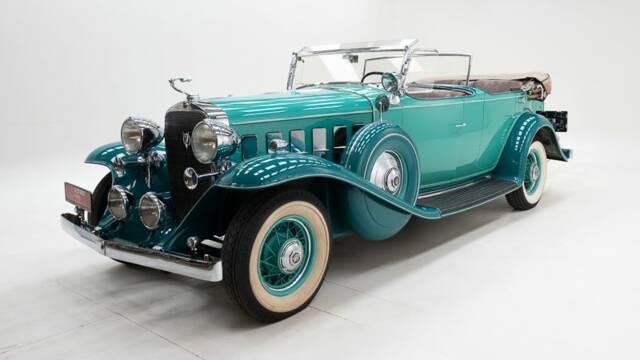
1932 | Cadillac V16 452 Dual Cowl Phaeton
1932 Cadillac Phaeton 370 B V12 '32

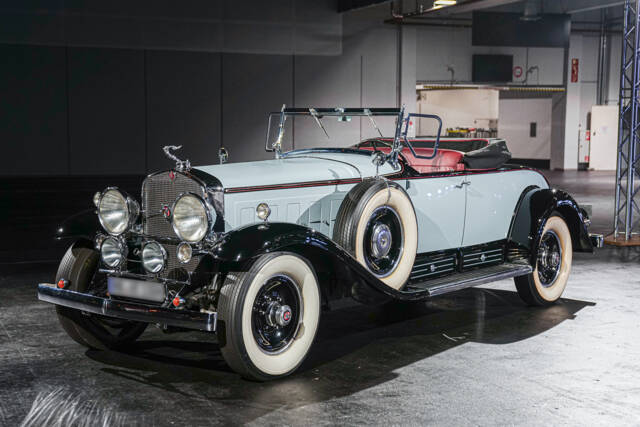
1930 | Cadillac V16 452 Dual Cowl Phaeton
Cadillac V16 vom Gouverneur von Gibraltar

Cadillac V16 listing references from Classic Trader
Below you will find listings related to your search that are no longer available on Classic Trader. Use this information to gain insight into availability, value trends, and current pricing for a "Cadillac V16" to make a more informed purchasing decision.
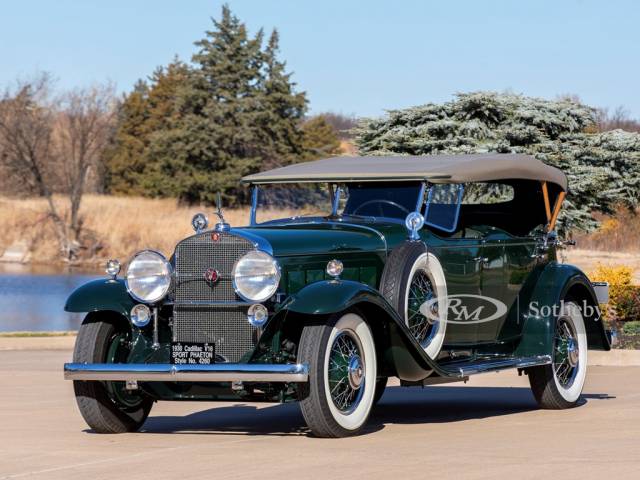
1930 | Cadillac V16 452 Dual Cowl Phaeton
1930 Cadillac V-16 Sport Phaeton by Fleetwood

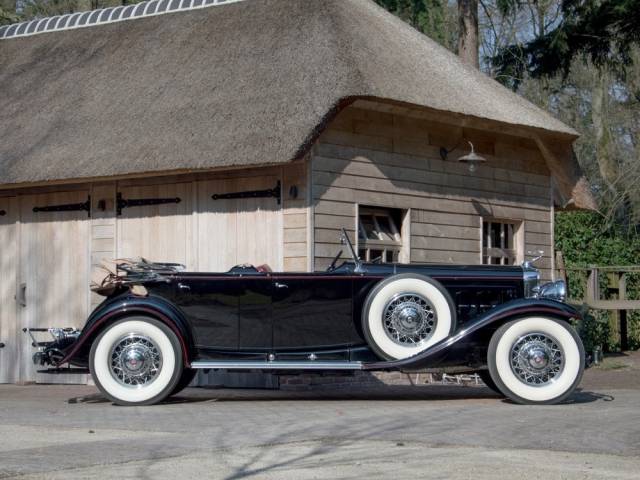
1930 | Cadillac V16 452 Dual Cowl Phaeton
Cadillac V16

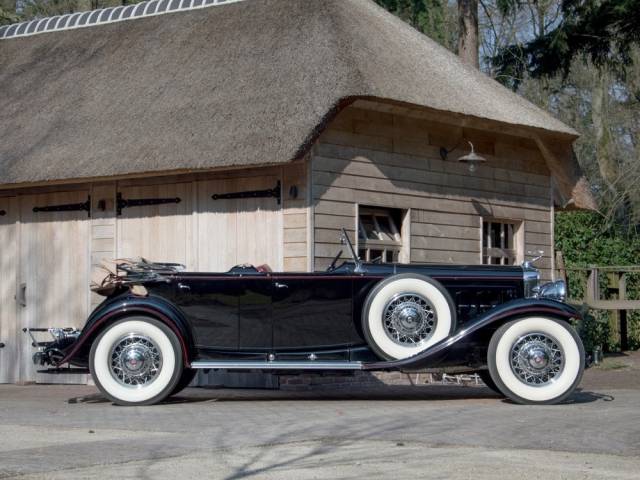
1930 | Cadillac V16 452 Dual Cowl Phaeton
A car that is considered to be the pinnacle of cars from that time.
Cadillac V16 Classic Cars: Prices & Market Values
History of the Cadillac V16
Announced in January 1930, the Cadillac V16 was the United States' first production car powered by a sixteen-cylinder engine. It entered the market at the dawn of the Great Depression, a period notorious for economic uncertainty, making the V16's launch especially audacious. Developed at a time when Cadillac aimed to deliver the most technically advanced and refined luxury automobile, the V16 was intended to attract a wealthy clientele keen on innovation and opulence. Each chassis was handmade and delivered for custom finishing by specialist coachbuilders. Despite strong initial interest and prestige, production numbers dwindled rapidly due to the economic downturn and the growing global conflict of World War II. By the end of its production in 1940, only 4,076 V16s had been produced.
Model History
The Cadillac V16, also known as Series 452, was introduced as Cadillac's flagship model, pioneering the multi-cylinder luxury market. There was no direct predecessor; its engineering leapfrogged the existing Cadillac V8s. Throughout its lifespan, the V16 received incremental improvements, including a transition from upright to streamlined bodywork and upgrades like all-steel roofs and hydraulic brakes. Notably, the final major technical update was the shift to the quieter Series 90 engine. Production ceased in 1940 without a direct successor, although its spirit lived on in later concept cars, such as the 2003 Cadillac Sixteen, which borrowed both technical and design cues from the original.
Highlights of the Cadillac V16
The V16 was known for its virtually silent engine, exceptional smoothness, and almost total absence of vibration. Each car was a one-off piece, often featuring completely bespoke interiors, unique exterior details, and even hand-stitched seat designs. The V16’s technological excellence included precision engineering of mechanical components and meticulous hand assembly. At launch, the price tag regularly exceeded that of the average house—a striking indicator of its exclusivity and ambition. From a supply and demand perspective, the Cadillac V16 Series 452 holds an exceptional position: our data shows that 100% of Cadillac V16 listings and views relate exclusively to the Series 452. This underlines both the uniqueness and focused interest on this model within the Cadillac marque.
Technical Data
Special Editions and Collectible Models
Due to the bespoke nature of each Cadillac V16, almost every car was essentially a special edition. Notable examples feature famous coachbuilders including Fleetwood and Fisher, supplying unique configurations and appointments such as formal limousines, roadsters, and convertibles. One-off commissions with personalised bodywork, special paint finishes, and unique accessories abound, making each V16 a potential collector’s centrepiece.
Weak Spots and Common Issues
No known common issues are specifically documented for the Cadillac V16 across available data. However, as with any hand-built classic, the complexity of the V16’s powertrain and bespoke coachwork may present challenges in sourcing authentic replacement parts and require specialist knowledge for proper servicing. High attention should be paid to the originality and condition of mechanical and trim components when assessing an example for purchase.
Engine and Performance, Transmission and Handling
The Cadillac V16’s 7.4-litre engine delivered extraordinary smoothness and quietness for its era, offering torque-rich performance capable of moving significant weight with ease. The 3-speed manual transmission was designed to handle the engine’s prodigious output smoothly. Updates like hydraulic brakes enhanced driver confidence and braking power. Although performance figures weren’t the selling point, contemporary reports frequently praised its refined ride quality and comfort on long journeys, true to the expectations of a flagship American luxury saloon. - 1930 Cadillac V16 Roadster: Noted for its open-top elegance and custom Fleetwood coachwork.
- 1934 Cadillac V16 Town Sedan: Featuring aerodynamic styling from the streamlined mid-1930s redesign, it showed Cadillac’s adaptability to changing tastes.
- 1938 Cadillac V16 Limousine: The epitome of chauffeured luxury with extensive interior appointments and enhancements in silence and comfort.
Interior, Comfort, Exterior and Design
Design credits go to Cadillac’s in-house teams and renowned coachbuilders Fleetwood and Fisher, who supplied both bodies and interiors. Clients could choose from a vast palette of colours and trim materials. Notable options included hand-stitched mohair, exotic woods, custom dashboards, and needlepoint cushions. Externally, models could be seen with elaborate chrome work, dual spare tyres mounted in fenders, and striking grilles that set the V16 apart visually from any competitor. Accessories frequently included fitted luggage, rear passenger curtains, cigar lighters, and built-in clocks. Factory and coachbuilt options were virtually unlimited, ensuring each V16 could be tailored precisely to an owner’s preferences.
Other Noteworthy Features
Each Cadillac V16 was individually crafted, effectively ensuring no two vehicles were identical. The custom bodywork, tailored mechanicals, and dedication to client personalisation represented the ultimate in pre-war American luxury automotive manufacturing. Concepts like the 2003 Cadillac Sixteen pay homage to the technological and stylistic innovations introduced with the original V16.
Summary
The Cadillac V16 remains a showcase of prewar American luxury and engineering, with its limited production run, hand-built construction, and technical ambition placing it in a unique class. Every example is a distinct piece of automotive history, maintained by collectors who value originality, engineering innovation, and the uncompromising standards that defined Cadillac’s pursuit of excellence with the V16 series.