Cadillac Seville: Classic Cars for Sale
The Cadillac Seville stands for American luxury in a manageable format, combining elegant design, technical innovation and a level of comfort that is seldom matched in its segment. Comfort features, V8 engines, and a reputation for relaxed, reliable cruising over long distances make this Cadillac a unique highlight among classic cars.
Search results
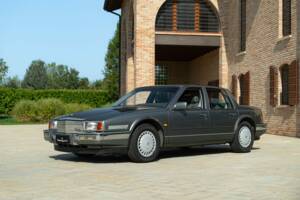
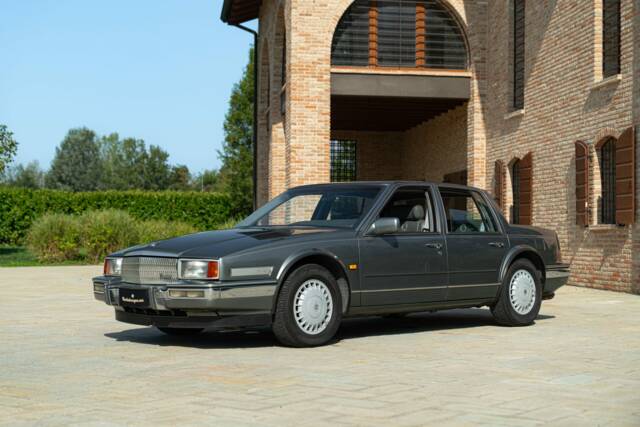
1988 | Cadillac Seville
Cadillac SEVILLE 4.5 V8

Cadillac Seville listing references from Classic Trader
Below you will find listings related to your search that are no longer available on Classic Trader. Use this information to gain insight into availability, value trends, and current pricing for a "Cadillac Seville" to make a more informed purchasing decision.
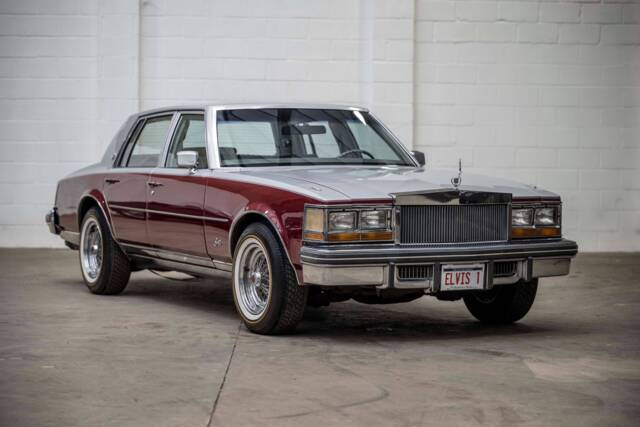
1977 | Cadillac Seville
Elvis' last Car - He drove it the night before he Passed

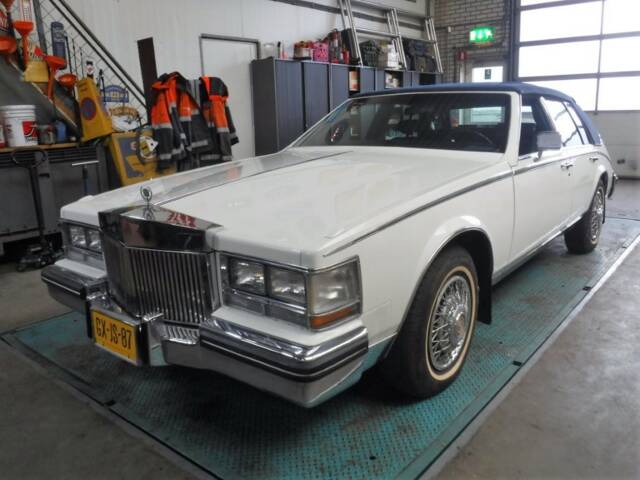
1985 | Cadillac Seville Sedan 4.1L
Cadillac-Seville 1985

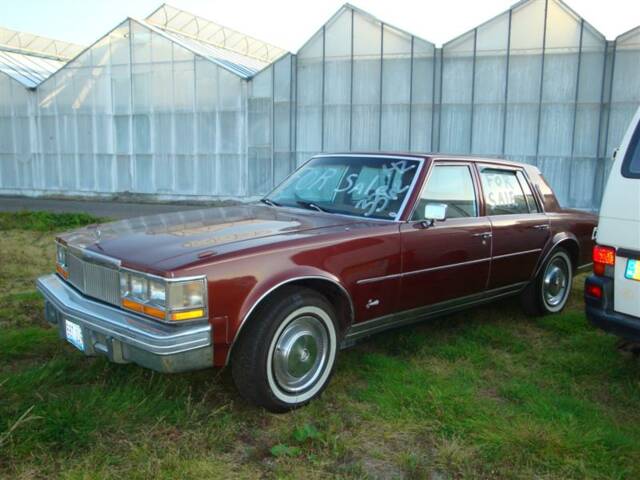
1979 | Cadillac Seville Sedan 6.0L
Cadillac-Seville 1979
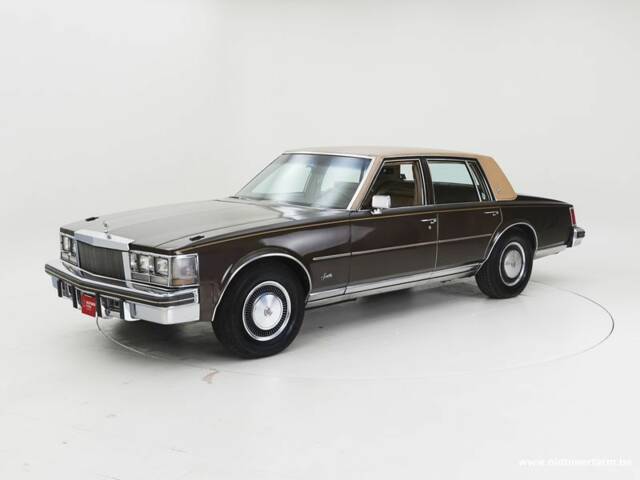
1977 | Cadillac Seville
1977 Cadillac Seville '77

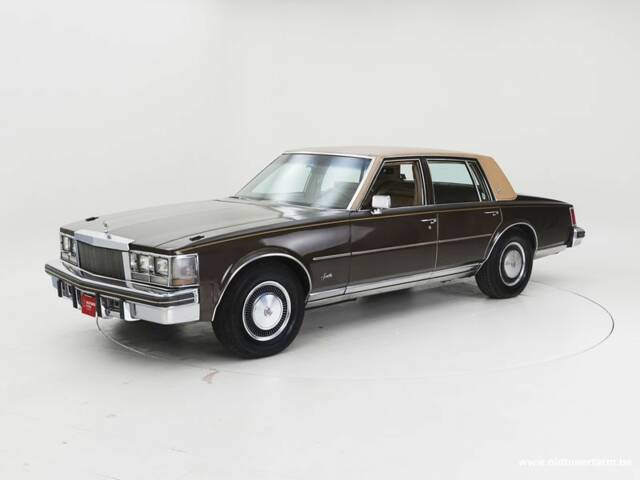
1977 | Cadillac Seville
1977 Cadillac Seville '77 *PUSAC*
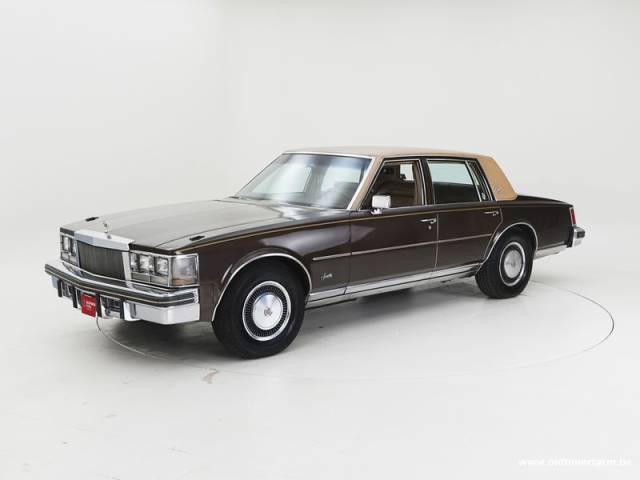
1977 | Cadillac Seville
1977 Cadillac Seville '77
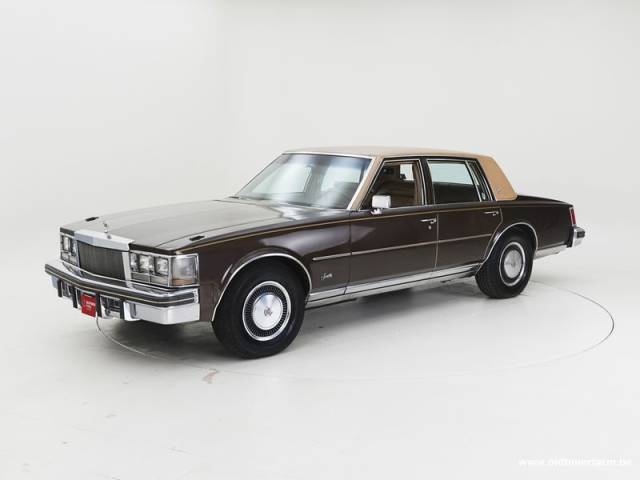
1977 | Cadillac Seville
1977 Cadillac Seville '77
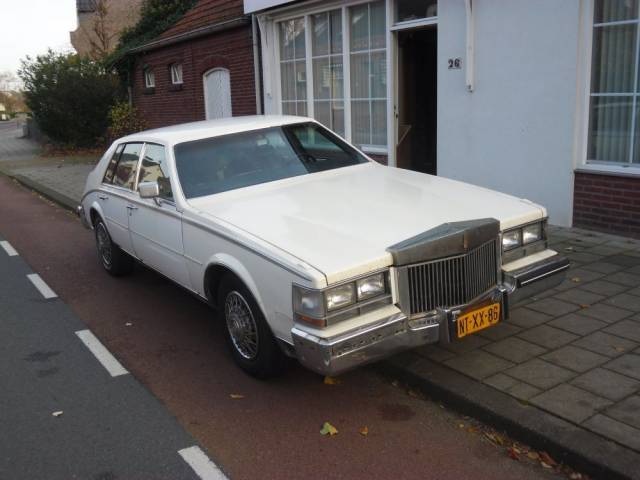
1984 | Cadillac Seville Sedan 4.1L
4,1ltr V8 with fuel injection 135pk
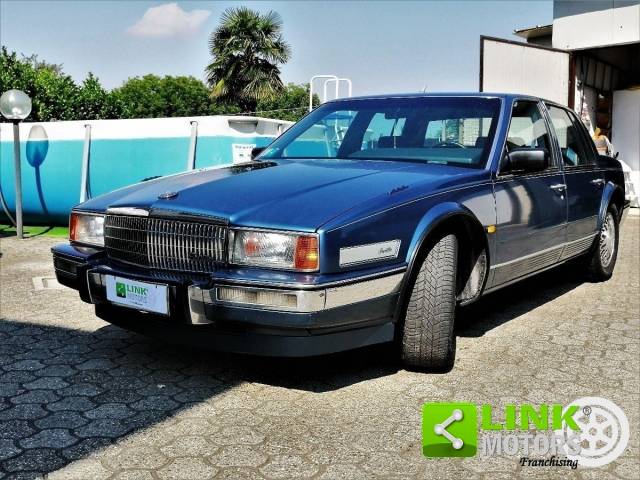
1990 | Cadillac Seville
Cadillac Seville 4.5 l V8.
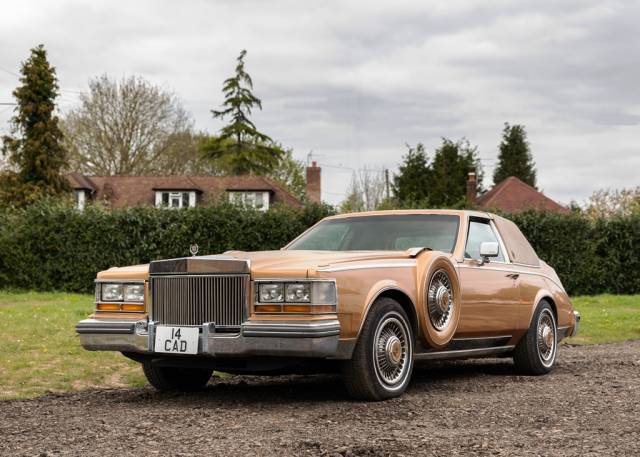
1981 | Cadillac Seville Diesel
Cadillac Seville
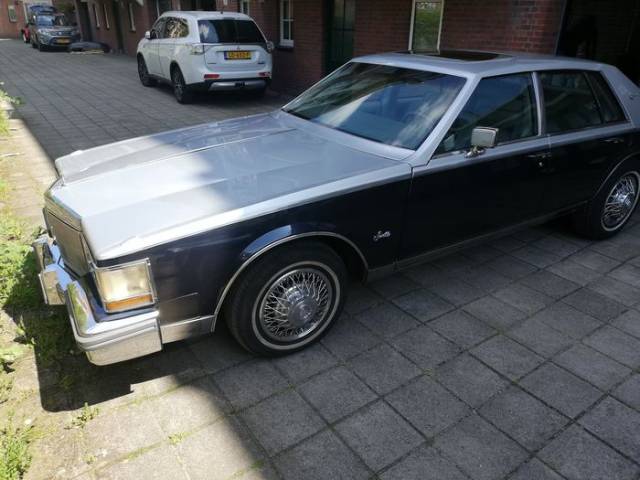
1979 | Cadillac Seville Sedan 6.0L
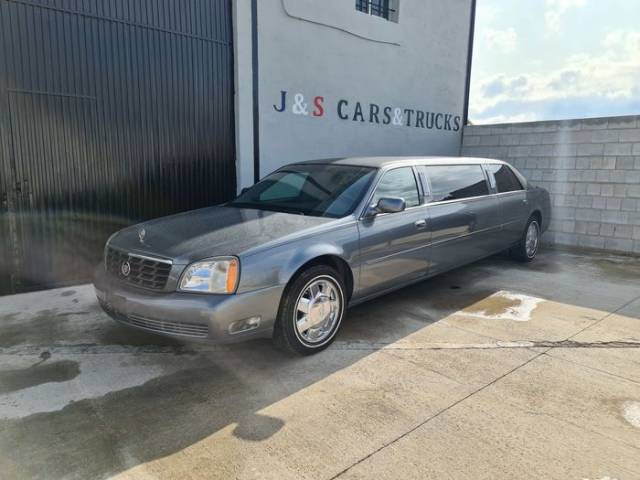
2004 | Cadillac Seville STS
Cadillac Seville Classic Cars: Prices & Market Values
The market value of Cadillac Seville classic cars is primarily determined by the specific manufacturer code and variant, as well as technical condition, originality and mileage. Additional factors include rarity, history and documentation. A well-maintained, largely original vehicle with low, verifiable mileage and complete history including appraisals and documentation typically achieves significantly higher prices than a comparable vehicle with deferred maintenance, many modifications or unclear provenance.
Cadillac Seville: Market Prices & Value Trends
Based on sales data from the Classic Trader marketplace, Cadillac Seville pricing in Europe has been broadly stable over the last five years (March 2021 to March 2025), with most activity centred on late-1970s cars. Excluding an obvious outlier £100 entry from the UK (likely an error or non-comparable record), the market typically sits in the mid four-figure to low five-figure bracket. Across the dataset, realistic asking levels for the category generally fall around £6,500–£12,500, depending on condition, originality and specification. Standard 1976–1978 Sevilles commonly appear near the £8,000–£11,500 range, while rarer coachbuilt-style variants such as the 1979 Seville Milan Roadster are shown at the upper end (around £12,000–£13,000). Later models (notably 1990s and early-2000s STS/SLS examples) tend to trade lower, often in the £4,500–£9,000 area, reflecting their more modern “used classic” positioning. Overall, the data suggests steady demand for well-presented early cars rather than rapid appreciation.
History of the Cadillac Seville
The Cadillac Seville began production in 1975, developed as a reaction to the rising demand in the US for more compact luxury cars following the oil crisis. Unlike the oversized DeVille models, the Seville embodied a new philosophy of luxury: smaller dimensions, yet a higher entry price and a focus on premium features. The first generation debuted with a 5.7-litre Oldsmobile V8 equipped with Bosch fuel injection—a technical standout for its era. From 1978, buyers could also opt for a diesel engine, though this variant gained notoriety due to early drivetrain problems and resulting recalls for comprehensive reworking. The Seville’s lines broke with tradition: straightforward and uncluttered, distancing itself visually from its predecessors. Over nearly three decades, the Seville adapted to changing market needs, establishing itself as a fixture in Cadillac’s luxury offering until it was replaced by the STS in 2004.
Model Series History
Throughout its life, the Seville evolved through five generations. The first (1975-1979) was rear-wheel drive with a distinct angular design, while the second series (1980-1985) switched to front-wheel drive and brought innovations such as four-speed automatics and electrically adjustable seats with memory. The engine output reduced over this phase due to stricter emission regulations. In 1986, the third generation arrived with a transverse V8 and was the first production car with an integrated onboard computer, followed by the influential Seville Touring Sedan (1988). The fourth series (1992-1997) and fifth (1998-2004) continued the luxury tradition, refining the formula without losing the model’s unique character.
Highlights of the Cadillac Seville
A Cadillac Seville instantly catches the eye with chromed bumpers and trim, a vinyl roof and woods-and-leather interior composition. Standout features across generations include electrically adjustable and heated comfort seats, automatic climate control, in-car computer systems—at their time a genuine innovation—and, on later models, Alpine Audio. The Seville’s combination of substantial comfort equipment and advanced technology for its time (such as memory seat position or a programmable trip computer) ensured its role as a luxury benchmark. Options included rare two-tone paintwork and exclusive leather trims.
Technical Data
Special Editions and Collectible Models
Among notable special editions, the Cadillac Seville Elegante stands out, introduced in 1978 with full option packages and distinctive two-tone paint. Later, the Seville Touring Sedan (STS) offered sportier tuning and high-grade leather upholstery, appealing especially to European-inspired tastes. Some vehicles feature ASI certification, marking them for their historical significance. Custom Body editions, sometimes built by Fisher, boasted an extra level of interior luxury and attention to detail.
Weak Spots and Common Issues
While Seville models are often found in well-preserved, rust-free condition, it is not uncommon for older vehicles to display minor, age-related rust spots. Early diesel engines, particularly those in late 1970s vehicles, were prone to drivetrain issues leading to large recall campaigns. Several vehicles now available on the market offer documented maintenance histories and original, unrestored configurations, a valuable consideration for collectors seeking authenticity.
Engine, Performance, Transmission and Handling
From the outset, the Seville combined American soft suspension comfort with reasonably agile handling, especially by US standards of the 1970s and 1980s. Early Seville generations were powered by Oldsmobile V8s or, from 1978, an optional diesel. Later years saw the adoption of the Northstar V8 system. Cruising over 1,000 km in a day is reported as effortless, with automatic gearboxes standard and a driving experience tuned for relaxed, long-distance comfort. Popular variants include the first-generation Seville with its innovative Bosch fuel injection, the mid-1980s STS, and later SLS models sporting the Northstar V8s. All are lauded for their blend of American comfort and technical features like electronically controlled air conditioning and full electric seat adjustment.
Interior, Comfort, Exterior and Design
At launch, the Seville introduced a new linear, minimalistic design vocabulary to Cadillac. Prominent lines, upright front, and imposing chrome grille defined the exterior while the interior relied on luxury touches: leather and wood trim, electric seats, power windows and, in some models, a plush vinyl roof. Later generations expanded these with options like unique colour combinations, full climate control, Alpine audio, heated seats with memory and even interior-computer systems controlling vehicle functions. Details like the signature vinyl roof, chrome accents and optional ASI-certified originality make Seville models highly recognisable.
Other Features
Features such as the interchangeable speedometer (from miles to kilometres), documented maintenance (including service record and original keys), and a high frequency of non-smoking, garage-kept vehicles distinguish many Seville models. The possibility for historical registration based on vehicle documentation, as well as well-preserved, original condition cars, appeals to serious enthusiasts.
Summary
The Cadillac Seville is a benchmark among classic American luxury sedans, offering a combination of elegant design, technical progressiveness and day-to-day usability rarely found in this segment. Our marketplace statistics confirm the model’s dominant presence and attention among enthusiasts. Those seeking an American classic with real luxury DNA and long-distance comfort should consider the Seville as a serious prospect.