Cadillac Series 61 classic cars for sale
The Cadillac Series 61 brought American luxury to a wider audience from 1939 to 1951, combining the elegance and comfort expected of the brand with distinctive design elements and engineering innovations that set it apart in its era.
Search results
Currently, there are no matching listings for your search.
Create search alert
Let yourself be notified as soon as a listing is published that matches your search filters.
Create listing
Do you have a Cadillac Series 61 that you want to sell? Then create a listing now.
Create listingCadillac Series 61 listing references from Classic Trader
Below you will find listings related to your search that are no longer available on Classic Trader. Use this information to gain insight into availability, value trends, and current pricing for a "Cadillac Series 61" to make a more informed purchasing decision.
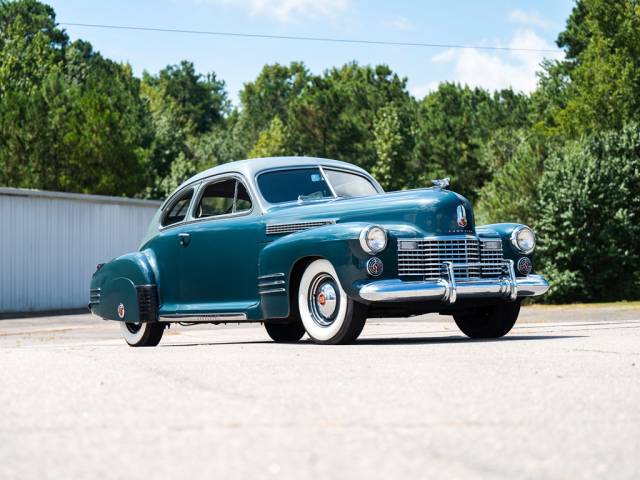
1941 | Cadillac 61 Coupe
1941 Cadillac Series 61 Coupe

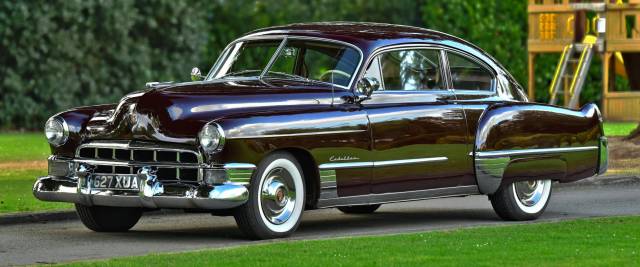
1949 | Cadillac 61 Coupe
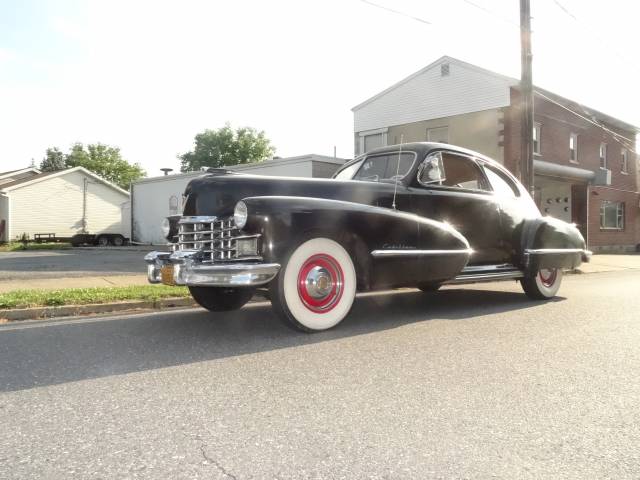
1947 | Cadillac 61 Coupe

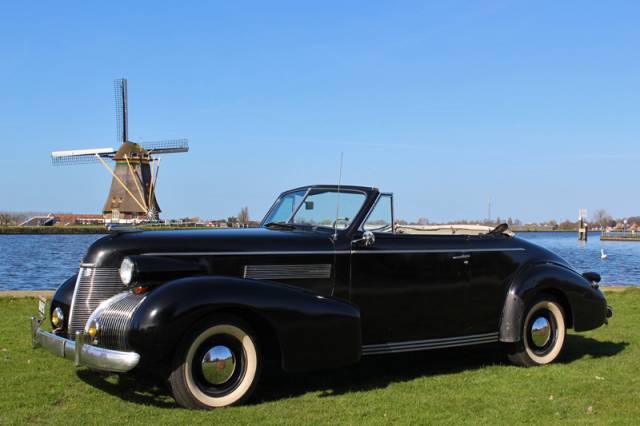
1939 | Cadillac 61 Convertible
Patina, Original & Unrestored Cosmetically, 100% Restored Mechanically!

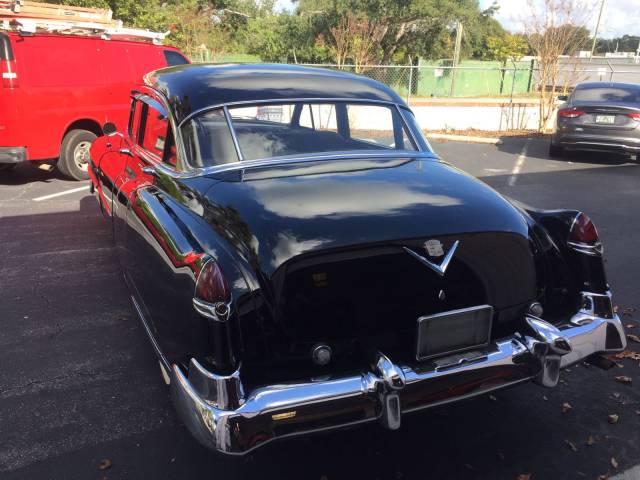
1950 | Cadillac 61 Touring Sedan
Cadillac Sedan-De-Ville
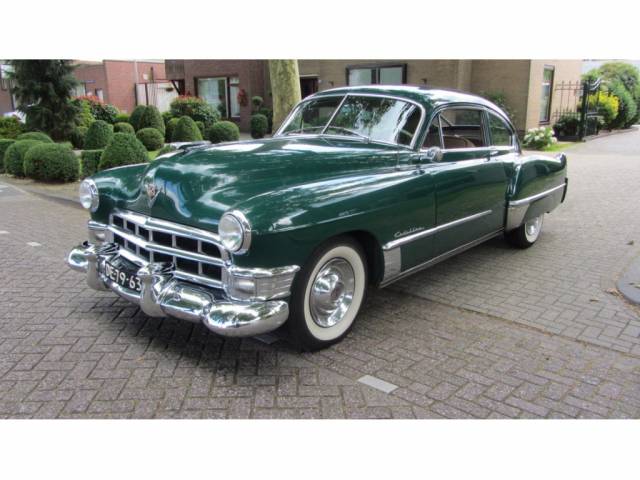
1949 | Cadillac 61 Coupe
Cadillac Fastback Sixti-One Sedanette (Clup Coupe)
Create search alert
Let yourself be notified as soon as a listing is published that matches your search filters.
Create listing
Do you have a Cadillac Series 61 that you want to sell? Then create a listing now.
Create listingCadillac Series 61 Classic Cars: Prices & Market Values
History of the Cadillac Series 61
Introduced in 1939, the Cadillac Series 61 was conceived as a more accessible luxury car within Cadillac’s portfolio, positioned just below the chauffeur-driven models like the Fleetwood Series 75. This model line emerged as a replacement for the discontinued LaSalle Series 50 and represented Cadillac’s response to demand for owner-driven luxury cars. The Series 61 was suspended during the war years (1943–1945), but quickly returned to serve as the entry-level Cadillac until 1951. Its sole purpose was to deliver Cadillac quality, prestige, and style without the need for a private driver, making it popular among upwardly-mobile buyers of its time.
Model History
The first generation, hitting the market in 1939, arrived as both 2-door and 4-door models featuring the robust L-head V8 engine. Major design revisions under Harley Earl in 1941 introduced integrated headlamps, broad horizontal grilles, and a forward-opening bonnet—elements that set a new stylistic standard for the marque. The signature tailfins arrived in postwar models, inspired by the Lockheed P-38 Lightning aircraft, while the 1948–1949 update brought a shorter wheelbase and smoother, more modern contours. The series benefited from mechanical advancements as well, notably with the introduction of Cadillac’s overhead valve V8 in 1949, leading up to the final model year in 1951 before being replaced by the Series 62 and later Calais and DeVille.
Highlights and Key Features
The Series 61 consistently set itself apart with technical refinements and unique styling. Key 1941 updates included headlamps fully integrated into the front wings, a concealed fuel filler cap within the taillight, sweeping chrome lines, and a wide horizontal grille. The dash design incorporated the 'rainbow' style leather grain, while successive generations saw further design flourishes such as sombrero wheel covers and distinctive tailfin designs. Cadillac built the Series 61 exclusively with the renowned V8, known for its smoothness, power (135–160 hp across the years), and whisper-quiet operation. These engineering and design features helped the Series 61 achieve excellent comfort and handling qualities that hold up well to this day.
Technical Data
Special Editions and Collectible Models
Throughout its production, the Series 61 saw several iterations notable for limited numbers or unique styling cues. Notably, the 1939 coupe version—with only 1,023 units built—stands as a rarity today, valued highly by collectors. Post-war models with the P-38-inspired tailfins or factory-fitted Hydramatic automatic transmissions also attract significant interest among aficionados.
Weak Spots and Common Issues
No model-specific weak spots are reported here. As with all pre- and immediate postwar American luxury cars, buyers should pay specific attention to the integrity of bodywork, the operation of hydraulic systems (especially brakes and suspension), and possible wear in early Hydramatic transmissions if present.
Engine, Performance, Transmission and Handling
The Series 61’s hallmark was its V8, which consistently delivered full-bodied torque and refined operation. The pre-1949 L-head offered up to 150 hp; the 1949 OHV V8 improved this to 160 hp and brought gains in responsiveness and fuel efficiency. Most models came with a three-speed manual, while the later inclusion of the Hydramatic automatic made for smoother city driving. Notably, the Series 61 was acclaimed for its ride comfort—owing to the supple suspension and Cadillac's approach to luxury motoring of the era. - 1939 Cadillac Series 61 Coupe: Notable for its rarity.
- 1941 Series 61: Celebrated for Harley Earl’s design overhaul and technical advancements.
- 1949 Series 61: Recognised for introducing the revolutionary OHV V8.
Interior, Comfort, Exterior and Design
Harley Earl’s influence is unmistakable on the Series 61 with its sweeping fender lines, integrated headlamps, and evolving signature Cadillac tailfins. Chrome accents dominate exterior trim, especially on postwar examples. Detailing ranges from concealed fuel filler caps to sombrero wheel covers and unique 'egg crate' grilles. Inside, the Series 61 typically featured high-quality leathers, a striking dashboard with instrument clusters, and attention to passenger comfort, though less ornate than higher-tier Cadillacs. Popular factory options included radios, heating systems, and power windows in the later years.
Other Relevant Features
Design inspired by aviation—the tailfins directly referencing the Lockheed P-38—became an enduring Cadillac design motif born with the Series 61. The model is often cited as Cadillac’s first true owner-driver car, blending luxury with practicality in an era dominated by chauffeur-driven vehicles.
Summary
The Cadillac Series 61 defined accessible American luxury between 1939 and 1951. Praised for its forward-thinking design under Harley Earl, robust V8 performance, and blend of comfort and innovation, the Series 61 offered an unmatched ownership experience for its era. Today, these cars are sought out for their engineering pedigree, style, and pivotal role in shaping postwar Cadillac identity.