Buick Series 60 classic cars for sale
The Buick Series 60 represents the American upper class of the 1930s and 1940s, combining innovative mechanics such as the straight-eight valve-in-head engine and high-quality design features, including rare coupe models with rumble seats. Among collectors, the Series 60 is known for its mechanical robustness and distinct bodywork options, making it a sought-after piece of automotive heritage.
Search results
Currently, there are no matching listings for your search.
Create search alert
Let yourself be notified as soon as a listing is published that matches your search filters.
Create listing
Do you have a Buick Series 60 that you want to sell? Then create a listing now.
Create listingBuick Series 60 listing references from Classic Trader
Below you will find listings related to your search that are no longer available on Classic Trader. Use this information to gain insight into availability, value trends, and current pricing for a "Buick Series 60" to make a more informed purchasing decision.
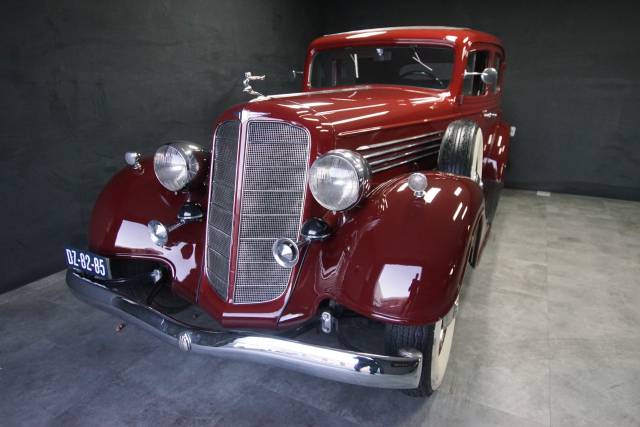
1935 | Buick Club Sedan
Buick Series 60 Club Sedan DUTCH REGISTRATION!

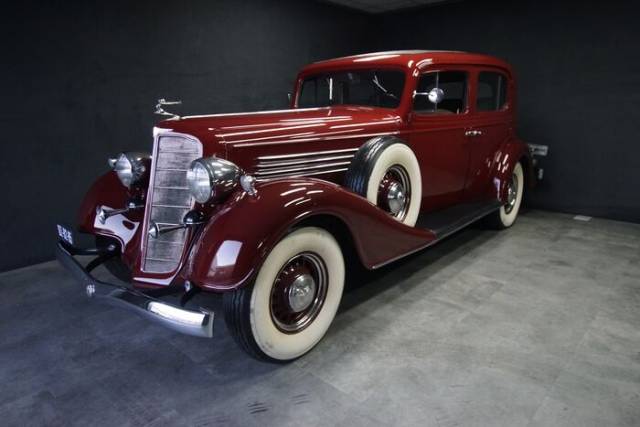
1935 | Buick Model 67
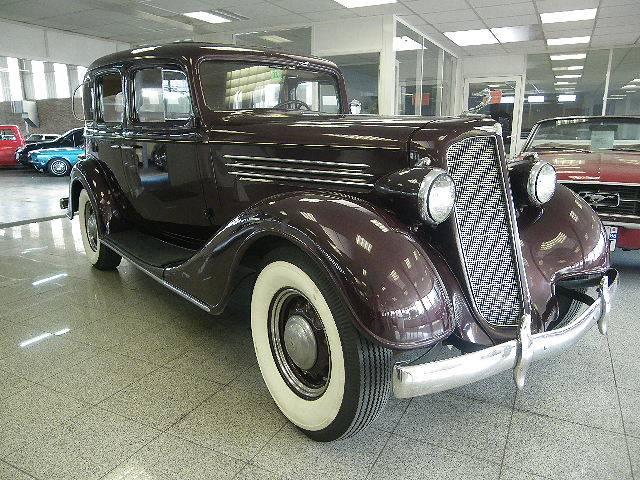
1934 | Buick Club Sedan
Beautifull Buick Sedan

Create search alert
Let yourself be notified as soon as a listing is published that matches your search filters.
Create listing
Do you have a Buick Series 60 that you want to sell? Then create a listing now.
Create listingBuick Series 60 Classic Cars: Prices & Market Values
History of the Buick Series 60
The Buick Series 60 debuted in 1930 as Buick’s top-of-the-line offering, fitted with a newly developed six-cylinder engine producing 99 hp from 5,431 cc. This initial version offered a uniform wheelbase of 3,353 mm and several body types, such as touring cars, roadsters, saloons, and coupés. In its single production year, 38,180 units left the factory. The second generation (1931–1932) switched to a straight-eight engine (4,467 cc, 90 hp), dramatically increasing production numbers to 55,135 cars. With the third generation (1933–1935), the straight-eight engine was upgraded in 1934 to 100 hp, and the visual impression leaned more towards the sporty segment thanks to revised bodywork. Throughout its production cycles, the Series 60 adapted to contemporary tastes, introducing more luxurious and powerful variants before production ended in 1958 after 447,024 vehicles built.
Model History
The first Buick Series 60 was produced in 1930, marking a new technical standard within the Buick lineup. Succeeding the earlier, simpler models, the Series 60 offered a higher level of refinement. A notable change came in 1931 when Buick phased out the six-cylinder in favour of the inline eight, which became a hallmark for the brand. From 1933 on, frame construction was improved with the X-braced frame, increasing structural rigidity. The Series 60 continued in various forms, culminating in the technologically advanced 1957 models with up to 300 hp, until it was finally succeeded by the Buick Century and, much later, the LaCrosse.
Highlights of the Buick Series 60
One of the standout features of the Buick Series 60 is its robust valve-in-head straight-eight engine, providing a driving experience that matched the luxury aspirations of the era. Special features like the rare Sport Coupe with a rumble seat (an additional external seating area) distinguish certain body variants, while a rear window that could be lowered to allow communication with rear passengers highlights the car’s focus on comfort. Period equipment such as the original valve radio, which is still operational in some surviving examples, also emphasises the technical prowess of the Series 60.
Technical Data
Special Editions and Collectible Models
The 1933 Sport Coupe variant stands out as particularly collectible, with only around one thousand examples produced. The inclusion of a rumble seat and retractable rear window makes it unique among prewar American classics. Later postwar Series 60 models, especially those offered in 1957 with up to 330 hp, have also become especially desirable due to their performance advantages and limited availability.
Weak Spots and Common Issues
No widely documented chronic issues are reported in the available dataset. However, as with many classics of this era, attention should be paid to the condition of bodywork (due to prewar steel quality), the electrical system (especially the original valve radios and wiring), and, for rare variants, the mechanisms of the rumble seat and retractable windows. Parts availability for the straight-eight engines and unique interior fittings may necessitate specialised sourcing. Always inspect the chassis for signs of corrosion, particularly in cars with the X-braced frame structure.
Engine and Performance, Transmission and Handling
The performance spectrum of the Series 60 ranges from the early generation’s 99 hp six-cylinder engine up to the postwar 300+ hp V8 units. The straight-eight engine delivers smooth and refined power, contributing to the car’s reputation as a comfortable tourer rather than a sports vehicle. Transmission was typically a manual gearbox, with later examples benefitting from more advanced mechanisms. Handling improved significantly after the introduction of the X-braced frame, reducing body flex, and increasing driving stability, which was ahead of its time in the early 1930s. - 1933 Sport Coupe (97 hp straight-eight)
- 1957 sedan (V8, up to 300–330 hp)
- Convertible and station wagon configurations from the mid-1950s
Interior, Comfort, Exterior and Design
Body designs vary between stately saloons, rare coupés, convertibles, and station wagons. Special attention to comfort can be seen in the inclusion of the rumble seat and retractable window in the Sport Coupe. Interiors were fitted with features such as original valve radios and high-quality upholstery. Facelifts over the years reflect changes in American automotive aesthetics, from the more ornate chrome-laden designs of the 1930s to the sleeker, more powerful contours of the late 1950s. Buyers value original paint colours, period-correct accessories, and well-preserved dashboard details.
Other relevant features
In addition to its technical and historical value, the Buick Series 60 was an innovation carrier for Buick, regularly debuting new engineering and comfort features before they appeared in the broader GM portfolio. The model’s versatility in terms of body style and equipment options makes each surviving car unique in its individuality.
Summary
The Buick Series 60 stands as a milestone in American car design and engineering, offering a spectrum of configurations from the stately Sport Coupe with its distinctive rumble seat to the high-performance late-1950s saloons. Its significance in Buick history is reflected by both high supply and collector interest today. When well maintained, the Series 60 offers a glimpse into a formative period of automotive innovation and craftsmanship from the pre- and postwar era.