Bugatti Type 50 classic cars for sale
The Bugatti Type 50, produced between 1931 and 1933, stands as a masterpiece of pre-war automotive engineering. Powered by a 5-litre straight-eight with double overhead camshafts, this model was at the technological forefront and catered almost exclusively to wealthy enthusiasts. With only around 65 units ever produced, the Type 50 features unique specifications and bodywork on almost every single vehicle, making each model a distinctive collector’s piece. Its sophisticated chassis, lightweight aluminium wheels and famed dual-tone paintwork defined an era of performance touring cars.
Search results
Currently, there are no matching listings for your search.
Create search alert
Let yourself be notified as soon as a listing is published that matches your search filters.
Create listing
Do you have a Bugatti Type 50 that you want to sell? Then create a listing now.
Create listingBugatti Type 50 listing references from Classic Trader
Below you will find listings related to your search that are no longer available on Classic Trader. Use this information to gain insight into availability, value trends, and current pricing for a "Bugatti Type 50" to make a more informed purchasing decision.
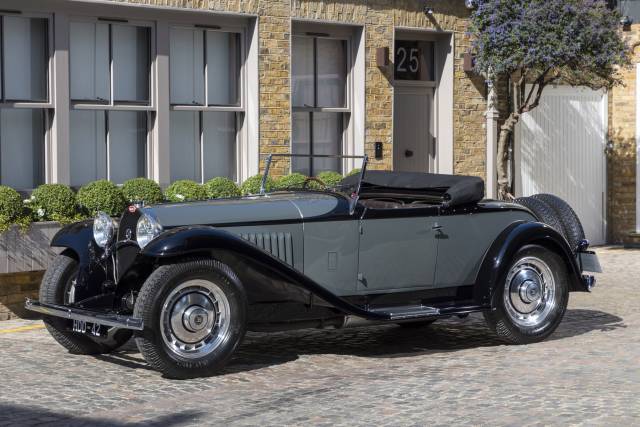
1931 | Bugatti Type 50

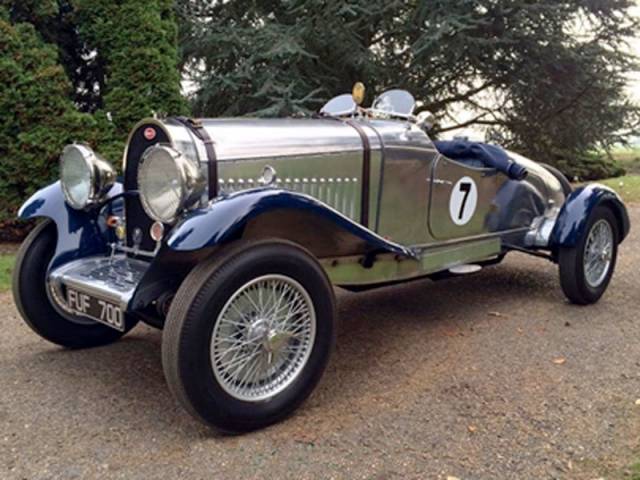
1985 | Bugatti Type 50 GS Replica
Create search alert
Let yourself be notified as soon as a listing is published that matches your search filters.
Create listing
Do you have a Bugatti Type 50 that you want to sell? Then create a listing now.
Create listingBugatti Type 50 Classic Cars: Prices & Market Values
History of the Bugatti Type 50
Under the guidance of Ettore Bugatti, the Type 50 emerged in 1931 as a luxury sports tourer, designed and built in Molsheim, Alsace. This model was born from the need for a high-performance grand tourer, following the Type 46. The Type 50 introduced several technical innovations, most notably a 5-litre straight-eight engine with a DOHC layout, delivering 200 PS. Bugatti constructed the Type 50 chassis in two wheelbase lengths (310 cm and 350 cm). It also featured technological advances such as cast aluminium wheels as standard and finned brake drums for better cooling. Despite its focus on speed and distance, each chassis was tailor-built, resulting in a high degree of customer individuality. Nearly all examples left the factory as rolling chassis, to which specialised coachbuilders applied closed coupé bodywork. The signature two-tone paintwork made the Type 50 instantly recognisable and influenced the later design aesthetics applied to the Type 57 series.
Model Series History
The Bugatti Type 50 evolved directly from the Type 46, a luxury touring car from the late 1920s. Where the Type 46 prioritised comfort and presence, the Type 50 pushed performance boundaries, setting new standards among French sports cars. Its successor in spirit was the Bugatti Type 57, which inherited major styling cues and technical sophistication from the Type 50. The production run for the Type 50 lasted from 1931 to 1933, with only about 65 vehicles manufactured. Differences between individual cars, stemming from tailored customer specifications, contribute to the rarity and diversity seen among surviving examples today.
Highlights & Notable Features
The Bugatti Type 50’s most notable feature is its advanced 5-litre, straight-eight DOHC engine, which enabled the car to reach 200 km/h in approximately eight seconds—a remarkable achievement at the time. Other highlights include its bespoke construction for each customer, widespread use of lightweight aluminium, and aerodynamically superior bodywork shaped by renowned coachbuilders. The model also debuted aluminium-alloy wheels and ventilated brake drums, both ahead of their era. Visually, the typical two-tone paintwork and grand coupé proportions have established the Type 50 as a benchmark for pre-war luxury performance cars.
Technical Data
Special Editions and Collectible Models
Each Bugatti Type 50 was essentially unique, owing to the customisation available per client—especially in terms of bodywork and interior finish. While no manufacturer-sanctioned limited editions are documented, models bodied by prominent coachbuilders such as Vanvooren, Gangloff, and Figoni raise particular interest for their craftsmanship and provenance.
Weak Spots and Common Issues
Maintenance and restoration of the Type 50 present particular challenges due to the singular nature of almost every car, and the bespoke engineering involved. Components such as the DOHC engine and aluminium wheels demand experienced specialists for proper upkeep. Documentation and authenticity checks are crucial, as historical servicing and modifications often vary widely from car to car. Prospective owners should also ensure the braking and cooling systems—especially the finned drums—are maintained for optimal function.
Engine Performance, Transmission and Handling
The Bugatti Type 50 excels in long-distance comfort combined with rapid acceleration for its era. The 5-litre DOHC engine allows for high touring speeds and reliable power delivery via a robust three-speed manual transmission. Thanks to a sturdy chassis and modern-for-the-period tyre and wheel technology, the car handles predictably at speed, though its large size and weight require confident input from experienced drivers. Short-wheelbase coupés with coachwork by Gangloff and Vanvooren are especially noteworthy for combining elegance with dynamic agility. The three-speed gearbox, aluminium wheels, and 200 PS engine placed Bugatti well ahead of most contemporary grand tourers in terms of both style and performance.
Interior, Comfort, Exterior and Design
Designers such as Jean Bugatti and contributing coachbuilders imbued the Type 50 with trademark dual-tone finishes, elegant closed coupé lines, and abundant options for custom trim and equipment. Interiors were opulent, with rich wood, fine leather, and bespoke brightwork. Externally, the car’s proportions, low-slung chassis, and streamlined fenders signalled performance and exclusivity. Options often reflected the preference of wealthy buyers, with rare materials and features including advanced gauges, specialised luggage, and custom lighting among the available extras.
Additional Features
Many surviving Type 50s are maintained in museum collections, such as the Schlumpf Collection in Mulhouse, France, an essential resource for understanding early Bugatti luxury performance vehicles. The model’s influence extends beyond automotive circles, with the Bugatti family’s design ethos evident in furniture and fashion. Type 50s that have survived are often seen at concours events and specialist rallies, bearing witness to meticulous restorations and fascinating ownership histories.
Summary
As one of the most technically advanced tourers of the early 1930s, the Bugatti Type 50 occupies a unique niche in pre-war automotive history. With bespoke customer builds, advanced mechanicals, and a styling legacy that shaped future Bugattis, every Type 50 is a singular link to an era of artful engineering and luxury. Its rarity, technical distinctiveness, and coachbuilt individuality ensure its status among advanced collectors and enthusiasts.