BMW i3 classic cars for sale
The BMW i3 stands out as a pioneering electric compact from Germany, blending innovative technology, city-friendly dimensions, and a distinct design concept. Its high-roof hatchback layout, rear-wheel drive and characteristic use of sustainable materials make it a remarkable milestone in electric mobility.
Suchergebnisse
Zur Zeit sind keine passenden Inserate zu Ihrer Suche veröffentlicht.
Create search alert
Let yourself be notified as soon as a listing is published that matches your search filters.
BMW i3 listing references from Classic Trader
Below you will find listings related to your search that are no longer available on Classic Trader. Use this information to gain insight into availability, value trends, and current pricing for a "BMW i3" to make a more informed purchasing decision.
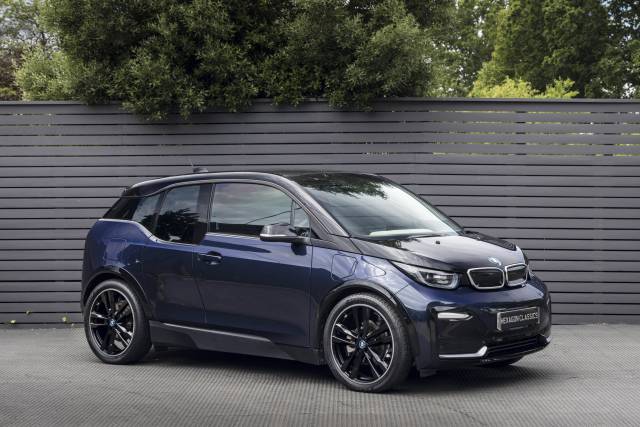
2018 | BMW i3s
Range Extender
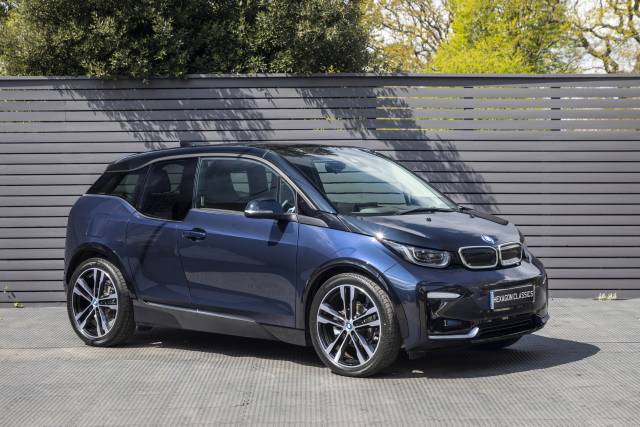
2020 | BMW i3s
Create search alert
Let yourself be notified as soon as a listing is published that matches your search filters.
BMW i3 Classic Cars: Prices & Market Values
Introduction and history of the BMW i3
BMW introduced the i3 in 2013 as its first mass-produced fully electric vehicle, marking a significant step into the era of electric mobility for the marque. As part of the newly launched BMW i sub-brand, the i3 was crafted to showcase what electric vehicles could achieve in terms of efficiency, sustainability and everyday usability. The model remained in production until 2022, leaving a notable mark as one of the earliest and most distinctive electric cars from a premium manufacturer. Its development involved innovative use of carbon-fibre reinforced plastic and a focus on urban mobility, setting new standards for weight savings and environmental responsibility.
Model history
The i3 (coding: I01) has no direct predecessor in BMW’s line-up, as it kicked off a new chapter within the BMW family under the i sub-brand. Traditionally, BMW’s compact offerings had been combustion-engined hatchbacks and saloons. The i3 broke this pattern completely, introducing fully electric propulsion and a focus on sustainability in both manufacture and operation. Over its nearly decade-long production run, the i3 saw incremental updates, including increased battery capacity and the introduction of an optional range extender petrol engine. No direct successor was immediately launched at its discontinuation in 2022, though BMW’s larger electric i4 and iX models now carry the torch for brand’s zero-emissions future.
Highlights of the BMW i3
A standout feature of the BMW i3 is its dedicated electric vehicle platform, constructed with a lightweight carbon-fibre reinforced plastic chassis and an aluminium drive module. This structure delivers an extremely rigid, light base for the high-voltage lithium-ion battery. The i3 made extensive use of responsibly sourced and renewable materials inside, including eucalyptus wood and recycled plastics. Its compact size and tight turning circle were designed for city use, while the rear-wheel drive provided a dynamic driving response rarely found in electric hatchbacks of its era.
Technical data
Special Editions and Collectible Models
Select i3 models were offered as limited editions, often featuring exclusive exterior colours, interior trims or commemorative badging. These editions highlighted advances in battery technology or celebrated milestones in production numbers, and tend to be more sought-after by collectors due to their unique configurations and features.
Weak Spots and Common Issues
There is no information available regarding typical weak spots or known technical issues specific to the BMW i3. Nonetheless, as with any electric vehicle, attention should be paid to the health and age of the battery, as well as maintenance history concerning electronic systems and drivetrain components.
Engine and Performance, Transmission and Handling
The i3’s electric drive delivers rapid torque and brisk acceleration, emphasising responsiveness at city speeds and agility in dense traffic, enhanced by the rear-wheel drive layout. The single-speed transmission ensures seamless power delivery, while the low battery position aids in providing a low centre of gravity and confidence-inspiring handling. Brake regeneration settings maximise efficiency, especially in urban driving.
Popular model configurations include versions equipped with the range extender engine and those with the expanded battery options introduced in later production years, offering improved usable range and greater day-to-day viability. Prominent models include the i3s variant for slightly enhanced performance, and late-model versions with upgraded batteries, providing a competitive range in the compact electric segment.
Interior, Comfort, Exterior and Design
The i3’s design, overseen by BMW’s dedicated i design team, is unmistakable in its segment, featuring a tall yet compact stance, rear coach doors, and a minimalist approach to switches and controls for a spacious cabin feel. Its interior showcases sustainable materials such as wool-blend fabrics, natural leather tanned with olive extracts, and open-pore eucalyptus wood trims. The exterior’s signature U-shaped LED lights and contrasting colour panels underline the model’s futuristic orientation. Optional customisation packages offered metallic paints, unique wheels, and enhanced digital interfaces, broadening individualisation for owners.
Other Relevant Features
The i3 was notable for introducing BMW’s ConnectedDrive suite to electric city cars, offering advanced navigation with range prediction, remote charging control via smartphone, and thermal preconditioning. The model’s innovative approach also included rapid charging compatibility through DC fast charge systems.
Summary
The BMW i3 stands as a unique entry into the realm of classic electrified mobility: purpose-built, forward-thinking in its use of materials, and engineered around the requirements of urban life. As BMW’s only electric compact hatch of its era, it captured a distinct chapter in automotive history and continues to attract attention for its unconventional, future-oriented approach to design and engineering.