BMW 3/15 Classic Cars for Sale
The BMW 3/15, often referred to as “Dixi,” represents BMW’s very first step into car manufacturing, combining British Austin 7 engineering with German craftsmanship. Produced between 1927 and 1932, the 3/15 is admired today for its robust steel bodywork, versatile body styles, and simple yet reliable mechanics. As a result of its early engineering and uniquely German production story, the 3/15 has become a favourite among enthusiasts of pre-war motoring.
Search results
Currently, there are no matching listings for your search.
Create search alert
Let yourself be notified as soon as a listing is published that matches your search filters.
Create listing
Do you have a BMW 3/15 that you want to sell? Then create a listing now.
Create listingBMW 3/15 listing references from Classic Trader
Below you will find listings related to your search that are no longer available on Classic Trader. Use this information to gain insight into availability, value trends, and current pricing for a "BMW 3/15" to make a more informed purchasing decision.
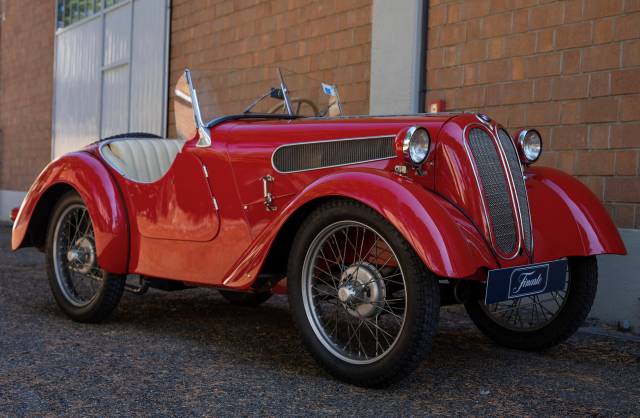
1930 | BMW 3/15 DA2
DIXI

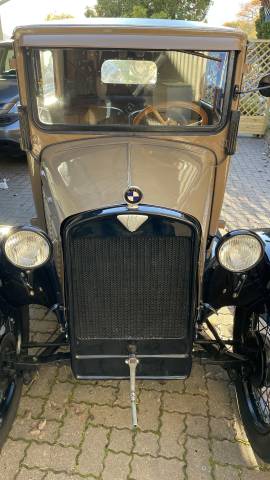
1931 | BMW 3/15 DA4
BMW Oldtimer - einer der ältesten noch verfügbaren BMW

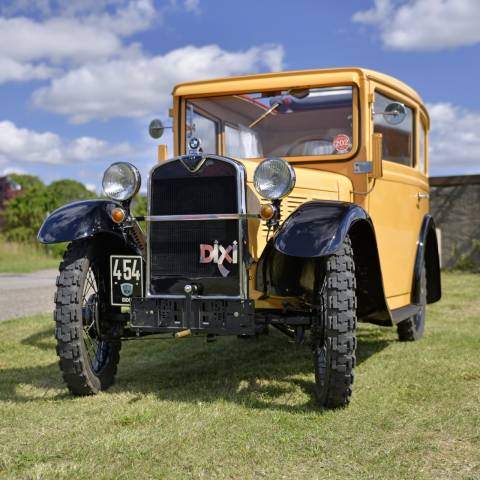
1931 | BMW 3/15 DA4
Nachlassauktion! Startgebot zzgl. Aufgeld: € 6.500,00

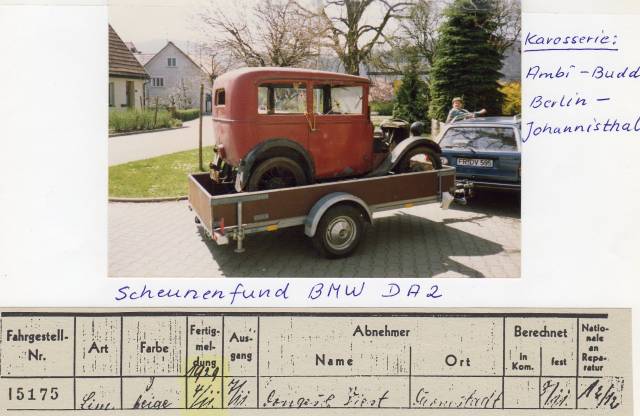
1929 | BMW 3/15 DA2
DA 2 Fahrgestell mit DA 4 AMBI BUDD Karosserie
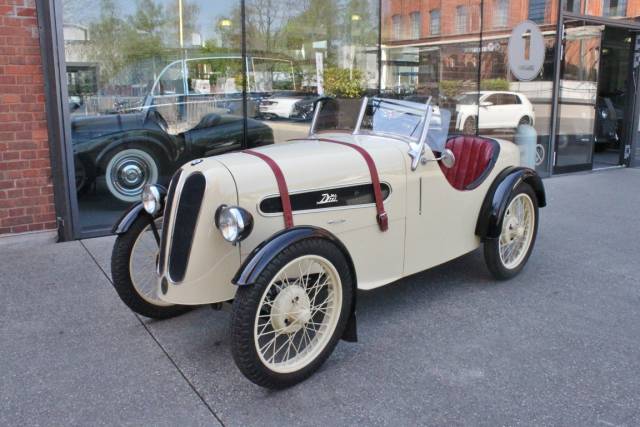
1929 | BMW 3/15 DA2
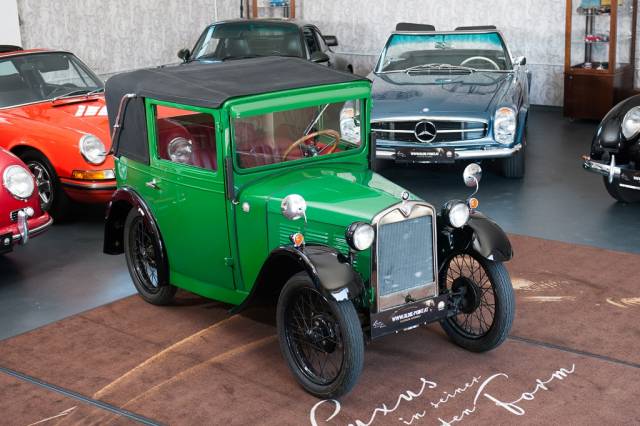
1930 | BMW 3/15 DA2
DIXI
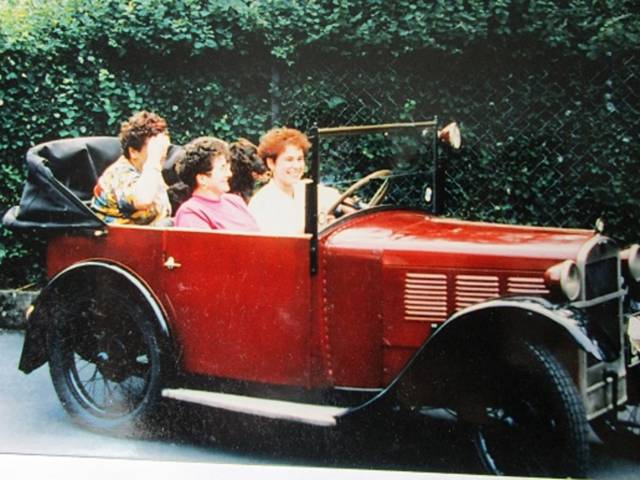
1929 | BMW 3/15 DA2
Create search alert
Let yourself be notified as soon as a listing is published that matches your search filters.
Create listing
Do you have a BMW 3/15 that you want to sell? Then create a listing now.
Create listingBMW 3/15 Classic Cars: Prices & Market Values
Introduction and History of BMW 3/15
The BMW 3/15 stands as a milestone: it was the brand’s first car and the beginning of BMW’s journey as an automaker. Production started as the Dixi 3/15 in 1927, based on a licensing agreement between Fahrzeugfabrik Eisenach in Germany and the Austin Motor Company to adapt the successful Austin 7 for the German market. When BMW acquired the Eisenach facility in late 1928, this marked the transition from Dixi to the BMW 3/15, with the vehicle evolving through several iterations until production ceased in 1932. The 3/15’s main features included a compact four-cylinder engine, steel bodywork typically supplied by Ambi-Budd of Berlin, and classic pre-war car styling. Its durability, affordable running costs, and flexibility in body variants made it a popular choice among drivers navigating the rapidly changing German automotive landscape of the late 1920s and early 1930s. The lineage of the 3/15 ultimately set BMW on its independent automotive path with the introduction of the 3/20 in 1932.
Model History
The model lineage started with the Dixi 3/15 DA-1, which BMW continued to produce as the BMW 3/15 from 1929. Successive updates created new variants: the 3/15 DA-2 introduced stronger steel bodywork and functional improvements like four-wheel brakes and larger doors, while retaining the same 4-cylinder engine. The DA-3 Wartburg, limited to just 150 vehicles, was a motorsport-oriented roadster with increased engine output and sportier styling, illustrating BMW’s early sporting ambitions. The DA-4, the final development, introduced independent front suspension but otherwise refined the DA-2’s formula. By 1932, the all-new BMW 3/20 replaced the 3/15, signalling BMW’s move away from licensed designs to entirely original engineering.
Highlights of the BMW 3/15
Key features include the use of steel body panels, robust chassis design, and a reliable 4-cylinder powerplant that could be started with either a crank or electric starter. Owners frequently restored these vehicles with modern techniques: plastic-coated hubs and wheels, stainless spokes, refurbished windshields, and reconditioned interiors using both original and newly manufactured wooden parts. The presence of verstellhebel (levers) for ignition and throttle is a technical hallmark, reflecting interwar automotive control layouts. Many examples also include unique karosserienummern (body numbers) stamped on the hinge pillar—an identifier for serious collectors and restorers.
Technical Data
Special Editions and Collectible Models
The BMW 3/15 DA-3 Wartburg deserves special mention: as BMW's first attempt at a sports car, only 150 units were ever built. With 18 hp and a top speed of 90 km/h, it featured a distinctive convertible roadster body and a sportier driving experience—collectors particularly value this model due to its rarity and its role in BMW motoring history.
Weak Spots and Common Issues
While robust by 1920s standards, a BMW 3/15 today requires attentive maintenance—especially as many examples are over 90 years old. Buyers should expect typical vintage car requirements: regular lubrication, gasket and seal checks, and close attention to the state of original or refurbished wood body frames and floorboards. Restored vehicles often feature replaced or refurbished steering wheels, interior trim, and new or overhauled engines, but documentation may be lacking—some are sold without registration papers, only with material inventories. Body and chassis parts may be original or expertly reproduced, so provenance and restoration quality are key points to inspect. Unknown or non-verifiable mileage is the norm, and most cars are sold "as is" by private sellers.
Engine and Performance, Transmission and Handling
The 3/15 employed a 4-cylinder, side-valve engine offering accessibility and simplicity in daily use and service. With outputs of 15 to 18 horsepower and a lightweight construction, performance by today’s standards is modest, but the car was lively in its class. Gear changes are manual, with a solid, mechanical feel typical of cars from this era. Braking evolved from rear-only to four-wheel drum setups with the DA2 and later, which meaningfully improved safety. The DA3 Wartburg roadster, with a top speed of 90 km/h, stands out for its enhanced power and more agile road manners, sought after by those attracted by early German sports car heritage. • BMW 3/15 DA-1 (Dixi): The very first, true to Austin Seven origins. • BMW 3/15 DA-2: Full steel body, four-wheel brakes, improved doors and cabrio-saloon variant. • BMW 3/15 DA-3 Wartburg: Early sports model, 18 hp, roadster, only 150 made. • BMW 3/15 DA-4: Independent front suspension, the last and most technically evolved series.
Interior, Comfort, Exterior and Design
The 3/15’s design is shaped by 1920s efficiency and German coachbuilt craft. Ambi-Budd provided most of the pressed steel bodies, yielding cars with distinctive upright grilles, pronounced fenders, and practical proportions. Interiors were simple; wood frames for seats sometimes retained, sometimes rebuilt by specialists for restoration. Special features such as adjustable steering, ignition and throttle levers are standard. Restored vehicles may feature new lacquer, re-trimmed seating (often in synthetic leather), and refurbished dashboards with original controls. Unique “BMW kidney grille” bodywork first appeared post-production—some coachbuilders, notably the Ihre brothers of Bruchsal, retrofitted these elements, prefiguring later BMW design signatures. Wheel and hub treatments on surviving examples often include modern finishes and stainless spokes.
Other relevant features
Several examples combine DA2 chassis with DA4 Ambi-Budd bodies due to factory rest part practices at the end of DA2 production, making these hybrids notable in the market. Fuel tanks, radiators, and windscreens are often replaced or expertly restored using original methods or modern equivalents. Many cars are offered after full restoration, including complete repaint, engine overhaul, and interior reworking—though some are presented as project cars or with only material stocks and documentation, especially at auction. Enthusiasts will value the historical context and attention to detail in every surviving 3/15.
Summary
The BMW 3/15 remains the most significant and commonly encountered pre-war BMW on the classic car market in the UK. As BMW's first automobile, its appeal lies in its technical honesty, fascinating restoration stories, and the role it played in German motoring. On Classic Trader, both supply and demand for the 3/15 dwarf those of any other early BMW, attesting to its market relevance. Whether as a meticulously restored DA2, a rare DA-3 Wartburg sports roadster, or a unique coachbuilt hybrid, the 3/15 offers a tangible link to the origins of one of the world’s great automotive brands.