- Car
- Alfa Romeo
- Alfa Romeo A12/F12 (1 offer)
Alfa Romeo A12/F12 classic cars for sale
The Alfa Romeo A12 and F12 are practical workhorses from the late '60s to early '80s, defining the Italian commercial vehicle segment with their no-nonsense engineering and remarkable versatility. From open-bed pickups to vans used for ambulances, these Alfas are hard to miss for classic van enthusiasts.
Search results
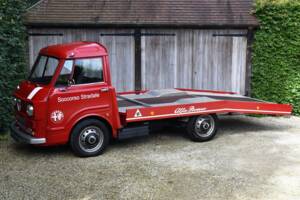
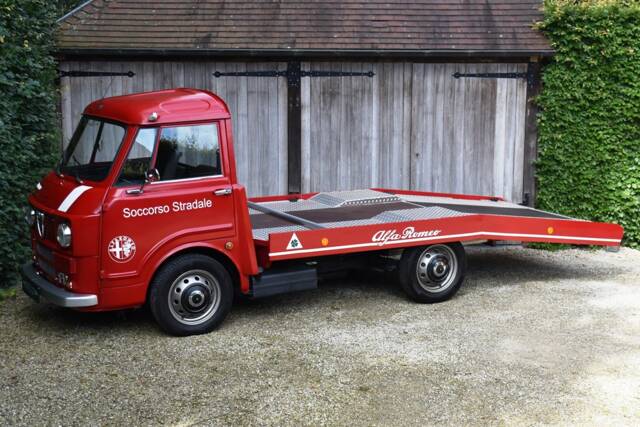
1977 | Alfa Romeo A12/F12
Unique A12 car transporter in fantastic condition.

Alfa Romeo A12/F12 listing references from Classic Trader
Below you will find listings related to your search that are no longer available on Classic Trader. Use this information to gain insight into availability, value trends, and current pricing for a "Alfa Romeo A12/F12" to make a more informed purchasing decision.
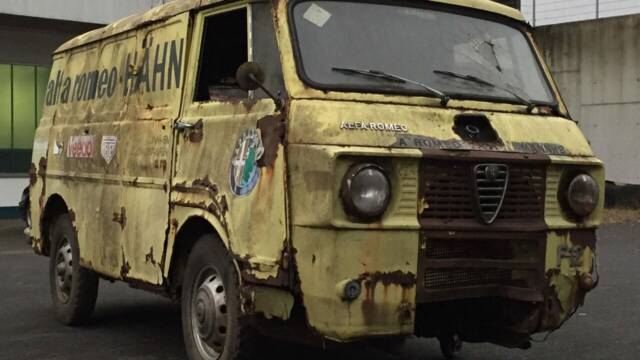
1970 | Alfa Romeo A12/F12
deutsche Rennsportgeschichte

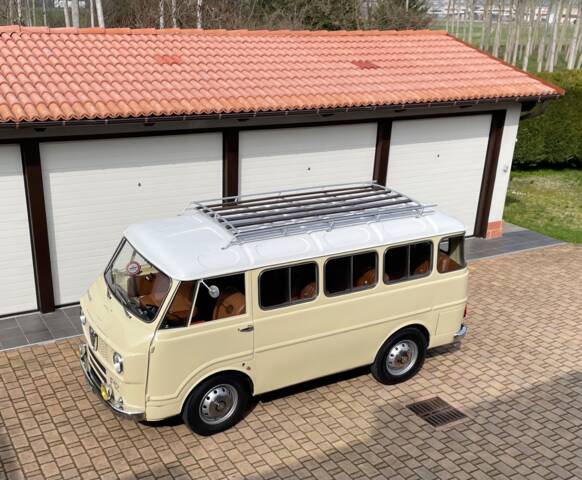
1968 | Alfa Romeo A12/F12
Alfa Romeo F12 Colli

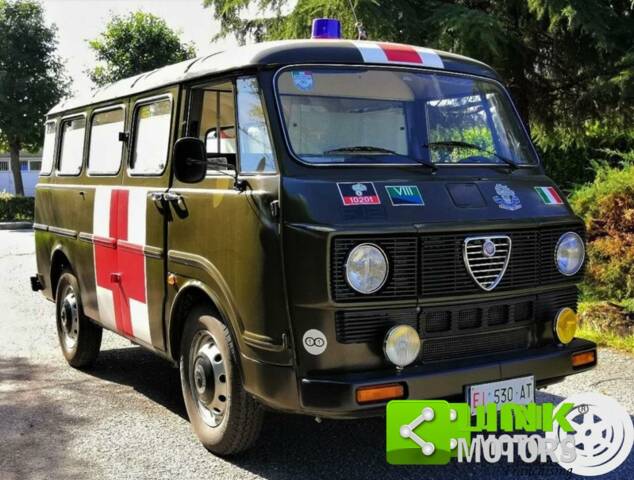
1980 | Alfa Romeo A12/F12
ALFA ROMEO F12 Ambulanza Militare
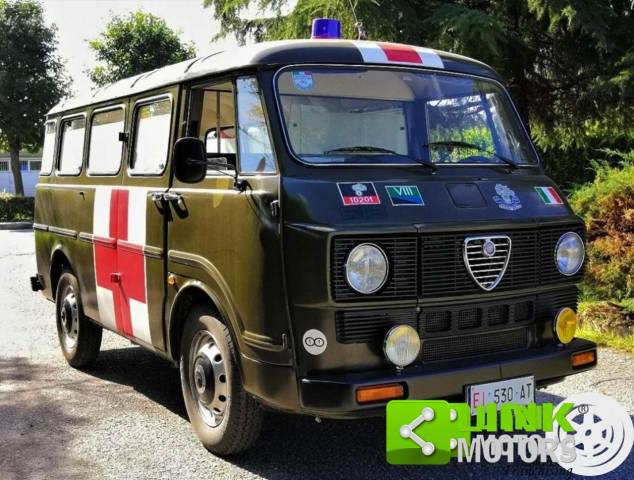
1980 | Alfa Romeo A12/F12
ALFA ROMEO F12 Ambulanza Militare
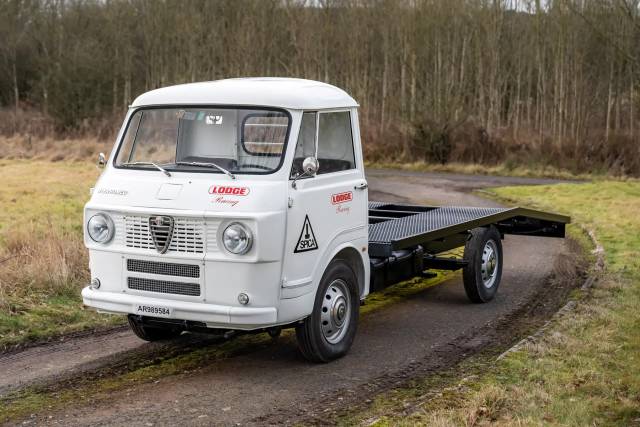
1969 | Alfa Romeo A12/F12
Absolutely Outstanding Restoration

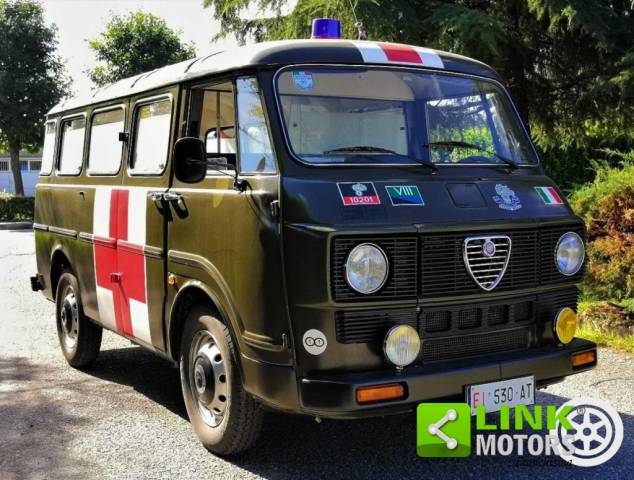
1980 | Alfa Romeo A12/F12
ALFA ROMEO F12 Ambulanza Militare
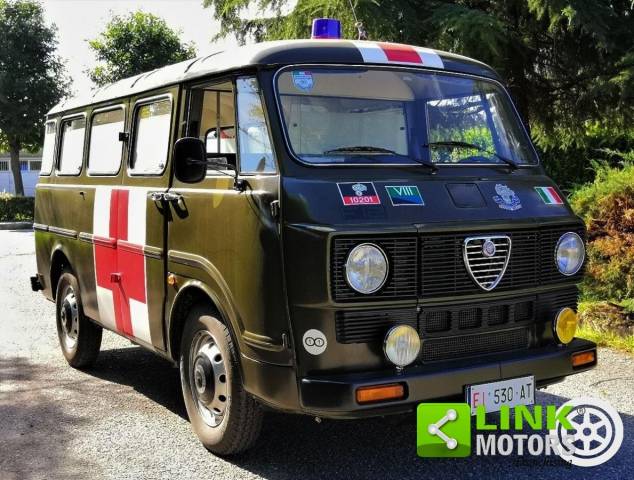
1980 | Alfa Romeo A12/F12
Alfa Romeo F12 Ambulanza terza serie
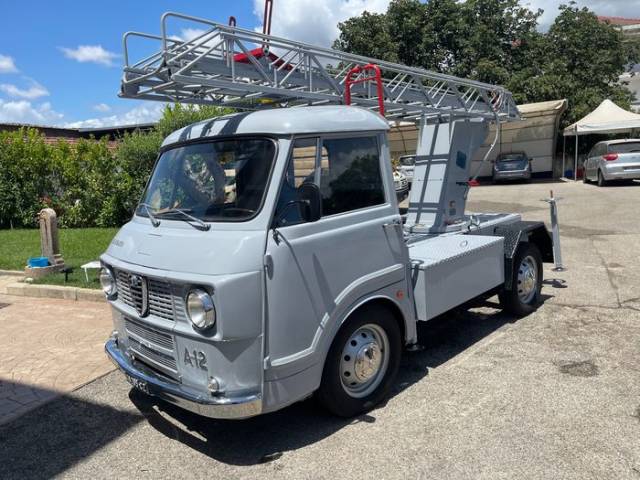
1972 | Alfa Romeo A12/F12

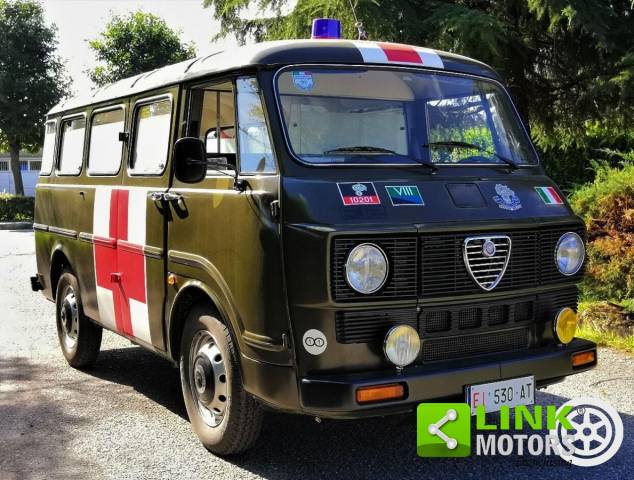
1980 | Alfa Romeo A12/F12
Alfa Romeo F12 Ambulanza terza serie
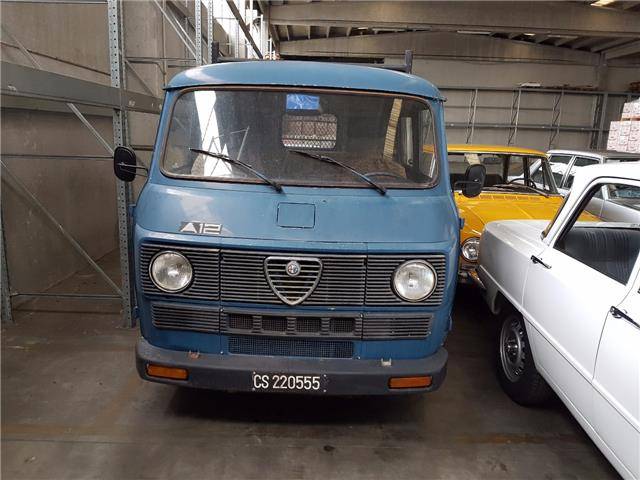
1976 | Alfa Romeo A12/F12
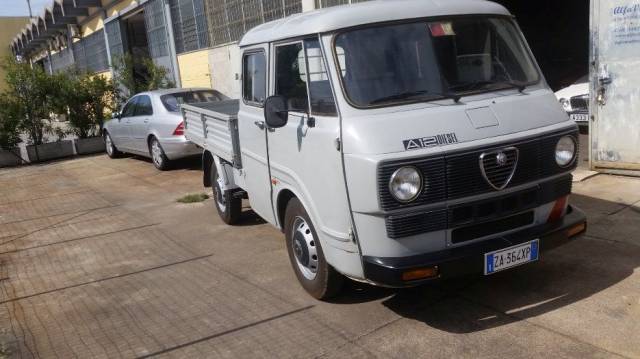
1979 | Alfa Romeo A12/F12
Very rare model, conserved!
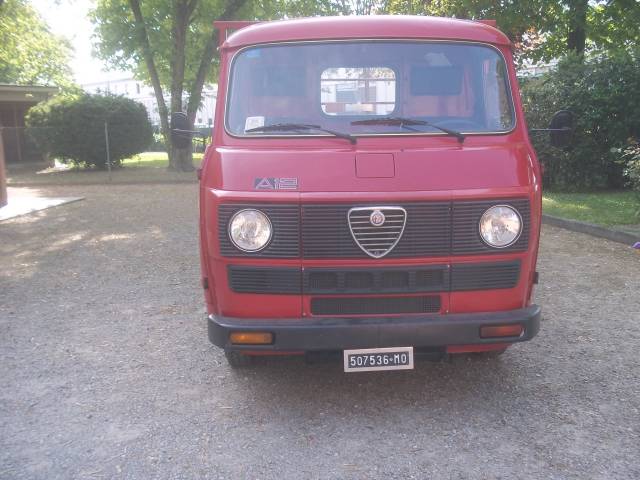
1981 | Alfa Romeo A12/F12
Vando furgone alfa romeo A12
Alfa Romeo A12/F12 Classic Cars: Prices & Market Values
History and Introduction of the Alfa Romeo A12/F12
Introduced in 1967, the A12 and F12 marked Alfa Romeo's response to the need for sturdy, flexible commercial vehicles. Designed to cover a wide range of professional applications, these models replaced the earlier Autotutto vans. The A12/F12 followed in the footsteps of the Autotutto (1954), combining proven mechanical solutions with practical design. With production running until 1983 in Italy and continuing under different badges (Ebro, Avia, Nissan Trade) in Spain, the A12/F12 left a long-lasting imprint on European utility motoring.
Model History
The Alfa Romeo A12 was the open-bed truck variant ("A" for Autocarro), while the F12 ("F" for Furgone) was the closed-panel van version. Both shared the same chassis and drivetrain configurations, differing primarily in their body form depending on payload needs. These models followed the Autotutto range and transitioned into badge-engineered Fiat and Iveco vans in the 1980s. The line's manufacturing journey extended into the 2000s in Spain, thanks to the involvement of FADISA, Ebro, and eventually Nissan.
Highlights of the Alfa Romeo A12/F12
The A12/F12 series showcased Alfa Romeo's practicality with robust mechanicals: a straightforward four-speed manual, rear-wheel drive, and dependable braking with discs up front and drums at the rear. Their squared-off bodywork increased cargo capacity while simplifying maintenance. Thanks to their utility and reliability, the range could be found as regular delivery vans, pickups, and even ambulances. With a 100% share of both supply and demand in classic Alfa Romeo commercials on our marketplace, they remain the definitive Alfa Romeo van for collectors and working vehicle enthusiasts.
Technical Data
Special Editions and Collectible Models
Among the most remarkable A12/F12 versions are those adapted for ambulance duty, celebrated for reliability and adaptability. While not strictly limited editions in the collector sense, these vehicles’ transformation for medical and rescue work adds a layer of historical significance and makes surviving examples especially interesting for preservationists.
Weak Spots and Common Issues
No specific weak spots are documented in the provided information. In general, classic commercial vehicles of this era require vigilant rust prevention, especially for body panels and suspension mounts, and regular attention to brake and clutch hydraulics. Routine engine and gearbox servicing is key for longevity in the A12/F12.
Engine and Performance, Transmission and Handling
The petrol A12/F12 featured a 1,290 cc engine with 52 hp, while the diesel introduced from 1973 delivered 50 hp from 1,760 cc. Both configurations utilised a four-speed manual transmission and rear-wheel drive. Maximum speeds hovered around 115 km/h—well-suited for urban delivery and regional transport. With a focus on functional handling and predictable dynamics, the A12/F12 delivered what was essential for commercial duty. Notable configurations included the standard panel van (F12), the open-bed pickup (A12) for heavy loads, and ambulances equipped for rapid patient transport, all sharing the same mechanical base and build quality.
Interior, Comfort, Exterior and Design
Designed for utility, the A12/F12 featured boxy lines maximising cargo space. The interior prioritised durability and straightforward controls. Exteriors were often seen in work-appropriate colours, with vinyl and simple cloth trims inside. While comfort was basic, the range’s adaptability meant some models received bespoke bodies or equipment for specific trades—ambulances, delivery vehicles, and service vans. Standard features were minimal but robust, reflecting the model’s utilitarian roots.
Other Features and Details
The Spanish manufacturing legacy of the A12/F12 is a story of endurance: continued production (under Ebro, Avia, Nissan Trade) extended the van’s presence into the 2000s, long after Alfa Romeo ended Italian output. This cross-continental story is of interest for fans who value commercial fleets and long-lived design platforms.
Summary
The Alfa Romeo A12/F12 series stands as the backbone of historic Italian light commercial vehicles. Built for adaptability and dependability, it offered robust engines, straightforward mechanics, and a shape dictated by its working purpose. Whether as a pickup, van, or ambulance, each variant provides a snapshot of utility-driven Italian automotive engineering—fully represented in both supply and demand among classic Alfa Romeo commercial listings.